
Pests
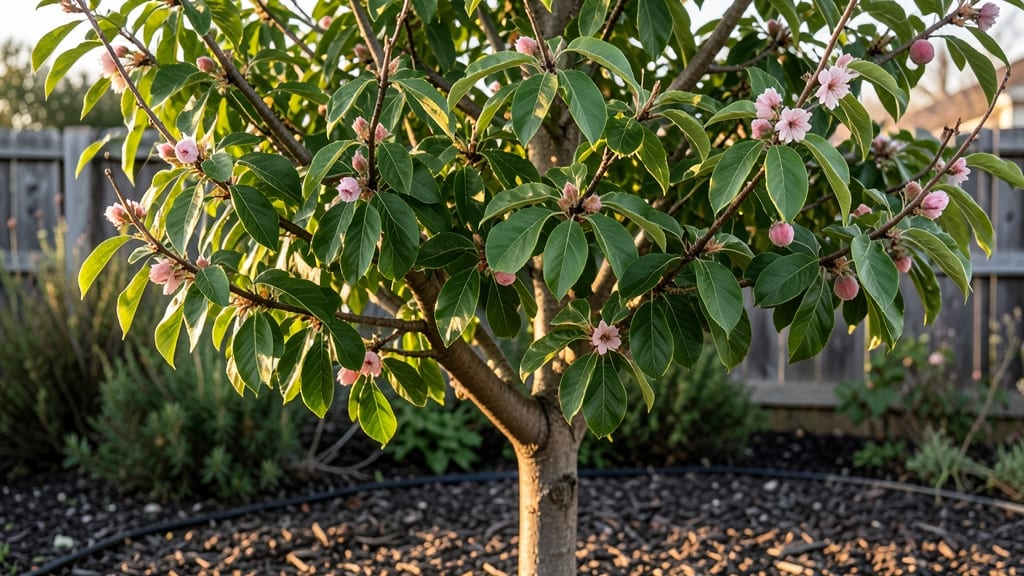
The leaves of a peach tree tell a story—one that often starts with frustration when yellow spots or curled edges appear. 🌿 I’ve spent years watching my own peach tree leaves transform from vibrant green to a patchwork of distress, only to discover that pruning for pest resistance was the missing piece in the puzzle.
The key isn’t just cutting back branches but strategically shaping the tree to prevent pests like aphids and mites from turning your harvest into a battleground.
Peach trees thrive when they’re not overburdened with fruit, which is why thinning and pruning go hand in hand. A well-pruned tree lets sunlight reach all leaves, reducing moisture traps where fungal diseases love to hide.
The result? Fewer pests, stronger growth, and fruit that’s actually worth picking. You’ll notice the difference within a single season—healthier leaves mean fewer pests, and fewer pests mean more energy for those juicy peaches.
📚 In This Guide
- What you need
- Instructions
- Tips and common mistakes
- Wrapping up and next steps
What you need
- ● Pruning shears: Bypass pruners (sharp, clean, and sterilized with rubbing alcohol to prevent disease spread).
- ● Loppers: For thicker branches (½"–1½" diameter)—choose bypass-style for precision cuts.
- ● Pruning saw: For branches over 1½"—look for a curved-tooth blade to avoid tearing wood.
- ● Gloves: Heavy-duty, cut-resistant (pests like aphids or mites can be pesky!).
- ● Disposable pruning bags: 1–2 large bags (for collecting fallen leaves/branches to compost or dispose of).
- ● Rubbing alcohol (70%+) or bleach solution: 1 part bleach to 9 parts water (for sterilizing tools between cuts).
- ○ Pest-control sprays (optional but helpful): Neem oil spray (1 tbsp neem oil + 1 tsp mild soap per quart of water).
- ● Insecticidal soap (for soft-bodied pests like aphids or mites).
- ● Tree sealant: Pruning paste (to coat large cuts and prevent disease entry).
- ● Ladder or step stool: If your tree is over 6 feet tall (ensure it’s stable!).
- ● Notebook & pen: To sketch your pruning plan (mark branches to remove/keep).
- ● Reflective vest or bright clothing: For visibility if working near roads or high-traffic areas.
- ● Pest traps: Yellow sticky traps (to monitor for early signs of infestation).
Step-by-step guide for pruning peach tree leaves to boost fruit production
Here’s how I keep my peach trees thriving with strong branches and bountiful harvests.
✂️ Step 1: Remove Dead or Diseased Branches First
Start by inspecting your tree for any branches that are brown, brittle, or showing signs of disease like fungal spots or cankers. Use clean, sharp pruning shears to cut these out completely—don’t leave stubs. The goal is to eliminate anything that could spread disease or drain energy from healthy growth.
I always prune on a dry day when the tree isn’t actively stressed. If you see sawdust-like residue or oozing sap at a cut, that’s a sign of disease—sterilize your tools with rubbing alcohol between cuts to prevent spreading it further.
✂️ Step 2: Thin Out Crowded Branches for Airflow
Peach trees need good airflow to prevent fungal diseases like brown rot. Look for branches that are rubbing against each other or growing too close together. Remove about 20-30% of the smaller, competing branches to open up the canopy. This isn’t about cutting back length—it’s about spacing.
Focus on branches that are growing inward or crossing over others. You’ll know you’re doing it right when sunlight can reach the center of the tree and air circulates freely. Avoid removing more than one-third of the foliage at once—this can shock the tree.
☀️ Step 3: Prune for Light Penetration to Fruit-Bearing Wood
Peach trees produce fruit on one-year-old wood, so aim to keep these branches healthy and exposed to sunlight. Prune back any overly long or weak branches that shade the center of the tree. Cut just above a bud that faces outward—this encourages growth in the right direction.
I like to step back every few cuts and visualize the tree’s shape. The goal is a balanced, open structure where light reaches all the way to the center. If you see branches growing straight up, prune them back to a side bud to promote a more horizontal, fruit-bearing shape.
⏰ Step 4: Time Your Pruning for Best Results
For peach trees, the best time to prune is late winter or early spring, just before buds swell but before new growth starts. This gives the tree time to heal before the growing season. Avoid pruning in fall—it can leave wounds open to disease over winter.
If you must prune later in the season, do it immediately after harvest to allow the tree to recover before dormancy. Just be prepared for slower healing compared to winter pruning. Always seal larger cuts (over ½ inch in diameter) with pruning sealant to prevent disease entry.
Tips & tricks for pruning peach tree leaves
Real talk: Pruning peach trees isn't just about cutting branches—it's about setting up your tree for a bounty of fruit. Here's how I've learned to do it right.
Tool Prep: Before you start, sharpen your pruning shears and sterilize them with rubbing alcohol. Dull tools crush branches instead of making clean cuts, and dirty tools spread disease faster than you can say "brown rot." I keep a small bottle of alcohol in my tool bag and wipe between every cut on diseased branches. This one step has saved my trees from multiple outbreaks over the years.
Visualize the Tree's Future: In Step 3, when you're pruning for light penetration, take a step back every few cuts to visualize the tree's shape. Imagine sunlight streaming through the center—this is your goal. I like to sketch a rough outline of what I want the tree to look like after pruning. This helps me avoid over-pruning and ensures we're creating an open structure that lets air and light reach all the branches where fruit forms.
Timing is Everything: The late winter/early spring timing in Step 4 is critical because it gives your tree time to heal before the growing season. But here's what nobody tells you—if you must prune later in the season, do it immediately after harvest, not during peak summer heat. I've seen trees stressed by summer pruning take months to recover, and that's time you don't want to waste when you're trying to grow fruit. Also, seal those larger cuts right away to prevent disease entry points.
Don't Guess About Branches: When deciding what to remove in Step 2, use the "thirds rule" as your guide: Never remove more than one-third of the foliage at once. This is especially important for younger trees. I've made the mistake of being too aggressive and ended up with trees that struggled to recover. Think of pruning as sculpting—you want to shape the tree, not shock it. If you're unsure about a cut, wait and reassess after a few weeks of growth.
Pro Tips for Leaves Of A Peach Tree
- Real talk: Pruning peach trees isn't just about cutting branches—it's about setting up your tree for a bounty of fruit.
- Tool Prep: Before you start, sharpen your pruning shears and sterilize them with rubbing alcohol.
- Visualize the Tree's Future: In Step 3, when you're pruning for light penetration, take a step back every few cuts to visualize the tree's shape.
Frequently asked questions
Got questions about peach tree leaves, pests, and pruning? You’re not alone! Here are some of the most common queries—and their answers—to help you keep your tree thriving and pest-free.
When is the best time to prune peach tree leaves for pest control?
Prune your peach tree in late winter or early spring (before buds swell) to remove diseased or pest-infested leaves. Avoid pruning during wet conditions, as open wounds attract pests like borers. Pro tip: Sterilize tools with rubbing alcohol to prevent spreading fungal spores!
How do I tell if peach tree leaves have pests vs. natural damage?
Pest damage often looks chewed, curled, or discolored with visible bugs (aphids, mites, or caterpillars). Natural damage (like wind or sunburn) usually appears as uniform browning or scorch marks. Inspect the undersides of leaves for eggs or webbing—tell-tale signs of infestation.
Can I use peach tree leaves for compost, or do I need to remove them?
Healthy peach leaves can go in compost, but diseased or pest-ridden leaves must be bagged and discarded (not composted) to prevent spreading issues. If leaves are moldy or spotted, toss them in the trash or burn them (check local regulations).
Will pruning leaves reduce my peach harvest?
No—proper pruning increases fruit quality! Removing excess or diseased leaves improves airflow, reducing fungal risks (like brown rot) and helping the tree focus energy on larger, sweeter peaches. Just avoid over-pruning; aim to keep 60–70% of the leaf canopy.
What’s a natural remedy for peach tree leaf pests I can use instead of chemicals?
Try these DIY solutions:
- Neem oil spray: Mix 1 tbsp neem oil + 1 tsp mild soap in 1 quart water; spray leaves (reapply every 7–10 days).
- Garlic/chili spray: Blend 2 garlic cloves + 1 tbsp cayenne in 1 gallon water; strain and spray.
- Beneficial insects: Release ladybugs or lacewings to eat aphids naturally.
Test sprays on a small leaf first to avoid burns!
Wrapping up and next steps
From mastering the right tools to timing your pruning just right, you now have the pest-proof pruning guide to maximize your peach tree’s fruit potential! 🌱 Healthy leaves mean more delicious peaches and a thriving orchard. Ready to put your new skills to work?
Start by inspecting your tree this weekend—look for early signs of pests or overcrowded branches. With patience and care, your peach tree will reward you with abundant, pest-resistant harvests for years to come!