
Pruning
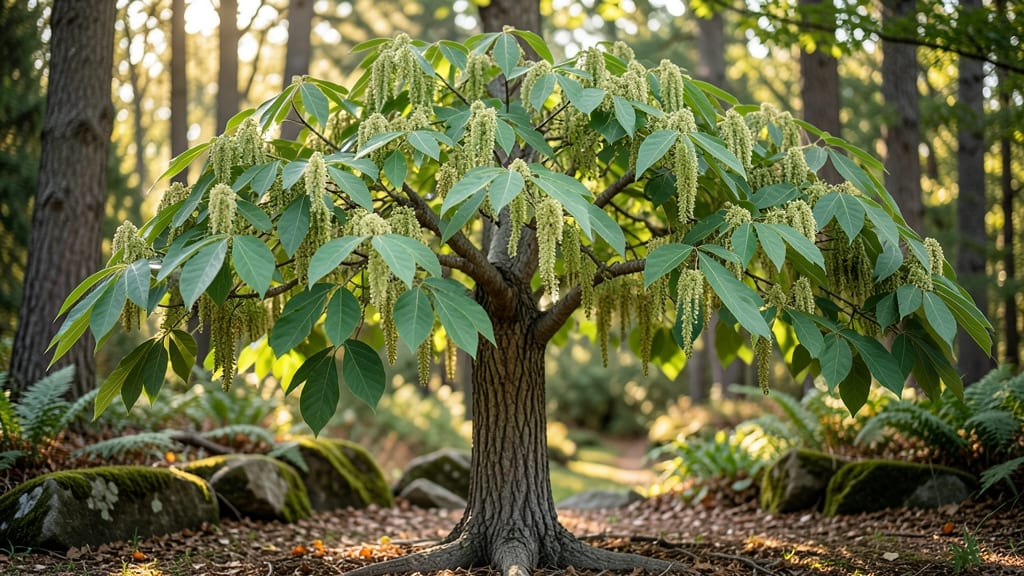
A large tree of heaven demands respect—not just for its fast growth, but for its stubborn branches that seem to multiply overnight. 🌳 I’ve wrestled with this tree for years, and the key to keeping it under control lies in strategic pruning that works year-round, not just in spring.
The secret isn’t brute force; it’s understanding when and how to cut to redirect its energy where you want it.
Most gardeners make the mistake of pruning only when the tree gets out of hand, but that’s too late. I’ve learned to prune in three critical windows—late winter, early summer, and fall—to shape its growth, remove deadwood, and prevent it from becoming a tangled mess.
You’ll need sharp loppers, pruning saws, and a clear plan, but the payoff is a tree that stays manageable and even adds ornamental value to your landscape.
By the time you’re done, you’ll have a Tree of Heaven that looks intentional, not wild. The branches will be stronger, the foliage denser, and the invasive tendencies—at least in your yard—significantly tamed.
Plus, you’ll avoid the heartbreak of watching it take over your garden if left unchecked. This isn’t just pruning; it’s reclaiming control.
Whether you’re dealing with a young sapling or a mature specimen, the same principles apply. The difference between a headache and a highlight in your yard comes down to timing, technique, and a little patience. Let’s get started—your Tree of Heaven will thank you.
📚 In This Guide
- What you need
- Instructions
- Tips and common mistakes
- Wrapping up and next steps
What you need
- ● Pruning shears or hand pruners: Bypass pruners (sharp, 6-8 inch blades) for cuts up to ½ inch in diameter.
- ● Loppers: 1-2 pairs (for branches ½ to 2 inches thick). Look for ratcheting or bypass styles for ease.
- ● Pruning saw: A curved-tooth saw (8-10 inches) for thicker branches (2+ inches). Safety tip: Avoid straight-tooth saws—they can tear wood!
- ● Extension pole saw: For high branches (10+ feet). A foldable or telescoping design (12-16 feet) works best.
- ● Work gloves: Heavy-duty, cut-resistant gloves (e.g., Mechanix or Filson) to protect from thorns and sap.
- ● Safety glasses: ANSI-rated goggles to shield eyes from debris.
- ● Ladder or lift: A stable, fiberglass ladder (16+ feet) or a professional-grade lift for tall trees. ⚠️ Pro tip: Never stand on the top 3 rungs!
- ○ Disposable pruning bags or bucket: For collecting debris (5+ gallon capacity). Optional: Compostable bags for eco-friendliness.
- ● Rubbing alcohol (70%+) and pruning sealant: To sterilize tools and seal large cuts (1+ inch diameter).
- ● First-aid kit: Include antiseptic wipes and bandages for sap burns or minor cuts.
- ● Pole pruners: For hard-to-reach branches (extendable up to 12 feet).
- ● Tree rope or harness: If working at extreme heights (for professional use).
- ● Sap remover: Citrus-based cleaner to remove sticky sap from tools and skin.
- ● Marking spray or tape: Colored spray paint or flagging tape to mark branches for removal.
- ● Tree wound dressing: For large cuts (controversial but useful in some cases—research first!).
- ● Weather check: Prune on a dry, calm day (avoid wind or rain).
- ● Tool sharpening: Hone shears and saws with a file or sharpening stone for clean cuts.
- ● Tree assessment: Identify dead, diseased, or crossing branches before starting.
- ● Permits (if needed): Check local regulations for large tree removal or structural pruning.
- ● Safety briefing: Clear a 10-foot radius around the tree and warn others nearby.
How to prune a large tree of Heaven for long-term health
Here's my go-to approach for keeping this fast-growing tree in check without sacrificing its vigor.
✂️ Step 1: Assess the Tree in Late Winter Before New Growth Begins
Start by examining the tree in late winter when it's still dormant but just before buds swell. Look for dead, diseased, or crossing branches—these are your top priorities. I always scan from the ground up, using a pole pruner for higher branches. The goal is to remove no more than 25% of the canopy in any single season to avoid stressing the tree.
Pay special attention to branches growing toward the center of the tree. These compete for light and air circulation, creating a perfect environment for pests and diseases. Mark these with surveyor's tape or a spray bottle if you're working alone. Real talk: I once pruned a tree of heaven in summer and ended up with more regrowth than I removed—timing matters.
✂️ Step 2: Remove Deadwood and Structural Weaknesses First
Use sharp, clean pruning shears to make your first cuts on dead or dying branches. Cut just outside the branch collar—the swollen area where the branch meets the trunk. This ensures proper healing and prevents disease entry points. For branches larger than 4 inches in diameter, use a three-cut method to avoid tearing the bark.
Next, address any branches with weak crotches or those growing at sharp angles. These often split during storms. Make your cuts just above a healthy lateral branch or bud. If you're unsure, step back and visualize how the tree will look without that branch—sometimes less is more. I always carry a small notebook to sketch my cuts before making them.
✂️ Step 3: Thin the Canopy for Airflow and Light Penetration
Now focus on thinning the canopy by removing selective branches from the inside out. Aim to create an open, vase-like shape that allows sunlight to reach the lower branches. Start at the outer edges and work your way inward. You'll see the difference immediately—more light reaches the center, and the tree's overall structure becomes stronger.
For each branch you remove, look for a well-attached lateral branch below it to take its place. This maintains the tree's natural form while improving its health. I like to leave some smaller branches on the outer edges to soften the tree's silhouette. Avoid "lion's tailing"—cutting all branches back to a single stub—which encourages weak regrowth.
🌿 Step 4: Lightly Prune for Shape in Early Summer
About 6-8 weeks after the initial winter pruning, do a light maintenance cut to shape the tree and remove any water sprouts or suckers that have appeared. These fast-growing shoots drain the tree's energy. Use hand pruners for smaller branches and a pruning saw for anything thicker than 1 inch.
This summer session is all about refinement. Step back frequently to check your progress. You're aiming for a balanced, natural look—not a perfectly manicured specimen. I often prune on a cloudy day to reduce stress on the tree. If you notice any bleeding sap, don't worry—it's normal and won't harm the tree.
✂️ Step 5: Clean Up and Monitor Through the Year
After pruning, collect all debris and dispose of it properly. Never leave cuttings on the ground—they can harbor diseases and pests. I always wear gloves when handling tree of heaven branches, as the sap can irritate skin. Once your cuts are made, apply a thin layer of pruning sealant to cuts larger than ½ inch in diameter to prevent disease entry.
Monitor your tree throughout the year. If you notice any unusual leaf discoloration or dieback, investigate promptly. Tree of heaven is generally hardy, but it can suffer from verticillium wilt or anthracnose if pruned incorrectly. Keep an eye out for invasive vines or pests like scale insects, which love to infest stressed trees. A little prevention goes a long way.
Tips & tricks for pruning large tree of Heaven
Here's what nobody tells you about keeping this invasive tree healthy without overstressing it.
Timing is Everything: Late winter is your golden window—right before buds swell but after the worst winter weather passes. I learned this the hard way after pruning in summer and watching the tree sprout back twice as aggressively. The dormant season means less stress on the tree and cleaner cuts that heal faster. If you miss late winter, wait until early spring when new growth begins, but avoid pruning during active growth periods.
Branch Collar Matters: When removing branches in Step 2, your cut must be just outside the branch collar—the swollen area where the branch meets the trunk. This might seem like a small detail, but cutting too close to the trunk or too far out creates weak points that invite disease. For branches over 4 inches thick, use the three-cut method: make the first cut about a foot from the trunk, then a second cut below the first at a slight angle, and finally remove the branch. This prevents bark from tearing.
Visualize Before You Cut: Before making any cuts in Step 3, step back and visualize the tree without each branch. I always sketch a quick outline in my notebook to see how removing a branch will affect the overall shape. This prevents over-pruning and helps maintain that natural, balanced look. Remember, you're aiming for an open vase shape—think sunlight reaching all the way to the ground. Leave some smaller branches on the outer edges to soften the silhouette and prevent a harsh, geometric appearance.
Seasonal Maintenance Strategy: The 6-8 week summer check-in is your chance to catch water sprouts and suckers before they drain your tree's energy. These fast-growing shoots are like weeds—they look harmless but compete with your tree's main branches. I always do this on a cloudy day to reduce stress, and I never cut more than 10% of the canopy in any single session. If you notice bleeding sap after pruning, don't panic—it's normal and won't harm the tree, though it can be messy on your tools and clothes.
Pro Tips for Large Tree Of Heaven
- Here's what nobody tells you about keeping this invasive tree healthy without overstressing it.
- Timing is Everything: Late winter is your golden window—right before buds swell but after the worst winter weather passes.
- Branch Collar Matters: When removing branches in Step 2, your cut must be just outside the branch collar—the swollen area where the branch meets the trunk.
Frequently asked questions
Got questions about pruning your Large Tree of Heaven (Ailanthus altissima)? You’re not alone! This fast-growing tree can be tricky to manage, but with the right approach, you’ll keep it healthy and under control. Here are some of the most common questions—and answers—to help you navigate the process like a pro.
When is the best time to prune a Large Tree of Heaven?
The ideal time to prune is late winter or early spring (before new growth starts), but you can also prune in summer to control aggressive growth. Avoid heavy pruning in fall, as it can stimulate tender new shoots that may not survive winter. For safety reasons, always prune when the tree isn’t wet or windy.
Can I prune a Large Tree of Heaven in summer?
Yes! Summer pruning is highly effective for managing this tree’s rapid growth. Focus on removing water sprouts, suckers, and crowded branches to improve airflow and sunlight penetration. Just be sure to sterilize your tools between cuts to prevent disease spread. Light pruning in summer won’t stress the tree as much as heavy cuts.
What should I do if my Tree of Heaven starts bleeding sap after pruning?
Sap bleeding (or "weeping") is common in Tree of Heaven, especially in warm weather. It’s not harmful—just unsightly! To minimize it, prune in cooler months (late winter/early spring) and avoid cutting into large branches during summer. If you must prune in heat, do it early in the morning and seal cuts with pruning sealant if needed.
Are there any alternatives to pruning that can control its aggressive growth?
While pruning is the most effective method, you can also mulch heavily around the base to suppress suckers or plant competitive ground covers (like periwinkle or ivy) to limit root spread. For severe cases, root barrier installation can help contain its expansion. However, these methods work best alongside regular pruning.
What’s the best way to dispose of pruned branches to prevent regrowth?
Tree of Heaven regrows aggressively from cuttings, so never compost or leave branches on-site. Instead, bag and dispose of them in green waste or chip them for firewood (if local regulations allow). For stubborn stumps, apply horticultural vinegar or copper sulfate to the cut surface to discourage regrowth.
Wrapping up and next steps
The Tree of Heaven—with its fast growth and striking foliage—can thrive year-round with the right pruning strategy. By understanding when to trim (like early spring or late winter), how to shape it safely, and why certain cuts matter, you’ll keep this resilient tree healthy, vibrant, and pest-resistant.
Whether you’re trimming for aesthetics, safety, or long-term vigor, consistent care pays off!
Ready to give your Tree of Heaven the TLC it deserves? Grab your tools, mark your calendar, and start pruning with confidence! 🌿✂️