
Pruning
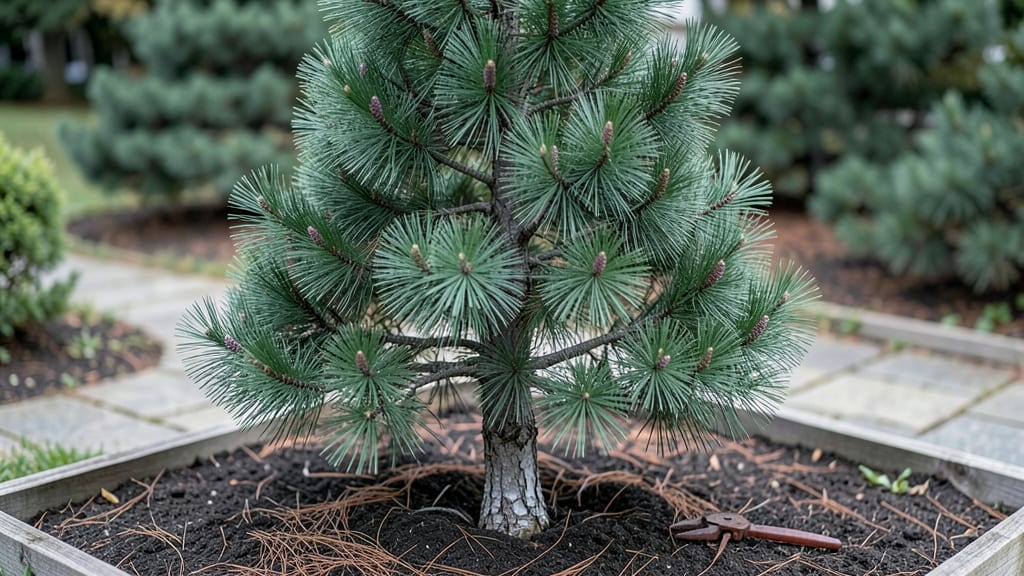
Your Korean fir tree isn’t just a Christmas tree—it’s a year-round star with silver-blue needles that glow under winter light. 🌲 I’ve grown these for years, and the secret to keeping them lush through holidays and beyond lies in three strategic trims that shape their natural beauty without sacrificing health.
The magic starts with well-draining soil and partial shade in hot climates—these trees hate soggy roots but love morning sun. Planting is simple: dig a hole twice as wide as the root ball, mix in compost, and water deeply.
Once established, they’re drought-tolerant, but a monthly deep soak keeps those needles vibrant year-round.
After your first holiday harvest, prune in early spring to encourage dense new growth, then again in summer to maintain shape. The third trim? A light touch in late fall to prep for holiday use—just enough to open the canopy for that classic tree silhouette.
With these cuts, your Korean fir stays compact, full, and ready to steal the show every December.
Bonus: These trees thrive in containers too, making them perfect for patios or small yards. Just avoid heavy pruning after mid-summer—you’ll sacrifice next year’s growth. For holiday use, bring indoors only 2-3 days before decorating to preserve needle freshness. Ready to grow one that works as hard as it looks?
📚 In This Guide
- What you need
- Instructions
- Tips and common mistakes
- Wrapping up and next steps
What you need
- ● Korean fir tree (1, ideally 6–12 feet tall for optimal trimming)
- ● Pruning shears (bypass pruners, sharp and clean for clean cuts)
- ● Loppers (for thicker branches, 8–10 inches)
- ● Hand pruners (for delicate trimming, 5–6 inches)
- ● Ladder or step stool (for taller trees, ensure stability!)
- ● Disposable gloves (to protect hands from sap and splinters)
- ○ Pruning sealant (optional, for larger cuts to prevent disease)
- ● String lights or ornaments (if decorating immediately)
- ● Tree-shaped wire frame (for structural guidance during trimming)
- ● Soft-bristle brush (to gently shape foliage after pruning)
- ● Fertilizer (slow-release, evergreen-specific) (to boost post-pruning growth)
- ● Mulch (pine bark or wood chips) (to protect roots and retain moisture)
- ● Watering can or hose with spray nozzle (for post-pruning hydration)
Step-by-step guide to pruning your Korean fir for year-round beauty
Here's how to keep your evergreen standout healthy and full—season after season.
✂️ Step 1: First Trim After Purchase (Early Spring)
When you bring your Korean fir home, give it a light shaping within the first 2-3 weeks to encourage dense growth. Focus on removing any broken branches from transport and any that cross or grow inward—they compete for sunlight and weaken the tree's structure. Use sharp, clean pruning shears to make cuts just above a healthy bud or branch collar.
Here's the thing—don't remove more than 10-15% of the total foliage in this first trim. You're not trying to reshape dramatically yet, just establish good habits. Look for branches that grow at odd angles or stick out too far—they'll be more susceptible to wind damage later. Make your cuts at a 45-degree angle just above the bud to promote faster healing and new growth.
🌿 Step 2: Mid-Season Maintenance (Late Summer)
Around mid-August, give your Korean fir another light trim to remove any leggy growth that developed over summer. Leggy branches are those that stretch outward without much foliage—these are energy drains and make the tree look sparse. You'll notice them as long, thin stems with sparse needles compared to the bushier interior branches.
This is also when you should address any dead or yellowing branches. Korean firs are generally hardy, but poor air circulation or winter damage can cause some branches to die back. Simply cut these out completely at their base. For healthy branches that just look overgrown, trim back to the previous year's growth—you'll see where the denser foliage stops and the sparser growth begins.
🪴 Step 3: Winter Preparation Trim (Early Fall)
In early October, give your tree its most strategic trim of the year. This is when you'll do about 20% of the total shaping, focusing on creating that perfect conical shape that makes Korean firs so Christmas-tree-perfect. Start at the bottom and work your way up, removing branches that grow straight up or outward too aggressively.
Pay special attention to the lower third of the tree—this is where most people make mistakes by leaving too much bare trunk. Korean firs naturally grow with dense lower branches, so trim just enough to maintain that full look while keeping the trunk visible. Make your cuts just above outward-facing buds to encourage new growth in the right direction. After trimming, give the tree a good drink of water—fall is when roots need to establish before winter.
☀️ Step 4: Light Winter Pruning (December-January)
After the holidays, when you've finished using your Korean fir as a Christmas tree, don't just toss it! Give it one final light trim in early January to remove any branches that may have been damaged during display. Focus on any that were bent or broken from handling, and any that now look out of place in the tree's overall shape.
This is also when you should check for any signs of pest damage, particularly from spider mites which love dry indoor conditions. If you see webbing or tiny moving dots on the needles, treat with horticultural oil immediately. For healthy trees, just a light shaping trim will be enough—remember, you're not trying to drastically change the tree's shape, just maintain what you've established through the year.
Tips & tricks for perfect Korean fir pruning
Transforming your Korean fir from holiday centerpiece to year-round beauty starts with these pro-level pruning secrets.
Timing is Everything: The 2-3 week window after purchase is critical for establishing healthy growth patterns. I've seen too many trees get over-pruned in this initial phase—stick to that 10-15% foliage removal guideline. This early shaping determines how your tree will fill out over the seasons. Think of it like giving your tree a strong foundation before building upward.
Visual Growth Cues: When trimming leggy branches in mid-August, look for the "growth transition point" where dense foliage stops and sparse needles begin. This is your natural pruning line—cut just above it. I learned this the hard way after seeing trees develop awkward gaps where I'd over-trimmed. The key is to maintain that lush interior while removing only what's necessary for balance.
Seasonal Watering Strategy: After your early October trim, water deeply to help roots establish before winter. I've found that Korean firs actually need more water in fall than most people realize—they're preparing for dormancy. Give them a thorough soaking every 7-10 days until frost, and you'll see dramatically healthier growth come spring.
Pest Prevention: That early January check is your last line of defense against spider mites. I've treated enough trees in February that were already infested—prevention is easier than cure. Run your fingers through the needles before trimming. If you feel any webbing or see tiny moving specks, act immediately with horticultural oil. A few minutes of inspection now can save your tree's health for years.
Pro Tips for Korean Fir Tree Christmas Tree
- Transforming your Korean fir from holiday centerpiece to year-round beauty starts with these pro-level pruning secrets.
- Timing is Everything: The 2-3 week window after purchase is critical for establishing healthy growth patterns.
- Visual Growth Cues: When trimming leggy branches in mid-August, look for the "growth transition point" where dense foliage stops and sparse needles begin.
Frequently asked questions
Got questions about keeping your Korean fir tree as a stunning Christmas tree year-round? Here are some common ones—and their answers!
Is a Korean fir tree good for indoor Christmas tree use?
A Korean fir tree is a fantastic choice for indoor use! Its soft, fragrant needles and sturdy branches hold ornaments beautifully. Just ensure it’s well-watered and placed away from direct heat sources (like fireplaces or vents) to keep it fresh for the holidays. Pro tip: Mist the branches occasionally to prevent dryness.
How long can I keep a Korean fir tree indoors before it dries out?
With proper care, a Korean fir tree can stay vibrant indoors for 4-6 weeks. To extend its life, cut ½ inch off the trunk before placing it in water, and refresh the water every 2-3 days. Keep it in a cool room (60-65°F) and avoid drafts. Warning: Needles may drop faster if the tree is too warm or dry.
Can I prune a Korean fir tree to keep it as a Christmas tree year-round?
Korean firs thrive with light pruning to maintain shape. Focus on trimming brown or overgrown branches in early spring (just after the holiday season) and again in late summer. Avoid heavy pruning—stick to shaping rather than cutting back hard. Key: Sterilize tools to prevent disease.
What’s the best alternative if I can’t find a Korean fir tree?
If Korean firs aren’t available, consider these fragrant, needle-retaining alternatives: Balsam fir (classic holiday scent), Fraser fir (durable and full), or Douglas fir (budget-friendly and sturdy). All three hold ornaments well and stay fresh longer than artificial trees! Tip: Visit a local nursery for fresh-cut options.
Why are my Korean fir branches shedding needles indoors?
Needle drop is usually due to dry air, heat, or thirst. Move the tree to a cooler spot, increase humidity (try a tray of water near the heater), and check the water level daily. If the trunk is dry or hollow, the tree may be past saving—replace it with a fresh-cut. Quick fix: Trim any bare branches to improve airflow.
Wrapping up and next steps
Transforming your Korean fir tree into a stunning year-round Christmas tree isn’t just about holiday magic—it’s a rewarding way to blend nature and festive cheer! With the right trims and care, you’ve unlocked a lush, evergreen centerpiece that keeps giving long after December. 🎄✨
Ready to make your tree the talk of the neighborhood? Start by scheduling your next trim—whether it’s shaping for spring blooms or prepping for holiday decorations. A little effort now means months of beauty and pride!