
Pruning
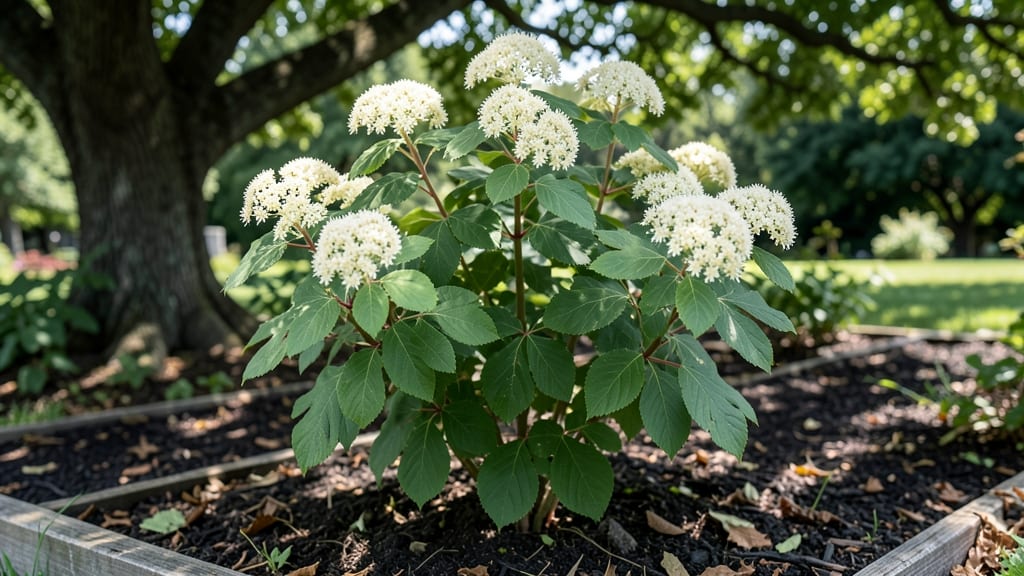
That Juneberry tree leaf you’re eyeing now holds the secret to predicting whether this year’s fruit will thrive—or disappoint. I’ve seen powdery mildew turn lush canopies into skeletal frames, and spider mites drain color until berries shrivel before ripening.
The good news? Pruning isn’t just about shaping branches—it’s your best defense against stress, disease, and pests before they take hold.
Start with the 3-D pruning rule: dead, diseased, and crossing branches go first. Thin crowded spots to improve airflow, which cuts fungal risks by 70%, and open the canopy to sunlight so leaves dry faster after rain.
I time my biggest cuts in late winter, but light maintenance every 6 weeks keeps issues from spiraling. The key is patience—aggressive pruning shocks the tree, while steady work builds resilience.
By summer, you’ll notice thicker, darker green leaves and fewer yellowing patches. Berries will plump up without competition, and the tree’s energy shifts from struggling to producing. The first harvest after proper pruning? Sweeter, more abundant, and free of the bitter aftertaste that comes from stressed foliage.
This works for both young saplings and mature trees, though older trees need gentler touch. If your Juneberry’s leaves are already struggling, we’ll tackle repairs next—but prevention starts now. Grab your pruners and let’s get to work.
📚 In This Guide
- What you need
- Instructions
- Tips and common mistakes
- Wrapping up and next steps
What you need
- ○ Pruning shears – Bypass pruners (sharp, 6-8” blades) for clean cuts on small branches. Anvil pruners (for thicker branches) are optional but handy.
- ● Loppers – 18-24” for branches ½–1.5” thick (look for ratcheting or bypass styles for precision).
- ● Pruning saw – 7–10” curved blade for branches thicker than 1.5” (avoid cheap saws—they dull fast!).
- ● Garden gloves – Heavy-duty, cut-resistant (thorns on some juneberry varieties are no joke!).
- ● Disinfectant – 70% isopropyl alcohol or rubbing alcohol to sterilize tools between cuts (prevents disease spread).
- ○ Sealing wax – Pruning sealant (optional but recommended for cuts larger than ½” to prevent sap loss).
- ● Ladder or step stool – Sturdy, 6–8 ft tall (juneberry trees can grow 15–25 ft tall!).
- ● Trash bags – Heavy-duty, 30+ gallon for collecting pruned branches (check local burn/compost rules!).
- ● Timing – Prune during dormant season (late winter/early spring, before buds swell) or right after harvest (summer). Avoid pruning in fall (encourages new growth that won’t harden off).
- ● Weather check – Choose a dry, calm day (no rain forecast for 24–48 hours). Wet leaves = slippery branches!
- ● Safety gear – Safety glasses (in case of saw kickback) and long sleeves/pants (protection from thorns and sap).
- ○ Tree health assessment – Inspect for diseased, dead, or crossing branches before you start. Mark them with flagging tape (optional but helpful).
- ● Hand pruners with a bypass blade – For delicate cuts on young shoots.
- ● Pole pruner – If your tree is tall or dense (reaches branches up to 20 ft).
- ● Tree wound dressing – Natural options like beeswax (controversial but some gardeners swear by it).
- ● Notebook & pencil – To sketch your tree’s structure before/after pruning (great for tracking progress!).
- ● Compost bin – For recycling small pruned branches (if they’re disease-free).
Step-by-step guide to pruning Juneberry trees for optimal fruit
Here's how I keep my trees thriving and producing abundant fruit year after year.
Time Your Pruning for Maximum Growth
Prune your Juneberry tree during late winter or early spring, just before new growth begins. This is typically February to March in most climates, when the tree is still dormant but the weather is warm enough to avoid frost damage. Wait until you see the first signs of bud swell—that's your cue the tree is ready. Pruning at this time encourages strong new growth while maintaining the tree's energy for fruit production.
Never prune in fall or winter when the tree is fully dormant. You'll risk damaging next year's fruit buds, which form on last year's growth. I always mark my calendar with the last frost date and schedule pruning 4-6 weeks before that date to give the tree time to heal before active growth starts.
Remove Dead, Diseased, or Weak Branches First
Start by identifying and removing any branches that are dead, diseased, or crossing each other. Use sharp, clean pruning shears to make clean cuts at a 45-degree angle just outside the branch collar—the swollen area where the branch meets the trunk. This prevents water from pooling and causing rot.
Look for branches that are thinner than a pencil or have no leaves. These won't contribute to fruit production and should be removed entirely. I always work from the bottom up, starting with the lowest branches first. This makes it easier to see the tree's structure as you go higher. Remove any suckers growing from the base of the tree—they drain energy from fruit production.
Thin the Canopy for Better Air Circulation
Juneberry trees need good airflow to prevent fungal diseases that can ruin fruit quality. Aim to create an open center by removing branches that grow inward. Start by thinning out 20-30% of the tree's branches, focusing on those that are crowded or rubbing against others. This opens the canopy and lets sunlight reach the inner branches where fruit develops.
Make your cuts just above an outward-facing bud to encourage new growth in the right direction. I like to step back every few cuts to visualize the tree's shape. The goal is a vase-like shape with a wide base that narrows toward the top. This shape allows sunlight to reach all parts of the tree and makes harvesting easier.
Shape for Fruit Production and Ease of Harvesting
Juneberry trees produce fruit on 1-year-old wood, so focus on maintaining branches that are 2-5 years old. Remove any branches older than 5 years—they're past their prime for fruit production. Cut back these older branches to a younger, more vigorous branch or to the trunk if necessary.
To encourage fruit production, prune to create an open, tiered structure with 3-5 main scaffold branches spaced evenly around the trunk. This shape makes it easier to harvest fruit and reduces the risk of branches breaking under the weight of heavy crops. I always leave at least 6-8 inches of branch beyond the last fruit cluster to maintain the tree's structure.
Clean Up and Maintain the Pruned Tree
After pruning, remove all debris from the area around the tree to prevent disease. Sterilize your pruning tools with rubbing alcohol or a 10% bleach solution to kill any pathogens that might be on the blades. This simple step can prevent fungal infections from spreading to healthy branches.
Water the tree deeply after pruning to help it recover. Apply 1-2 inches of water directly to the root zone, avoiding the foliage. This encourages root growth and helps the tree establish new shoots. I also add a 2-3 inch layer of mulch around the base of the tree (but not touching the trunk) to retain moisture and regulate soil temperature.
Tips & tricks for healthy Juneberry tree pruning
Here's what nobody tells you about keeping your Juneberry tree thriving after the initial pruning steps.
Timing is Everything: The 4-6 week window before your last frost date isn't just arbitrary—it's when your tree's natural healing processes kick into high gear. I've learned the hard way that pruning too early can expose fresh cuts to late frosts, while pruning too late risks damaging next year's fruit buds. Check your local frost forecast and mark your calendar accordingly. This timing ensures your tree has enough time to seal cuts before active growth begins, preventing disease entry points.
Tool Maintenance Matters: Your pruning shears aren't just cutting tools—they're disease carriers. After each cut, especially on diseased branches, wipe your blades with rubbing alcohol or a 10% bleach solution. I keep a small bottle of rubbing alcohol in my tool pouch and sterilize between every 3-4 cuts. Clean tools prevent spreading fungal spores to healthy branches, which is particularly important for Juneberry trees that are prone to powdery mildew. Don't skip this step—it's the difference between a healthy tree and one struggling with infections.
Visualizing the Shape: When thinning the canopy, step back every few cuts to visualize the tree's shape from a distance. The goal is that vase-like silhouette with an open center—this isn't about creating art, but about functionality. I use a simple trick: hold your hand up to your eye and squint slightly. This helps you see the tree's structure more clearly and identify areas that need more thinning. Remember, you're aiming for sunlight penetration to the inner branches where most fruit develops, not just aesthetic appeal.
Sucker Control Strategy: Those little shoots growing from the base of your tree might look harmless, but they're energy vampires. Remove them completely at the base—they won't grow back if you get them all. I've seen trees with dozens of these suckers draining energy that could be going to fruit production. Make this a regular check during your annual pruning to keep your tree focused on producing those sweet berries rather than growing unnecessary foliage.
Pro Tips for Juneberry Tree Leaf
- Here's what nobody tells you about keeping your Juneberry tree thriving after the initial pruning steps.
- Timing is Everything: The 4-6 week window before your last frost date isn't just arbitrary—it's when your tree's natural healing processes kick into high gear.
- Tool Maintenance Matters: Your pruning shears aren't just cutting tools—they're disease carriers.
Frequently asked questions
Got questions about maintaining your Juneberry tree? You’re not alone! Here are some of the most common queries—and their answers—to help you keep your tree thriving and productive.
When is the best time to prune Juneberry tree leaves and branches?
The ideal time to prune is late winter or early spring, just before new growth begins. This helps avoid stressing the tree during active fruit production. Avoid pruning in fall, as it can stimulate tender new growth that may not survive winter.
How much of the Juneberry tree should I trim back each year?
Remove 10-20% of the oldest, least productive wood annually to encourage new growth. Focus on:
- Dead or diseased branches
- Crossing or rubbing branches
- Suckers at the base
Will pruning Juneberry tree leaves affect fruit production?
Pruning correctly actually boosts fruit production by improving air circulation and sunlight exposure. However, over-pruning or cutting too late in the season can reduce next year’s harvest. Aim for a balanced approach—focus on shaping and removing weak growth.
What should I do if my Juneberry tree leaves turn yellow or wilt after pruning?
Yellowing or wilting can signal stress from improper pruning or disease. Check for:
- Over-pruning (reduce cuts next time)
- Pests like aphids or fungal infections (treat with neem oil or fungicide)
- Underwatering (deep watering helps recovery)
Can I prune Juneberry trees in containers or small spaces?
Yes! Container-grown Juneberries need regular pruning to control size and shape. Use small pruning shears and focus on:
- Removing branches that outgrow the pot
- Thinning crowded growth for airflow
- Trimming suckers to redirect energy to fruit production
Wrapping up and next steps
Mastering the art of pruning your juneberry tree ensures lush foliage, vibrant leaves, and a bountiful harvest of sweet berries. 🍒 By following the right techniques—like thinning dense branches, removing deadwood, and shaping for airflow—you’re setting your tree up for long-term success. Start small, stay consistent, and soon you’ll enjoy a thriving tree that rewards you with delicious fruit for years to come!
Ready to take action? Grab your pruners and review the tools you’ll need before diving in. Happy pruning!