
Pruning
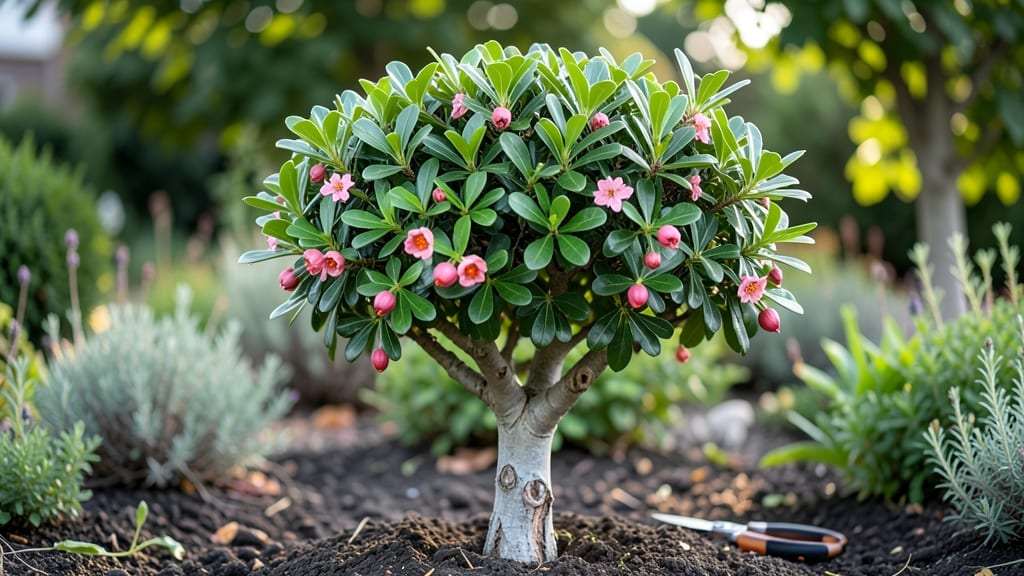
Pruning a Japanese spindle tree (Euonymus japonicus) transforms it from a scraggly shrub into a stunning, sculpted focal point—the kind that makes neighbors do double-takes. 🌿 I’ve pruned mine every season for five years, and the difference between a wild, leggy mess and a neat, layered masterpiece comes down to timing, technique, and a little patience.
The key? Pruning isn’t just about cutting back—it’s about shaping the tree’s natural growth habit to highlight its glossy foliage, vibrant fall color, and those showstopping pink berries that persist through winter.
Most gardeners wait until spring, but the real magic happens with year-round pruning: light trims after flowering to encourage bushier growth, summer shaping to maintain form, and winter cleanup to remove dead wood.
You’ll need sharp bypass pruners, a pair of loppers for thicker branches, and a clear vision—this isn’t the time for wild, aggressive cuts.
The goal is to thin out crowded branches and open up the canopy so sunlight reaches all parts of the plant, keeping those leaves rich green and disease-free all season.
By the end of a year of intentional pruning, your Japanese spindle tree will have a tight, balanced shape with layers that frame your garden like a living painting. The foliage stays denser, the berries are more visible, and the tree’s natural arching habit becomes even more elegant.
Plus, you’ll save yourself the heartbreak of watching it grow into an unruly tangle—because once you master the rhythm, pruning becomes second nature. Ready to give it a try?
This method works for mature trees and young plants alike, though smaller specimens respond faster to shaping. If you’re in zones 6-9, you’re in the perfect climate for this tree—and the pruning techniques here will keep it thriving for decades.
The best part? You’ll notice the difference within just a few months, not years. Let’s get those shears out and start sculpting!
📚 In This Guide
- What you need
- Instructions
- Tips and common mistakes
- Wrapping up and next steps
What you need
- ● Pruning shears – Bypass pruners (for clean cuts on small branches, 3-4" blades, sharp and rust-resistant).
- ● Loppers – Long-handled, 8-10" (for thicker branches up to 1.5" diameter).
- ● Pruning saw – Curved-tooth, 8-10" (for branches over 2" thick—sterilize with rubbing alcohol before/after use!).
- ● Garden gloves – Heavy-duty, cut-resistant (to protect from thorns and sap).
- ○ Disposable pruning bags – 10-20 gallon capacity (for collecting debris; optional but helpful for cleanup!).
- ● Rag or paper towels – For wiping tools and cleaning sap.
- ● Ladder (if needed) – Sturdy, extendable (for high branches—never stand on wobbly surfaces!).
- ● Pruning sealant – Latex-based (to prevent disease entry on larger cuts).
- ● Hand sanitizer – For cleanliness between cuts.
- ● Marking spray – Biodegradable (to outline cuts before pruning).
- ● Mulch – Shredded bark or pine straw (to protect roots post-pruning).
Step-by-Step guide to pruning Japanese spindle trees for year-round beauty
Mastering this elegant tree’s natural form takes patience and precision—here’s how to sculpt its graceful silhouette.
✂️ Step 1: Understand the Right Time to Prune for Seasonal Growth
The Japanese spindle tree (Euonymus japonicus) responds best to pruning during its dormant season, but strategic cuts in spring and summer keep its canopy balanced. Start with late winter to early spring (just before buds swell) for major structural shaping—this is when the tree’s energy shifts from root development to new growth. Avoid heavy pruning in fall, as new shoots won’t harden off before winter.
For lighter maintenance, prune after flowering in early summer to encourage bushier growth. This is the moment that matters: cutting back spent blooms redirects energy to lateral branches, thickening the canopy. I always prune just above a leaf node or bud, angled slightly outward—this ensures water runs off and new growth emerges in the direction you want.
✂️ Step 2: Remove Dead, Diseased, or Crossing Branches First
Start with dead or dying branches—they’re easy to spot as they’re brown, brittle, or lack leaves. Cut these back to the main trunk or a healthy lateral branch using clean, sharp pruners. Next, target crossing or rubbing branches that create wounds and invite disease. These often grow inward, competing for space and light.
Here’s the thing—Japanese spindle trees have a natural layered habit, so prune to enhance that. Remove any branches growing straight up (called "water sprouts") or those that disrupt the tree’s open, airy form. I like to step back every few cuts to visualize the canopy’s balance. If you’re unsure, err on the side of caution: better to leave a few extra branches than over-prune and expose the trunk.
✂️ Step 3: Shape the Canopy with Strategic Cuts for Airflow and Light
Japanese spindle trees thrive when their branches receive even light penetration—this prevents dense, shaded interiors where pests and fungi hide. Start by thinning out the innermost branches by one-third, cutting back to a strong lateral branch or bud. This opens up the center while maintaining the tree’s natural silhouette.
For a more refined look, prune the outer branches to encourage a rounded, layered effect. Cut just above an outward-facing bud to guide new growth in the right direction. Avoid shearing (cutting flush across the branch)—this creates a dense, unnatural hedge. Instead, focus on selective pruning to highlight the tree’s graceful, arching branches. You’ll see the difference in just one growing season: a lighter, healthier canopy with fewer weak branches.
✂️ Step 4: Lightly Prune New Growth in Summer to Encourage Density
After the initial spring pruning, monitor the tree for vigorous new shoots that grow too quickly or disrupt the shape. These often appear as long, thin stems with small leaves. Pinch back the tips of these shoots in early to mid-summer to encourage bushier growth. This is where it gets fun—watch as the tree fills out with compact, sturdy branches.
Real talk: Over-pruning in summer can stress the tree, so limit cuts to no more than 20% of the foliage at any one time. If you notice leaves yellowing or wilting after pruning, you’ve likely removed too much. Step back, assess, and prune conservatively next time. The goal is to maintain the tree’s natural elegance while keeping it healthy and vibrant.
Tips & tricks for pruning Japanese spindle trees
These strategic insights will help you transform your tree into a stunning, year-round focal point with minimal effort.
The Seasonal Timing Secret: In Step 1, when pruning during late winter to early spring, look for swollen buds as your cue—this signals the tree's readiness to respond. I've learned the hard way that pruning too early (before buds swell) can stress the tree, while waiting too late risks losing the natural shape. For summer pruning, time it precisely after flowering when the tree has already allocated energy to new growth.
Tool Precision Matters: Step 2 emphasizes using clean, sharp pruners, but here's what nobody tells you—your pruners should be as sharp as your vision. Dull blades crush stems instead of cutting cleanly, creating larger wounds that invite disease. I keep a small file in my toolkit to maintain edge sharpness between sessions. For larger branches, consider using loppers with bypass blades for cleaner cuts.
Visualization Technique: The instructions mention stepping back to visualize canopy balance in Step 2, but I take this further by using a simple trick: photograph your tree before pruning. Then, as you make cuts, reference the photo to maintain symmetry. This is especially helpful for beginners who might otherwise over-prune one side. The digital comparison reveals imbalances you might miss with the naked eye.
Summer Pruning Strategy: When pinching back vigorous new shoots in Step 4, focus on the tips of branches rather than cutting back to a bud. This encourages bushier growth while maintaining the tree's natural form. I use my fingers to gently pinch rather than cutting with pruners, which gives you more control over the exact amount of growth to remove. Limit these pinches to early to mid-summer when the tree is actively growing.
Pro Tips for Japanese Spindle Tree
- These strategic insights will help you transform your tree into a stunning, year-round focal point with minimal effort.
- The Seasonal Timing Secret: In Step 1, when pruning during late winter to early spring, look for swollen buds as your cue—this signals the tree's readiness to respond.
- Tool Precision Matters: Step 2 emphasizes using clean, sharp pruners, but here's what nobody tells you—your pruners should be as sharp as your vision.
Frequently asked questions
Got questions about pruning your Japanese spindle tree (Euonymus japonicus) for that dreamy, well-groomed look? You’re in the right place! Here are the most common queries—plus quick, actionable answers to keep your tree thriving year-round.
When is the best time to prune a Japanese spindle tree?
The ideal window is late winter or early spring (just before new growth starts), but you can also prune lightly in summer to shape it. Avoid heavy pruning in fall—it stimulates tender growth that won’t survive winter. For dramatic reshaping, late February to March is your golden ticket!
How much can I trim back my Japanese spindle tree?
These trees are tough and can handle up to 30% of their canopy removed annually without stress. For dramatic changes, spread pruning over 2–3 years to avoid shocking the tree. If you’re revamping an overgrown specimen, never remove more than 1/3 of the foliage in one go—patience pays off!
Why are my Japanese spindle tree leaves turning yellow after pruning?
Yellowing leaves post-prune usually mean stress or fungal issues. If it’s mild and new growth looks healthy, your tree is adjusting. For persistent yellowing, check for powdery mildew (common in humid climates) or overwatering. Prune in dry weather and avoid wetting foliage to prevent fungal spores from hitching a ride!
Can I shape a Japanese spindle tree into a topiary or hedge?
These trees respond beautifully to formal shaping. Use hand pruners for fine details and hedge shears for broader cuts. For topiary, start with a wire frame and trim regularly (every 4–6 weeks in growing season). Pro tip: Prune just after flowering to maintain density!
What’s the deal with the pink stems? Do I need to prune them?
Those vibrant pink stems are a signature of the Japanese spindle tree—no need to prune them off! They’re a sign of healthy growth and add winter interest. However, if they look woody or dead, trim them back to encourage fresh, colorful stems. Think of it as a natural highlight!
Are there alternatives to Japanese spindle trees for low-maintenance pruning?
If you love the look but not the upkeep, consider boxwood (Buxus) (denser, slower growth) or inkberry holly (Ilex glabra) (tough and adaptable). For pink-stemmed drama, try smoke tree (Cotinus), though it’s less formal. Each has trade-offs—research your climate first!
Wrapping up and next steps
The Japanese spindle tree is a stunning addition to any landscape, and with the right pruning techniques, you can keep its canopy flawlessly shaped year-round.
From light trimming in spring to structural shaping in winter, each season offers a chance to nurture its natural elegance while promoting healthy growth. 🌿
Now that you’re armed with the tools, timing, and tips, why not roll up your sleeves and give your tree the care it deserves? Start small—pick a sunny afternoon, gather your supplies, and watch your Japanese spindle tree thrive with every strategic cut! 🌟