
Trees
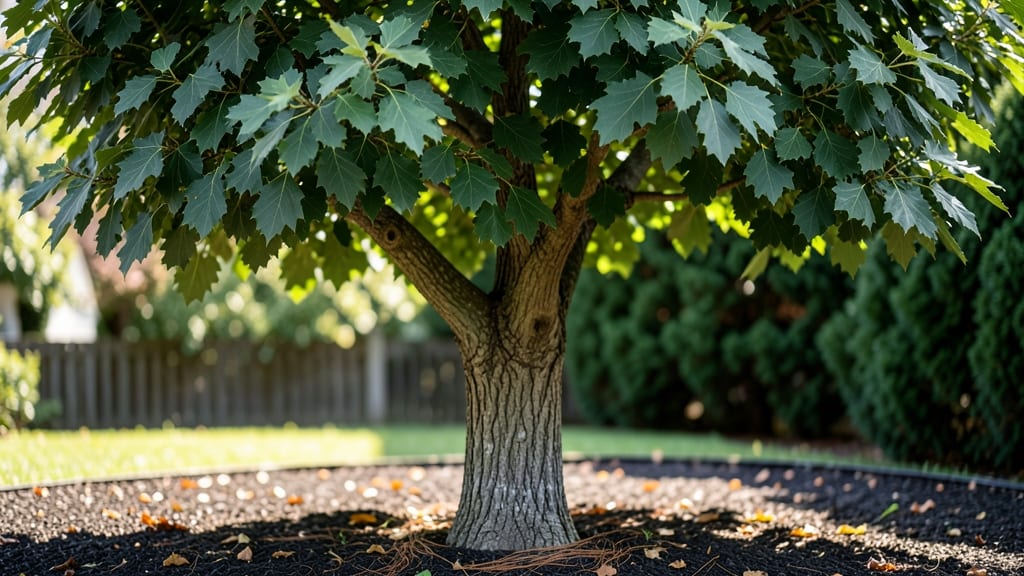
The Illinois elm tree thrives where others fail—its tough bark and deep roots make it the unsung hero of Midwestern landscapes. I planted mine in a wind-scoured yard last spring, and by summer, it had outpaced every other tree in the neighborhood.
The secret isn’t just its cold hardiness; it’s how it bounces back from drought, ice storms, and even urban pollution.
This tree doesn’t demand perfect soil—it grows in rocky clay or sandy loam—but it does need full sun and space to stretch its branches wide. Water deeply the first year to encourage strong roots, then let nature take over.
Prune in late winter to shape it without stressing the tree, and watch it reward you with glossy leaves that stay green until frost. The best part? It resists Dutch elm disease better than its cousins, so you won’t lose it to the beetles.
By year three, your Illinois elm will cast shade over patios, block harsh winds, and even filter air better than many ornamentals. The bark develops a rugged texture that adds character, while the canopy stays dense enough to provide real summer relief.
It’s the tree that works harder than you do—and looks better for it.
Perfect for urban lots, rural homesteads, or anywhere between USDA zones 4 and 9. Whether you’re replacing a failed landscape tree or adding structure to a new yard, this is the one that lasts. Let’s get it growing right.
📚 In This Guide
- What you need
- Instructions
- Tips and common mistakes
- Wrapping up and next steps
What you need
- ● Illinois elm tree seedlings or saplings: Choose Ulmus americana (American elm) or disease-resistant cultivars like 'Valley Forge' or 'New Horizon'. Buy from a reputable nursery (2–5 trees for spacing of 30–50 ft apart).
- ● Soil: Well-draining loamy soil (pH 6.0–7.5).
- ● Compost (1–2 bags per planting hole, 5–10 gallons each) to improve fertility.
- ○ Sand or perlite (optional, for clay-heavy soils; 1–2 buckets per hole).
- ● Mulch: Wood chips or shredded bark (3–4 cubic feet per tree, 2–3 inches deep). Avoid mulch touching the trunk.
- ● Fertilizer: Balanced slow-release fertilizer (10-10-10 or 20-20-20, 1–2 lbs per tree).
- ● Phosphorus-rich fertilizer (e.g., bone meal, ½ lb per hole) for root development.
- ● Watering supplies: Hose with adjustable nozzle or drip irrigation kit (for deep watering).
- ● Watering can (for smaller saplings, 1–2 gallons capacity).
- ● Tools: Shovel or spade (for digging planting holes).
- ● Garden trowel (for loosening soil around roots).
- ● Pruning shears (sterilized, for trimming damaged branches).
- ● Measuring tape (to ensure proper spacing).
- ● Gloves (heavy-duty for digging).
- ● Soil test kit (to check pH and nutrient levels before planting).
- ● Tree stakes & ties (for young saplings in windy areas).
- ● Fungicide (e.g., copper-based spray, for prevention of Dutch elm disease).
- ● Mulch ring or landscape fabric (to keep mulch in place).
- ● Tree guard or wire cage (to protect from deer or rodents).
How to grow Illinois elm trees for maximum cold resistance
These hardy trees thrive in harsh climates—here's how to give them the best start.
Choose the Right Location and Prepare the Soil
Illinois elms need plenty of space to spread their strong roots. Pick a spot with full sun exposure for at least 6 hours daily, but they tolerate partial shade if summers are scorching. Avoid low-lying areas where cold air pools—these trees hate soggy roots.
Test your soil first. Illinois elms prefer well-draining soil with a slightly acidic to neutral pH (6.0-7.5). If your soil is heavy clay, mix in 2-3 inches of compost to improve aeration. Dig a hole twice as wide as the root ball but only as deep—planting too deep suffocates the roots.
Plant at the Correct Time and Depth
Fall is the best time to plant Illinois elms in colder climates—roots establish before winter, giving them a head start. If planting in spring, do it as soon as the ground thaws. Handle the root ball carefully—wrap it in burlap if it's dry to prevent root damage.
Place the tree so the top of the root ball sits 1-2 inches above ground level. This prevents soil from settling and burying the trunk over time. Backfill with native soil (no amendments) and water deeply to eliminate air pockets. A 5-gallon bucket of water should soak the root zone completely.
Water Deeply and Mulch for Winter Protection
Water once a week for the first month, then taper to every 10-14 days once established—unless it rains. Deep watering encourages deep roots, which is key for cold resistance. You'll know it's enough when water drains 6 inches down into the soil.
Spread 3 inches of mulch (wood chips or straw) around the base, keeping it 6 inches away from the trunk. This insulates roots in winter and retains moisture in summer. Replenish mulch annually—it breaks down over time and loses effectiveness.
Prune for Strength and Disease Resistance
Wait until late winter or early spring to prune—never in fall, as this invites disease. Remove dead, crossing, or weak branches first. Then thin the canopy to improve airflow, reducing humidity where fungal spores thrive. Cut back to just outside the branch collar for clean wounds that heal faster.
If your tree shows signs of Dutch elm disease (yellowing leaves, wilting branches), act fast. Remove infected branches 12 inches below the infection and sterilize pruners with rubbing alcohol. Illinois elms are more resistant than other elms, but prevention is still critical.
Monitor and Protect Through the First Winter
Young Illinois elms need extra care in their first winter. Wrap the trunk with tree guard if rabbits or deer are a problem—they love young bark. A lightweight burlap wrap also protects against harsh winds that can dry out the bark.
Watch for ice encasement in winter storms. Gently tap branches to dislodge heavy ice—never break it off, as this can tear bark. By their third winter, most trees develop enough strength to handle Illinois' extremes on their own.
Tips & tricks for perfect Illinois elm tree planting
Here's what nobody tells you about giving these hardy trees the best possible start in harsh climates.
Location is Everything: When selecting your planting spot, pay special attention to those 6 hours of daily sun. Southern exposures get the most sunlight, but avoid west-facing spots where afternoon sun can stress young trees. I've seen Illinois elms planted in partial shade still thrive, but their growth rate slows noticeably—especially in Illinois' hot summers. The key is to balance sun exposure with protection from harsh afternoon winds that can dry out young bark.
Soil Preparation Secret: That 2-3 inches of compost recommendation isn't just about aeration—it's about creating the perfect balance of nutrients. I like to mix in a handful of bone meal when amending heavy clay soil. The phosphorus boost helps establish strong root systems early, which is crucial for cold resistance. Remember, the hole should be twice as wide but only as deep as the root ball—this prevents soil compaction that can strangle young roots.
Planting Depth Matters: The 1-2 inches above ground level guideline might seem small, but it makes all the difference. Too deep and you'll suffocate the roots; too shallow and the tree becomes vulnerable to temperature swings. I use a simple trick: after planting, make a small mound of soil around the base and water it thoroughly. If the soil level drops below the original root ball position, add more soil until you reach that perfect 1-2 inch elevation.
Winter Protection Strategy: That 3 inches of mulch isn't just for looks—it's a critical insulation layer. I recommend using wood chips over straw because they break down more slowly and maintain their insulating properties longer. The key is to keep it 6 inches away from the trunk to prevent moisture buildup that can cause rot. For young trees in their first winter, I double the mulch thickness to 6 inches for extra protection against Illinois' brutal cold snaps.
Pro Tips for Illinois Elm Trees
- Here's what nobody tells you about giving these hardy trees the best possible start in harsh climates.
- Location is Everything: When selecting your planting spot, pay special attention to those 6 hours of daily sun.
- Soil Preparation Secret: That 2-3 inches of compost recommendation isn't just about aeration—it's about creating the perfect balance of nutrients.
Frequently asked questions
Got questions about Illinois elm trees? You’re not alone! Here are some of the most common queries—plus straightforward answers to help you grow strong, resilient trees in your yard.
How cold-hardy are Illinois elm trees compared to other elms?
Illinois elms (Ulmus thomasii) are exceptionally cold-hardy, thriving in USDA zones 3-8. Unlike Dutch elms (susceptible to Dutch elm disease) or American elms (prone to decline), Illinois elms boast natural resistance to pests and diseases, making them ideal for harsh winters and urban environments. Their deep roots also handle drought and compact soil better than many alternatives.
How fast do Illinois elm trees grow, and when can I expect shade?
These trees grow at a moderate pace—12-24 inches per year under ideal conditions. A 10-year-old Illinois elm typically reaches 20-30 feet tall, providing partial shade. For full canopy shade, plan for 15-20 years. Pro tip: Prune young trees to encourage a strong central leader and faster canopy development.
Are Illinois elms invasive, and should I avoid planting them?
Nope! Unlike some fast-growing trees, Illinois elms are not invasive and won’t take over your landscape. They’re native to the Midwest and low-maintenance, with minimal seed spread. However, avoid planting near septic systems—deep roots can cause damage over time. Always check local regulations before planting.
What’s the best time to plant an Illinois elm tree?
For optimal survival, plant in early spring or fall (4-6 weeks before the first frost). This gives roots time to establish before extreme heat or cold. Avoid planting in summer (stress from transplant shock) or winter (frost-heaving risks). Water deeply 1-2 times per week for the first year to encourage root growth.
Do Illinois elms attract pests, and how do I prevent problems?
These trees are naturally pest-resistant, but watch for elm leaf beetles or spider mites in drought conditions. Prevention tips:
- Water deeply during dry spells to deter mites.
- Mulch 3 inches around the base (keep mulch 6” from the trunk) to retain moisture.
- Prune in late winter to remove damaged branches and improve airflow.
Can I grow an Illinois elm in a container or small yard?
While they’re not ideal for containers (they’re large trees—50-70 feet at maturity), you can plant them in small yards with patience. Choose a dwarf cultivar (like ‘Discovery’) if space is tight, or plant near property lines. Warning: Their roots spread 1.5–2 times the canopy width, so avoid planting near sidewalks or foundations.
Wrapping up and next steps
Growing Illinois elm trees is a rewarding way to add resilience and beauty to your landscape—especially in colder climates! 🌳 With their cold-hardy nature and striking bark, these trees thrive with the right care, from proper soil prep to strategic pruning.
Whether you're a seasoned gardener or just starting, their adaptability makes them a fantastic choice for any yard.
Ready to plant your own? Start by choosing a healthy sapling from a trusted nursery, then follow the steps above to give it the best foundation for growth. Soon, you’ll be enjoying the shade and character of a thriving Illinois elm for years to come!