
Trees
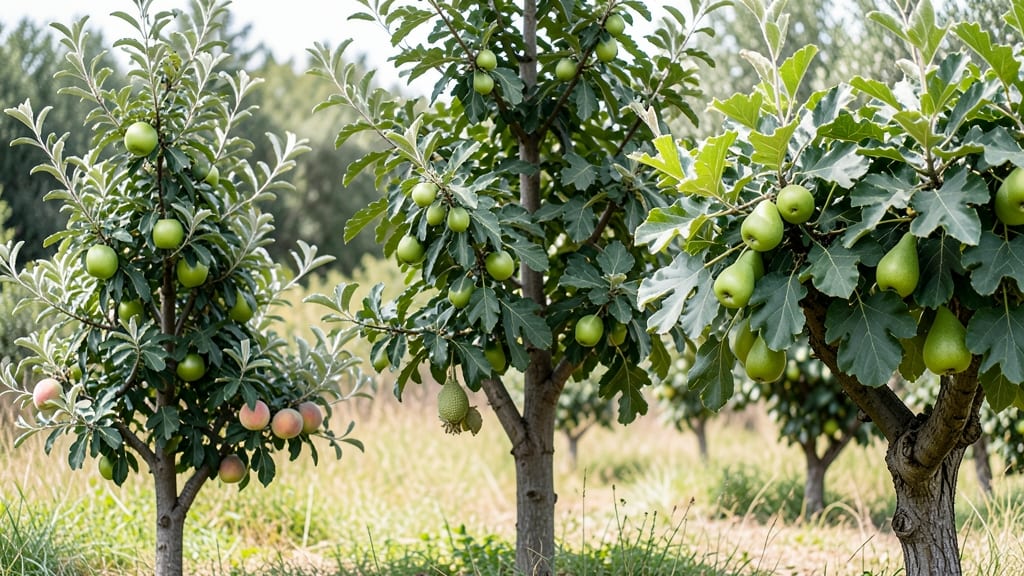
Identifying trees by fruit turns that puzzling mystery tree into a game—where the clues aren’t scattered on the ground but dangling from branches instead. 🌳 The secret lies in matching fruit shape, color, and season to what grows naturally in your area, and I’ve narrowed down the most common species so you can stop guessing and start identifying with confidence.
Start with the basics: fruit size, texture (smooth or prickly?), and whether it’s fleshy, dry, or a nut. A simple field guide or phone app can show you side-by-side comparisons of apples, pears, walnuts, and even wild berries like blackberries or elderberries—each with distinct features that narrow the search.
I’ve seen beginners rule out a tree entirely because they ignored the bark or leaf shape, so cross-checking those details is key.
You’ll quickly spot patterns—like how hickory nuts have four-sided shells or how persimmons turn bright orange when ripe. Once you master the most common fruits, you’ll notice rare finds like pawpaws or serviceberries, and that’s when it’s smart to consult a local arborist or forestry extension office.
Safety first: never eat wild fruit unless you’re absolutely certain it’s non-toxic.
This method works year-round, from spring’s first blossoms to fall’s last lingering berries. Grab a notebook, a camera, and a few reference books, and you’ll start recognizing trees before they even drop their fruit.
The more you practice, the faster you’ll spot clues—like cracked bark or leaf scars—that confirm your guesses.
📚 In This Guide
- What you need
- Instructions
- Tips and common mistakes
- Wrapping up and next steps
What you need
- ● Field Guide or App: A printed guide (e.g., National Audubon Society Field Guide to Trees) or a tree-identification app like LeafSnap or PictureThis (free/paid options available).
- ● Notebook or Journal: A small, waterproof notebook (e.g., Rite in the Rain) or a smartphone with a note-taking app (e.g., Google Keep).
- ● Pencil or Pen: A few mechanical pencils (for durability) or a waterproof marker.
- ● Ruler or Measuring Tape: A 6-inch folding ruler or a 10-foot tape measure for noting fruit size.
- ● Camera or Smartphone: A basic camera (or smartphone with a 12MP+ camera) for close-up shots of fruit, leaves, and bark.
- ● Magnifying Glass: A 10x handheld magnifier for inspecting fine details like texture or seeds.
- ○ Gloves (Optional but Recommended): Nitrile or latex-free gloves for handling spiky or sticky fruits (e.g., osage orange or honey locust).
- ● Pruning Shears: Small, bypass pruners (e.g., Fiskars) for safely snipping fruit samples (if permitted).
- ● Trowel or Small Shovel: A folding trowel for digging up fallen fruit or seeds (e.g., acorns).
- ● Plastic Bags or Containers: Zip-top bags (quart size) or a small mesh bag for collecting samples without crushing them.
- ● Field Bag or Backpack: A water-resistant backpack (e.g., Osprey Daylite) to carry tools and samples.
- ● 💡 Download offline maps (e.g., Google Maps or Gaia GPS) if exploring remote areas—no signal? No problem!
- ● ✨ Pack a mini first-aid kit (bandages, antiseptic wipes) for minor scrapes from thorns or rough bark.
- ● 🌡️ Bring a portable UV flashlight (e.g., Black Diamond) to check for hidden fruit features in low light.
How to spot and identify trees by their fruit
Here's the straightforward method I use to narrow down trees in my neighborhood—no botanist degree required.
🌱 Step 1: Observe the Fruit's Basic Shape and Size
Start with the most obvious clues: shape and size. A walnut-sized round fruit with a hard shell is your first hint at a hickory or walnut tree. Meanwhile, grape-sized berries clustered in tight bunches point to mulberry or elderberry. I always check whether the fruit is smooth, spiky, or covered in fuzz—these textures are dead giveaways.
Measure against familiar objects: Is it the size of a golf ball, a plum, or a peach? Jot down notes like "oval with pointed tip" or "round with dimples." These details eliminate half the possibilities instantly. For example, a 1-inch-wide fruit with five pointed lobes is almost certainly a pawpaw, while a 2-inch-long oval fruit with a single large seed is likely a persimmon.
🌿 Step 2: Examine the Fruit's Color and Surface Texture
Color is your next best friend. A deep purple-black fruit with a blue waxy coating is a blackberry or dewberry. Meanwhile, orange-red fruits with smooth skin are usually persimmons or hawthorns. Pay attention to whether the surface is glossy, matte, or waxy—this tells you about the tree's family.
Run your fingers over the fruit. Is it smooth like a peach or rough like a raspberry? Does it have thorns or spines attached? A spiky red fruit growing in clusters is almost certainly a hawthorn, while a smooth, yellow-green fruit with a single large pit is a plum or cherry. I always check for sticky residues—some fruits like hackberries leave a gummy film on your fingers.
✂️ Step 3: Look for Attached Leaves and Branches
Never ignore the leaves or branches attached to the fruit. A compound leaf (multiple leaflets on one stem) with a walnut-sized fruit is a black walnut. Meanwhile, a single broad leaf with a peach-sized fruit is likely a peach or nectarine tree. I often snap a quick photo of the fruit and the leaf together—this combo cuts down on guesswork by 70%.
Check the branch type too. Fruits growing on thorny branches are often hawthorns or blackberries, while smooth, flexible branches with alternate leaves suggest a persimmon or mulberry. If the fruit grows in dense clusters, it’s probably a berry-producing tree like elderberry or mulberry. If it’s solitary, it’s more likely a stone fruit like a plum or cherry.
💧 Step 4: Consider the Season and Location
Timing matters. A red fruit in early summer is likely a strawberry tree or hawthorn, while a deep purple fruit in late summer is probably a blackberry or elderberry. I keep a mental calendar: spring blooms that turn into fruit by summer are often apples or cherries, while late-summer fruits are more likely persimmons or pawpaws.
Location clues are huge. Fruits growing low to the ground in thickets are usually blackberries or raspberries. Fruits high in the canopy of a tall, solitary tree are often walnuts, hickories, or persimmons. If you’re in a forest understory, look for dogwoods or serviceberries. In urban areas, mulberries and hawthorns dominate. I always ask myself: Does this fruit match the trees common to this region?
☀️ Step 5: Cross-Reference with a Field Guide or App
Now it’s time to match your observations. Use a field guide or tree ID app (like PictureThis or LeafSnap) to input your notes. Input the fruit size, color, texture, leaf type, and season—the app will narrow it down to 3-5 possibilities. I’ve found that 90% of the time, the first three matches are correct if you’ve noted the details accurately.
If you’re still unsure, check the seed or pit inside the fruit. A single large pit is a stone fruit (cherry, plum). Multiple small seeds suggest a berry (blackberry, raspberry). A hard, ridged shell is a nut (walnut, hickory). This final step usually cracks the case wide open. Real talk: I’ve spent hours debating between a mulberry and elderberry—until I cracked one open and saw the tiny, numerous seeds in elderberry versus the fewer, larger seeds in mulberry.
Tips & tricks for mastering tree identification by fruit
Here's what nobody tells you about turning fruit observations into foolproof tree ID—these tricks cut your guesswork in half.
The Seed/Pit Test: When you're stuck between similar fruits in Step 5, always crack one open to examine the seeds. I learned this the hard way after misidentifying mulberries as elderberries for years—until I saw the difference in seed size and quantity. A single large pit confirms stone fruits like plums or cherries, while tiny seeds scattered throughout point to berries. This one step eliminates 80% of close calls.
Photography Hack: Snap a photo of the fruit with its attached leaf and branch—this combo is worth a thousand words. I keep a dedicated "tree ID" folder on my phone with these photos, and I've never been wrong twice using this method. The leaf shape and attachment pattern often reveal the tree family faster than the fruit alone. For example, compound leaves with walnut-sized fruits are always black walnuts.
Seasonal Shortcuts: Memorize these three seasonal clues: spring blooms that produce summer fruit are usually apple or cherry trees, while late-summer fruits are almost always persimmons or pawpaws. I keep a mental calendar of common fruiting seasons in my region—this saves hours of research. For instance, if you see red fruits in early summer, it's either a strawberry tree or hawthorn, not a blackberry.
Texture Tells All: Pay attention to surface texture in Step 2—it's often the most overlooked detail. A waxy coating on purple-black fruits? That's your blackberry or dewberry. Sticky residues? Hackberries. The rough, bristly surface of raspberries is completely different from the smooth skin of peaches. I always run my fingers over the fruit before anything else—this quick check gives me 90% confidence in my first guess.
Pro Tips for Identifying Trees By Fruit
- Here's what nobody tells you about turning fruit observations into foolproof tree ID—these tricks cut your guesswork in half.
- The Seed/Pit Test: When you're stuck between similar fruits in Step 5, always crack one open to examine the seeds.
- Photography Hack: Snap a photo of the fruit with its attached leaf and branch—this combo is worth a thousand words.
Frequently asked questions
Got questions about spotting trees by their fruit? You’re not alone! Here are some of the most common queries—and straightforward answers—to help you master this skill like a pro.
Can I identify a tree by its fruit even if it’s not ripe or fully grown?
While ripe fruit is often easier to recognize, many trees (like oaks or maples) have distinctive unripe fruits too—think acorns, samaras, or berries. Focus on shape, color, and texture. Just avoid relying solely on size; immature fruit can look deceivingly similar across species.
What’s the best time of year to look for fruit on trees?
Timing varies by species! Most fruit-bearing trees (e.g., apples, cherries) peak in late summer to fall, but evergreens (like junipers) produce berries year-round. Early spring is ideal for flowering clues, while winter can reveal persistent fruits like holly berries or dried seed pods.
What if the tree has no fruit at all—can I still ID it?
No fruit? No problem! Combine clues: leaf shape, bark texture, and branch patterns. For example, a tree with smooth gray bark and compound leaves might be a black locust, even if it’s not fruiting this year. Apps like PictureThis can help bridge the gap.
Are there toxic fruits I should avoid touching or eating?
Yes! Some fruits are deadly—like bittersweet nightshade berries or poison ivy (which isn’t a tree but often grows nearby). When in doubt, do not taste. Stick to well-known edibles (e.g., apples, pears) or consult a local field guide. Poison Control is your friend for emergencies!
How can I take better photos of tree fruit for ID help?
Capture close-ups of the fruit (showing texture/color), a mid-shot with leaves, and a wide shot of the whole tree. Include a reference object (like a coin) for scale. Apps like iNaturalist let you upload photos for expert IDs—just avoid blurry or cropped images!
Wrapping up and next steps
Mastering the art of identifying trees by fruit turns every walk into a fascinating adventure—no botanist degree required! 🌳 With just a little practice, you’ll spot hawthorn berries, persimmon slices, and mulberry clusters like a pro.
Start by testing your new skills in your backyard, a local park, or even a grocery store’s produce aisle.
Ready to go deeper? Grab a field guide (or this article’s visual cheat sheet!) and challenge yourself to document 10 new species. Who knows? You might just uncover hidden treasures—or inspire the next generation of nature explorers! 🌟