Trees
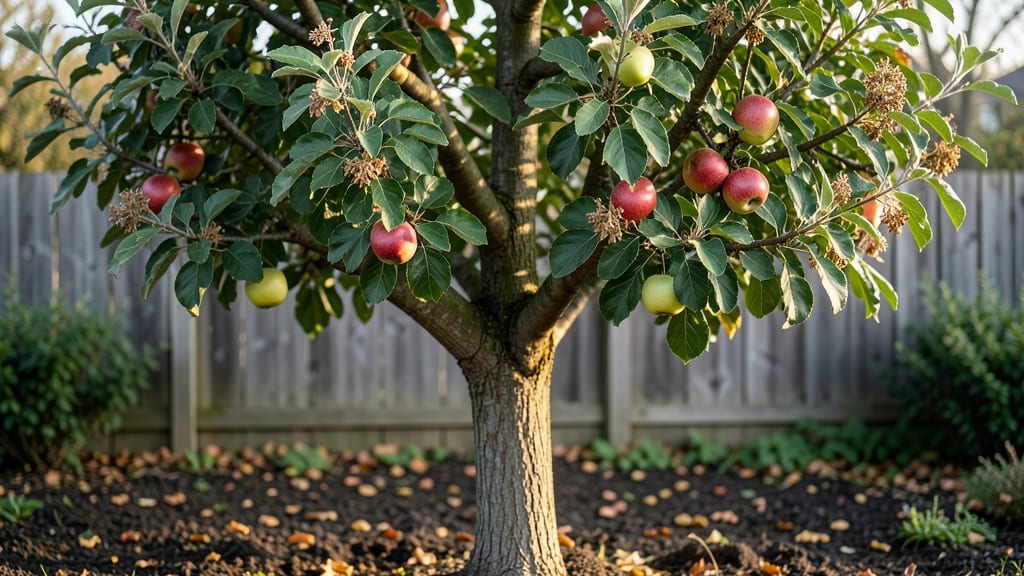
Growing apple trees in Georgia’s steamy summers and humid springs isn’t just possible—it’s rewarding when you pick the right varieties and care for them properly. 🌳 I’ve watched my own trees thrive here by choosing disease-resistant types like ‘Ein Shemer’ or ‘Trops’, which handle Georgia’s heat and pests better than store-bought seedlings ever could.
The key isn’t fighting the climate but working with it.
Start with well-draining soil amended with compost, and plant in late winter when the ground is workable but frost isn’t a threat. Georgia’s long growing season means you can push the limits on varieties, but stick to those bred for heat tolerance.
Mulch heavily to keep roots cool, and water deeply once a week—more during fruit set. Prune in late winter to open the canopy for airflow, which cuts down on fungal diseases like fire blight that plague Georgia orchards.
By summer, you’ll see glossy new leaves and tiny blossoms turning into apples, even in the heat. The trees handle Georgia’s humidity better than you’d expect, and with proper care, you’ll harvest crisp fruit by late September or October.
The real payoff? Fresh apples straight from your yard, not a store shelf. Let’s get those roots in the ground.
This works for both backyard orchards and container-grown trees on patios. Just adjust spacing and support for smaller spaces. Georgia’s unique climate means you’ll need to stay vigilant about pests like codling moths, but the right varieties make it manageable. Ready to grow your own apples?
📚 In This Guide
- What you need
- Instructions
- Tips and common mistakes
- Wrapping up and next steps
What you need
- ● Apple tree varieties: 2–5 disease-resistant varieties (e.g., 'Anna', 'Ein Shemer', or 'JonaGold') for cross-pollination. Choose dwarf or semi-dwarf (6–10 ft) for easier maintenance.
- ● Soil amendments: 50 lbs compost or well-rotted manure per tree
- ● 1 lb lime (if soil pH is <6.0)
- ● 10–20 lbs organic matter (e.g., leaf mold or peat moss)
- ● Fertilizer: Slow-release 10-10-10 or organic fertilizer (e.g., alfalfa meal) at planting and annually.
- ● Mulch: 3–4 inches of wood chips or pine straw (keep 6" away from trunk).
- ● Drip irrigation system or soaker hoses (Georgia’s heat demands consistent moisture!).
- ● Pest/disease control: Copper fungicide (for fire blight)
- ● Neem oil or horticultural oil (for mites/scale)
- ● Pheromone traps (for codling moths)
- ● Planting: Shovel or tree spade
- ● Post-hole digger (for support stakes)
- ● Wheelbarrow (for soil/amendments)
- ● Pruning: Bypass pruners (sharp, bypass-action)
- ● Loppers (for thicker branches)
- ● Saw (for large limbs)
- ● Support: 3–4 T-posts or concrete stakes per tree (for young trees)
- ● Tree ties or soft garden twine
- ● Safety: Gloves, long sleeves, and eye protection (for thorny varieties like 'Dorsett Golden').
- ● Soil test kit ($20–$30) – Georgia’s clay-heavy soil often needs adjustments!
- ● Tree guards (plastic or metal) to protect trunks from deer/rodents.
- ● Apple tree sprayer (for targeted fungicide/pesticide applications).
- ● Shade cloth (30–50%) for young trees during extreme heat.
- ● Pollination aids: Bee houses or native bee-friendly plants (e.g., clover).
How to plant and care for apple trees in Georgia’s climate
Here’s the straightforward approach I’ve used to grow healthy apple trees in Georgia’s humid summers.
🌱 Step 1: Choose the Right Varieties for Georgia’s Heat
Georgia’s hot, humid summers demand apple varieties that handle heat and resist common pests like fire blight or codling moths. I always pick ‘Anna’, ‘Ein Shemer’, or ‘GoldRush’—these thrive in our USDA Zone 7-8 without needing constant spraying. Check with your local extension office for varieties tested in your county.
Look for dwarf or semi-dwarf rootstock if space is limited—these stay manageable while still producing full-sized fruit. Avoid standard rootstock unless you have plenty of room, as they can grow 20+ feet tall. Young trees arrive bare-root in winter or potted in spring; plant them as soon as possible after delivery.
🪴 Step 2: Plant in Well-Draining Soil with Full Sun
Choose a spot with at least 6 hours of direct sun daily—apple trees need full sun to ripen fruit properly. Avoid low areas where water pools after rain, as soggy soil leads to root rot. Test your soil’s pH (aim for 6.0-6.5) and amend with compost or aged manure if needed to improve fertility.
Dig a hole twice as wide as the root ball but no deeper—planting too deep suffocates roots. Loosen the roots gently if they’re circling and spread them outward in the hole. Backfill with native soil (not amended mix) to avoid disturbing the roots, then water deeply to settle everything. Mulch with 3 inches of wood chips, keeping it 6 inches away from the trunk to prevent rot.
💧 Step 3: Water Deeply and Mulch for Summer Survival
Water deeply once a week during the first growing season, soaking the soil 12-18 inches down. Young trees need consistent moisture, but avoid overhead watering—it spreads fungal diseases. Use a soaker hose or drip irrigation to deliver water at the base. You’ll know it’s enough when the soil feels moist 6 inches down but not soggy.
Mulch annually in late winter to retain moisture and regulate soil temperature. Replenish wood chips to maintain 3 inches of coverage, but never pile mulch against the trunk. This prevents pests and disease while keeping roots cool in summer. Prune in late winter (before buds swell) to remove dead wood and shape the tree—focus on opening the center for airflow.
☀️ Step 4: Protect Against Georgia’s Top Pests and Diseases
Georgia’s heat and humidity create perfect conditions for fire blight and apple scab, so I start with copper fungicide sprays in early spring before buds open. Thin fruit in late spring to 6-8 inches apart—this prevents overcrowding, improves fruit size, and reduces pest pressure. Remove any mummified apples left on the tree after harvest to stop disease spread.
Watch for codling moths (their larvae tunnel into fruit) and aphids (they distort leaves). Use row covers for young trees or apply neem oil as a preventive spray every 2 weeks during peak season. Prune out any suckers or water sprouts immediately—they drain energy from fruit production. A reflective mulch disk around the trunk can deter pests like voles in winter.
⏰ Step 5: Harvest and Winterize for Long-Term Success
Harvest apples when they easily pull from the tree and have developed full color. Georgia varieties like ‘Anna’ ripen in late summer to early fall, so check weekly. Store ripe fruit in a cool (32-40°F), humid (90-95%) environment—an unheated garage or root cellar works well. Most varieties keep 2-3 months this way.
Before winter, apply 2-3 inches of mulch and wrap the trunk with tree guard if you’re in a cold pocket of Georgia (Zone 7b). Prune again in late winter to remove any dead or crossing branches. Feed with balanced fertilizer (10-10-10) in early spring only—too much nitrogen later in the season encourages late growth that won’t harden off before winter.
Tips & tricks for perfect apple trees in Georgia's climate
Here's what I've learned after years of growing apple trees in Georgia's challenging conditions—these tricks make all the difference.
Variety Selection: When choosing between ‘Anna’, ‘Ein Shemer’, or ‘GoldRush’, consider your specific microclimate. ‘Anna’ handles heat exceptionally well and produces fruit with minimal care, making it my top recommendation for beginners. If you're in a slightly cooler pocket of Georgia (Zone 7b), ‘Ein Shemer’ offers excellent flavor with good heat tolerance. Always verify with your local extension office—they test varieties for your specific county's conditions.
Planting Depth: The hole should be twice as wide as the root ball but no deeper than the root flare—this is critical for preventing root suffocation. I've seen many new growers plant too deep, which can lead to poor growth or even tree death. After planting, gently press the soil around the roots to remove air pockets, then water deeply to settle everything. This step ensures proper root establishment right from the start.
Watering Strategy: Georgia's heat demands consistent moisture, but timing matters just as much as quantity. Water deeply once a week during the first growing season, focusing on the root zone rather than the leaves. I use a soaker hose set on a timer for 2 hours to ensure thorough saturation. This method prevents fungal diseases that thrive in overhead watering while maintaining the ideal soil moisture of 6 inches down.
Pest Prevention: The 2-week neem oil spray schedule during peak season is non-negotiable in our climate. I also recommend applying reflective mulch disks around the trunk in winter to deter voles and other pests. For codling moth control, consider hanging pheromone traps in early spring—they disrupt mating cycles before eggs are laid. This proactive approach saves countless hours of treatment later.
Pro Tips for Apple Trees In Georgia
- Here's what I've learned after years of growing apple trees in Georgia's challenging conditions—these tricks make all the difference.
- Variety Selection: When choosing between ‘Anna’, ‘Ein Shemer’, or ‘GoldRush’, consider your specific microclimate.
- Planting Depth: The hole should be twice as wide as the root ball but no deeper than the root flare—this is critical for preventing root suffocation.
Frequently asked questions
Got questions about growing apple trees in Georgia’s unique climate? You’re not alone! Here are some of the most common concerns—and straightforward answers—to help you get started with confidence.
What are the best apple tree varieties for Georgia’s hot, humid climate?
Opt for heat-tolerant, disease-resistant varieties like Anna, Ein Shemer, or Dorsett Golden. These thrive in Georgia’s conditions and produce sweet, flavorful fruit. Dwarf varieties (e.g., Columnar or Semi-Dwarf) are also great for small spaces!
When is the ideal time to plant apple trees in Georgia?
Late winter or early spring (February–March) is best, while trees are dormant but before pests wake up. Avoid planting in summer’s heat or during Georgia’s rainy season (April–June) to prevent root rot. Pro tip: Bare-root trees can be planted slightly later than container-grown ones!
How do I protect my apple trees from pests and diseases common in Georgia?
Georgia’s humidity loves fungal diseases like apple scab and fire blight. Prevent with:
- Regular pruning for airflow
- Fungicide sprays (copper-based or organic options like neem oil)
- Resistant varieties (e.g., Liberty or Enterprise)
- Mulching to reduce soil splashing
Can apple trees survive Georgia’s summers without extra watering?
While apple trees are drought-tolerant once established, Georgia’s heat demands consistent moisture during the first 2 years. Water deeply 1–2 times per week (more in extreme heat) and mulch heavily to retain soil moisture. Avoid overhead watering to prevent fungal issues.
Do I need a second apple tree for pollination, or can one tree produce fruit?
Most apple trees are self-pollinating, but a second tree (even a different variety) nearby boosts fruit production and variety. For Georgia, pair Anna (self-pollinating) with Dorsett Golden for cross-pollination benefits. Bees love Georgia’s flowers—just ensure trees bloom at similar times!
What’s the fastest way to troubleshoot yellow leaves on my Georgia apple tree?
Yellow leaves often signal overwatering, nutrient deficiency, or disease. Check:
- Soil: Too wet? Improve drainage. Too dry? Water deeply.
- Nutrients: Test soil for nitrogen (use organic compost or fertilizer).
- Pests/Disease: Look for spots (fungus) or curled leaves (mites). Prune affected branches and treat as needed.
Wrapping up and next steps
Growing apple trees in Georgia’s warm, humid climate is absolutely doable—especially with the right varieties and a little know-how! 🌳 From pest-resistant picks like the Dorsett Golden to smart planting strategies, you’re now equipped to cultivate thriving orchards (or even just a backyard tree).
Ready to take the next step? Start by selecting your trees from a trusted nursery, then mark your calendar for fall planting—Georgia’s ideal season. Whether you’re dreaming of fresh cider or just the joy of watching your tree grow, your apple orchard adventure begins now! 🍏✨