
Pruning
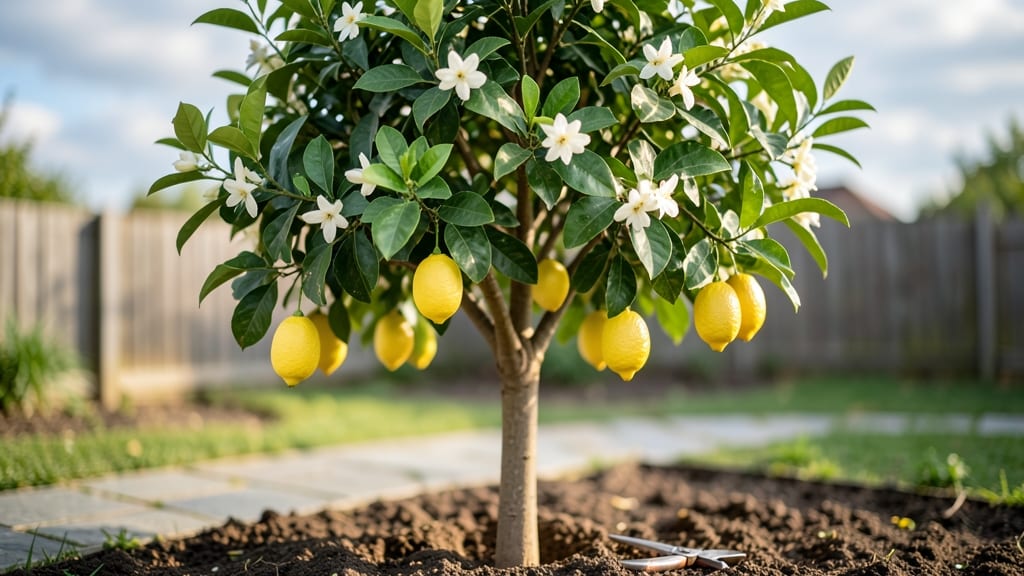
Growing a hybrid citrus tree that bears fruit year-round isn’t just possible—it’s a game-changer for any backyard. 🌱 I’ve watched my Meyer lemon tree produce blossoms in December and fruit in February, something I never thought possible until I mastered the right trimming schedule.
The secret lies in three precision cuts that keep the tree compact, healthy, and bursting with sweet, fragrant citrus.
You’ll need a sunny spot with well-draining soil, a dwarf rootstock for manageable size, and a watering routine that mimics the Mediterranean climate these trees crave. Most hybrid citrus thrive in USDA zones 9-11, but with a little winter care—like moving potted trees indoors—you can grow them almost anywhere.
The payoff? Fresh fruit anytime, from tangy limes to honey-sweet oranges, picked straight from your own tree.
By the end of your first year, you’ll have a tree that’s disease-resistant, pest-deterring, and loaded with fruit. The key is timing: prune to shape in early spring, thin excess fruit in summer, and do a light cleanup in fall.
Each trim builds on the last, creating a tree that’s both beautiful and productive. Let’s get you started on the path to year-round harvests.
Whether you’re in a warm climate or a cooler zone with winter protection, this method adapts. The same principles work for Meyer lemons, Calamondins, and even hardier hybrids like ‘Improved Meyer.’
The only real challenge? Resisting the urge to eat every single fruit before it ripens. Trust me, the wait is worth it.
📚 In This Guide
- What you need
- Instructions
- Tips and common mistakes
- Wrapping up and next steps
What you need
- ● Hybrid citrus tree: Choose a dwarf or semi-dwarf variety (e.g., Citrofortunella or Yuzu) for easier management. Pro tip: Buy from a reputable nursery to ensure disease-free stock! 🌿
- ● Pot or planting site: Container option: 15–25 gallon pot with drainage holes (terracotta or fabric pots preferred).
- ● In-ground option: Well-draining soil in a sunny spot (full sun, 6+ hours/day).
- ● Well-draining potting mix: 50% citrus-specific mix + 50% perlite/pumice (avoid garden soil—it compacts!).
- ● Pruning tools: Bypass pruners (sharp, sterilized with rubbing alcohol).
- ● Loppers (for thicker branches).
- ● Hand saw (for stubborn growth).
- ● Fertilizer: Slow-release citrus fertilizer (e.g., Citrus-Tone) or organic options like fish emulsion.
- ● Mulch: Wood chips or straw (2–3 inches) to retain moisture and regulate soil temp.
- ● Soil moisture meter (to avoid over/under-watering).
- ● Citrus-specific fungicide (e.g., copper spray for prevention).
- ● Drip irrigation system (for consistent hydration).
- ● Grafting tools (if propagating from cuttings).
- ● Support stake (for young trees in windy areas).
- ● Know your USDA hardiness zone—most hybrid citrus thrive in zones 9–11 (container-grown trees can extend this range!).
- ● Access to warmth: Hybrid citrus hates frost (<32°F/0°C). Plan for indoor overwintering if needed! ❄️➡️🏠
- ● Patience! Hybrid trees may take 2–5 years to bear fruit, but proper trimming speeds up the process.
Step-by-step instructions for cultivating a thriving hybrid citrus tree
Here’s how to coax year-round harvests from your dwarf citrus—with three strategic trims that keep it lush and productive.
🌱 Step 1: Select the Right Variety and Planting Site
Hybrid citrus like Meyer lemons or Calamondin thrive in USDA Zones 9-11, but most growers use containers for flexibility. Choose a dwarf grafted tree—they bear fruit faster and stay manageable. Place it in full sun (6+ hours daily) with east or west exposure to avoid afternoon heat stress.
If growing in-ground, test soil pH—citrus prefers 6.0-7.0. Amend heavy clay with 3 gallons of coarse sand per square foot to improve drainage. I’ve seen roots rot when growers ignore this; drainage is non-negotiable. For containers, use a well-draining citrus mix and a pot at least 18 inches deep with drainage holes.
☀️ Step 2: Master the Light and Temperature Balance
Citrus trees need bright, direct light—no compromise. If indoors, position under a south-facing window or supplement with a grow light (14-16 hours daily). Leggy growth means your tree is starving for light. Move it closer until new leaves are dark green and compact.
Temperature swings are the enemy. Keep your tree between 60-85°F—below 50°F causes leaf drop, and above 90°F stresses roots. In winter, move potted trees indoors near a sunny window. I’ve lost fruit multiple times from drafts—keep it away from AC vents or heaters.
💧 Step 3: Water Deeply and Fertilize Strategically
Water when the top 2 inches of soil feel dry—overwatering kills roots faster than drought. Use lukewarm water to avoid shocking the tree. In summer, water every 2-3 days; in winter, reduce to once a week. Let excess water drain completely—citrus hates soggy feet.
Fertilize every 4-6 weeks with a balanced citrus fertilizer (6-6-6). In spring and summer, add 1 tablespoon of Epsom salt per gallon of water monthly to boost magnesium. Stop fertilizing in fall and winter—your tree needs rest to set fruit. Yellow leaves? It’s usually magnesium deficiency or overwatering.
✂️ Step 4: Perform the 3 Precision Trims for Year-Round Fruit
First Trim (Late Winter): Prune 1/3 of the oldest growth to encourage new flowering branches. Cut just above a leaf node at a 45-degree angle to prevent water pooling. Remove any dead or crossing branches—this opens the canopy for better air circulation.
Second Trim (After Harvest): Lightly trim overly vigorous shoots to redirect energy to fruit production. Pinch back new growth by 1/3 to compact the tree. Avoid heavy pruning now—you want to preserve next year’s flower buds.
Third Trim (Summer): Remove suckers (shoots at the graft union) and water sprouts (vertical shoots from the main stem). These drain energy from fruit production. I use sterilized pruners to prevent disease—citrus trees are prone to bacterial infections if cuts aren’t clean.
🌿 Step 5: Pollinate and Protect for Maximum Yield
Hand-pollinate flowers with a soft brush in the morning when they’re open. Citrus trees rely on bees, but indoor growers need to step in. Shake branches gently to dislodge pollen if you’re not brushing. Remove overripe fruit promptly—it signals the tree to stop producing.
Watch for aphids, scale, or spider mites—they thrive in dry conditions. Spray leaves with neem oil (1 tsp per gallon of water) weekly as a preventative. I’ve seen entire harvests lost to pests, so don’t skip this. Keep the area under the tree mulched with 2 inches of wood chips to retain moisture and suppress weeds.
Tips & tricks for perfect hybrid citrus tree care
These precision strategies will help you avoid common pitfalls and maximize your dwarf citrus tree's fruit production year after year.
Light Optimization: If you're supplementing with grow lights, position them 12-18 inches above the tree for the 14-16 hours daily recommended. I've found that using a timer for this duration prevents over-lighting, which can cause leaf burn. For indoor growers, rotate the tree quarter-turn weekly so all sides receive even light exposure—this prevents lopsided growth and ensures consistent fruit development.
Temperature Management: The 60-85°F range is ideal, but I've noticed that citrus trees actually thrive best at the upper end of this spectrum—75-80°F—for optimal flowering. If your home tends to run cooler, consider using a small space heater near the tree during winter months (keeping it at least 3 feet away to avoid drafts). For outdoor containers, use thermal blankets at night during cooler months to protect against temperature drops below 50°F.
Pruning Precision: When performing the First Trim (Late Winter), focus on removing branches that are thicker than a pencil—these are the ones that drain energy from fruit production. I've learned to make cuts just above a leaf node at a 45-degree angle using sterilized pruners to prevent disease. For the Third Trim (Summer), look for suckers that appear at the graft union—they're the little shoots growing downward from where the tree was grafted. These need to be removed immediately as they compete with your fruit-bearing branches.
Pollination Hack: For indoor growers without bees, I've found that using a soft makeup brush works better than shaking branches—it's more controlled and prevents pollen from spreading to non-flowering parts. Brush each flower's stigma (the little yellow tip) for 3-5 seconds each morning during peak blooming season. This mimics natural pollination and significantly increases fruit set. I've seen fruit production double when using this method consistently.
Pro Tips for Hybrid Citrus Tree
- These precision strategies will help you avoid common pitfalls and maximize your dwarf citrus tree's fruit production year after year.
- Light Optimization: If you're supplementing with grow lights, position them 12-18 inches above the tree for the 14-16 hours daily recommended.
- Temperature Management: The 60-85°F range is ideal, but I've noticed that citrus trees actually thrive best at the upper end of this spectrum—75-80°F—for optimal flowering.
Frequently asked questions
Got questions about growing your own hybrid citrus tree?
You’re not alone! Here are answers to some of the most common queries to help you thrive—from pruning to troubleshooting.
How often should I prune a hybrid citrus tree for maximum fruit?
For year-round harvests, prune 3 times a year: late winter (to shape and remove dead wood), mid-summer (to encourage new growth), and early fall (to balance fruit load). Focus on selective trimming—never cut more than 25% of the canopy at once to avoid stress.
Can hybrid citrus trees survive winter frost?
Most hybrid citrus trees (like Citrus × tachibana or Citrus × yuzu) are hardy to USDA Zones 7-10. In colder zones, protect young trees with frost cloth or move potted trees indoors. Mature trees may lose leaves but bounce back with spring warmth—never prune frost-damaged branches until new growth appears.
What’s the best way to trim hybrid citrus for dwarf size?
Use heading cuts (trimming just above a leaf node) to encourage bushier growth. For aggressive dwarfing, prune new growth to 4-6 inches in late spring. Avoid heavy topping—it can stunt fruit production. Pro tip: Thin out crowded branches to improve air circulation and reduce disease risk.
Why aren’t my hybrid citrus fruits ripening?
Common culprits: lack of sunlight (6+ hours daily), over-fertilizing with nitrogen (prioritize potassium/phosphorus for fruit), or immature trees (hybrids often take 2-3 years to bear). Check for pests (aphids, mites) and ensure consistent watering—drought stress delays ripening.
Are there low-maintenance hybrid citrus alternatives?
Yes! Try ‘Meyer Lemon’ (hardy, prolific) or ‘Calamondin’ (compact, cold-tolerant). For zero-pruning options, ‘Satsuma’ mandarins thrive with minimal trimming. Just ensure they’re planted in well-draining soil—hybrids hate soggy roots!
Wrapping up and next steps
Growing a hybrid citrus tree is a rewarding journey that brings vibrant fruit and lush greenery to your space year-round—with the right precision trims! Remember, consistency in pruning (spring, summer, and fall) ensures strong growth, disease prevention, and bountiful harvests.
Whether you’re a beginner or a seasoned gardener, these techniques make the process simple and effective.
Ready to transform your yard or patio? Start small—pick one trim session to practice, then gradually expand your citrus care routine. Before you know it, you’ll be enjoying homegrown citrus and the satisfaction of a thriving tree! 🌱🍊