
Pruning
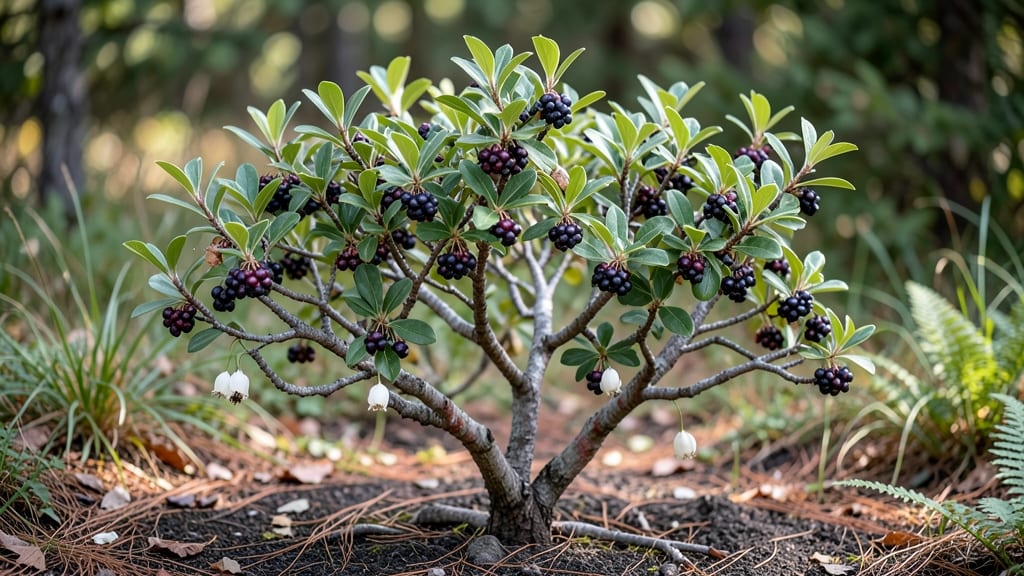
Growing huckleberries—those deep blue-black jewels of the forest floor—starts with understanding whether you're dealing with a tree or bush variety. 🌿 I’ve wrestled with both in my Zone 5 garden, and the key to maximizing harvests lies in pruning at the right times, not just when the branches look messy.
The difference between a handful of berries and a bucketful often comes down to a few strategic cuts made in the off-season.
Huckleberries thrive in acidic, well-draining soil and partial shade, but their growth habits vary wildly. Trees like Vaccinium arboreum can reach 20 feet, while bush varieties like Vaccinium virgatum stay compact. Both need consistent moisture—think of them like a thirsty friend who hates soggy feet.
The real secret? Pruning isn’t just about shaping; it’s about encouraging next year’s fruit buds to form now, while the plant is dormant.
By following a cold-hardy pruning calendar, you’ll coax your huckleberries into producing berries from early summer through fall. Start with late winter cuts to remove dead wood, then fine-tune in early spring to open the canopy for sunlight.
The payoff? A bush that bursts with glossy, tart-sweet berries—so much better than store-bought, and with none of the fuss of wild foraging.
Whether you’re working with a sprawling tree or a tidy bush, the same principles apply. We’ll cover when to prune, what tools to use, and how to spot the subtle signs your plant is begging for a trim. No green thumb required—just patience and a sharp pair of shears.
📚 In This Guide
- What you need
- Instructions
- Tips and common mistakes
- Wrapping up and next steps
What you need
- ● Pruning shears: Bypass pruners (sharp, 6-8" blades) for clean cuts on smaller branches.
- ● Loppers: 8-10" bypass loppers for thicker stems (up to 1.5" diameter).
- ● Pruning saw: Curved-tooth saw for branches >1.5" thick (avoid crushing bark!).
- ● Gloves: Heavy-duty, cut-resistant gloves (huckleberries have thorns!).
- ● Disinfectant: 70% isopropyl alcohol or 10% bleach solution (1 part bleach to 9 parts water) to sterilize tools between cuts.
- ○ Pruning sealant: Optional but helpful for larger wounds (use a tree-specific sealant like Tanglefoot Tree Wound Pruning Seal).
- ● Marking twine or flags: For tagging branches to prune later (e.g., deadwood or suckers).
- ● Wheelbarrow or bucket: For collecting pruned branches (compost or mulch them!).
- ○ Winter (Dormant Season): Handheld heat gun or blowtorch (optional, for sterilizing tools in freezing temps).
- ● Thermal gloves (if working in sub-freezing conditions).
- ● Spring/Summer (Active Growth): Hose with nozzle (for rinsing tools post-pruning).
- ● Fertilizer (balanced 10-10-10 or organic compost) if revitalizing the bush.
- ● 🔥 Sharpen your tools! Dull blades tear bark—huckleberries heal slower with jagged cuts.
- ● ✨ Work with the weather: Prune on a dry day (wet branches = higher disease risk).
- ● 🌡️ Timing matters: Avoid pruning during peak fruit production (late summer) to protect next year’s harvest.
Step-by-step guide to pruning huckleberry trees and bushes for maximum yield
Pruning huckleberries isn't just about shaping—it's about unlocking bigger harvests and healthier plants.
✂️ Step 1: Late Winter Pruning (Before Bud Break)
Start your pruning in late winter when the plant is still dormant but just as buds begin to swell. This is the best time to remove dead, diseased, or crossing branches. I always use sterilized pruners to prevent spreading any potential infections—just wipe the blades with rubbing alcohol between cuts.
Focus on branches that are thinner than a pencil or growing inward toward the center of the plant. These compete for sunlight and nutrients, reducing your harvest. Make your cuts at a 45-degree angle just above an outward-facing bud to encourage healthy growth. You'll know you're doing it right when the cut surface looks clean and the bud is clearly visible.
✂️ Step 2: Summer Light Pruning (After Harvest)
Once the main harvest is done, usually in late summer, it's time for a second round of pruning. This isn't about removing large branches—just giving your huckleberry a little trim to improve airflow and sunlight penetration. I like to do this on a dry, sunny day when the plant is actively growing.
Look for any suckers (those fast-growing, weak stems at the base) and remove them completely. These drain energy from your main plant. You can also lightly prune any branches that are rubbing against each other—this prevents future damage and disease. Keep your cuts small and precise; you don't want to stress the plant too much in the heat.
✂️ Step 3: Fall Cleanup (Preparing for Winter)
In early fall, before the first hard frost, do a final walkthrough of your huckleberry bushes. This is when you remove any remaining dead or damaged wood that might have missed your winter pruning. It's also a great time to thin out any overly dense areas that didn't get enough light during the growing season.
I always rake up and dispose of any fallen leaves or debris around the base of the plant. This helps prevent fungal diseases from overwintering. If you notice any branches with signs of huckleberry decline (like dieback or unusual leaf spots), prune those out immediately and consider treating the plant with a copper fungicide if needed.
⏰ Step 4: Annual Maintenance (Year-Round Checks)
Huckleberries don't need constant pruning, but a quick check every 4-6 weeks during the growing season helps keep them healthy. Watch for any new growth that might be shading out the center of the plant and trim it back if needed. This ensures your entire bush gets enough light for fruit production.
Here's the thing—huckleberries are tough, but they respond best to gentle, strategic pruning. Over-pruning can stress the plant and reduce next year's harvest. If you're ever unsure, just remember: less is more. A well-pruned huckleberry will reward you with bigger berries and more abundant yields for years to come.
Tips & tricks for pruning huckleberry trees and bushes
A few strategic tweaks can transform your pruning routine from basic maintenance to a harvest-boosting power move.
Timing is Everything: Late winter pruning—when buds begin to swell—is your golden window. This precise timing prevents stressing the plant while it's still dormant. I've seen huckleberries that were pruned too early (before buds swelled) struggle to recover, while those pruned at the right moment thrived. Mark your calendar for that late winter date when you notice those first tiny buds.
Cutting Technique Matters: That 45-degree angle isn't just for show—it's about directing water runoff away from the cut. When you make clean cuts just above outward-facing buds, you're essentially telling the plant where to grow next. I learned this the hard way when my first cuts left jagged edges that collected moisture and led to infections. Always use sharp, sterilized pruners to make these precise cuts.
Seasonal Pruning Strategy: The summer light pruning might seem minor, but it's where you prevent future problems. Those suckers at the base? They're energy vampires. Remove them completely down to the ground—no half-measures. And when you're thinning branches, aim for 20-30% reduction in density. This might sound counterintuitive, but less is more when it comes to huckleberries. The goal is better airflow, not more open space.
Disease Prevention: Fall cleanup is your insurance policy against winter problems. Raking up fallen leaves isn't just tidying up—it's removing potential fungal spores that could overwinter and infect your plant. I've seen huckleberry decline spread rapidly when this step was skipped. If you notice any suspicious spots, don't hesitate to use copper fungicide. It's better to treat early than to lose a productive branch.
Pro Tips for Huckleberry Tree Or Bush
- A few strategic tweaks can transform your pruning routine from basic maintenance to a harvest-boosting power move.
- Timing is Everything: Late winter pruning—when buds begin to swell—is your golden window.
- Cutting Technique Matters: That 45-degree angle isn't just for show—it's about directing water runoff away from the cut.
Frequently asked questions
Got questions about pruning your huckleberry tree or bush for the best harvest?
Here are answers to the most common ones—so you can keep your plant thriving year-round!
When is the best time to prune huckleberries?
Prune huckleberries in late winter or early spring (before new growth starts) to avoid stressing the plant. If you need to shape or remove dead wood mid-season, do it right after harvest to allow time for healing before winter. Avoid pruning in fall—it can encourage tender new growth that won’t survive frost!
Can I prune huckleberries in cold climates?
Huckleberries are cold-hardy, but prune when temps are above freezing (ideally 40°F+). In harsh winters, wait until late winter when snow cover has melted. Use sharp tools to make clean cuts—this minimizes stress and helps the plant recover faster in chilly conditions.
How much should I prune huckleberries each year?
Remove 10–20% of the oldest wood annually to encourage new, productive growth. Focus on:
- Dead or diseased branches (cut at the base).
- Crossing or rubbing branches (to prevent damage).
- Overcrowded stems (thin to 3–5 strong canes per plant).
What if I missed the winter pruning window?
Don’t panic! Light pruning (removing only dead or damaged wood) can be done anytime. If you skipped winter pruning entirely, focus on summer shaping—just avoid heavy cuts. Next year, reset your schedule to late winter for optimal results.
Are there alternatives to pruning huckleberries?
While pruning is key for harvests, you can minimize work by:
- Mulching heavily in winter to protect roots.
- Watering deeply during droughts (but avoid overwatering).
- Fertilizing lightly in spring (use compost or balanced 10-10-10).
Pro Tip:
Use disinfectant (70% rubbing alcohol) to clean pruning tools between cuts—this prevents spreading disease in your huckleberry patch!
Wrapping up and next steps
Mastering the huckleberry tree or bush pruning calendar unlocks year-round harvests and healthier plants—what a rewarding journey! 🌿 Whether you're a seasoned gardener or just starting, your dedication to proper pruning ensures vibrant growth and bountiful berries.
Now’s the perfect time to put your newfound knowledge into action—grab your tools, step outside, and give those branches the care they deserve. Happy pruning, and may your huckleberry harvests be plentiful! 🍇