
Pruning
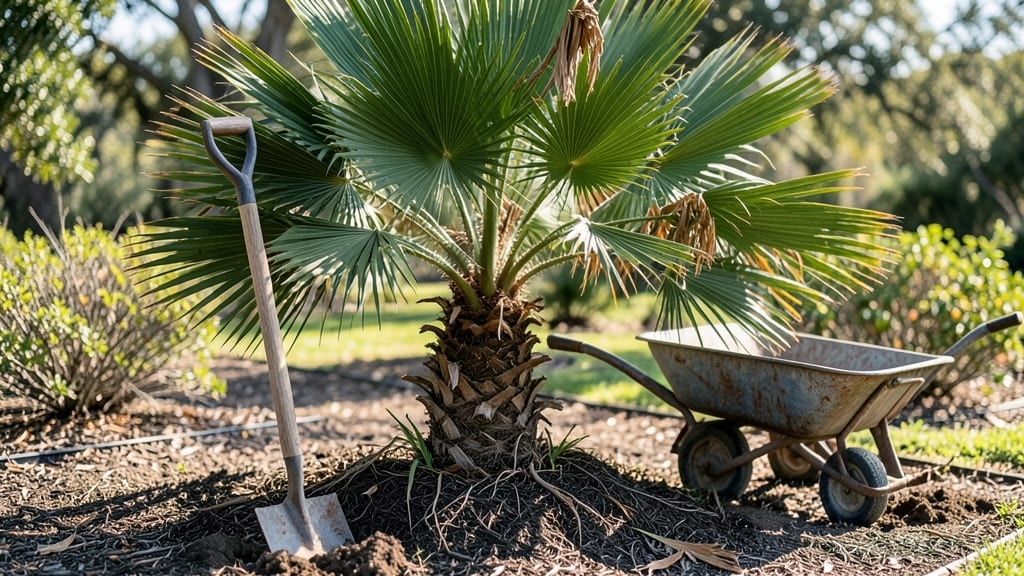
Uprooting a palm tree isn’t just about brute strength—it’s about strategy, timing, and respecting the stubborn roots beneath. I’ve wrestled with these giants in Florida’s clay soil, and the difference between a smooth removal and a three-day nightmare comes down to preparation.
The roots spread wider than the canopy, so rushing leads to snapped shovels and frustrated sighs.
You’ll need a heavy-duty shovel, a pruning saw for thick roots, work gloves, and a wheelbarrow for debris—plus a buddy to help with leverage. Timing matters too: dig after rain when the soil is soft, or in late fall when the tree’s growth slows.
Skipping this step means fighting dry, cracked earth that turns every root into a stubborn anchor.
Once you’re in, the goal is to expose the root ball cleanly without tearing it apart. Cut through major roots with the saw, then rock the tree back and forth while digging underneath.
You’ll know you’re close when the soil gives way with a satisfying whoosh—and suddenly, that 30-foot-tall palm tilts like a toppling Jenga block.
The real test comes after: fill the hole, level the ground, and water thoroughly to settle the soil. Left unattended, a fresh palm hole becomes a muddy crater that invites weeds.
But with the right cleanup, your yard will look like it never had a tree there at all—just a little scar tissue and a story to tell.
📚 In This Guide
- What you need
- Instructions
- Tips and common mistakes
- Wrapping up and next steps
What you need
- ● Heavy-duty shovel or mattock – A 16–24-inch digging spade (or a mattock for stubborn roots) is a must. Look for a sturdy, reinforced head to handle palm roots.
- ● Root saw or chainsaw – For thick roots (3+ inches), a pruning saw with a 16–20-inch blade or a chainsaw with a bar length of 14–18 inches will save you time.
- ● Wheelbarrow or tarp – A 3–4 cubic foot wheelbarrow (or a 6x8 ft tarp) to haul debris and soil.
- ● Gloves (heavy-duty) – Mechanics’ gloves or gardening gloves with reinforced palms to protect against sharp roots and debris.
- ● Safety gear – Safety glasses, ear protection (if using a chainsaw), long sleeves/pants, and steel-toe boots.
- ○ Winch or come-along (optional but helpful) – A 1,000–3,000 lb capacity winch or ratchet strap to pull the tree upright if it’s deeply rooted.
- ● Water and hose – To dampen the soil and reduce dust (especially in dry climates).
- ● Pruning shears – For trimming fronds and smaller branches before uprooting.
- ○ Post-hole digger (optional) – If the tree has a taproot, a 24-inch post-hole digger can help.
- ● Shovel for backfilling (if replanting) – A round-point shovel for smoothing soil after removal.
- ● Check local regulations – Some areas require permits for tree removal, especially if the palm is protected or near power lines.
- ● Call 811 (USA) or local utility locators – Always check for underground utilities before digging.
- ● Work with a partner – Palm trees can be surprisingly heavy—teamwork prevents injuries!
- ● Weather conditions – Avoid uprooting during extreme heat or flooded soil.
Step-by-Step guide for safely removing a palm tree
Here’s the method I’ve used to remove palm trees without damaging nearby structures or risking injury.
Assess the Tree and Gather the Right Tools
Start by examining the palm tree’s size and root system. Larger trees require more planning—especially if they’re near power lines, sidewalks, or other structures. Measure the trunk diameter at chest height and estimate the root spread, which can extend up to twice the tree’s height. You’ll need a chainsaw, pruning shears, a shovel (preferably a digging bar), a wheelbarrow, heavy-duty gloves, safety goggles, ear protection, and a tarp or drop cloth for cleanup.
I always check local regulations first—some areas require permits for tree removal, especially if the palm is considered a protected species. Call your utility company to mark underground lines before digging. Skipping this step could lead to costly repairs or injuries.
Cut Down the Trunk and Remove Large Fronds
Begin by cutting the palm fronds into manageable sections using pruning shears or a chainsaw. Work from the bottom up, removing fronds as you go to reduce weight on the trunk. Leave a few fronds attached to stabilize the tree during the cut. For the trunk itself, make a horizontal cut about 6 inches above ground level, then a vertical cut to create a hinge. Push the trunk away carefully—palms can snap back unexpectedly.
Once the trunk is down, use the chainsaw to cut it into 4-foot sections for easier handling. Stack the pieces nearby for transport or chipping. Wear ear protection and goggles—the sawdust and debris can irritate your eyes and lungs. If the tree is near a driveway or sidewalk, cover the area with a tarp to contain the mess.
Dig Out the Root System
Use a digging bar or shovel to loosen the soil around the root ball, starting at least 2 feet away from the trunk and working outward. Palms have extensive root systems, so dig deep—roots can extend 3-5 feet down and spread horizontally. Pry up the soil in sections, lifting the root ball as you go. If the roots are stubborn, use a mattock to break them up carefully.
Once the root ball is exposed, slide the digging bar underneath and lift it out of the ground. You may need help—palm roots are heavy, especially in clay soil. Place the root ball on the tarp to transport it away from the site. Avoid leaving roots behind; regrowth can be aggressive and damage hardscapes.
Clean Up the Site and Dispose of Debris
Remove all remaining soil and root fragments from the hole. Use a shovel to smooth the edges and fill any low spots with fresh topsoil if you plan to replant. For large quantities of debris, rent a wood chipper to reduce the trunk sections into mulch. If you don’t have a chipper, haul the wood to a local recycling center—they often accept clean wood waste.
Inspect the area for any leftover roots or stumps. If the stump is still standing, you can grind it down with a stump grinder or cover it with a tarp and weigh it down to decompose naturally. Water the area lightly to settle the soil, and consider planting ground cover to prevent erosion.
Tips & tricks for safely removing a palm tree
Palm tree removal might seem straightforward, but there are key details that make all the difference between a clean job and a messy disaster. Here’s what I’ve learned after handling dozens of these projects.
Safety First: In Step 1, when gathering tools, I can’t stress enough how critical safety gear is. Ear protection isn’t just about comfort—chainsaws produce noise levels that can damage hearing permanently in minutes. I’ve seen people skip this and regret it later. Also, wear your gloves even when handling smaller tools; palm fronds can be razor-sharp and leave nasty cuts. Double-check that your goggles fit snugly—they’ll protect you from sawdust and flying debris during every step.
Cutting Strategy: During Step 2, when making that hinge cut 6 inches above ground, here’s a pro move: mark your cut lines with a marker or chalk first. This gives you a visual guide so you don’t accidentally cut too deep or unevenly. I’ve seen people make uneven cuts that cause the trunk to split unpredictably when pushed. Also, when cutting the trunk into 4-foot sections, work in the direction of the trunk’s natural grain—it’s easier on your chainsaw and safer for you.
Root Extraction Tactics: In Step 3, when digging around the root ball, start your 2-foot perimeter cut wider than you think you’ll need. Palm roots often spread beyond what’s visible, and you don’t want to leave stubborn roots behind that could resprout. For stubborn roots, I’ve found that a mattock works better than a shovel—it gives you more leverage to break through compacted soil. And when lifting the root ball, position yourself so you’re pulling toward open ground, not toward structures or driveways.
Cleanup Efficiency: For Step 4, if you’re renting a wood chipper, do it immediately after cutting the trunk sections. Fresh wood chips better and creates less mess. I’ve waited too long and ended up with a pile of dried, brittle wood that jammed the chipper. Also, when hauling debris, check your local recycling center’s rules—some only accept clean wood waste, while others might charge extra for large quantities. Call ahead to save yourself a trip back to the site.
Pro Tips for Uproot A Palm Tree
- Palm tree removal might seem straightforward, but there are key details that make all the difference between a clean job and a messy disaster.
- Safety First: In Step 1, when gathering tools, I can’t stress enough how critical safety gear is.
- Cutting Strategy: During Step 2, when making that hinge cut 6 inches above ground, here’s a pro move: mark your cut lines with a marker or chalk first.
Frequently asked questions
Got questions about uprooting a palm tree? You’re not alone—this task can feel overwhelming! Below, we’ve tackled the most common concerns to help you plan with confidence. Whether you’re worried about timing, safety, or alternatives, we’ve got you covered.
How do I know if my palm tree is safe to uproot myself?
If your palm is small (<15 feet tall), healthy, and not near power lines or underground utilities, DIY removal is manageable. For larger trees, tangled roots, or hazardous locations, hire a professional arborist—safety first! Always call 811 to check for buried utilities before digging.
What’s the best time of year to uproot a palm tree?
Spring or early fall is ideal—soil is softer, and the tree isn’t in active growth (like summer) or dormancy (like winter). Avoid extreme heat or frost, which can stress the tree or make removal harder. Pro tip: If you’re in a drought-prone area, water the base 2–3 days before digging to loosen the roots!
Is it cheaper to uproot or grind a palm tree?
Grinding (stump removal) is often cheaper upfront ($100–$300), but uprooting may save money long-term if you plan to replant or repurpose the wood. DIY uprooting costs nothing except tools, but grinding requires hiring a service. Weigh your goals—landscaping vs. disposal—and budget accordingly!
Can I replant the palm tree after uprooting?
Yes, but success depends on the species and root health. Palms like Majesty or Canary Island Date transplant well if you:
- Keep the root ball intact (use a tarp or burlap).
- Plant at the same depth as before.
- Water deeply for the first 2 weeks.
What should I do if the palm tree won’t come out of the ground?
Stubborn roots? Try these fixes:
- Dig deeper: Use a mattock or shovel to expose hidden roots.
- Loosen soil: Soak the area overnight or rent a post-hole digger for stubborn spots.
- Cut roots: If stuck, carefully sever roots with a pruning saw (wear gloves!).
Wrapping up and next steps
Uprooting a palm tree might seem daunting, but with the right tools, patience, and safety precautions, you can tackle this task like a pro! 🌴✨ Remember to plan ahead, protect yourself, and follow each step carefully—whether you’re clearing space, relocating, or simply decluttering your yard.
Once the job is done, you’ll not only have a safer, more manageable space but also the satisfaction of a job well done.
Ready to take the next step? Check local regulations before digging, and consider hiring a professional if the tree is large or near power lines. Your yard—and your peace of mind—will thank you! 🚜💪