
Pruning
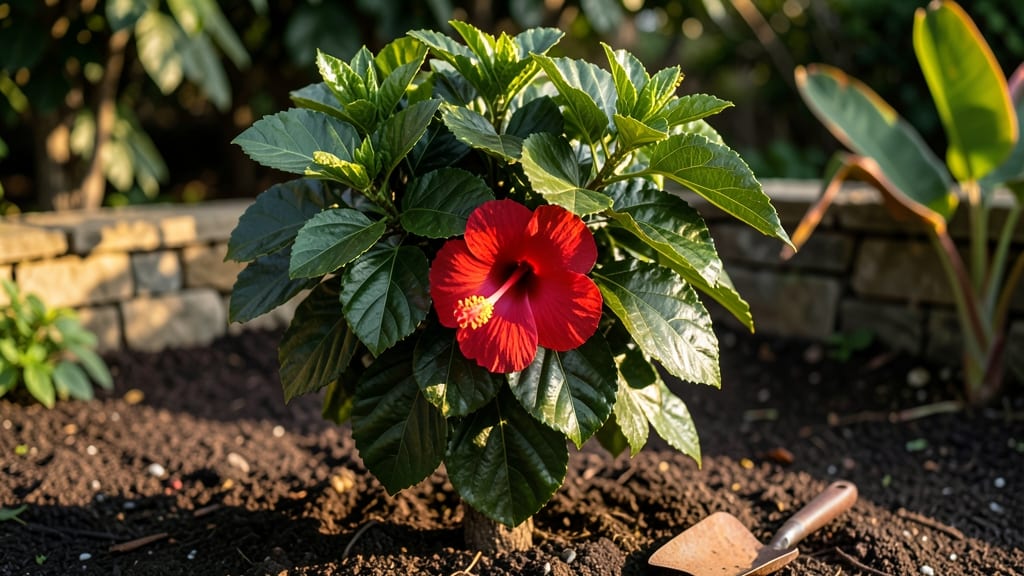
Taking care of a hibiscus tree starts with sunlight, water, and a little patience—three things that make all the difference between a struggling plant and one that bursts with vibrant blooms. 🌺 I learned this the hard way when my first hibiscus wilted after just one summer, but now I know exactly how to keep these tropical beauties thriving all year.
The secret isn’t complicated: hibiscus love bright, direct light, deep watering, and a well-draining soil mix that mimics their native environment.
Most people overwater or underfeed their hibiscus, both of which lead to yellow leaves and fewer flowers. Instead, let the top inch of soil dry out between waterings, and fertilize every 4-6 weeks during growing season with a balanced, water-soluble fertilizer.
Pruning in late winter or early spring keeps the shape tidy and encourages more blooms—just cut back dead branches and shape the tree to open up the center for better airflow.
With the right care, your hibiscus will reward you with bold, glossy leaves and trumpet-shaped blooms that last from spring through fall. Even in winter, tropical varieties can survive indoors near a sunny window if you reduce watering and keep the air humid.
The key is consistency: hibiscus don’t like sudden changes, so gradual adjustments in light and temperature keep them happy.
Common mistakes like overpruning, using heavy clay soil, or letting them sit in cold drafts can stunt growth or even kill the plant. But once you nail these basics, your hibiscus will become the showstopper of your garden—or patio, or balcony—year after year. Let’s get yours growing strong!
📚 In This Guide
- What you need
- Instructions
- Tips and common mistakes
- Wrapping up and next steps
What you need
- ● Well-draining potting mix (10-15 lbs): Opt for a blend with perlite or sand (e.g., 60% peat moss, 20% perlite, 20% compost).
- ● Pruning shears (1 pair): Sharp, bypass-style shears (3-4" blade length) for clean cuts.
- ● Gloves (1 pair): Heavy-duty gardening gloves to protect from thorns and sap.
- ● Watering can (1-2 gallons): With a rose nozzle for gentle watering.
- ● Fertilizer (balanced, 10-10-10 or 20-20-20): Slow-release granules or liquid (1 lb or 16 oz bottle).
- ● Mulch (2-3 inches): Organic mulch (e.g., pine bark or shredded leaves) to retain moisture.
- ● Humidity tray or pebble tray: For indoor hibiscus to boost moisture levels.
- ● Support stake (1-2): If your hibiscus grows tall (6+ feet), use bamboo or wooden stakes.
- ● pH testing kit: To monitor soil acidity (ideal range: 6.0-6.5).
- ● Pruning sealant: For large cuts to prevent sap oozing (e.g., tree wound pruning paste).
- ● Sunlight meter: To check light conditions (aim for 6+ hours of direct sun).
Step-by-Step instructions for growing a healthy hibiscus tree
Here's the straightforward approach I use to keep my hibiscus thriving—no guesswork, just results.
💧 Step 1: Master Watering for Lush Growth
Hibiscus trees love moisture but hate soggy roots. Water deeply once a week during the growing season, letting 2-3 inches of soil dry between waterings. Stick your finger 2 inches down—if it feels dry, it's time. In summer heat, you might water every 4-5 days, but always check the soil first.
Real talk: Overwatering kills hibiscus faster than underwatering. Yellow leaves? You're probably drowning the roots. Brown, crispy edges? Time to water. The key is balance—keep the soil consistently moist but never waterlogged. A well-draining potting mix helps prevent root rot, which is a silent killer.
☀️ Step 2: Position for Maximum Sunlight
Hibiscus trees crave full sun—at least 6-8 hours daily—but they'll tolerate morning sun with afternoon shade in hot climates. If you notice leaves burning or wilting, your tree might be getting too much midday heat. South-facing windows or a sheltered outdoor spot work best for container-grown plants.
Here's the thing—hibiscus grown indoors often stretch toward the light, becoming leggy. Rotate the pot quarter-turn weekly so the plant grows evenly. Outdoor plants? Let them find their own balance, but watch for signs of stress like yellowing leaves or drooping flowers—usually a cry for better light or shade.
✂️ Step 3: Prune for Shape and Blooms
Prune hibiscus right after flowering season (late winter or early spring) to encourage new growth. Cut back 1/3 of the oldest stems to the main trunk or a strong side branch. This isn't just about looks—it rejuvenates the plant and triggers more vibrant blooms. Use clean, sharp pruners to avoid tearing the bark.
Don't skip this (I learned the hard way). A neglected hibiscus becomes a tangled mess with fewer flowers. After pruning, fertilize lightly to support new growth. You'll see fresh, lush foliage and a bushier shape within weeks. For container-grown trees, prune lightly throughout the year to maintain size—just snip back any leggy growth that's stretching too far.
🪴 Step 4: Feed and Protect for Long-Term Health
Feed your hibiscus every 4-6 weeks during growing season with a balanced, water-soluble fertilizer (10-10-10 works well). Dilute to half-strength to avoid burning roots. In fall and winter, cut back to once every 8-10 weeks—hibiscus rest during cooler months, and over-fertilizing stresses them.
Watch for pests like aphids or spider mites, especially on new growth. A strong spray of water usually knocks them off, but for stubborn infestations, use neem oil or insecticidal soap. Hibiscus trees are tough, but they'll reward you with fewer problems if you keep them healthy and well-fed. A happy hibiscus is a blooming hibiscus!
Tips & tricks for thriving hibiscus trees
Between us, these small adjustments make all the difference between a struggling hibiscus and one that blooms like crazy all season.
Soil Check Matters: In Step 1, when you're watering, always test soil moisture at the 2-inch depth—this is where the roots really need consistent moisture. I've seen people water when the top inch is dry, but that's too shallow. The 2-3 inch rule ensures you're hitting the root zone where it counts most. Pro tip: Use a moisture meter if you're unsure—it takes the guesswork out of watering.
Light Rotation Hack: That quarter-turn weekly in Step 2 isn't just about looks—it's about preventing your hibiscus from becoming a one-sided lopsided plant. I rotate mine every Sunday morning while I'm watering. For indoor plants, place your pot on a lazy Susan if you have one—it makes rotation effortless. Outdoor plants will naturally adjust, but container plants need this help to grow evenly.
Pruning Timing Secret: The instructions say to prune right after flowering season, but here's what nobody tells you—if you're in a warm climate where hibiscus blooms year-round, prune twice a year: once after your main flowering season and again in mid-summer. This keeps your plant bushy and encourages continuous blooms. Just remember to always cut back to a strong branch or the main trunk—never leave stubs.
Fertilizer Schedule: That 4-6 week feeding schedule in Step 4 works perfectly, but I've found that hibiscus actually respond better to bi-weekly feedings during peak growing season (spring to early fall). Just use half the recommended strength each time. In winter, I cut back to every 10-12 weeks since growth slows dramatically. The key is matching your feeding schedule to the plant's natural growth cycle.
Pro Tips for Take Care Of Hibiscus Tree
- Between us, these small adjustments make all the difference between a struggling hibiscus and one that blooms like crazy all season.
- Soil Check Matters: In Step 1, when you're watering, always test soil moisture at the 2-inch depth—this is where the roots really need consistent moisture.
- Light Rotation Hack: That quarter-turn weekly in Step 2 isn't just about looks—it's about preventing your hibiscus from becoming a one-sided lopsided plant.
Frequently asked questions
Got questions about keeping your hibiscus tree happy and blooming?
Here are answers to the most common concerns—so you can troubleshoot like a pro!
How often should I water my hibiscus tree?
Water your hibiscus tree deeply 2–3 times per week during hot months, ensuring the top 2–3 inches of soil are moist. In cooler seasons, reduce to once a week. Overwatering is worse than underwatering! Check soil moisture with your finger—if it’s dry, it’s time to water. Mulch around the base to retain moisture.
When is the best time to prune my hibiscus tree?
Prune your hibiscus right after blooming season (late spring or early summer) to encourage new growth and more flowers. Avoid heavy pruning in fall or winter, as it can stress the plant. Pro tip: Use clean, sharp shears and remove dead or crossing branches first for better airflow.
Why are my hibiscus leaves turning yellow?
Yellow leaves usually mean overwatering, nutrient deficiency, or pests. Check the roots—if they’re mushy, cut back on water. For yellowing edges, it could be underwatering or low humidity. Inspect the undersides of leaves for spider mites or aphids; treat with neem oil if needed.
Can hibiscus trees survive cold winters?
Most hibiscus varieties are tropical and thrive in USDA zones 9–11. For colder climates (below 30°F), move potted hibiscus indoors near a sunny window or wrap the pot in bubble wrap. Hardy hibiscus (Hibiscus moscheutos) can tolerate light frosts but still needs winter protection.
What’s the easiest way to propagate a hibiscus tree?
Use stem cuttings for the simplest method! Take 4–6 inch cuttings from healthy branches, dip in rooting hormone, and plant in moist potting mix. Keep the soil warm (70–75°F) and humid (cover with a plastic bag) until roots form in 4–6 weeks. Bonus: Propagate in spring or early summer for best success!
Wrapping up and next steps
Caring for your hibiscus tree is all about patience, consistency, and a little love—and you’ve got this! 🌺 By mastering the three key tricks—pruning for shape, balancing sun and shade, and keeping those roots happy—you’ll watch your tree bloom vibrantly year after year.
Remember, even the most experienced gardeners started somewhere, so don’t hesitate to experiment and learn from each season.
Your next step? Grab those pruners and get hands-on! Start with a light trim this week, observe how your hibiscus responds, and adjust your routine as needed. Happy gardening—your tropical beauty is waiting for you! ✨