
Pruning
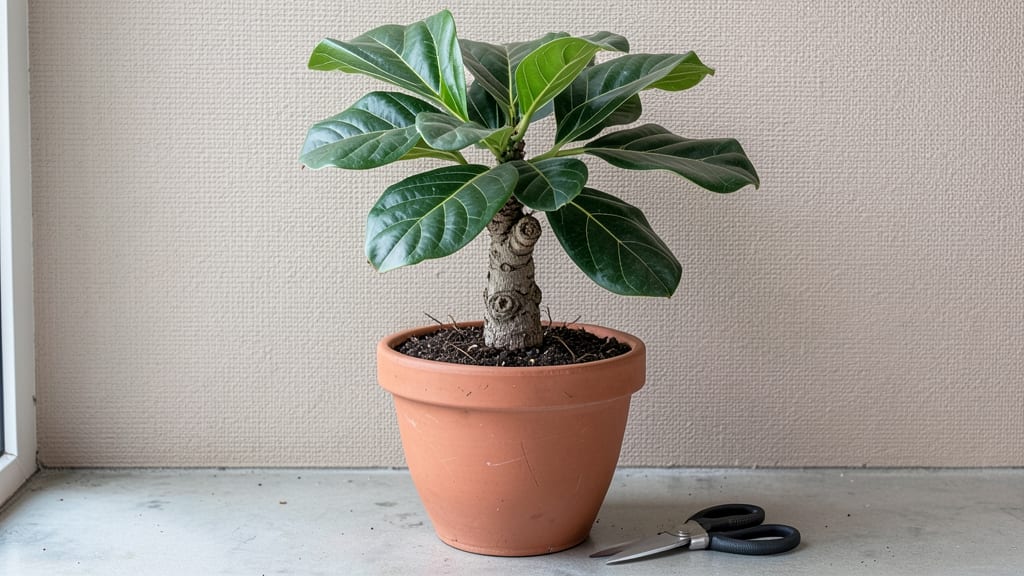
Learn how to take care of a ficus tree properly by mastering its three core needs—light, water, and humidity—because ignoring any one of them leads to those telltale brown leaves or leggy growth. 🌿 I’ve nursed back more than a few ficus trees from neglect, and the fix always comes down to these basics: bright, indirect light, water when the top inch of soil feels dry, and a humidity boost in winter when indoor air turns dry.
Ficus trees like Ficus elastica and Ficus benjamina thrive indoors near east or west windows where sunlight filters through but doesn’t scorch. Outdoor varieties need partial shade, especially in hot climates, and a spot sheltered from harsh afternoon sun.
Overwatering is the #1 killer—stick your finger in the soil first, and you’ll avoid soggy roots that invite fungal diseases.
With the right care, you’ll see glossy leaves that stay vibrant year-round, even through winter. Prune leggy stems in spring to encourage bushier growth, and wipe leaves occasionally to keep dust from blocking their light.
The payoff? A tree that grows steadily, flowers occasionally, and becomes the centerpiece of your space—no green thumb required.
Whether you’re reviving a struggling ficus or keeping one thriving long-term, these adjustments work for both indoor plants and outdoor varieties. The key is consistency: small tweaks now prevent big problems later. Let’s get your ficus back to its best.
📚 In This Guide
- What you need
- Instructions
- Tips and common mistakes
- Wrapping up and next steps
What you need
- ● Ficus Tree: Choose a healthy specimen (e.g., Ficus elastica for rubber plants or Ficus benjamina for weeping figs).
- ● Well-draining potting mix: 1 bag (10-15 liters) of a blend like cactus/succulent mix + perlite/pumice (50/50 ratio).
- ● Pot with drainage holes: 1-2 inches larger in diameter than the current root ball (terracotta or ceramic preferred).
- ● Watering can: 1 gallon-sized with a narrow spout for precision watering.
- ● Pruning shears: Sharp, sterilized shears (e.g., Fiskars Steel or Felco pruners, size 8-10).
- ○ Rooting hormone (optional but helpful): 1 small tube (e.g., Clonex or Dyna-Gro).
- ● Mist spray bottle: 8 oz for humidity-loving varieties like Ficus lyrata.
- ● Fertilizer: Balanced liquid fertilizer (e.g., 20-20-20) or slow-release granules (e.g., Osmocote).
- ● Gloves: 1 pair of gardening gloves (nitrile-coated for grip and protection).
- ● Humidity tray: A pebble tray + water dish to boost moisture levels.
- ● Grow lights: LED full-spectrum bulb (e.g., Samsung LM300) for low-light spots.
- ● Soil moisture meter: To avoid over/under-watering (e.g., Xiaomi Mi Flower).
- ● Pest control: Neem oil (1 oz) or insecticidal soap for spider mites/scale.
- ● Support stakes: For tall varieties like Ficus benjamina (bamboo or metal stakes).
Step-by-Step guide to caring for a thriving ficus tree
Mastering ficus care comes down to three simple routines—light, water, and attention.
💧 Step 1: Water with Precision—Not Too Much, Not Too Little
Ficus trees hate soggy roots, so water only when the top 2-3 inches of soil feel completely dry. Stick your finger in—if it comes out clean, it's time. I water until liquid runs freely from the drainage hole, then empty the saucer immediately to prevent root rot.
Overwatering is the #1 killer of ficus trees. You'll know you're doing it right when the soil feels dry at the surface but still holds moisture deeper down. In winter, reduce watering to every 10-14 days—growth slows dramatically, and excess moisture invites fungal problems.
Here's the thing—ficus trees are drought-tolerant once established. If you forget to water for a week, the leaves might droop, but they'll perk back up once you water properly. But if the soil stays wet for more than a few days, you're asking for trouble.
☀️ Step 2: Position for Bright, Indirect Light Year-Round
Ficus trees thrive in bright, indirect light—think east or west-facing windows, or a few feet back from a south window. Direct sun scorches the leaves, turning them crispy at the edges. You'll spot this damage as sudden brown patches that feel dry to the touch.
If your ficus starts developing leggy growth (long stems with sparse leaves), it's begging for more light. Rotate the pot a quarter turn weekly so the tree grows evenly. In low-light conditions, supplement with a grow light for 12-14 hours daily—just keep it 6-12 inches away to avoid leaf burn.
Watch for these light cues: Healthy leaves stay deep green and glossy. Yellowing on lower leaves? It's usually a light deficiency. Brown tips? Too much sun or dry air. Adjust placement until you find that sweet spot where the leaves stay vibrant without stress.
🌿 Step 3: Prune and Dust for Long-Term Health
Prune your ficus once a year in early spring to shape it and encourage bushier growth. Use clean, sharp pruners to cut just above a leaf node (the bump where leaves attach). You'll see new growth sprout from that node within 2-3 weeks—that's your reward for pruning correctly.
Dust the leaves every 2-3 months with a damp microfiber cloth. Ficus trees have small pores that clog easily, and dust blocks their ability to absorb light. Wipe the leaves gently but thoroughly—you'll notice the glossy finish return almost immediately. This simple step prevents pests and keeps the tree looking its best.
Don't skip deadheading yellow or brown leaves. Snip them off at the base to redirect the tree's energy to new growth. I always prune after a growth spurt—it's easier to see which branches need trimming, and the tree handles stress better when it's actively growing.
Tips & tricks for perfect ficus tree care
Ficus trees reward consistency more than anything else—here's how to give yours the best shot at thriving.
Soil Test Trick: The finger test in Step 1 is foolproof, but here's the secret: press your finger about 1 inch deep—not just the surface. Ficus roots absorb moisture from deeper layers, so you want that bottom inch to still feel damp while the top 2-3 inches are dry. I use my index finger because it's the most sensitive to moisture levels. If your finger comes out with soil clinging to it, hold off on watering.
Light Rotation Hack: That weekly quarter-turn rotation in Step 2 isn't just about even growth—it's also a great way to spot light deficiencies early. After rotating, check which side gets the most sun exposure. If one side consistently looks paler, move the tree permanently toward that direction. You'll notice the difference in leaf color within just a few days of adjustment.
Pruning Timing Tip: Early spring is ideal for pruning, but if you miss that window, don't panic—just wait for new growth to appear. The key is to prune right after you see fresh leaves emerge (usually late spring to early summer). This timing ensures the tree has energy reserves to recover quickly. I always make my cuts just above the leaf node where new growth will sprout—it's like giving the tree a fresh start point.
Grow Light Distance: When using a grow light as mentioned in Step 2, the 6-12 inch range is critical. Here's how to test it: Turn on the light and hold your hand near it—if it feels warm but not hot after 30 seconds, you're in the right zone. Too close and you'll get leaf burn; too far and the light won't be effective. I like to position it so the top of the tree gets the most light, gradually decreasing distance for lower branches.
Pro Tips for Take Care Of A Ficus Tree
- Ficus trees reward consistency more than anything else—here's how to give yours the best shot at thriving.
- Soil Test Trick: The finger test in Step 1 is foolproof, but here's the secret: press your finger about 1 inch deep—not just the surface.
- Light Rotation Hack: That weekly quarter-turn rotation in Step 2 isn't just about even growth—it's also a great way to spot light deficiencies early.
Frequently asked questions
Got questions about keeping your Ficus tree happy? You’re not alone! Here are answers to the most common concerns—from pruning woes to watering confusion—so you can troubleshoot like a pro.
How often should I water my Ficus tree?
Water your Ficus when the top 1–2 inches of soil are dry. Overwatering is the #1 killer—stick your finger in the soil! In summer, water every 7–10 days; in winter, every 2–3 weeks. Yellow leaves? You’re likely overdoing it.
Why are my Ficus leaves dropping, even with good care?
Leaf drop is usually stress-related. Check for:
- Drafts (AC vents, open windows)
- Sudden temperature changes (keep it 65–75°F)
- Overpruning (never trim more than 1/3 of the foliage at once)
Can I prune a Ficus tree in winter?
Winter is not ideal—prune during spring or early summer when the tree is actively growing. If you must prune in winter, avoid heavy cuts; focus on shaping. Sterilize your shears with rubbing alcohol first to prevent disease!
How do I know if my Ficus needs more light?
Watch for these signs:
- Leggy growth (long, sparse stems)
- Pale or yellowing leaves
- Slow growth despite regular watering
What should I do if my Ficus has bugs?
Isolate the plant first! Common pests like spider mites or scale can be treated with:
- Neem oil spray (dilute 1 tsp in 1 quart water)
- Insecticidal soap (spray undersides of leaves)
- Wipe leaves with a damp cloth to remove eggs
Wrapping up and next steps
Taking care of a ficus tree is a rewarding experience—with the right light, watering routine, and occasional pruning, your plant will thrive year-round! 🌿 Remember, consistency is key: watch for signs of stress, adjust care as needed, and enjoy the lush, vibrant growth your ficus brings to your space.
Now that you’re armed with these three essential tips, why not share your progress or explore more advanced care techniques? Your green thumb is growing—keep nurturing it! 🌱