
Pruning
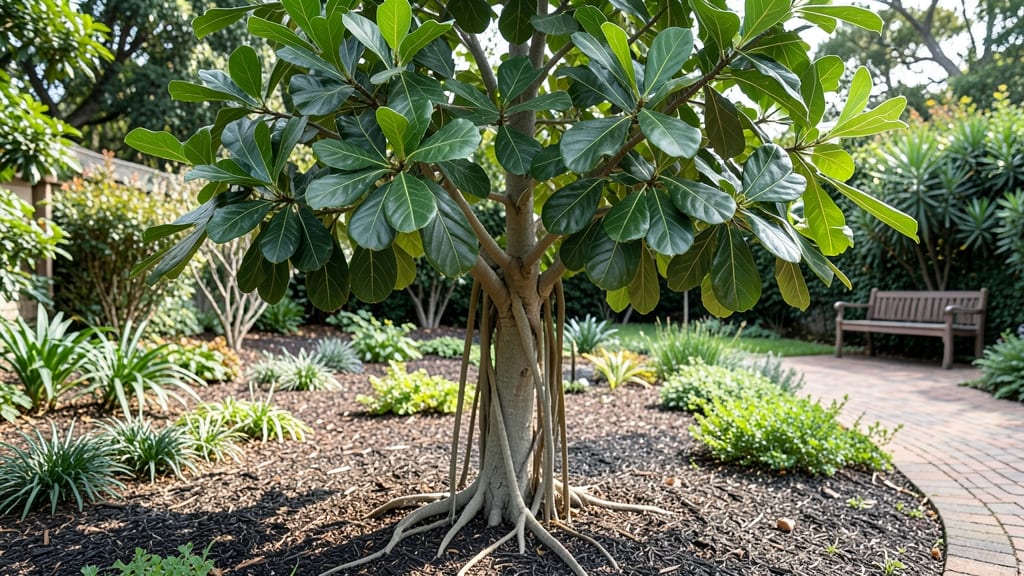
Transform your Benjamin fig tree Ficus benjamina into a year-round lush beauty with just three simple cuts—no fancy tools or horticultural degree required. I’ve kept mine thriving for years using this exact method, and the secret isn’t complicated: timing, technique, and a little patience.
The first cut in early spring sets the stage for bushier growth, while the final trim in late summer keeps it from getting leggy before winter.
Here’s the thing—most people over-prune or wait too long, and that’s when the leaves start dropping like it’s autumn. You’ll need sharp bypass pruners (not dull scissors), a clean cloth for wiping sap, and about 20 minutes of focused work.
The goal isn’t to turn it into a topiary masterpiece but to encourage dense, healthy foliage that stays vibrant even in dry indoor air.
By the time you’re done, you’ll have a tree that looks fuller from every angle, with new growth popping up within weeks. The best part? It adapts just as well to a sunny patio in Florida as it does to a dim corner in your living room.
No more apologizing for yellowing leaves or sparse branches—just consistent, effortless beauty.
Whether you’re dealing with a 6-foot indoor giant or a tiny tabletop version, these cuts work. The key is consistency, and I’ll walk you through exactly where to make each one so you avoid the most common mistakes. Ready to transform your Ficus benjamina into a year-round showstopper?
📚 In This Guide
- What you need
- Instructions
- Tips and common mistakes
- Wrapping up and next steps
What you need
- ● Sharp pruning shears: Bypass pruners (for cuts up to ½ inch thick). Pro tip: 💡 Always keep them clean and sharp to avoid tearing branches!
- ● Pruning saw: For thicker branches (½ inch or larger). Look for a curved blade for precision.
- ● Disinfectant (70% isopropyl alcohol or bleach solution): 1 part bleach to 9 parts water to sterilize tools between cuts.
- ● Gloves: Heavy-duty gardening gloves to protect your hands from thorns and sap.
- ● Ladder or step stool: Adjustable height (6-10 feet) to reach higher branches safely.
- ○ Pruning sealant (optional but helpful): Pruning wax or tree paint to coat larger cuts and prevent disease.
- ● Trash bag or bucket: For collecting pruned branches and leaves.
- ● Notebook & pen: To jot down notes on cuts made (helpful for tracking growth patterns!).
- ● Hand lens or magnifying glass: For inspecting branches closely for pests or disease.
- ● Extension pole pruners: For high branches without a ladder (10-12 feet reach).
- ● Rubbing alcohol wipes: Quick cleanup for tools mid-pruning.
- ● Plant food or fertilizer: To nourish your tree post-pruning (choose a balanced, slow-release option).
How to prune a Benjamin Fig tree for year-round health
Here's the simple pruning routine I use to keep my Ficus Benjamina lush and full all year.
Identify and Remove Dead or Damaged Branches
Start by inspecting your tree for any branches that are brown, brittle, or completely devoid of leaves. These are your first targets—they won't recover and only take energy from the healthy parts. Use clean, sharp pruning shears to make a clean cut just above a leaf node or bud, cutting at a 45-degree angle to encourage faster healing.
If you see branches with yellowing leaves that won't green up, these are also candidates for removal. The goal here is to eliminate anything that's not contributing to the tree's vitality. I like to work from the bottom up, making it easier to spot what's left to prune once the lower branches are gone.
Shape the Tree with Strategic Cuts
Now focus on shaping the tree to encourage fullness and airflow. Look for branches that are growing inward or crossing over others—these compete for sunlight and can rub against each other, creating wounds. Cut these back to an outward-facing bud or leaf node, making sure your cut is just above it. This ensures the branch will grow in a direction that maintains an open canopy.
For a fuller look, you can also trim back the longest branches by about one-third of their length. This stimulates bushier growth and prevents the tree from becoming too leggy. I usually do this in early spring, but you can adjust timing based on your tree's growth cycle—just avoid heavy pruning in fall or winter when the tree is dormant.
Thin Out Overcrowded Areas
Examine the tree for areas where branches are too dense. Overcrowding reduces airflow and increases the risk of pests and diseases. Select branches that are growing directly into the center of the tree or those that are too close to their neighbors. Remove about one-third of the branches in these areas, focusing on the smaller ones first. This opens up the tree and allows light to reach the inner foliage.
When thinning, always cut back to a bud or leaf node. Avoid leaving stubs—these can trap moisture and lead to rot. If you're unsure which branches to remove, step back and look at the tree from a distance. The goal is to create a balanced shape where light can penetrate evenly throughout the foliage. This step is where you'll see the most dramatic improvement in your tree's appearance.
Tips & tricks for pruning your Benjamin Fig tree
These small adjustments will make all the difference in keeping your Ficus Benjamina thriving year after year. I've pruned dozens of these trees, and these are the lessons I wish I knew from the start.
Tool Preparation: Before you begin, sanitize your pruning shears with rubbing alcohol or a 10% bleach solution to prevent spreading disease between cuts. I always sterilize my tools between each cut when working on multiple branches—it's a small step that prevents infections from spreading through your tree. Sharp tools also make cleaner cuts, which heal faster and look more professional.
Visual Cues for Healthy Growth: In Step 1, when you're removing dead branches, look for the "V" shape where branches meet the trunk. If you see a smooth, swollen area (called a "branch collar"), cut just outside this collar. Avoid cutting flush with the trunk—this can damage the tree's protective tissues. The same principle applies in Step 2 when shaping branches: always cut just above a bud or leaf node to encourage new growth in the right direction.
Seasonal Timing Insight: While early spring is ideal for pruning, I've found that late winter (just before new growth begins) works almost as well for my indoor Benjamin Fig trees. The key is to avoid pruning in fall or winter when the tree is dormant—this stresses the plant and can lead to slower recovery. For indoor trees, you can actually prune year-round as long as you're not during a heatwave or when the tree is under stress.
Post-Pruning Care: After your pruning session, give your tree a light misting with water to help it recover from the stress of cutting. I also like to place the tree in bright, indirect light for a day or two after pruning—this helps it focus its energy on healing. Avoid fertilizing immediately after pruning, as the tree needs time to recover before putting energy into new growth. Wait at least 2-3 weeks before adding fertilizer back into your care routine.
Pro Tips for Benjamin Fig Tree Ficus Benjamina
- These small adjustments will make all the difference in keeping your Ficus Benjamina thriving year after year. I've p...
- Tool Preparation: Before you begin, sanitize your pruning shears with rubbing alcohol or a 10% bleach solution to pre...
- Visual Cues for Healthy Growth: In Step 1, when you're removing dead branches, look for the "V" shape where branches ...
Frequently asked questions
Got questions about keeping your Benjamin Fig Tree (Ficus benjamina) thriving with strategic cuts? Here are some of the most common ones—and their answers!
When is the best time to prune a Ficus benjamina?
The ideal time is late winter or early spring (just before new growth begins). This gives the tree time to heal before summer heat stress. Light pruning can happen year-round to shape or remove dead branches, but avoid heavy cuts in fall—it disrupts dormancy.
How do I know if I’m pruning too much?
If you see bare stems (more than 6–12 inches of leafless trunk) or yellowing leaves after pruning, you’ve likely overdone it. The tree should retain at least 1/3 of its foliage to photosynthesize. Think of it like a haircut—shape, don’t shave!
My Ficus benjamina is dropping leaves after pruning. Is this normal?
Yes, but only if it’s moderate (a few leaves). Stress from cuts can trigger transient leaf drop, especially in dry or hot conditions. Water deeply and mist leaves to reduce shock. If massive defoliation occurs, check for pests or root issues too.
Can I propagate my Ficus benjamina from pruned cuttings?
Use 4–6 inch cuttings with at least 2–3 nodes. Dip in rooting hormone, plant in moist perlite/sand mix, and cover with a plastic bag to retain humidity. Roots form in 4–8 weeks with warmth and indirect light. Pro tip: Bottom heat speeds up rooting!
What’s the difference between “heading back” and “thinning out”?
| Heading Back | Thinning Out |
|---|---|
| Cutting just above a leaf node to encourage bushier growth. | Removing entire branches back to the trunk to improve airflow. |
| Best for shaping or rejuvenating leggy growth. | Best for air circulation and reducing disease risk. |
Wrapping up and next steps
Transforming your Benjamin Fig Tree (Ficus Benjamina) into a thriving, year-round beauty is simpler than you think—just three strategic cuts can make all the difference! 🌿 From shaping its lush branches to encouraging vibrant growth, mastering these techniques ensures your tree stays healthy, balanced, and stunning.
Whether you’re a pruning pro or a curious beginner, every snip is a step toward a greener, happier home.
Ready to elevate your green thumb game? Grab your shears and start pruning today—your Ficus Benjamina will thank you with lush, cascading foliage for years to come! 🌟