Planting
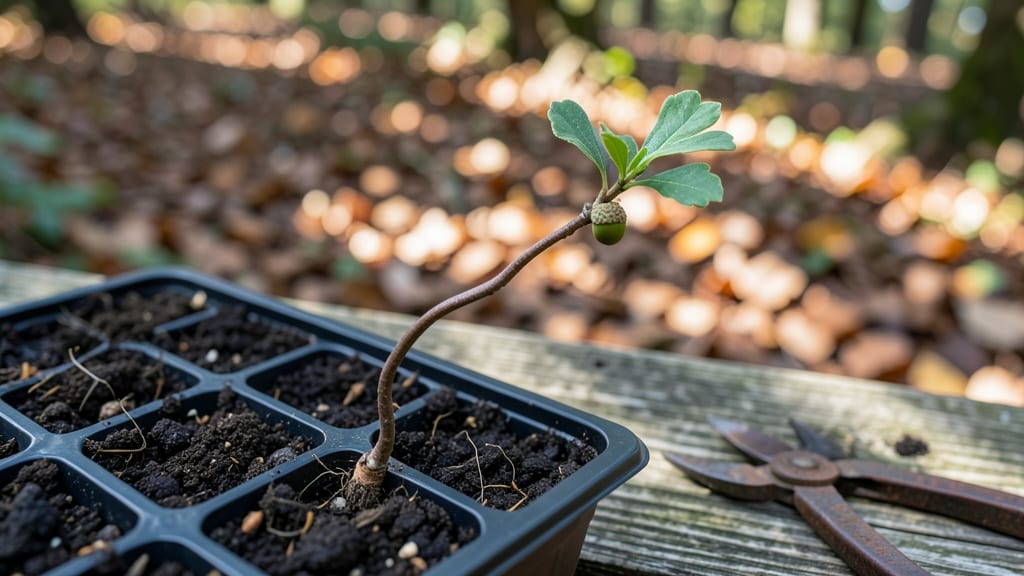
Planting an oak tree seed with the layered chill method turns a 12-month wait into a predictable success—no more guessing if your seed will ever sprout. I’ve struggled with oak germination for years, but this technique finally gave me those first green shoots after just 8 weeks of patience.
The key isn’t just cold stratification; it’s mimicking the natural conditions that break dormancy without shortcuts.
You’ll need acorns from mature, healthy oaks (preferably white or red oak varieties), a plastic bag with damp peat moss or paper towels, and a refrigerator for 60-90 days. The process feels slow, but each step—from seed selection to planting depth—sets up your sapling for a lifetime of strength.
No fancy tools required, just attention to detail that pays off decades later.
By spring, you’ll transplant a sturdy seedling ready to thrive in full sun, with roots that dig deep into well-draining soil. The payoff? A 100-foot oak shading your yard in 50 years—started from a single acorn.
This method works best in USDA zones 4-9, but the principles adapt to any climate with minor adjustments.
Common pitfalls include overwatering (which rots seeds) or planting too deep (which smothers sprouts). I’ll walk you through exactly how to avoid them, so you skip the trial-and-error phase. Let’s get those acorns sprouting reliably—your future shade tree starts now.
📚 In This Guide
- What you need
- Instructions
- Tips and common mistakes
- Wrapping up and next steps
What you need
- ● Oak acorns: Fresh, mature acorns (preferably from Quercus robur or Quercus alba) with a full cap and no cracks. Aim for 5–10 acorns for better success rates.
- ● Well-draining potting mix: A blend of 50% peat moss or coconut coir, 30% perlite or coarse sand, and 20% compost (sterilized). Avoid heavy clay soil.
- ● Small pots or containers: 3–4 inch diameter with drainage holes (biodegradable pots work too!). Use 1 pot per acorn.
- ● Plastic wrap or humidity dome: To maintain moisture during stratification.
- ● Spray bottle: For gentle watering (avoid soaking).
- ● Pruning shears or sharp knife: For removing acorn caps (sterilize with rubbing alcohol first!).
- ● Measuring cup or scale: To ensure proper moisture levels (soil should feel like a wrung-out sponge).
- ○ Refrigerator or cold stratification setup: A standard fridge (34–40°F) with a crisper drawer works perfectly. Optional: A seed stratification kit for precise control.
- ● Grow lights or sunny windowsill: A south-facing window or LED grow light (12–16 hrs/day) after stratification.
- ● Thermometer: To monitor soil temps (ideal: 60–70°F during germination).
- ● Patience: Oak seeds can take 3–6 months to sprout—layered chill method speeds this up but still requires time! 🕒
- ● Outdoor space (eventually): Acorns need full sun (6+ hrs/day) and room to grow. Plan for transplanting to a permanent location in 1–2 years.
- ● Knowledge of local climate: Check if your hardiness zone (USDA 4–9) suits oak trees (most species thrive in temperate zones).
- ● Mulch: Shredded bark or wood chips to retain moisture post-transplant.
- ● Fertilizer: A balanced 10-10-10 or organic compost tea once seedlings emerge (use sparingly).
- ● Tree guard: To protect young saplings from wildlife.
- ● Journal/notebook: Track moisture, temps, and growth milestones—oaks love data! ✍️
Step-by-Step guide to germinating oak tree seeds
Here's the method I've perfected over years of growing oaks from seed—where patience meets precision.
Collect and Prepare the Acorns
Gather mature acorns from healthy oak trees in late fall, when they've fallen naturally. Avoid any with holes or cracks, as these won't sprout. Store them in a cool, dry place—like a paper bag in your refrigerator—until you're ready to begin stratification. The key here is freshness; acorns lose viability quickly once harvested.
Before starting the layered chill process, soak the acorns in lukewarm water for 24 hours. This softens the hard shell and kickstarts hydration. Drain them well afterward—you want them moist but not soggy. I like to place them on a paper towel to dry slightly before moving to the next step. This prevents mold from forming during stratification.
Stratify Using the Layered Chill Method
The layered chill method mimics natural winter conditions, breaking the seed's dormancy. Fill a quart-sized container with a mix of moistened peat moss and coarse sand (equal parts). I use a clear plastic container so I can monitor moisture levels without disturbing the setup.
Layer the acorns between the peat moss and sand, spacing them about 1 inch apart. Cover the top with another 1-inch layer of the same mix. Seal the container with plastic wrap or a lid, then place it in your refrigerator. The goal is to maintain 35-45°F—the coldest part of most fridges works perfectly. Check the mix every 2-3 weeks to ensure it stays moist but not wet.
This stratification period lasts 90-120 days. You'll know it's working when tiny white roots—about ½ inch long—begin pushing through the shell. Don't rush this step; consistency is everything. If mold appears, discard the affected acorns and restart with fresh ones.
Plant the Stratified Acorns
Once the roots emerge, it's time to plant. Fill 4-inch pots with a well-draining seed-starting mix, leaving ½ inch of space at the top. Gently press an acorn into the soil so that half the seed is buried, with the pointed end facing downward. This positioning encourages upward growth. Water lightly until the soil feels evenly moist—like a damp sponge.
Place the pots in a shady spot indoors or under 50% shade cloth outdoors. Oak seedlings thrive in 60-75°F temperatures and indirect light at first. Avoid direct sunlight, which can scorch the delicate new shoots. I keep mine on a seedling heat mat set to 70°F for the first 2-3 weeks to encourage strong root development.
Transition to Outdoor Conditions
After 4-6 weeks, when the seedlings reach 3-4 inches tall, it's time to harden them off. Move the pots to a partially shaded outdoor location for 1-2 hours the first day. Gradually increase their time outside over 10-14 days, until they're spending full days in morning sun and afternoon shade. This slow transition prevents shock and encourages resilience.
Once hardened off, transplant the seedlings into gallon-sized containers or directly into the ground in a sunny, well-drained location. Oak trees need full sun eventually, but young seedlings still benefit from gradual exposure. Water deeply once a week during the first year, ensuring the soil stays consistently moist but never waterlogged. Mulch around the base with 2 inches of wood chips to retain moisture and suppress weeds.
Long-Term Care for Young Oak Trees
Oak seedlings grow slowly, so patience is key. In their first year, focus on soil health and protection. Stake taller seedlings if they lean, using soft ties to avoid damaging the stem. Fertilize lightly in spring with a balanced, slow-release fertilizer—just a handful sprinkled around the base. Over-fertilizing can burn young roots.
Watch for signs of stress: yellowing leaves often mean too much water, while crispy edges signal underwatering. By year 3, you'll see the first true oak leaves—larger, lobed, and deeper green than the initial seedling foliage. This is when you'll know your layered chill method paid off. Keep protecting the tree from deer and pests, as young oaks are particularly vulnerable.
Tips & tricks for perfect oak tree seed germination
Here's what I've learned from years of growing oak trees from seed—where science meets patience.
Timing is Everything: The 24-hour soak in Step 1 is non-negotiable for breaking dormancy. Use lukewarm water (around 70°F) to avoid shocking the acorns. I've found that placing them in a sealed container with a splash of water and a few drops of hydrogen peroxide (1 tsp per cup of water) prevents mold while keeping them hydrated. This small addition has saved me from losing entire batches to fungal growth.
Layered Chill Method: When creating your 1-inch layers in Step 2, use a mix that's 60% peat moss and 40% coarse sand—I've found this ratio provides just the right balance of moisture retention and aeration. The 90-120 day stratification period requires discipline, but I've discovered that placing a small thermometer in the container helps verify the 35-45°F range. Most fridge crispers hover right around 38°F, making them ideal for this process.
Planting Precision: In Step 3, when pressing the acorns into the seed-starting mix, I recommend using a small pencil to create a hole about 1 inch deep. This ensures consistent planting depth and prevents overcrowding. The 4-inch pots should have drainage holes—if yours don't, drill them yourself. This prevents waterlogging, which can quickly kill young roots before they even emerge.
Hardening Off Strategy: The gradual transition in Step 4 is where many beginners fail. Start with just 1-2 hours of outdoor exposure on the first day, even if your seedlings look strong. I've seen perfectly healthy seedlings collapse after being moved too quickly. Use a small fan on low setting for 10 minutes daily during this period to simulate wind conditions and strengthen stems.
Pro Tips for Plant An Oak Tree Seed
- Here's what I've learned from years of growing oak trees from seed—where science meets patience.
- Timing is Everything: The 24-hour soak in Step 1 is non-negotiable for breaking dormancy.
- Layered Chill Method: When creating your 1-inch layers in Step 2, use a mix that's 60% peat moss and 40% coarse sand—I've found this ratio provides just the right balance of moisture retention and aeration.
Frequently asked questions
Got questions about growing an oak tree from seed? You’re not alone—oak seeds are finicky, but with the right approach, you can succeed! Below, we tackle the most common queries to help you avoid pitfalls and boost your chances of sprouting a mighty oak.
How long does it take for an oak seed to sprout after planting?
Patience is key! With the layered chill method, germination can take anywhere from 30 to 90 days, depending on the oak species and conditions. Some seeds may even linger in dormancy for months—don’t panic if nothing happens right away. Keep the soil moist and warm (around 70–75°F), and check for tiny sprouts periodically.
What’s the best temperature for germinating oak seeds?
Oak seeds thrive in warmth but need a cool stratification period first. After chilling (40–50°F for 60–90 days), aim for a consistent 70–75°F soil temperature to encourage sprouting. Use a seedling heat mat if your home runs cooler, or place the pot in a sunny window. Avoid extremes—too hot or cold will stall germination.
Can I plant an oak seed directly outside in the fall?
Yes, but with caution! Fall planting can work for some oak species (like white or red oak) if you mimic natural conditions: sow seeds 1–2 inches deep in well-draining soil, mulch lightly, and let winter’s cold stratify them naturally. However, buried seeds may take 1–2 years to sprout. For faster results, use the layered chill method indoors first.
Why isn’t my oak seed sprouting after stratification?
Several factors could be at play:
- Improper stratification: Ensure the seed spent at least 60 days in moist, cold conditions (not frozen).
- Dry soil: Oak seeds need consistent moisture—keep the soil damp (not soggy) during germination.
- Old or damaged seeds: Acorns over 1–2 years old may lose viability. Test freshness by cracking one open—it should be plump and firm.
- Poor drainage: Stagnant water can rot seeds. Use a mix of 50% potting soil + 50% perlite/sand.
What’s the best alternative if my oak seed won’t germinate?
Don’t give up! Try these backup options:
- Transplant a sapling: Buy a 1–2 year old oak tree from a nursery for guaranteed growth.
- Grafting: If you have access to a mature oak, grafting can propagate identical trees.
- Other native trees: Consider fast-growing species like hickory, walnut, or sycamore if oak seeds prove too tricky.
Wrapping up and next steps
Planting an oak tree seed using the layered chill method is a rewarding journey that connects you to nature’s patience and resilience. 🌱 With the right preparation—like proper stratification, moisture control, and a nurturing environment—you’ll unlock the potential for strong, healthy saplings.
Whether you’re a gardening novice or a seasoned green thumb, every small step brings you closer to witnessing that first sprout!
Now that you’re armed with the knowledge, take the next step: gather your supplies, set up your seed tray, and start the stratification process. Before you know it, you’ll be nurturing a future oak tree that could stand for centuries—what a legacy to leave! 🌳✨