
Size
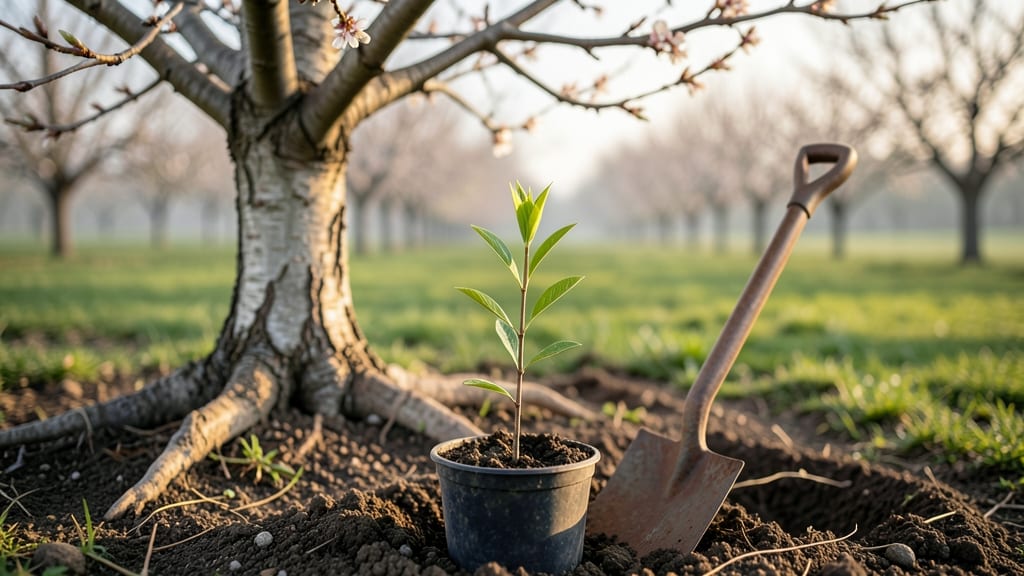
Growing a badam tree from scratch feels like unlocking a tropical treasure chest—one that delivers sweet, buttery nuts straight from your yard. 🌱 The key isn’t just patience; it’s matching your climate to the tree’s needs, whether you’re planting in soil or containers.
My first attempt nearly failed when I ignored the chill hours requirement, but once I got that right, the tree thrived.
You’ll need well-draining soil, a sunny spot with at least 6-8 hours of light daily, and a location that mimics the tree’s native Mediterranean climate. Badam trees hate soggy roots, so raised beds or containers with drainage holes work best.
Start with a 1-2 year-old sapling from a nursery—younger trees often struggle with transplant shock.
Within 2-3 years, you’ll see the first flowers, and by year 4 or 5, you’ll harvest those prized nuts. The tree’s silvery leaves and delicate blossoms make it a stunning addition to any landscape, even if the nuts take time.
Prune in late winter to shape the tree and remove dead wood, and watch it reward you with harvests for decades.
Container growers can keep trees in 15-20 gallon pots, but expect smaller yields. If you’re in a cold zone, grow it in a large pot and overwinter it indoors near a sunny window.
The biggest mistake? Skipping the winter chill period—badam trees need 300-500 hours below 45°F to fruit properly.
📚 In This Guide
- What you need
- Instructions
- Tips and common mistakes
- Wrapping up and next steps
What you need
- ● Badam seeds or saplings: Choose high-quality, disease-free seeds or 1-2 year-old saplings from a trusted nursery. Quantity: 1-2 seeds/saplings per planting spot.
- ● Well-draining soil: Mix garden soil with 50% sand or perlite to improve drainage. Quantity: Enough to fill a 2-3 ft deep planting hole.
- ● Organic compost: Add 2-3 cups per planting hole to enrich the soil with nutrients.
- ● Fertilizer: Use a balanced NPK fertilizer (10-10-10) or a slow-release granular fertilizer. Quantity: 1 cup per tree, applied 2-3 times a year.
- ● Watering can or hose: A gentle spray nozzle helps avoid soil erosion.
- ○ Mulch (optional but recommended): Use straw, wood chips, or coconut coir to retain moisture and regulate soil temperature. Quantity: Spread 2-3 inches around the base.
- ● Support stakes (for young saplings): 2-3 wooden or bamboo stakes, 3-4 ft tall, to provide stability.
- ● Pruning shears: Sharp, sterilized shears for trimming branches.
- ● Pesticides (organic, if needed): Neem oil or insecticidal soap to protect against pests like aphids or mites.
- ● Climate: Badam trees thrive in USDA Zones 7-10, with full sun exposure (6+ hours daily).
- ● Space: Plant saplings at least 15-20 ft apart to allow for proper growth.
- ● Patience: Almond trees take 3-5 years to bear fruit, so consistency is key!
- ● Cross-pollination (if growing from seeds): Plant at least two trees for successful fruit production.
Step-by-step guide to growing a badam tree from seed
Here's how to start your own almond tree—no fancy equipment needed.
🌱 Step 1: Stratify and Plant the Seeds
Badam seeds need a cold treatment called stratification to break dormancy. Place the seeds in a damp paper towel, fold it over, and put them in a sealed plastic bag. Store in your refrigerator for 4-6 weeks—this mimics winter conditions and tricks the seed into thinking it's time to grow.
After the cold treatment, remove the seeds and plant them 1 inch deep in a well-draining potting mix. Use a small pot with drainage holes to prevent root rot. Keep the soil lightly moist but never soggy—water when the top ½ inch feels dry. Place the pot in a warm spot with indirect light (like a bright windowsill away from direct sun).
🌿 Step 2: Provide Warmth and Patience for Germination
Badam seeds can take 4-12 weeks to sprout, so hang in there. Keep the soil consistently moist but avoid overwatering—too much moisture can cause the seeds to rot. A humidity dome or plastic wrap over the pot helps maintain moisture levels during this time.
Once the first true leaves appear (not the initial seed leaves), remove the humidity dome. This is your signal that the seedling is establishing its roots. Move the pot to a spot with bright, indirect light—direct sun can scorch young leaves. If your home is cool, consider using a seedling heat mat to keep soil temperatures around 70-75°F for faster growth.
☀️ Step 3: Transplant and Care for Young Trees
When your badam seedling reaches 6-12 inches tall and has a sturdy stem, it’s ready for its first transplant. Choose a slightly larger pot with fresh, well-draining soil. Handle the seedling gently by its leaves to avoid damaging the stem. Water thoroughly after transplanting to help the roots settle into the new soil.
Badam trees thrive in full sun once established, but young trees should be introduced to direct sunlight gradually. Start with 2-3 hours of morning sun and slowly increase exposure over 2-3 weeks. Water deeply once a week, allowing the top 2 inches of soil to dry out between waterings. Fertilize lightly with a balanced, water-soluble fertilizer every 4-6 weeks during the growing season to encourage strong, healthy growth.
Tips & tricks for growing a badam tree
Here's what nobody tells you about nurturing these tropical nuts from seed to sapling.
The Cold Treatment Trick: Don't rush the 4-6 week refrigeration—this is non-negotiable for breaking dormancy. I learned this the hard way after trying to skip it and watching seeds sit stubbornly in the soil for months. Place a small note on your fridge with the start date so you don't forget. For extra insurance, you can even write "Badam seeds" directly on the bag with a marker.
Soil Science Matters: Badam trees hate soggy feet. Use a cactus/succulent mix combined with perlite for that perfect drainage. I've seen beginners use regular potting soil and end up with rotten seeds. The key is that mix should feel almost dry between waterings—like a slightly damp sponge rather than a wet washcloth. Pro tip: Tap the pot gently after watering—if water drips out, you've overdone it.
Lighting Strategy: That bright windowsill might not be bright enough. Badam seedlings need indirect light that's actually quite intense. If your windowsill feels dim, consider adding a grow light 6-12 inches above the seedling for 12 hours daily. I've had seedlings stretch painfully toward weak light, creating those sad, leggy stems that never strengthen.
Transplant Timing: Wait for that sturdy stem before moving your seedling—don't rush to the bigger pot. I've seen people transplant too early and watch the delicate roots break during transfer. When you do transplant, water thoroughly first to help roots slide out of the old pot easily. The goal is to disturb the root ball as little as possible—think "gentle excavation" rather than "rough removal."
Pro Tips for Grow Badam Tree
- Here's what nobody tells you about nurturing these tropical nuts from seed to sapling.
- The Cold Treatment Trick: Don't rush the 4-6 week refrigeration—this is non-negotiable for breaking dormancy.
- Soil Science Matters: Badam trees hate soggy feet.
Frequently asked questions
Got questions about growing your own badam (almond) tree? You’re not alone! Here are some of the most common queries—and their straightforward answers—to help you succeed.
How long does it take for a badam tree to bear fruit?
A badam tree typically takes 3 to 5 years to produce its first harvest, depending on climate, soil quality, and care. Patience is key—young trees focus on root and branch growth before flowering. For faster results, choose grafted saplings or ensure full sun and well-draining soil!
Can badam trees survive cold winters?
Most badam varieties thrive in USDA Zones 7-10 and struggle in freezing temps below 15°F (-9°C). If you live in colder regions, plant in a sheltered spot or grow in containers to move indoors during winter. Hardy types like ‘Nonpareil’ tolerate mild frost better than tropical varieties.
What’s the difference between growing badam from seeds vs. saplings?
Seeds take 5–10 years to bear fruit and may not match the parent tree’s quality. Saplings (grafted or rooted cuttings) produce faster, with predictable taste and size. For home growers, buying a 1–2-year-old sapling from a nursery is the smartest choice!
Why are my badam leaves turning yellow or dropping?
Yellow leaves often signal overwatering, nutrient deficiency, or pests (like aphids or mites). Check soil moisture—badam trees hate soggy roots. Feed with potassium-rich fertilizer in spring, and spray neem oil if bugs appear. Prune dead branches to improve airflow!
Are there badam tree alternatives for smaller spaces?
Yes! Try dwarf varieties like ‘Texas’ or ‘Butte’, which stay under 10 feet. For containers, almond cultivars (like ‘Fritz’) adapt well to pots (15+ gallons). Just ensure they get 6+ hours of sun daily and prune regularly to control size.
Wrapping up and next steps
Growing a badam (almond) tree is a rewarding journey that blends patience with the joy of nurturing life!
With the right soil, sunlight, and care, you’ll soon enjoy fresh nuts straight from your backyard. 🌱 Start small—whether in a pot or garden—and watch your efforts bloom into a thriving tree.
Ready to take the next step? Plant your seed today and let nature work its magic. Share your progress with fellow gardeners or research organic pest control tips to keep your tree healthy. Happy growing! 🌟