
Pruning
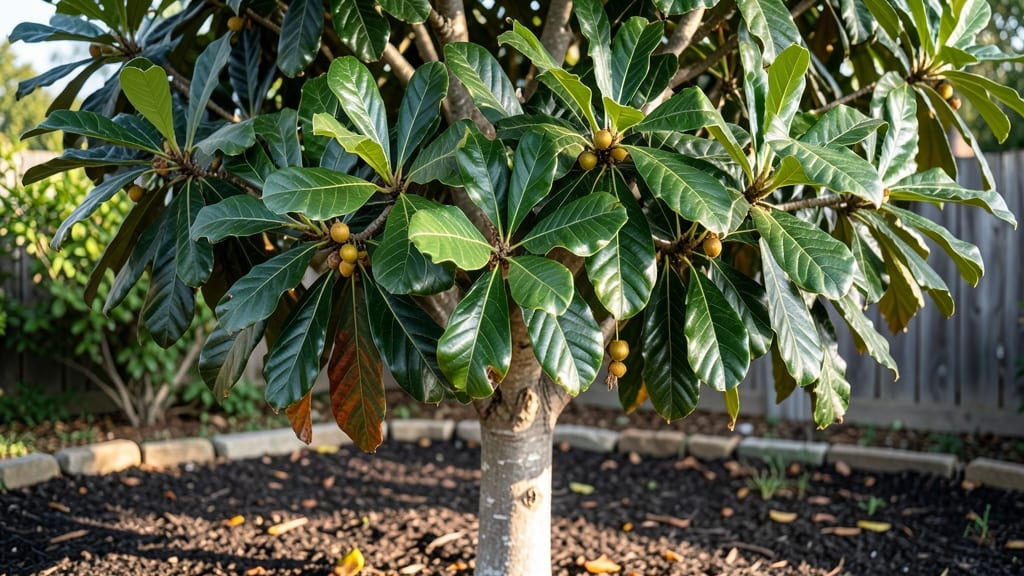
Growing a West Indian almond tree (Terminalia catappa) means year-round fruit and stunning foliage that changes color with the seasons. 🌿 I’ve watched mine produce edible nuts from summer through fall, while its leaves shift from glossy green to fiery red—like nature’s own seasonal palette.
The tree thrives in warm climates but adapts surprisingly well to containers if you live in cooler zones.
This tropical beauty needs full sun and well-draining soil—think sandy loam or a mix with perlite—to prevent root rot. Water deeply but let the top inch dry between soakings, as drought tolerance is one of its superpowers.
Pruning isn’t just about shaping; it’s about encouraging fruit production and airflow, which keeps pests at bay.
By mid-summer, you’ll see clusters of small, green fruits ripening into brown, hard-shelled almonds—crunchy and sweet when roasted. The tree’s dense canopy also makes it a shade champion, perfect for patios or poolside spots.
With the right care, it grows 15–40 feet tall, so plan for its long-term presence in your landscape.
Even in containers, this tree rewards patience with low-maintenance resilience and year-round interest. Whether you’re after fruit, shade, or simply a showstopper, it delivers—just give it space to stretch its roots and branches. Let’s get yours thriving!
📚 In This Guide
- What you need
- Instructions
- Tips and common mistakes
- Wrapping up and next steps
What you need
- ● West Indian Almond Seeds or Saplings: 5–10 seeds (if starting from scratch) or 1–2 healthy saplings (for faster growth).
- ● Pro Tip: 💡 Buy seeds from a reputable supplier or collect them from ripe, healthy fruit.
- ● Soil Mix: 50% well-draining potting soil (e.g., Miracle-Gro Potting Mix).
- ● 30% perlite or coarse sand (for aeration).
- ● 20% compost or coconut coir (for nutrients).
- ● Pruning Tools: 1 pair of bypass pruners (for clean cuts on small branches).
- ● 1 pair of loppers (for thicker branches, ½"–1" diameter).
- ● 1 pruning saw (for branches >1" thick).
- ● 1 sharp pruning knife (for precision cuts).
- ● Pro Tip: ✨ Sterilize tools with rubbing alcohol (70% isopropyl) between cuts to prevent disease.
- ● Containers or Planting Site: 5-gallon pots (for seedlings, 1–2 per seedling).
- ● OR a sunny, well-draining outdoor location (full sun, 6+ hours/day).
- ● Fertilizer: Balanced 10-10-10 fertilizer (1 tbsp per 5 gallons of soil at planting).
- ● Citrus/orchid fertilizer (high in micronutrients like zinc and magnesium, every 4–6 weeks in growing season).
- ● Mulch: 2–3 inches of wood chips or straw mulch (to retain moisture and regulate soil temp).
- ● Grafting tools (if propagating via grafting): grafting knife + grafting tape.
- ● Tree support stakes (for young saplings in windy areas).
- ● pH test kit (ideal soil pH: 6.0–7.5).
- ● Slow-release fertilizer pellets (for low-maintenance nutrition).
- ● Hose with adjustable nozzle (for deep watering).
How to master year-round West Indian almond tree fruit production
This tropical tree thrives with strategic pruning—here's how to unlock consistent harvests.
🌿 Step 1: Establish the Right Growing Conditions
The West Indian almond (Terminalia catappa) demands warmth and humidity year-round. Plant in USDA zones 10-11 or grow in large containers with 15-gallon capacity that you can move indoors during winter. This tree craves full sun exposure (6+ hours daily)—if you're in a cooler climate, supplement with a 250-watt LED grow light positioned 12 inches above the canopy during winter months.
Here's the thing—this tree's roots need excellent drainage. Amend native soil with 3 inches of coarse sand or use a well-draining potting mix with perlite if container-growing. The moment you see yellowing leaves during summer, it's your signal the roots are sitting in soggy conditions. Adjust your watering immediately.
✂️ Step 2: Perform Seasonal Pruning for Fruit Production
Winter pruning (late November to February) is where the magic happens. Remove dead, crossing, or diseased branches first using clean, sharp pruners. Then cut back one-third of the previous year's growth to encourage new fruiting wood. Look for lateral branches—these are where 80% of your fruit will develop. I always make cuts just above a bud facing outward to maintain an open canopy that lets sunlight penetrate.
Real talk: Don't over-prune. You'll see heavy fruit set on branches that are 1-2 years old. If you shear too aggressively, you'll sacrifice next year's harvest. After pruning, apply a copper fungicide spray to prevent infection through fresh cuts—this tree is particularly susceptible to anthracnose in humid climates.
💧 Step 3: Implement Strategic Watering and Fertilization
West Indian almonds have moderate drought tolerance once established, but consistent moisture is critical during flowering and fruiting seasons. Water deeply every 7-10 days until the top 12 inches of soil feels moist. You'll know you're watering correctly when you see new growth flushes during summer—this means the tree is actively photosynthesizing and setting fruit.
Feed with a balanced 6-6-6 fertilizer in early spring, then switch to a low-nitrogen 3-4-6 formula when you see flower buds form. I've found that seaweed extract (applied monthly) significantly improves fruit set. The key is avoiding high nitrogen after flowering—it promotes leafy growth at the expense of fruit development.
☀️ Step 4: Protect Fruit During Critical Development Stages
When fruit begins to form (typically 4-6 months after flowering), protect it from birds and squirrels—they'll strip a tree bare in days. Install fine mesh netting (¼-inch openings) over the canopy and secure it tightly. You'll also want to thin fruit clusters to 6-8 inches apart when they're 1 inch in diameter. This ensures larger, higher-quality nuts and prevents branch breakage.
Watch for fruit drop during hot summers. If you see premature falling, it's usually due to insufficient calcium. Apply calcium nitrate according to package rates or use eggshell meal (crushed and applied to soil) as an organic alternative. The goal is to maintain firm, green fruit until full maturity—usually 6-8 months after flowering.
⏰ Step 5: Harvest and Prepare for Next Season
Fruit is ready when the outer husk turns brown and opens naturally. Harvest by gently twisting the nuts free—don't pull too hard or you'll damage the tree. Process immediately or store in a cool, dry place for up to 3 months. The nuts inside are edible when lightly toasted, but the real value is in the oil-rich kernels used in West Indian cuisine.
After harvest, conduct a final pruning to remove any sucker growth or branches that didn't produce well. This is also your cue to mulch heavily with 3 inches of wood chips to protect roots during winter. If growing in containers, move them to a garage or unheated shed where temperatures stay above 45°F—any colder and you'll risk losing your tree.
Tips & tricks for perfect West Indian almond tree fruit production
Mastering this tropical tree’s fruit potential comes down to understanding its unique growth patterns—and avoiding common pitfalls that sabotage harvests.
Pruning Precision: When you’re pruning in Step 2, focus on removing branches that grow inward or upward—these block sunlight and reduce fruit production. I always use a 30° angle cut just above an outward-facing bud to encourage optimal growth. This creates the perfect structure for sunlight penetration during the critical 4-6 months after flowering when fruit development happens.
Root Health Indicator: The yellowing leaves you might see in Step 1 aren’t just cosmetic—they’re your tree’s SOS signal for root stress. Instead of panicking, check soil moisture first. If the top 12 inches feels damp, you’re overwatering. The solution? Amend your soil with that 3 inches of coarse sand and adjust to watering only when the top 2 inches feel dry. Roots need oxygen too!
Fertilizer Timing: The shift from 6-6-6 to 3-4-6 fertilizer in Step 3 isn’t arbitrary—it’s about chemistry. High nitrogen after flowering sends your tree into leafy overdrive at the expense of fruit. I’ve found that applying seaweed extract monthly during flowering creates a perfect balance, boosting fruit set without sacrificing foliage. Think of it as giving your tree a natural growth hormone boost.
Winter Protection: That 45°F minimum temperature in Step 5 is non-negotiable for container-grown trees. If you’re in a marginal zone, consider adding a thick layer of bubble wrap around the pot before moving it indoors. I’ve saved multiple trees this way during unexpected cold snaps. The goal is to protect the roots while still allowing some airflow—plastic wrap alone creates a deadly greenhouse effect.
Pro Tips for West Indian Almond Tree
- Mastering this tropical tree’s fruit potential comes down to understanding its unique growth patterns—and avoiding common pitfalls that sabotage harvests.
- Pruning Precision: When you’re pruning in Step 2, focus on removing branches that grow inward or upward—these block sunlight and reduce fruit production.
- Root Health Indicator: The yellowing leaves you might see in Step 1 aren’t just cosmetic—they’re your tree’s SOS signal for root stress.
Frequently asked questions
Got questions about nurturing your West Indian almond tree? You’re not alone—this tropical gem has unique quirks! Below, we tackle the most common curiosities from pruning timing to troubleshooting, so you can keep your tree thriving year-round.
When is the best time to prune a West Indian almond tree?
Prune your tree twice a year: late winter/early spring (before new growth) to shape the canopy and summer (after fruiting) to remove dead wood. Avoid heavy pruning in fall—it can stress the tree before winter. Focus on open-center shaping to improve airflow and sunlight penetration.
How long does it take for a West Indian almond tree to bear fruit?
Patience is key! With proper care, your tree may produce small, edible almonds (technically drupes) within 3–5 years of planting. Young trees prioritize root and branch growth, so avoid heavy fruiting until they’re established. Pro tip: Fertilize with nitrogen-rich compost in early spring to boost vigor!
Can West Indian almond trees survive cold winters?
While these trees thrive in USDA Zones 10–12, they’re semi-tropical and can suffer in frost below 25°F (-4°C). If you live in colder climates, grow them in containers and overwinter indoors near a sunny window. Mulch heavily in pots or plant near heat-reflecting walls.
What should I do if my tree’s leaves turn yellow?
Yellowing leaves often signal overwatering, nutrient deficiency, or fungal issues. First, check soil moisture—West Indian almonds hate soggy roots. Amend soil with citrus-specific fertilizer (high in zinc/magnesium) and improve drainage. If spots appear, treat with neem oil for fungal control. Act fast—yellowing can spread!
Are there dwarf varieties of West Indian almond trees?
No true dwarf varieties exist, but you can prune aggressively to keep your tree compact (8–10 ft tall). For smaller spaces, consider container growing with regular root pruning. Just ensure the pot has drainage holes—these trees despise waterlogged soil!
Bonus Tip:
Need a quick reference? Bookmark this pruning cheat sheet for seasonal tasks! Or tag us @GardenPros with your tree’s progress—we love seeing your almond adventures.
Wrapping up and next steps
The West Indian almond tree isn’t just a tropical treasure—it’s a year-round fruit powerhouse with the right pruning care! 🌿 From shaping its growth to maximizing harvests, mastering these techniques unlocks a bounty of delicious nuts and lush foliage.
Whether you’re a beginner or a seasoned gardener, every trim brings you closer to a thriving, productive tree.
Ready to take the next step? Start small—pick one pruning task from this guide and observe your tree’s response. Over time, you’ll refine your approach and watch your West Indian almond tree flourish like never before. Happy pruning! 🌟