
Propagation
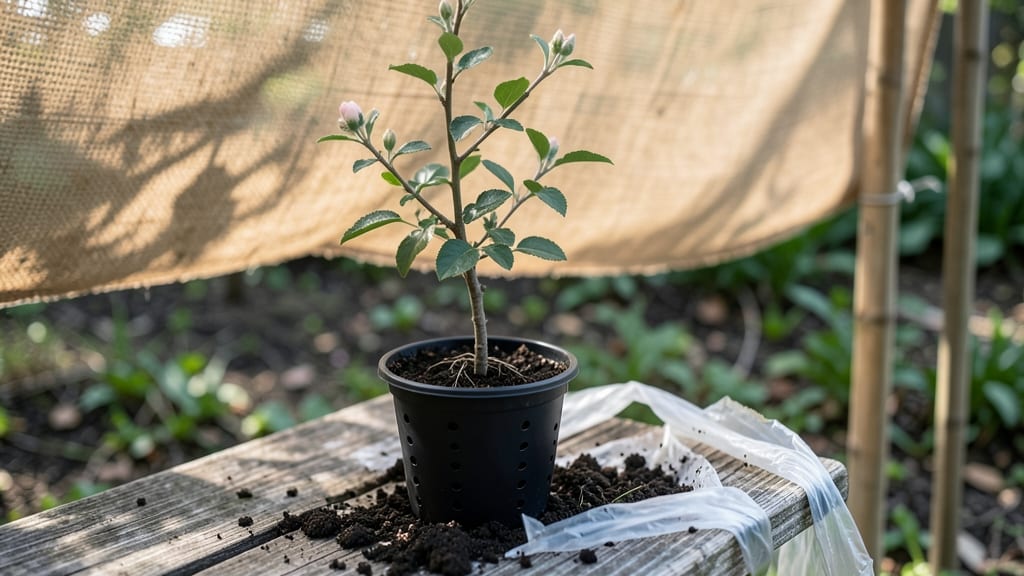
Growing an apple tree from seed means waiting years for fruit—but the journey starts with a single seed and a little winter magic. 🌱 I learned the hard way that skipping the cold stratification step means waiting twice as long for germination.
The process mimics nature’s timing, breaking dormancy so your seedling doesn’t waste energy struggling to survive.
You’ll need just three things: fresh apple seeds (from a variety you love), a plastic bag or damp paper towels, and a fridge for 6-8 weeks. Plant them ½-inch deep in well-draining soil, and give them full sun once they sprout.
Patience is key—these trees grow slow but strong, and with the right care, they’ll reward you with fruit in 5-10 years (though it might not taste like the parent).
The payoff? A tree that thrives in your climate, with roots adapted to your soil. You’ll watch it grow from a 6-inch sapling to a sturdy trunk, its leaves turning vibrant green by summer.
The real test comes when tiny blossoms appear—proof you’ve done it right. Just remember: seed-grown apples are more about the adventure than the harvest.
Works best in zones 4-8, but the method adapts to containers for small spaces. Here’s how to avoid the common pitfalls—like overwatering or impatience—that trip up beginners. Let’s get those seeds started!
📚 In This Guide
- What you need
- Instructions
- Tips and common mistakes
- Wrapping up and next steps
What you need
- ● Apple seeds: 3–5 fresh, viable seeds (harvested from a ripe, organic apple—avoid store-bought seeds if possible 🍎).
- ● Cold stratification supplies: Small paper towel or coffee filter
- ● Ziploc bag or airtight container
- ● Refrigerator (set to 35–40°F for 6–12 weeks)
- ● Potting mix: 1–2 small seedling pots (3–4 inches wide) filled with well-draining, sterile potting soil (or a mix of 50% peat moss + 50% perlite).
- ● Grow lights or sunny windowsill: A south-facing window or a 12–16 hour LED grow light for seedlings.
- ● Spray bottle: For gentle watering (avoid over-saturating the soil!).
- ○ Plastic wrap or humidity dome: To retain moisture during germination (optional but helpful 🌡️).
- ● Seedling heat mat (to speed up germination in cooler climates).
- ● Fertilizer (balanced 10-10-10 or organic compost once seedlings sprout).
- ● Pruning shears (for shaping young saplings later).
- ● Garden journal (to track growth stages and cold stratification progress ✨).
Step-by-step instructions for growing apple trees from seed
Here's how to turn a single apple seed into a cold-hardened sapling ready for planting.
🌱 Step 1: Extract and Prepare the Seeds
Save seeds from apples you love—organic, unprocessed fruit yields the best results. Cut the apple in half, scoop out the core, and carefully separate the seeds from the fibrous core material. Rinse them under cool water to remove any remaining pulp. Let them air-dry on a paper towel for 24 hours at room temperature.
I like to place the seeds between two paper towels in a sealed plastic bag for 3-5 days to encourage slight moisture loss. This prevents rot during stratification. Once they feel slightly dry to the touch but not brittle, they're ready for the next phase. The goal is to mimic the natural drying process seeds undergo in fall before winter.
⏰ Step 2: Stratify Seeds for 3-4 Months
Cold stratification tricks seeds into thinking winter has passed. Mix the dried seeds with a moistened 50/50 blend of peat moss and perlite in a sealed container. Keep the mix damp but not soggy—squeeze should release a few drops, not a stream. Store the container in your refrigerator's crisper drawer for 12-16 weeks at 35-45°F.
Check monthly to ensure no mold develops. If you see fuzzy growth, discard those seeds immediately. Real talk: not every seed will germinate, but you'll typically get 2-4 strong saplings from a single apple. The stratification period is critical—skipping it results in weak, slow-growing seedlings that may never bear fruit.
🪴 Step 3: Plant Stratified Seeds in Pots
Fill 4-inch diameter pots with sterile seed-starting mix (not garden soil) to within ½ inch of the rim. Plant 2-3 seeds per pot at a depth of ½ inch, pressing lightly to ensure good soil contact. Water gently until moisture reaches the bottom of the pot—you should see water emerge from the drainage hole.
Place the pots in a warm, bright location (65-75°F) with indirect light. A seedling heat mat keeps soil temperatures consistent. Germination takes 2-6 weeks, depending on variety and stratification success. Don't overwater now—keep soil evenly moist but never soggy. The first true leaves will appear in clusters of two; these are your signal to reduce watering slightly.
☀️ Step 4: Harden Off and Transplant Saplings
Once seedlings reach 6-8 inches tall with 4-6 true leaves, begin hardening off. Move pots outside to a shaded, sheltered spot for 1 hour daily, gradually increasing exposure over 2 weeks. Watch for wilting—if leaves droop, they're not ready. After 10 days of full sun tolerance, transplant to the ground or 1-gallon containers filled with well-draining soil.
Plant saplings 12-18 inches deep to encourage strong root development. Mulch with 2-3 inches of organic mulch to retain moisture and regulate soil temperature. Apple trees grown from seed take 5-7 years to bear fruit, but proper stratification now ensures they'll survive winter's challenges. Real talk: your first apples won't match store-bought varieties, but the process builds resilience in the tree.
Tips & tricks for perfect apple tree seedlings
Here's what I've learned after growing multiple apple trees from seed—and how to avoid the mistakes I made early on.
Seed Selection Matters: Not all apple seeds are created equal. Choose seeds from organic apples that you love the flavor of, as these will produce trees with similar characteristics. I've found that heirloom varieties yield more predictable results than store-bought apples. The best time to collect seeds is in late fall when the fruit is fully ripe and the seeds are fully developed. Store seeds in a paper envelope in the fridge until you're ready to start the process.
Stratification Success: The 12-16 week stratification period at 35-45°F is non-negotiable for reliable germination. I've tried skipping this step, and while some seeds might germinate, they often produce weak seedlings that struggle to survive. Use a clear container so you can easily monitor moisture levels without disturbing the seeds. The mix should always feel like a wrung-out sponge—never soggy. If you notice condensation on the container walls, it's too moist.
Germination Timing: Those 2-6 weeks of waiting can feel endless, but patience is key. I've found that placing pots on a seedling heat mat set to maintain 65-75°F speeds up germination by about 30%. Once you see the first true leaves (not the initial seed leaves), reduce watering slightly—this prevents damping off disease. The first true leaves will appear in clusters of two, signaling it's time to adjust your care routine.
Hardening Off Strategy: The 2-week gradual exposure is crucial for transplant survival. I start with just 1 hour of shade in week one, then increase by 30 minutes daily. Watch for wilting—this is your signal to slow down. By day 10, if your seedlings handle full sun without stress, they're ready for their permanent home. The deeper you plant (12-18 inches), the stronger the root system will develop, giving your tree resilience against wind and drought.
Pro Tips for Grow Apple Tree From Seed
- Here's what I've learned after growing multiple apple trees from seed—and how to avoid the mistakes I made early on.
- Seed Selection Matters: Not all apple seeds are created equal.
- Stratification Success: The 12-16 week stratification period at 35-45°F is non-negotiable for reliable germination.
Frequently asked questions
Got questions about growing apple trees from seed? You’re not alone! Here are some common concerns—and their answers—to help you succeed.
How long does it take for an apple seed to sprout?
With proper cold stratification (6–8 weeks in the fridge), seeds typically sprout within 2–4 weeks after planting in soil. Patience is key—some seeds may take longer, especially if they’re from hybrid varieties. Keep the soil moist and warm (around 70°F) to encourage germination.
Will my seed-grown apple tree produce fruit?
Yes, but it may take 5–10 years (or longer) to bear fruit. Seedlings often produce different apples than the parent tree—expect surprises! For consistent fruit, consider grafting later or stick to named cultivars. If you’re okay with a wild-type tree, enjoy the adventure!
What’s the best time to plant apple seeds outdoors?
Wait until spring after the last frost, when soil temps are above 50°F. If you planted seeds indoors, harden them off for 1–2 weeks before transplanting. Avoid fall planting—young seedlings won’t survive winter’s chill. A greenhouse or cold frame can help if your climate is harsh.
Why isn’t my apple seed germinating?
Common culprits: improper stratification (forgot the fridge?), dry soil, or old seeds. Try these fixes:
- Re-stratify seeds in a damp paper towel in the fridge for another 4–6 weeks.
- Check moisture—soil should stay consistently damp, not soggy.
- Test seed viability by soaking a few in water; if they sink, they’re likely viable.
Can I grow an apple tree from a store-bought apple?
Just pick a fresh, organic apple (no wax coatings) and follow the same steps. Pro tip: Use heirloom or local varieties for better success—modern grocery-store apples (like Gala or Fuji) may not grow true to type. Save seeds from apples you love!
Wrapping up and next steps
Growing an apple tree from seed is a rewarding journey that connects you to nature’s cycle—though it takes patience and care!
Remember, cold stratification is key to breaking dormancy, and while your tree may not bear fruit true to its parent, the adventure of nurturing life from a tiny seed is priceless. 🌱✨
Ready to take the next step? Once your sapling sprouts and grows strong, consider grafting later to ensure fruit quality—or simply enjoy the beauty of your homegrown tree! Share your progress with fellow gardeners and watch your green thumb grow.