
Size
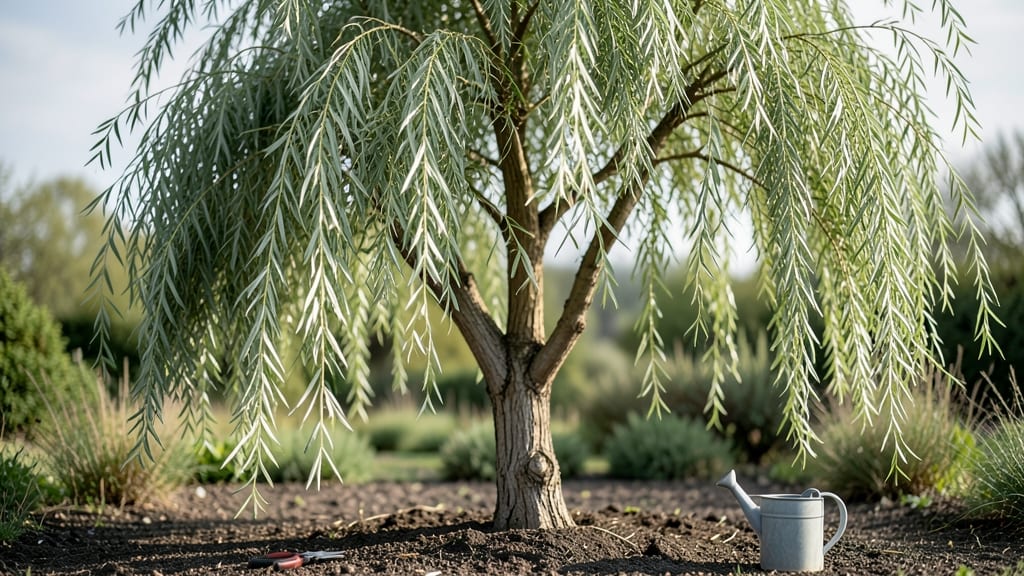
Growing a weeping willow tree means transforming your yard into a serene riverside escape—without the river. 🌿 I planted mine in a damp corner where nothing else thrived, and within two years, it became the focal point with its cascading branches.
The secret isn’t just water; it’s the right soil, timing, and patience to handle its aggressive (but beautiful) growth.
You’ll need a sunny, open spot with at least 15 feet of horizontal space—this tree spreads wider than it grows tall. The soil should be moist but well-draining; weeping willows hate soggy roots but love consistent dampness.
A bare-root sapling (cheaper and hardier) or container-grown tree works, but avoid planting in extreme heat or frost. The first year is all about establishing roots, so skip heavy pruning.
What you’ll get is a dramatic, fast-growing shade tree that drops its branches like a natural waterfall. By year three, you’ll have lush, feathery foliage and that signature weeping silhouette—perfect for ponds, streams, or even large containers.
Just be ready for its aggressive root system; plant it where those roots can wander freely.
Best for USDA Zones 4-8, but adaptable with extra winter protection in colder climates. If you’re in a small yard, consider a container-grown dwarf variety—same grace, less space invasion. Let’s get your willow growing the right way from day one.
📚 In This Guide
- What you need
- Instructions
- Tips and common mistakes
- Wrapping up and next steps
What you need
- ● Weeping willow sapling (Salix babylonica) – Choose a 1- to 3-gallon container-grown tree for best results. Look for healthy roots and vibrant green leaves.
- ● Shovel or spade – A heavy-duty garden shovel (18-24 inches wide) works best for digging planting holes.
- ● Garden gloves – A durable pair (nitrile-coated for grip) protects your hands from thorns and soil.
- ● Pruning shears – Bypass pruners (sharp, 6-8 inch blades) for trimming dead branches or shaping.
- ● Mulch (3-4 inches thick) – Use shredded bark, wood chips, or pine straw to retain moisture and suppress weeds.
- ● Watering can or hose with a gentle spray nozzle – Willows need deep, consistent watering (10-15 gallons per week initially).
- ○ Soil amendment (optional but helpful) – Compost or peat moss improves drainage in clay-heavy soils.
- ● Sunlight access – Weeping willows thrive in full sun (6+ hours daily) near a water source (pond, lake, or moist soil).
- ● Space (20-30 feet wide, 30-50 feet tall at maturity) – Plant at least 15 feet from structures, septic systems, or other trees to avoid root competition.
- ● Well-draining soil – While willows tolerate wet soil, amend heavy clay with sand or compost to prevent root rot.
- ● Local climate check – Weeping willows grow best in USDA Zones 4-8. Verify your hardiness zone!
Step-by-Step instructions for planting a weeping willow tree
Here's the straightforward method I've used to establish healthy weeping willows—no guesswork, just proven results.
🌱 Step 1: Choose and Prepare the Planting Site
Weeping willows thrive near water but need 6-8 feet of clearance from structures and underground utilities. Test your soil's drainage by digging a 12-inch deep hole—if water pools after 30 minutes, amend with 2-3 inches of coarse sand mixed into the native soil. The ideal spot gets full sun to partial shade and has moist but well-drained soil.
I always mark utility lines with flags before digging—willow roots can grow 50 feet wide and damage pipes or foundations. If your yard has clay soil, consider planting in a raised bed with amended soil to prevent root rot. The tree's natural grace comes from its long, cascading branches, so position it where you can enjoy its silhouette from multiple angles.
🪴 Step 2: Plant the Tree at the Right Depth and Stake for Support
Dig a hole twice as wide as the tree's root ball but no deeper—this encourages roots to spread horizontally rather than circling. Gently remove the tree from its container and loosen any circling roots with your fingers. Place the tree in the hole so the top of the root ball sits 1-2 inches above ground level—willows settle over time, and planting too deep suffocates the trunk.
Backfill with native soil mixed with 1 part compost to improve fertility. Water deeply as you fill to eliminate air pockets, then tamp down gently with your foot. Install two sturdy stakes on opposite sides of the tree, 6-8 inches from the trunk, and secure with soft tree ties (never wire). Weeping willows grow 3-5 feet per year, so staking prevents wind damage during establishment.
☀️ Step 3: Water Deeply and Establish a Consistent Care Routine
Water the tree immediately after planting with 10-15 gallons of water, soaking the root zone to 18 inches deep. Mulch the base with 2-3 inches of wood chips, keeping mulch 6 inches away from the trunk to prevent rot. Weeping willows need 1-2 inches of water per week during the first year—more in hot, dry spells. You'll know it's getting enough when the soil feels damp 2 inches below the surface but not soggy.
Here's the thing—willows grow fast, but they're also heavy feeders. In early spring, apply ½ cup of 10-10-10 fertilizer spread over the root zone and water it in. Avoid fertilizing in fall, as new growth won't harden off before winter. Prune only to remove dead or crossing branches in late winter—never top the tree, as it encourages weak, disease-prone growth. Within 3-5 years, you'll have that classic weeping silhouette.
Tips & tricks for perfect weeping willow planting
Confession: I planted my first willow too deep and nearly lost it to root suffocation. Here's what I learned the hard way about nurturing these fast-growing beauties.
Soil Drainage Test: The 30-minute water test in Step 1 is non-negotiable—willows hate soggy roots. If water pools after 30 minutes, mix in that 2-3 inches of coarse sand right away. For clay-heavy soils, consider a raised bed with 50% native soil and 50% amended mix to prevent compaction. The goal is to mimic their natural riverbank habitat where roots get moisture without drowning.
Root Ball Handling: When loosening circling roots in Step 2, don't go overboard—just separate the most obvious girdling roots with your fingers. Over-pruning roots stresses the tree. I've seen gardeners cut away too much, which delays establishment by weeks. Think of it like untangling a hairball: gentle persistence, not brute force. The 1-2 inch root ball elevation above ground is critical—this prevents rot that could kill your tree before it even grows.
Watering Strategy: Those 10-15 gallons immediately after planting aren't just for show—they're creating a moisture reservoir. For the first year, I set up a drip irrigation system on a timer for 30 minutes twice daily during dry spells. The 1-2 inches weekly guideline assumes average rainfall; in my hot climate, I supplement with 2 inches extra during summer months. Always water at the base, never overhead, to prevent fungal diseases that love willow leaves.
Pro Tips for Grow A Weeping Willow Tree
- Confession: I planted my first willow too deep and nearly lost it to root suffocation.
- Soil Drainage Test: The 30-minute water test in Step 1 is non-negotiable—willows hate soggy roots.
- Root Ball Handling: When loosening circling roots in Step 2, don't go overboard—just separate the most obvious girdling roots with your fingers.
Frequently asked questions
Got questions about growing a weeping willow? You’re not alone—this fast-growing beauty comes with a few quirks! Here are answers to the most common concerns to help you plant with confidence.
How fast does a weeping willow grow, and how big will it get?
A weeping willow can grow up to 3–5 feet per year in ideal conditions, reaching 40–75 feet tall and 30–50 feet wide at maturity. Its rapid spread makes it stunning but requires planning—especially if you’re near structures or power lines.
Can a weeping willow survive winter in cold climates?
Weeping willows thrive in USDA zones 4–9, but young trees need winter protection. Mulch the base heavily and wrap the trunk in burlap if temps drop below 10°F. Older trees are hardier but may lose branches in harsh freezes—prune them back in early spring.
How much water does a weeping willow need, and will it flood my yard?
Weeping willows love water—plant them near ponds, streams, or with consistent moisture. However, their sprawling roots can raise water tables, leading to soggy soil. If drainage is poor, consider raising the planting mound or installing a French drain.
Are there smaller alternatives to a traditional weeping willow?
If space is limited, try these dwarf or compact weeping varieties:
- ‘Nana’ weeping willow (10–15 ft tall)
- ‘Pendula’ weeping willow (20–30 ft tall)
- ‘Alba’ weeping willow (golden foliage, 30–40 ft tall)
Or opt for weeping cherries or birches for a similar look with less aggressive roots.
Why are my weeping willow leaves turning yellow or falling off?
Yellowing leaves often signal overwatering, nutrient deficiency, or fungal issues (like verticillium wilt). Check the soil—it should stay moist but not waterlogged. Fertilize in spring with a balanced 10-10-10 formula and prune dead branches. Note: Some leaf drop is normal in fall.
Can I grow a weeping willow in a container?
While possible, weeping willows are not ideal for containers due to their massive root systems. If you must, use a 50+ gallon pot with fast-draining soil and repot every 2–3 years. Expect slower growth and limited spread. For best results, plant in the ground!
Still stumped? Drop your question in the comments—we’re happy to help your weeping willow thrive!
Wrapping up and next steps
Growing a weeping willow tree is a rewarding journey that brings elegance and tranquility to your landscape! With the right location, soil prep, and care, you’ll soon enjoy its graceful, drooping branches swaying in the breeze. Start small, stay patient, and watch your tree flourish into a stunning focal point.
Now that you’re armed with the know-how, take the next step—visit your local nursery to pick out your weeping willow sapling or order one online. Before you know it, you’ll be basking in the beauty of your very own fast-growing, fast-spreading masterpiece! 🌿✨