Propagation
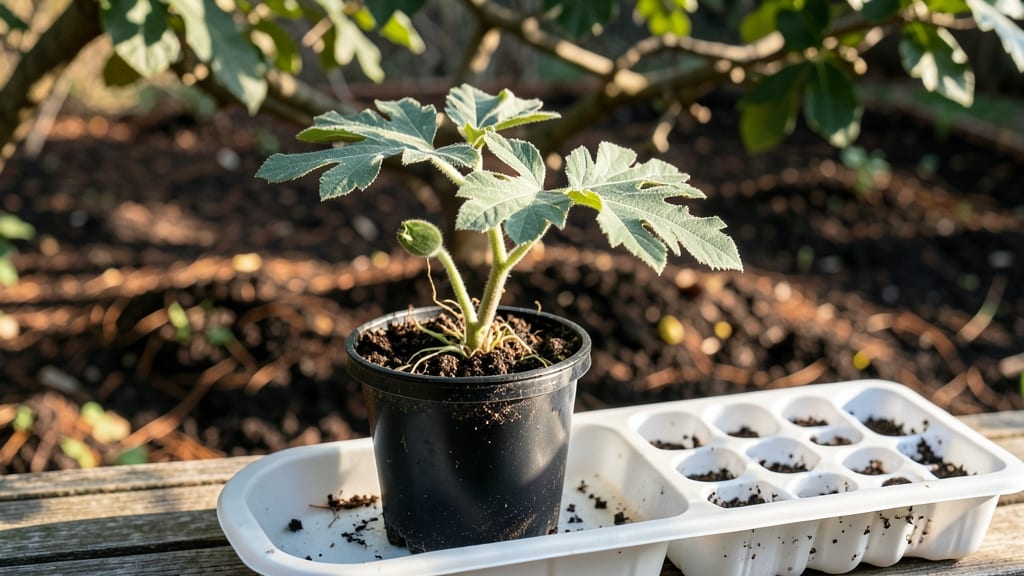
Growing a fig tree from seed is the ultimate long-game gardening project—three years of nurturing a tiny speck into a fruit-bearing giant. 🌱 I’ve started figs from seed twice, and while they never look like the parent plant, there’s something magical about watching that first leaf unfurl after months of waiting.
The key isn’t rushing; it’s creating the perfect conditions so nature does the heavy lifting.
You’ll need just three things to begin: fresh fig seeds (save them from store-bought fruit), a shallow tray with damp paper towels, and a warm spot near a sunny window. The trickiest part is patience—fig seeds can take 4-8 weeks to sprout, and mold is the biggest enemy.
Once they germinate, keep them cozy (around 70°F) and avoid letting the soil dry out, even for a day.
By year three, you’ll have a sturdy sapling ready for transplanting outdoors. The first harvest might not be showstopping—seed-grown figs often produce smaller, less predictable fruit—but the thrill of biting into something you nurtured from scratch makes it worth every season of waiting.
The real reward? A tree that grows stronger with each passing year.
This method works best in USDA Zones 7-10, but container growing extends it to cooler climates. Just remember: figs from seed are a labor of love, not a quick harvest. Let’s get those tiny seeds started on their journey to becoming your backyard’s centerpiece.
📚 In This Guide
- What you need
- Instructions
- Tips and common mistakes
- Wrapping up and next steps
What you need
- ● Fresh fig seeds: 1–5 (harvested from ripe, organic figs—avoid store-bought, as they’re often treated to prevent sprouting).
- ● Well-draining potting mix: 1 small bag (look for a blend labeled for "seed starting" or "cactus/succulent mix" for extra drainage).
- ● Small seed-starting trays or pots: 2–4 (3–4 inches deep, with drainage holes). Pro tip: 💡 Use biodegradable peat pots if you plan to transplant early!
- ● Spray bottle or watering can with a fine nozzle: 1 (for gentle watering—no drenching!).
- ● Clear plastic wrap or humidity dome: 1 (to create a mini greenhouse effect).
- ● Grow lights or a sunny windowsill: 1 (south-facing windowsill gets 6+ hours of light; otherwise, invest in a LED grow light for 12–14 hours/day).
- ○ Heat mat (optional but helpful): 1 (keeps soil warm—fig seeds germinate best at 70–85°F).
- ● Seed scarification tools: Sandpaper (fine-grit) or a knife (to lightly nick the seed coat if germination is slow).
- ● Fertilizer: Balanced liquid fertilizer (e.g., 10-10-10) or worm castings (dilute to half-strength once seedlings sprout).
- ● Humidity tray: A shallow tray with pebbles and water (to boost moisture without overwatering).
- ● Pruning shears: Small pair (for future trimming as your tree grows!).
- ● Larger pots or garden bed: 1–2 (5+ gallon size for transplanting after 1–2 years).
Step-by-step guide to growing a fig tree from seed
Here’s how to start your fig tree journey—it’s slower than cuttings, but the reward is worth it.
🌱 Step 1: Extract and Prepare the Seed
Pick a ripe fig from your grocery store or garden—it needs to be soft and slightly squishy to the touch. Cut it open and locate the large seed nestled inside. Remove it carefully, then rinse it under cool water to clean off any remaining fruit pulp.
Here’s the thing—fig seeds need a little shock to break dormancy. Place the clean seed between two damp paper towels, fold them over, and put the whole thing in a sealed plastic bag. Store it in your fridge for 4-6 weeks. This mimics winter’s cold snap, tricking the seed into thinking it’s time to grow.
🌱 Step 2: Plant the Stratified Seed
After the cold treatment, remove the seed and plant it ½ inch deep in a small pot filled with sterile seed-starting mix. Press the soil gently around it so it stays in place but doesn’t get buried too deep. Figs hate being smothered—they need room to breathe.
Place the pot in a warm spot, like on top of your fridge or near a sunny window (but not direct sunlight yet). Keep the soil lightly moist—never soggy. You’ll know it’s right when the surface stays slightly damp but doesn’t glisten. Germination can take 4-8 weeks, so patience is key.
☀️ Step 3: Nurture the Sprout into a Seedling
Once the seedling emerges, move it to a south-facing window or under a grow light for 12-14 hours daily. Figs love light, and weak seedlings stretch toward it if they don’t get enough. You’ll see strong growth when the first true leaves (not the tiny seed leaves) appear—this is your signal to start fertilizing lightly with a balanced liquid fertilizer every 4-6 weeks.
When the seedling reaches 6 inches tall, it’s time to transplant it into a 5-inch pot with fresh potting mix. Handle the roots gently—they’re delicate. After repotting, water deeply but avoid drowning it. Too much moisture now will rot the roots before they’ve had a chance to establish.
🪴 Step 4: Transition to Outdoor Life
Once your fig seedling has 4-5 sets of leaves and is at least 12 inches tall, it’s ready for its first taste of outdoor air. Start by placing it in a sheltered spot (like a porch or patio) for 2-3 hours daily, gradually increasing time over 2 weeks. This is called hardening off, and it’s crucial—skipping it means shock and possible leaf burn.
After two weeks, you can plant it in the ground or a larger container (at least 12 inches deep). Figs need well-draining soil and full sun—6+ hours daily. If you’re in a colder climate, wait until after the last frost and bring it indoors before temperatures drop below 40°F. Young figs are tender!
⏰ Step 5: Prune and Care for Fruit Production
Figs grow fast, but they need guidance. In early spring, prune any dead or crossing branches with clean, sharp shears. Cut just above a leaf node (the bump where leaves grow) to encourage new growth. This isn’t just about shape—it’s about directing energy toward fruit production.
Water deeply once a week in dry spells, but let the top 2 inches of soil dry out between waterings. Overwatering is the #1 killer of young fig trees. You’ll know you’re doing it right when the tree has glossy, dark green leaves and no yellowing. Fruit will appear in 3-5 years, but with patience, you’ll have a thriving tree that keeps giving for decades.
Tips & tricks for growing a fig tree from seed
These game-changing tips will help you skip the common pitfalls and grow a thriving fig tree from scratch.
Seed Selection: Not all figs are created equal! Choose ripe figs from a variety known for good seed germination like 'Brown Turkey' or 'Celeste'. Avoid dried figs—they won't work. The seed should be plump and firm, not shriveled. I've found grocery store figs work just as well as garden varieties, as long as they're properly ripe.
Stratification Success: The 4-6 week cold treatment is non-negotiable—this breaks the seed's dormancy. I learned the hard way that skipping this step means waiting months (or never seeing) germination. Place your paper towel-wrapped seed in a sealed bag with a damp paper towel to maintain consistent moisture during stratification. If you forget to check, the seed will still germinate but may take longer.
Lighting Strategy: For the 12-14 hours of daily light, position your seedling within 6 inches of a south-facing window or grow light. Figs hate stretching toward light—this creates weak, leggy seedlings. If using a grow light, keep it 2-3 inches above the plant and adjust as it grows. I've seen seedlings grow 2 inches in a week with proper lighting!
Transplanting Tip: When moving your 6-inch seedling to a 5-inch pot, use the "root shake" method: Gently squeeze the root ball to encourage new root growth. This helps establish a stronger root system in the new pot. Water thoroughly after transplanting, but let the top inch of soil dry between waterings to prevent root rot.
Pro Tips for Grow A Fig Tree From Seed
- These game-changing tips will help you skip the common pitfalls and grow a thriving fig tree from scratch.
- Seed Selection: Not all figs are created equal!
- Stratification Success: The 4-6 week cold treatment is non-negotiable—this breaks the seed's dormancy.
Frequently asked questions
Got questions about growing a fig tree from seed? You’re not alone—this process takes time and care! Below are answers to the most common queries to help you troubleshoot and succeed.
How long does it take for a fig seed to germinate?
Germination can take anywhere from 2 weeks to 3 months, depending on temperature, moisture, and seed freshness. Keep the soil consistently moist and warm (around 70–80°F) to speed things up. Patience is key—some seeds may surprise you by sprouting faster!
Can I grow a fig tree from seed outdoors in cold climates?
Fig trees are tender perennials and struggle in freezing temps. If you live in a cold zone, start seeds indoors and transplant seedlings to a protected container or greenhouse during winter. Alternatively, grow them as annuals or bring pots indoors when frost threatens.
Will my homegrown fig tree produce fruit like the one I bought?
Probably not! Fig trees grown from seed are unpredictable—they may take 3–5 years to bear fruit (if ever), and the quality/size could differ from the parent plant. For guaranteed fruit, grafting or buying a young tree is a better bet.
What if my seedling isn’t growing straight or looks weak?
Weak or leggy seedlings often need more light. Move them to a sunny windowsill or under grow lights immediately. If the stem bends, gently stake it or pinch back the top to encourage bushier growth. Yellow leaves? Check for overwatering—figs hate soggy roots!
Can I save fig seeds from store-bought fruit?
Yes! Rinse the seeds clean, dry them, and store in a paper towel in the fridge for up to 6 months. Just know store-bought seeds may be hybrids, so fruit quality isn’t guaranteed. For better results, use seeds from a local, organic fig if possible.
Wrapping up and next steps
Growing a fig tree from seed is a rewarding journey that blends patience with the joy of nurturing life.
With the right care—sunlight, well-draining soil, and consistent watering—you’ll watch your tiny seedling transform into a thriving tree capable of bearing delicious fruit in just a few years. Don’t let the wait discourage you! Once your fig tree is established, consider transplanting it to a permanent spot in your garden or even sharing your newfound knowledge with fellow plant enthusiasts.
🌱 Ready to take the next step? Start by monitoring your tree’s growth, and soon, you’ll be harvesting sweet, homegrown figs straight from your own backyard!