
Size
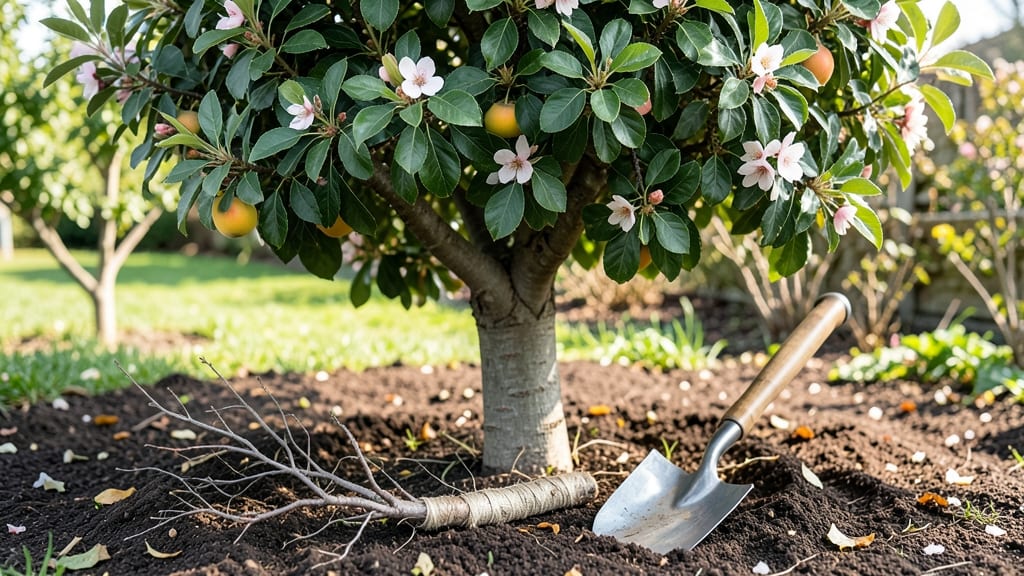
Growing an apricot tree from seed to fruit-bearing in just three years feels like a race against time—but with the right approach, you’ll cross the finish line with a tree that produces sweet, golden fruit. 🌱 The secret lies in starting with fresh seeds, giving them the perfect balance of warmth and light, and then nurturing them through their first critical years when they’re most vulnerable to disease and frost.
You’ll need a sunny spot with well-draining soil, a patient hand for pruning, and a keen eye for pests—especially during those first two years when the tree is still young.
Apricots thrive in USDA zones 5-9, but they demand consistent care: too much water drowns the roots, while too little stunts growth. The payoff?
A tree that rewards you with juicy, fragrant fruit by its third summer, provided you avoid common pitfalls like over-fertilizing or planting in low spots where cold air settles.
By the time your apricot tree hits its third year, you’ll be harvesting fruit that’s sweeter than anything you’ve bought at the store. The branches will be sturdy, the leaves a vibrant green, and the scent of blossoms in spring will make your neighbors ask how you did it.
The key is staying consistent—watering deeply but infrequently, pruning to open the canopy, and protecting young trees from late frosts that can damage blossoms.
This method works whether you’re starting with a pit from a store-bought apricot or a grafted sapling from a nursery. The principles are the same: give the tree space to grow, protect it from extremes, and let nature do the rest. Here’s how to make it happen without the guesswork.
📚 In This Guide
- What you need
- Instructions
- Tips and common mistakes
- Wrapping up and next steps
What you need
- ● Apricot seed or sapling: 1 high-quality seed (from a ripe, organic apricot) or a 1-2 year old bare-root sapling (check local nurseries for disease-resistant varieties like ‘Royal’ or ‘Blaze’).
- ● Well-draining soil: A mix of 60% topsoil, 30% compost, and 10% perlite/sand (for seeds). For saplings, amend native soil with 3-5 gallons of compost per planting hole.
- ● Planting container or garden space: For seeds: 3-4 inch deep pots with drainage holes (or a seed tray).
- ● For saplings: A 2-3 foot wide planting hole (depth = root ball height + 6 inches).
- ● Fertilizer: Seedlings: 5-10-10 balanced fertilizer (1 tbsp per gallon of water, every 4-6 weeks).
- ● Mature trees: Citrus-specific or fruit-tree fertilizer (e.g., 16-4-8 or 10-10-10) in spring and early summer.
- ● Mulch: 2-3 inches of organic mulch (straw, wood chips, or pine needles) to retain moisture and suppress weeds.
- ● Watering can or hose with a gentle spray nozzle: Apricot trees hate soggy roots—aim for 1-2 inches of water per week (deep watering 2-3x/week for young trees).
- ● Pruning tools: Bypass pruners (for small branches < ½ inch thick).
- ● Loppers (for branches ½–1½ inches thick).
- ● Hand saw (for thicker branches).
- ○ Pest control (optional but helpful): Neem oil spray (for aphids, mites).
- ● Sticky traps (for fruit flies).
- ● Bird netting (to protect ripening fruit).
- ● USDA Hardiness Zones: 5–9 (apricots thrive in warm climates with cold winters—they need 300–500 chill hours annually).
- ● Sunlight: Full sun (6–8+ hours daily). Partial shade in hot zones (Zones 8–9) can help.
- ● Wind protection: Young trees need shelter from strong winds (use a windbreak fence or plant near a building).
- ● Test your soil! A pH of 6.0–7.0 is ideal. Adjust with lime (to raise pH) or sulfur (to lower it) if needed.
- ● Cross-pollination: Plant a second apricot variety within 50 feet for better fruit set (e.g., ‘Royal’ + ‘Tilton’).
- ● Drought tolerance: Once established, apricot trees are drought-resistant, but young trees need consistent moisture.
Step-by-Step guide to cultivating an apricot tree
Here's how to turn a simple seed into a thriving fruit-bearing tree.
🌱 Step 1: Stratify and Plant the Apricot Pit
Start with a fresh apricot pit—never dried or store-bought. Scrub off any remaining fruit, then place it between two damp paper towels in a sealed plastic bag. Refrigerate for 6-8 weeks to break dormancy. Check weekly; the towels should stay moist but not soggy.
After stratification, plant the pit 1 inch deep in a 4-inch pot filled with sterile seed-starting mix. Press gently but firmly—you want contact with the soil but no compaction around the pit. Keep the pot in a warm (65-75°F) spot with bright, indirect light. Germination takes 4-12 weeks, so patience is key.
Here's the thing—don't rush it. If you plant too early, the seed may rot. Wait until you see tiny root hairs emerging from the bottom of the pot before moving it to a larger container.
🌿 Step 2: Nurture the Seedling Through Its First Year
Once the seedling sprouts, move it to a 6-inch pot with well-draining potting mix. Apricot trees hate soggy roots, so ensure the pot has drainage holes. Water when the top inch of soil feels dry, but avoid letting it sit in saucers of water.
Place the seedling in full sun (6+ hours daily). If growing indoors, supplement with a grow light kept 4-6 inches away. You'll notice leggy growth if the light is too far—adjust immediately. By late spring, harden off the seedling by gradually introducing it to outdoor conditions over 2 weeks.
Real talk: Most apricot seeds won’t produce true-to-type fruit. For reliable varieties, consider grafting later—but even if it’s not the expected type, the tree will still bear fruit. Prune any weak or crossing branches to encourage a strong structure.
☀️ Step 3: Transplant and Care for the Young Sapling
After 12 months, transplant the sapling to its permanent spot in well-draining soil with full sun exposure. Dig a hole twice as wide as the root ball but no deeper. Apricot trees thrive in USDA Zones 5-9, so choose a location with protection from strong winds.
Water deeply once a week during the first year, then taper to every 2 weeks once established. Mulch around the base with 2-3 inches of organic mulch to retain moisture and regulate soil temperature. Avoid piling mulch against the trunk—keep it 3 inches away to prevent rot.
This is the moment that matters: Fertilize lightly in early spring with a balanced 10-10-10 fertilizer. Too much nitrogen now will encourage leafy growth over fruit production. Watch for yellowing leaves—a sign of overwatering or nutrient imbalance.
✂️ Step 4: Prune and Support Fruit Development
By year 3, your tree should be 6-8 feet tall. Prune in late winter or early spring before new growth begins. Remove dead, diseased, or crossing branches, and thin out crowded areas to improve airflow. Aim for an open vase shape to maximize sunlight penetration.
Apricot trees are self-pollinating, but cross-pollination improves fruit set. If possible, plant a second apricot variety nearby. Thin developing fruit in late spring to 6-8 inches apart—this ensures larger, higher-quality apricots. You’ll see tiny flowers in spring, followed by fruit in late summer.
Don’t skip this: Protect young trees from late frosts. A frost cloth can save blossoms if temperatures dip below 28°F after flowers appear. Patience pays off—your first harvest may be small, but each year will bring more fruit.
Tips & tricks for growing a thriving apricot tree
A few simple strategies will help you avoid the most common pitfalls and set your apricot tree up for success from the very beginning.
Stratification Success: The 6-8 week refrigeration period is non-negotiable for breaking dormancy, but here's what nobody tells you—use a clear plastic bag so you can easily check moisture levels without opening it. The paper towels should feel damp like a wrung-out sponge, not dripping wet. If you see mold after that first week, start fresh with new towels and pit.
Germination Watch: When waiting for those tiny root hairs in Step 1, place your pot on a windowsill where you can see the bottom through the drainage holes. This lets you spot root development without disturbing the soil. Once you see roots pushing through, that's your cue to move to the 6-inch pot—don't wait for the first leaves to appear, or you'll risk overcrowding.
Lighting Strategy: For indoor seedlings in Step 2, position your grow light so it's just skimming the top leaves. If you notice leaves stretching toward the light (leggy growth), lower it immediately—it should be within 4-6 inches but not touching the plant. I've had seedlings grow 2 inches in a single night when the light was too far away, and that sets back development.
Frost Protection: That 28°F threshold in Step 4 is critical, but here's how to be proactive: Monitor your local weather forecast starting in late winter. If you see frost warnings when your tree is in bloom, have your frost cloth ready to go. Covering blossoms before they open prevents frost damage better than covering after—once frost hits, the damage is already done.
Pro Tips for Grow A Apricot Tree
- A few simple strategies will help you avoid the most common pitfalls and set your apricot tree up for success from the very beginning.
- Stratification Success: The 6-8 week refrigeration period is non-negotiable for breaking dormancy, but here's what nobody tells you—use a clear plastic bag so you can easily check moisture levels without opening it.
- Germination Watch: When waiting for those tiny root hairs in Step 1, place your pot on a windowsill where you can see the bottom through the drainage holes.
Frequently asked questions
Got questions about growing your own apricot tree?
You’re not alone! Here are some of the most common concerns—plus clear, actionable answers to help you succeed.
Can I grow an apricot tree from a store-bought apricot?
Yes, but with a caveat! Store-bought apricots are often hybridized for sweetness, so seeds may not grow true-to-type fruit. For reliable results, start with a grafted nursery tree or a seed from a heirloom variety. If you’re experimenting, try it—just plant the pit in moist soil, chill it for 3–4 weeks (to mimic winter), and watch for sprouts in spring!
How long does it take for an apricot tree to bear fruit?
Patience is key! Most apricot trees take 3–5 years to produce fruit from seed, while grafted nursery trees may fruit in 2–3 years if given proper care. Factors like climate, soil, and pruning speed up the process. Don’t rush—focus on healthy growth first, and rewards will follow!
Do apricot trees need cold weather to grow?
Apricots are chilling-hour-dependent, meaning they need 200–1,000 hours below 45°F (7°C) annually to fruit well. If you live in a warm climate (like Zone 9–10), choose low-chill varieties like ‘Blush’ or ‘Tilton.’ In colder zones, standard varieties thrive—just protect young trees from late frosts with frost cloth.
What pests or diseases should I watch for?
Apricot trees are tough but can fall prey to aphids, peach leaf curl, or borers. Prevent issues by:
- Spraying neem oil early for aphids.
- Pruning in dormant season to remove infected branches.
- Ensuring good airflow to deter fungal diseases.
Can I grow an apricot tree in a pot?
Yes, but it’s tricky! Apricots need deep roots and space, so use a 15+ gallon container with drainage holes and well-draining soil. Choose dwarf varieties like ‘Goldcot’ and move the pot to a sunny spot in summer/winter. Expect slower growth and smaller fruit—ideal for patios but not long-term solutions.
Why aren’t my apricot tree’s leaves turning green?
Yellow or pale leaves often signal nutrient deficiencies (like nitrogen or magnesium) or overwatering. Test your soil and:
- Add compost or a balanced fertilizer in spring.
- Check drainage—soggy roots cause stress.
- Look for pests like mites hiding on undersides.
Wrapping up and next steps
Growing an apricot tree from seed to fruit is a rewarding journey that combines patience, care, and a little bit of sunshine 🌞!
By following the right steps—from selecting the perfect seed to nurturing young saplings and protecting them as they mature—you’ll soon enjoy the sweet taste of homegrown apricots. Remember, consistency in watering, pruning, and pest control is key to success.
Now that you’re armed with knowledge, why not take the next step? Plant your first seed today, and in just three years, you could be harvesting your very own apricots. Happy growing! 🌱🍑