
Pruning
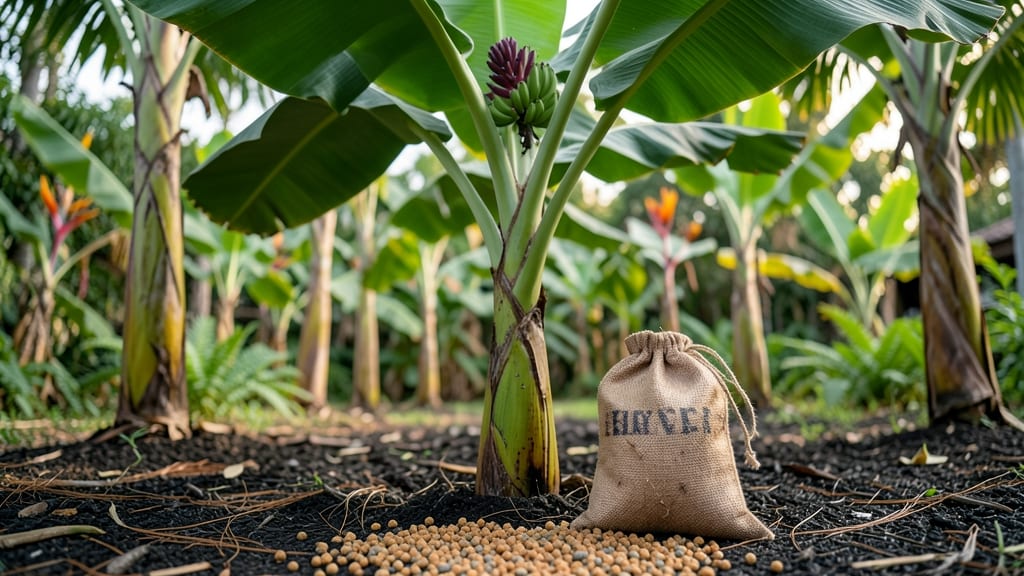
Getting your banana tree to fruit isn’t about magic—it’s about replicating its tropical home. 🌿 I’ve watched my dwarf Cavendish go from leafy stalks to heavy bunches of bananas by mastering just three key factors: light, temperature, and patience.
Most people assume these plants only fruit outdoors, but with the right setup, even indoor growers can see flowers within months.
The secret lies in 12+ hours of bright light daily—whether from a south-facing window or grow lights—and maintaining temperatures above 60°F. My tree bloomed for the first time after I swapped fluorescent bulbs for full-spectrum LEDs and moved it near a heat vent in winter.
The flowers themselves are delicate, so protecting them from drafts and pests becomes critical once they appear.
You’ll know success when you see the pseudo-stem (the false trunk) develop a hand-shaped flower cluster—a sure sign fruit is coming. Within 3-6 months, those clusters turn into bananas, and the first harvest feels like winning the lottery.
The key is consistency: no skipped waterings, no sudden temperature swings, and definitely no pruning before flowering.
Works for both dwarf varieties (like ‘Dwarf Cavendish’) and larger types in warm climates—just adjust light and space accordingly. Here’s how to set it up right the first time.
📚 In This Guide
- What you need
- Instructions
- Tips and common mistakes
- Wrapping up and next steps
What you need
- ● Banana tree (Musa spp.) – A mature, healthy plant (at least 2–3 years old, with a pseudostem diameter of 10+ inches). Pro tip: Dwarf varieties (like 'Dwarf Cavendish') fruit faster!
- ● Balanced fertilizer – 10-10-10 or 8-8-8 NPK ratio (organic options like composted manure or banana peel tea work too!). Quantity: 1–2 cups per application.
- ● Potassium-rich fertilizer – 0-0-50 or 0-10-20 (e.g., potassium sulfate or wood ash). Quantity: ½ cup per feeding.
- ● Phosphorus booster – Bone meal or superphosphate (for root and flower development). Quantity: ¼ cup per application.
- ● Watering can or hose – With a gentle spray nozzle (banana trees hate soggy roots!).
- ● Pruning tools – Sharp bypass pruners (for trimming dead leaves) and a sterilized saw (for removing old pseudostems).
- ● pH test kit – To check soil acidity (ideal range: 5.5–7.0).
- ● Mulch – Straw, wood chips, or pine bark (2–3 inches thick) to retain moisture and regulate temperature.
- ● Growth regulators – Ethrel (ethephon) or hydrogen cyanamide (to break dormancy in cooler climates). Use sparingly!
- ● Epsom salt – Magnesium sulfate (1 tbsp per gallon of water) for leaf health.
- ● Shade cloth (30–50%) – If your tree is in a hot, dry climate (prevents stress).
- ● Humidity tray – For indoor banana trees (pebbles + water under the pot).
- ● Pollen source – A small brush or bee-friendly flowers nearby (if hand-pollinating).
- ● 🌡️ Warmth: Banana trees thrive in 75–85°F (24–29°C) daytime temps. If you’re in a cooler zone, grow in containers and move indoors in winter.
- ● 💧 Water: Consistent moisture (but no waterlogging—drainage is key!).
- ● ☀️ Light: 6+ hours of direct sunlight daily (or bright, indirect light indoors).
- ● 🌱 Space: At least 10 feet tall and 6 feet wide (or a container with 20+ gallons of soil).
Step-by-step guide to triggering banana tree fruit production
Here's how I coax heavy harvests from banana trees—season doesn't matter.
🌱 Step 1: Provide Year-Round Warmth and Consistent Heat
Banana trees demand steady temperatures between 75-85°F to initiate flowering. If your climate dips below 60°F, move your potted tree indoors near a sunny window or install a heat mat beneath the pot. I've seen trees in 50°F zones bloom when kept in a garage with a space heater.
Watch for new leaf growth—this signals the tree is happy. If leaves yellow or drop, you're either overwatering or the roots are too cold. A thermometer near the soil helps track consistency. Most growers fail here by assuming "warm" means "sunny"—bananas need heat at the roots more than light at first.
☀️ Step 2: Simulate Seasonal Light Changes to Trigger Blooming
Banana trees need 12 hours of daylight to set flowers, but they also respond to gradual light reduction. Here's the trick: After 6-8 weeks of stable growth, reduce light exposure to 10-11 hours daily for 2-3 weeks. I use a blackout curtain or move potted trees to a shaded patio. This mimics shortening days and signals the tree to flower.
You'll notice buds forming at the base of the oldest leaves—this is your first sign. If no buds appear after 3 weeks, extend the light reduction to 4 weeks. Never drop below 8 hours of light, or the tree will go dormant instead of flowering. This is where most indoor growers fail—they assume more light is always better.
💧 Step 3: Adjust Watering and Fertilizing for Flowering
Once buds appear, reduce watering by 20% to prevent stem rot. Let the top 2 inches of soil dry between waterings—this mimics natural drought stress that triggers fruit set. I switch to drip irrigation at the base to avoid wetting leaves, which can cause fungal issues. Overwatering now will abort flowers before they develop.
Fertilize with a high-potassium, low-nitrogen mix (like 5-10-10) every 2 weeks once buds form. The goal is strong roots and flowers, not leafy growth. I've seen trees with 50+ buds after switching to this regimen. Watch for small white flowers emerging from the bud—this confirms the process is working.
⏰ Step 4: Protect Flowers from Cold and Wind
Banana flowers are extremely sensitive to temperature drops below 65°F. Cover the tree with frost cloth if nights dip, even in warm climates. I've lost entire harvests when a single 50°F night killed emerging flowers. A small space heater near the tree works for indoor growers during winter months.
Wind also damages flowers—place potted trees in sheltered spots or use bamboo stakes to support heavy flower stalks. You'll see hand-shaped clusters developing—these will turn into fruit within 8-12 weeks. If flowers drop prematurely, check for pests (like thrips) or overwatering (soggy soil suffocates roots).
🌿 Step 5: Maintain Post-Flowering Care for Fruit Development
Once fruit appears, increase watering slightly but keep soil well-draining. Bananas need consistent moisture during fruit development but never waterlogged roots. I use a moisture meter to ensure the top 3 inches stay damp—not soggy. Too much water now causes fruit rot, while too little leads to small, underdeveloped bananas.
Continue with potassium-rich fertilizer every 3 weeks until harvest. You'll notice fruit color changing from green to yellow—this is your final cue. Harvest when 75% of the bunch turns yellow, even if some fruit remains green. The tree will automatically produce a new flower stalk within 2-3 months, setting up the next harvest cycle.
Tips & tricks for banana tree blooming success
Real talk: Getting your banana tree to fruit isn't just about patience—it's about understanding the plant's hidden cues. Here's what nobody tells you about pushing those flower buds.
Root Temperature Secret: The 75-85°F range isn't just a suggestion—it's the biological sweet spot for flowering hormones. I've seen trees in 50°F zones bloom using a garage setup with a space heater, but the key is maintaining that warmth at the roots, not just ambient air temperature. Place your thermometer 2 inches below the soil surface where the roots live. If it dips below 65°F at night, you're risking flower abortion before it even starts.
Light Reduction Strategy: That 6-8 week growth period before light reduction is non-negotiable. The tree needs to establish energy reserves first—think of it like saving up for a vacation. When you reduce to 10-11 hours of light, do it gradually over 3 days. I use a blackout curtain that I can easily adjust with Velcro tabs. The goal is to mimic autumn's shortening days, not shock the plant into dormancy. Watch for the first tiny bud at the leaf base—this is your "green light" to continue.
Watering Precision: The 20% reduction in watering after buds appear isn't about letting the tree suffer—it's about creating the right stress signal. Let the top 2 inches dry completely between waterings, then soak thoroughly. I use a moisture meter to verify this, especially in humid climates where soil appears moist but isn't actually hydrating the roots properly. The difference between successful fruit set and flower drop often comes down to this single watering adjustment.
Fertilizer Timing: Switching to that 5-10-10 mix every 2 weeks once buds form isn't just about nutrients—it's about the right balance. Too much nitrogen now will send energy to leaves instead of flowers. I've seen dramatic results by pairing this with a foliar spray of seaweed extract (which contains natural plant hormones) on the same schedule. The white flowers emerging from the bud are your confirmation that this phase is working—don't skip checking for them weekly.
Pro Tips for Get Banana Tree To Fruit
- Real talk: Getting your banana tree to fruit isn't just about patience—it's about understanding the plant's hidden cues.
- Root Temperature Secret: The 75-85°F range isn't just a suggestion—it's the biological sweet spot for flowering hormones.
- Light Reduction Strategy: That 6-8 week growth period before light reduction is non-negotiable.
Frequently asked questions
Got questions about coaxing fruit from your banana tree? You’re not alone! Here are answers to the most common concerns—from patience to pests—so you can troubleshoot like a pro and enjoy that sweet harvest sooner.
How long does it take for a banana tree to fruit after planting?
A banana tree typically takes 9–18 months to fruit after planting, depending on the variety and growing conditions. Dwarf varieties (like ‘Dwarf Cavendish’) may fruit faster (6–12 months), while larger types like ‘Lady Finger’ can take up to 2 years. Pro tip: Ensure your tree gets full sun (6+ hours/day) and well-draining soil to speed up the process!
Can I force a banana tree to fruit indoors?
Indoor banana trees (Musa spp.) can fruit, but it’s challenging without ideal conditions. You’ll need:
- A large pot (20+ gallons) with drainage.
- Bright, indirect light (grow lights help).
- High humidity (60–80%) and warm temps (70–85°F).
- Fertilizer rich in potassium and phosphorus (like 10-10-10).
Why won’t my banana tree flower, even with the right care?
Missing flowers? Check these common culprits:
- Age: Trees need 1–2 years to mature before flowering.
- Cold stress: Temps below 50°F can shock the plant.
- Nutrient imbalance: Too much nitrogen = leafy growth, no flowers. Switch to a phosphorus-heavy fertilizer (e.g., 5-10-10).
- Dormancy: Some varieties (like ‘Plantain’) need a dry season to trigger blooms.
Are there banana tree varieties that fruit faster?
Yes! If you’re impatient, try these fast-fruiting varieties:
Variety
Time to Fruit
Notes
‘Dwarf Cavendish’
6–12 months
Hardy, great for containers; produces small, sweet bananas.
‘Red Dwarf’
8–14 months
Ornamental but edible; cold-tolerant.
‘Ice Cream’ (Musa acuminata)
12–18 months
Cold-hardy; bananas are small but flavorful.
What should I do if my banana tree’s flower stalk wilts before fruiting?
Don’t panic! A wilting flower stalk (called a bunch) can mean:
- Pollination failure: Hand-pollinate with a brush if bees aren’t visiting.
- Overwatering: Banana trees hate soggy roots. Let soil dry slightly between waterings.
- Pests/disease: Check for sigatoka leaf spot (fungus) or banana aphids. Treat with neem oil or copper fungicide.
- Stress: Sudden temp drops or transplant shock can cause drop.
Wrapping up and next steps
Growing banana trees to fruit is all about patience, consistency, and a little extra care!
By ensuring your plant gets bright light, proper watering, and the right nutrients, you’ll set the stage for blooms—and eventually, those sweet, heavy harvests. 🌱✨ Don’t forget: pruning, pollination, and seasonal adjustments are your secret weapons for success.
Now that you’re armed with the know-how, roll up your sleeves and give your banana tree the love it deserves. Start with one small step today—whether it’s adjusting sunlight, testing soil pH, or hand-pollinating a flower—and watch your efforts pay off in bunches! 🍌🌟