
Trees
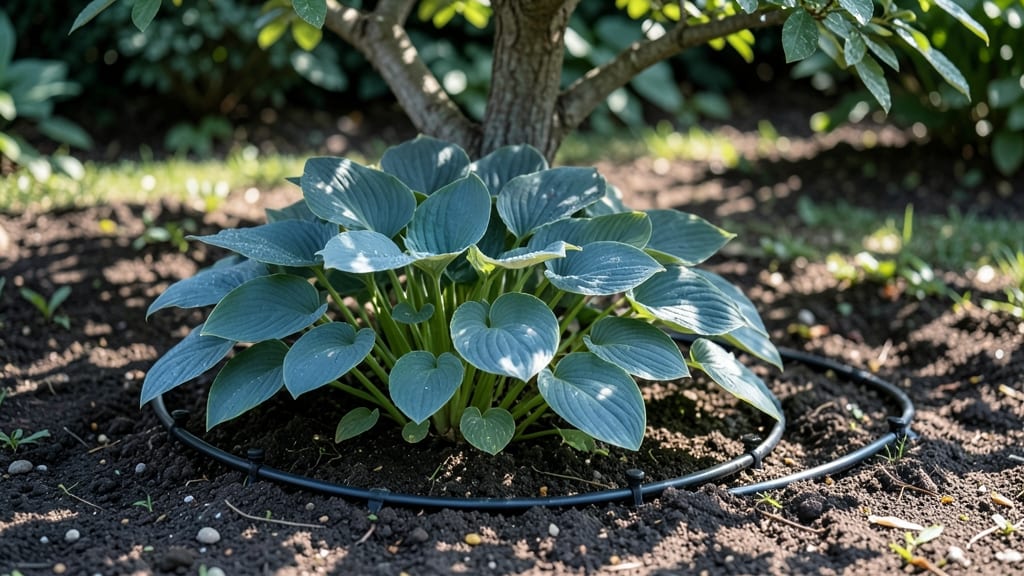
Hostas under trees might sound tricky, but they’re actually shade-loving perfection—my garden’s secret weapon for lush, low-maintenance foliage that thrives where nothing else will. The key is understanding how to work with the tree’s shadow rather than fight it.
I’ve planted hostas beneath maples, oaks, and even dense evergreens, and with the right approach, they stay vibrant all season.
Start with the soil—hostas love rich, moist conditions, so amend the ground with compost before planting. A 3-inch layer of mulch keeps roots cool and retains moisture, which is crucial when tree roots compete for water.
Choose varieties like ‘Halcyon’ or ‘Blue Angel’ for their tolerance to dappled light, and space them 12-18 inches apart to prevent overcrowding as they spread.
You’ll end up with glossy leaves that stay deep green and healthy even in deep shade, plus the bonus of late-summer blooms if you pick the right cultivars.
The foliage adds texture and color beneath trees where grass struggles, and with proper care, these plants become the backbone of your shady garden. Let’s get them planted right.
Watch for slugs in damp conditions and fungal issues if mulch stays too thick—thin it out in spring to improve airflow. Pair hostas with ferns or astilbes for a cohesive look, and avoid planting near aggressive tree roots that can smother them over time.
With these tweaks, your hostas will thrive for years under even the toughest canopy.
📚 In This Guide
- What you need
- Instructions
- Tips and common mistakes
- Wrapping up and next steps
What you need
- ● Hosta plants: Choose shade-tolerant varieties (e.g., 'Blue Angel,' 'Francee,' or 'Halcyon'). Buy 3–6 plants depending on your space.
- ● Organic mulch: 2–3 inches of shredded bark, wood chips, or pine straw to retain moisture and suppress weeds.
- ● Slow-release fertilizer: A balanced 10-10-10 or organic option (e.g., compost or worm castings). Use ~1 lb per 100 sq ft.
- ● Garden gloves & knee pads: For comfortable planting and maintenance.
- ● Garden trowel or spade: For digging holes (6" wide/deep for each plant).
- ● Pruners or shears: To trim overgrown tree roots or hosta leaves as needed.
- ● Watering can or hose with a gentle nozzle: Hostas need consistent moisture—aim for 1–2 inches per week.
- ○ pH testing kit (optional): Ideal soil pH for hostas is 6.5–7.5.
- ● Well-draining soil: Amend heavy clay with compost or sand if needed.
- ● Partial to full shade: Hostas thrive under dappled or dense shade (avoid deep, dry shade).
- ○ Tree root management: If roots are invasive, mulch heavily or use root barriers (optional).
Step-by-step guide to planting and caring for hostas under trees
Here's how to create a thriving shade garden that keeps hostas happy year after year.
Choose the Right Location and Prepare the Soil
Select a spot with dappled shade—hostas tolerate some morning sun but thrive where tree canopy filters light. Test the soil by squeezing a handful; if it crumbles easily, you're good to go. If it stays compact, amend with 2-3 inches of compost to improve drainage and fertility.
Dig a hole twice as wide as the hosta's root ball but no deeper. This encourages roots to spread horizontally rather than settling too low. Loosen the sides of the hole with a fork to prevent compaction around the roots later.
Plant Hostas at the Correct Depth and Spacing
Position the hosta so the top of the root ball sits level with the surrounding soil—burying too deep suffocates the crown, while planting too high leaves it vulnerable to drying out. Gently tease out any circling roots to encourage outward growth.
Space hostas 18-24 inches apart for small varieties and 24-36 inches apart for larger ones. Crowding leads to competition for nutrients, and hostas won't reach their full potential. Water the hole before planting to help soil settle around roots.
Mulch and Water for Establishment
Spread 2-3 inches of organic mulch (like shredded bark or pine needles) over the soil surface, keeping it 2 inches away from the plant crown to prevent rot. Mulch retains moisture, regulates soil temperature, and suppresses weeds—critical under trees where grass struggles.
Water deeply once a week for the first month, ensuring moisture reaches 6 inches down. Hostas under trees often face dry soil because roots compete for water. Check by sticking your finger in—if the soil feels dry past 1 inch, it's time to water again.
Monitor and Maintain Year-Round
In spring, remove old mulch and replace it with fresh material to replenish nutrients. Fertilize lightly with a balanced, slow-release fertilizer (10-10-10) in early spring and again in midsummer. Avoid high-nitrogen fertilizers—they promote leaf growth at the expense of flower production.
Watch for slugs and snails, which love tender hosta leaves. Handpick them at night or use beer traps (bury a shallow container filled with beer) for a chemical-free solution. In winter, add extra mulch to protect crowns from temperature swings.
Tips & tricks for perfect hostas under trees
Took me a while to figure these out, but they'll help you avoid the most common mistakes when planting hostas in shaded areas.
The Location Factor: While hostas tolerate morning sun, they truly thrive in spots where tree branches filter light like a natural shade cloth. Look for areas where dappled sunlight creates moving patterns on the ground—this mimics their natural forest habitat. I've found that the north side of trees often provides the ideal balance of shade and indirect light.
Soil Prep Secret: The 2-3 inches of compost recommendation isn't just about nutrients—it's about creating the perfect crumbly texture. I learned this the hard way after planting in compacted soil where roots struggled to establish. Mix the compost into the bottom of the hole first, then add native soil on top. This creates a "sponge layer" that holds moisture while allowing excess water to drain away from roots.
Planting Depth Insight: Getting the depth right is critical—level with the surrounding soil means the crown sits just below the surface, not buried or exposed. I use a simple trick: after placing the hosta, press gently on the soil. If you can't see the top of the root ball when done, you're good. If it's visible, add a little more soil. This prevents both crown rot from burial and drying from exposure.
Mulch Strategy: The 2-3 inches of mulch serves multiple purposes beyond weed suppression. In summer, it acts like a cooling blanket, keeping roots from overheating. In winter, it insulates against temperature swings that can stress hostas. I've noticed that keeping mulch 2 inches away from the crown prevents rot while still protecting the soil. For extra insurance, I add a layer of straw around the base after planting.
Pro Tips for Hostas Under Trees
- Took me a while to figure these out, but they'll help you avoid the most common mistakes when planting hostas in shaded areas.
- The Location Factor: While hostas tolerate morning sun, they truly thrive in spots where tree branches filter light like a natural shade cloth.
- Soil Prep Secret: The 2-3 inches of compost recommendation isn't just about nutrients—it's about creating the perfect crumbly texture.
Frequently asked questions
Got questions about growing hostas under trees?
You’re not alone! Here are some of the most common concerns—and their solutions—to help you nurture thriving, shade-loving hostas with confidence.
What types of trees are best for growing hostas underneath?
Hostas thrive under light-filtering trees like maples, dogwoods, or birches, which allow dappled sunlight. Avoid dense evergreens (e.g., pines or spruces) that block light entirely—hostas need at least 4–6 hours of indirect light daily. Deciduous trees are ideal because they provide seasonal light adjustments.
When is the best time to plant hostas under trees?
Plant hostas in early spring or early fall when soil is workable but not frozen. Avoid summer heat or winter cold, which stress young plants. If planting in fall, choose hardy varieties (e.g., ‘Blue Angel’ or ‘Halcyon’) to survive winter. Spring planting gives roots time to establish before summer drought.
Do hostas under trees need extra watering?
Yes! Tree roots compete for moisture, so water deeply 1–2 times per week (more in extreme heat). Use mulch (3–4 inches) to retain moisture and suppress weeds. Drip irrigation or soaker hoses work best—avoid overhead watering, which can promote fungal diseases in dense shade.
How do I protect hostas under trees from pests like slugs and deer?
Slugs and deer love hostas! Prevent slugs with copper tape, diatomaceous earth, or beer traps. For deer, use repellents (e.g., hot pepper spray) or plant deer-resistant companions like ferns or astilbes nearby. Physical barriers (e.g., fencing) are most effective for severe infestations.
Can I grow hostas under trees with shallow roots?
Shallow-rooted trees (e.g., cherry or apple) leave plenty of space for hostas. Just avoid planting directly over the tree’s root flare—keep hostas at least 3–5 feet away from the trunk. Amend the soil with compost to improve drainage, and monitor for root competition over time.
Will hostas under trees survive winter?
Most hostas are hardy to USDA Zones 3–9, but mulching heavily (4–6 inches) protects roots in cold climates. Choose cold-tolerant varieties like ‘Francee’ or ‘Patriot’ for extreme winters. Evergreen trees (e.g., hemlocks) may cast deeper shade in winter—ensure hostas still get some light to prevent leggy growth.
Wrapping up and next steps
Hostas under trees offer a low-maintenance, lush solution for shady spots in your garden—thriving where many plants struggle! With the right variety, soil prep, and seasonal care, you’ll enjoy vibrant foliage and blooms year-round. 🌿
Ready to transform your shady corners? Start small: pick one hosta type, test your soil, and plant confidently. Watch your garden flourish with minimal effort—and soon, you’ll be the envy of every neighbor! 🌟
- Next step: Grab your gloves and browse hosta varieties to find your perfect match!