
Trees
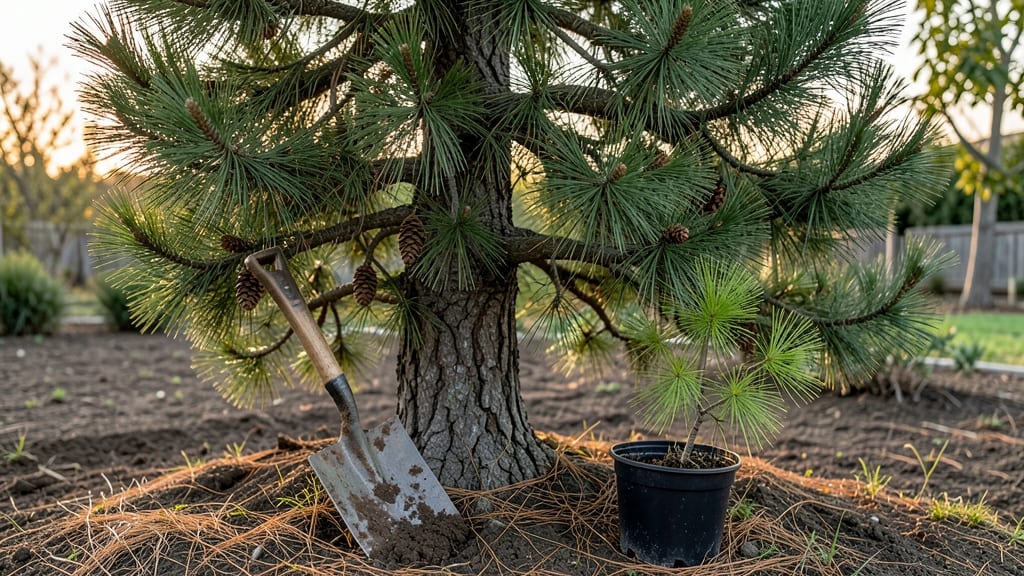
Planting evergreen trees means adding year-round structure and color to your landscape—something that stays beautiful even when deciduous trees sleep through winter. 🌲 I learned the hard way that not all evergreens thrive in every yard, but the right variety in the right spot transforms a dull corner into a four-season statement piece.
The secret starts with cold-hardy species like blue spruce, white pine, or eastern red cedar—each with its own sunlight and soil needs. My first mistake? Planting a thirsty arborvitae in dry, rocky soil.
The key is matching the tree to your microclimate: shade-tolerant options for north-facing yards, drought-resistant types for sunny slopes, and windbreak varieties for exposed areas.
You’ll end up with a tree that stays lush through snowstorms, provides wildlife habitat, and outlasts seasonal trends. The first winter after planting is critical—proper watering and mulching protect young roots, while correct spacing prevents future crowding.
Most evergreens take 3-5 years to fully establish, but the payoff is decades of low-maintenance beauty.
Works for urban backyards, rural windbreaks, or foundation plantings—just pick the right species for your zone. Let’s get those roots in the ground the right way from day one.
📚 In This Guide
- What you need
- Instructions
- Tips and common mistakes
- Wrapping up and next steps
What you need
- ● Evergreen tree seedlings or saplings: Choose cold-hardy varieties like Picea glauca (White Spruce), Thuja occidentalis (Arborvitae), or Juniperus virginiana (Eastern Red Cedar). Quantity: 1–3 trees, depending on spacing needs (check mature size!).
- ● Shovel or digging spade: A 12–18-inch round-point shovel for planting holes.
- ● Garden gloves: Heavy-duty, water-resistant gloves to protect your hands.
- ● Mulch (organic): 3–4 inches of shredded bark, pine straw, or wood chips to retain moisture and suppress weeds.
- ● Watering can or hose with nozzle: A 1–2 gallon watering can or a gentle spray nozzle for hydration.
- ○ Soil amendment (optional but helpful): 5–10 pounds of compost or peat moss to improve drainage in heavy clay soils.
- ● Tree stakes & ties: For young, top-heavy trees (e.g., Pseudotsuga menziesii—Douglas Fir).
- ● Post-hole digger: If staking is needed for deeper root support.
- ● Slow-release fertilizer: 1–2 pounds of balanced (10-10-10) fertilizer for nutrient boost.
- ● Tree guard or wire basket: To protect saplings from deer or pests.
- ● pH test kit: To check soil acidity (evergreens prefer pH 5.0–7.0).
Step-by-step guide for planting cold-hardy evergreen trees
Here’s how to establish evergreens that thrive through winter’s chill and summer’s heat.
🌱 Step 1: Choose the Right Time and Prepare the Site
Plant bare-root evergreens in early spring or fall, when soil is workable but not frozen. Avoid extreme heat or drought periods—transplant shock is worse when roots can’t establish quickly. Select a site with full sun to partial shade, depending on your variety. Spruce and firs tolerate more shade, while pines and junipers thrive in full sun.
Clear the area of weeds and debris, then loosen the soil to a depth of 12-18 inches with a shovel or rototiller. Evergreens need deep, well-draining soil to prevent root rot. If your soil is heavy clay, amend it with 2-3 inches of compost mixed into the top 6 inches. Test the pH—most evergreens prefer slightly acidic soil (pH 5.0-6.5).
🪴 Step 2: Dig the Hole and Position the Tree
Dig a hole twice as wide as the root ball but no deeper. This encourages roots to spread horizontally rather than settling into a compacted pocket. Place the tree in the hole so the top of the root ball sits 1-2 inches above ground level. Evergreens planted too deep suffocate, while those planted too shallow dry out.
Gently remove the tree from its container or spread bare roots outward in a natural shape. Avoid bending roots—this stresses the plant and slows establishment. If planting bare-root, soak the roots in water for 1-2 hours before placing them in the hole. Fill the hole with native soil, tamping lightly every 3-4 inches to eliminate air pockets.
☀️ Step 3: Water Thoroughly and Mulch Properly
Water deeply immediately after planting to settle the soil and eliminate air gaps. Provide 1-2 gallons of water per inch of trunk diameter—a 3-inch trunk needs 3-6 gallons. Let the soil absorb moisture, then add 2-3 inches of mulch (wood chips or pine straw) in a 3-foot diameter ring around the base. Keep mulch 6 inches away from the trunk to prevent rot.
Water again in 3-5 days, then weekly for the first growing season unless rain provides 1 inch of moisture. Overwatering is a common mistake—evergreens hate soggy roots. Check soil moisture by sticking your finger 2 inches deep; if dry, water slowly until it drains through.
✂️ Step 4: Stake and Prune for Stability and Health
Stake only if necessary—young evergreens with top-heavy canopies or in windy areas benefit from temporary support. Use two stakes positioned 6-12 inches from the trunk and tie the tree loosely with soft fabric strips (not wire). Remove stakes after 1-2 years to avoid girdling the trunk.
Prune only to remove broken, crossing, or diseased branches. Avoid heavy pruning—evergreens recover slowly. Use clean, sharp pruners to make cuts just outside the branch collar. Disinfect tools between cuts with rubbing alcohol to prevent spreading disease. Never "shear" evergreens into unnatural shapes; their natural form is their best defense against winter burn.
Tips & tricks for planting evergreen trees
Confession: I planted my first evergreen and nearly killed it by ignoring these key details. Here’s what I learned the hard way—and how you can avoid the same mistakes.
Timing is Everything: Early spring or fall planting gives roots the best chance to establish before extreme weather hits. I once planted in late spring and watched my tree struggle through summer drought—don’t make that mistake. The 1-2 hour soak for bare roots is non-negotiable; it jumpstarts hydration and reduces transplant shock. If you're planting in dry conditions, extend this to 2-3 hours while keeping roots submerged in water.
The Soil Depth Secret: That 12-18 inch soil loosening isn’t just about drainage—it’s about creating a welcoming environment for roots to explore. For heavy clay soil, mix in 2-3 inches of compost only into the top 6 inches, not the entire hole. Evergreens hate soggy feet, so if your site has poor drainage, consider planting on a slight mound rather than amending the entire hole. I learned this after losing a blue spruce to root rot in my backyard’s compacted clay.
Watering Wisdom: The 1-2 gallons per inch of trunk diameter rule is your golden standard, but here’s the trick: split that watering into two sessions. Give half immediately after planting, then the rest 2-3 days later. This prevents water from running straight through while allowing soil to settle. And that mulch ring? Keep it consistent—2-3 inches is perfect, but if you’re in a particularly hot climate, go for 3-4 inches to retain moisture longer.
Staking Strategy: Only stake when truly necessary—top-heavy trees or windy locations. I’ve seen gardeners over-stake, creating girdling issues that strangle the trunk over time. Use soft fabric ties (like old t-shirts) instead of wire, and position stakes 6-12 inches from the trunk at a 45-degree angle. The goal is support, not restriction. Remove stakes after 1-2 years, even if the tree seems stable—roots need to strengthen independently.
Pro Tips for Planting Evergreen Trees
- Confession: I planted my first evergreen and nearly killed it by ignoring these key details.
- Timing is Everything: Early spring or fall planting gives roots the best chance to establish before extreme weather hits.
- The Soil Depth Secret: That 12-18 inch soil loosening isn’t just about drainage—it’s about creating a welcoming environment for roots to explore.
Frequently asked questions
Got questions about planting evergreen trees? You’re not alone! Here are some of the most common concerns—and their answers—to help you plant with confidence.
What’s the best time of year to plant evergreen trees?
The ideal window is late fall to early spring (before buds swell in spring or after leaves drop in fall). This gives roots time to establish before summer heat or winter stress. Avoid planting in extreme cold or drought—soil should be workable but not frozen.
Can I plant evergreens in containers, or do they need ground planting?
Evergreens thrive in the ground, but small varieties (like dwarf spruces or junipers) can grow well in large containers (10+ gallons) for 2–3 years. For long-term health, transplant to soil ASAP. Containers dry out faster—water deeply and mulch to retain moisture.
Why is my evergreen turning brown after planting?
Brown needles often signal transplant shock, drought, or winter burn. Check soil moisture (evergreens hate soggy roots!) and mulch 2–3 inches deep. If browning persists, test for dehydration (crispy tips) or salt burn (from poor soil). A light pruning of damaged branches can encourage new growth.
How cold-hardy do evergreens need to be for my climate?
Match your zone! For example:
- Zones 3–5: Blue spruce, Colorado blue spruce, or balsam fir.
- Zones 6–8: Eastern red cedar, Leyland cypress, or Japanese black pine.
- Zones 9–10: Italian cypress or Mediterranean junipers (but protect from heat stress).
Are there low-maintenance evergreens for beginners?
Try these easy-care picks:
- Dwarf Alberta spruce (slow-growing, deer-resistant).
- Emerald green arborvitae (tolerates urban pollution).
- Thuja occidentalis ‘Sunkist’ (golden foliage, drought-tolerant).
Wrapping up and next steps
Planting evergreen trees is a fantastic way to add year-round beauty, privacy, and stability to your landscape—no matter the season! From cold-hardy pines to resilient spruces, these trees offer low-maintenance elegance while supporting local wildlife.
Whether you're a beginner or a seasoned gardener, the right variety and proper care will ensure your evergreens thrive for decades.
Ready to get started? Take the next step:
- 🌱 Pick your favorite variety from the list above and check its specific needs.
- 📅 Mark your calendar for the best planting season in your climate.
- 🛠️ Gather your tools and dive in—your future shade (or windbreak!) is waiting!