
Pruning
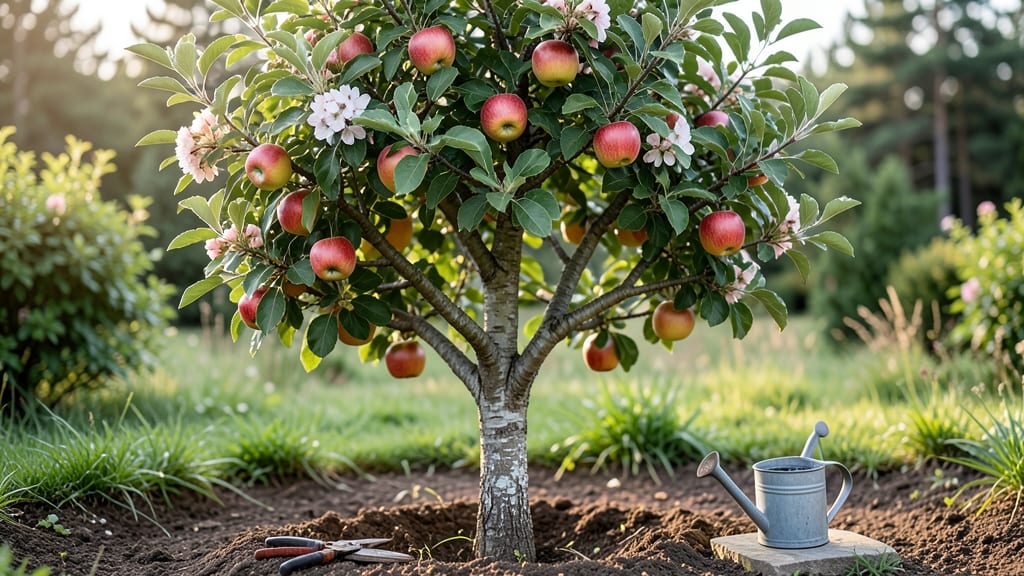
Planting a honeycriso apple tree in your yard promises crisp, sweet apples that taste like a bakery treat—if you follow the right steps.
I learned the hard way that this cold-hardy variety thrives with proper care, and once you get the timing right, it rewards you with reliable harvests year after year. The key is starting strong: choosing the right spot, prepping the soil, and understanding when to prune for maximum fruit production.
This apple tree loves full sun and well-draining soil, but it’s tough enough to handle colder climates down to USDA Zone 4. Most gardeners plant in early spring or fall, giving roots time to establish before winter or summer heat.
A 5-gallon container at the nursery is perfect for beginners—just dig a hole twice as wide as the root ball, mix in compost, and water deeply after planting.
By summer, you’ll see lush green leaves and tiny blossoms that turn into apples by late August. Pruning in late winter (before buds swell) keeps the tree healthy and shapes it for better airflow—critical for preventing disease.
With the right care, you’ll harvest juicy, honey-sweet apples in early fall, and the tree will keep producing for decades.
Whether you’re in a suburban backyard or a rural plot, Honeycrisp adapts well. Just watch for apple scab and codling moths—organic sprays or neem oil work wonders. Once established, this tree needs minimal fuss, making it the foolproof choice for both beginners and experienced growers.
📚 In This Guide
- What you need
- Instructions
- Tips and common mistakes
- Wrapping up and next steps
What you need
- ● Honeycriso apple tree sapling (bare-root or potted, disease-resistant rootstock like M.9 or B.9 for dwarf varieties).
- ● Shovel or transplanting spade (for digging planting holes, 12–18" wide/deep).
- ● Garden fork (to loosen soil and improve drainage).
- ● Pruning shears or loppers (sharp, bypass-style, 6–8" blades for clean cuts).
- ● Organic mulch (wood chips, straw, or compost; 2–3" layer to retain moisture).
- ● Balanced fertilizer (10-10-10 or organic options like composted manure; follow label rates).
- ● Drip irrigation or soaker hose (for consistent watering, especially in dry climates).
- ● Tree ties or soft garden twine (to secure young trees to stakes).
- ● Stakes or bamboo supports (2–3 stakes, 4–6 ft tall, for stability).
- ● Soil test kit (to check pH/nutrient levels; ideal pH: 6.0–6.5 for Honeycriso).
- ● Fruit tree spray (organic copper fungicide or neem oil for pest/disease prevention).
- ● Reflective mulch or tree guard (to deter pests like deer or rabbits).
- ● Grafting tools (if propagating from cuttings or budding).
- ● Sunlight meter (to ensure your planting spot gets 6–8 hours of full sun daily).
Step-by-Step guide to planting and caring for a Honeycriso apple tree
Here’s how to grow this cold-hardy favorite from planting to harvest.
🌱 Step 1: Choose the Perfect Planting Spot
Honeycriso thrives in full sun—select a location with at least 6-8 hours of direct sunlight daily. Apple trees need space, so plant your tree 20-25 feet from buildings, fences, or other trees to allow airflow and prevent disease. The soil should drain well; if yours is heavy clay, amend with 2-3 inches of compost before planting.
Check the soil pH—Honeycriso prefers slightly acidic to neutral (6.0-7.0). If your soil is too alkaline, mix in sulfur or peat moss to adjust. Dig a hole twice as wide as the root ball but no deeper. Loosen the sides of the hole to encourage root spread when you plant.
🪴 Step 2: Plant Your Tree Properly
Remove the tree from its container and gently loosen the roots if they’re circling. Place the root ball in the hole so the top of the root flare (where roots meet the trunk) sits 1-2 inches above ground level. This prevents water from pooling around the trunk and causing rot.
Backfill the hole with native soil, tamping lightly every 6 inches to remove air pockets. Water deeply to settle the soil, then add a 3-inch layer of mulch (like wood chips or straw) around the base, keeping it 6 inches away from the trunk. This conserves moisture and regulates soil temperature.
☀️ Step 3: Water and Fertilize for Strong Growth
Water your Honeycriso deeply once a week for the first 2-3 months, ensuring the soil is moist 6 inches down. After establishment, water every 10-14 days during dry spells, aiming for 1-2 inches of water per week. Overwatering can suffocate roots, so always check soil moisture before watering.
Fertilize in early spring (before buds swell) with a balanced 10-10-10 or 12-12-12 fertilizer, applying ½ pound per inch of trunk diameter. Spread the fertilizer in a 6-inch-wide ring around the drip line, then water it in. Avoid high-nitrogen fertilizers—they promote leafy growth at the expense of fruit.
✂️ Step 4: Prune for Shape and Health
Prune your Honeycriso in late winter or early spring before new growth begins. Remove dead, diseased, or crossing branches, then thin out 10-20% of the canopy to improve airflow. Aim for an open-center shape to allow sunlight to reach the center of the tree, where fruit develops.
Watch for suckers (shoots growing from the base or graft union) and remove them immediately—they drain energy from the main tree. After pruning, apply wound dressing (like tree paint) to large cuts over ½ inch in diameter to prevent disease entry.
🍎 Step 5: Harvest and Maintain for Future Seasons
Honeycriso apples ripen in late September to early October. Harvest when the fruit is fully colored, firm, and releases easily from the tree. Store them in a cool (32-40°F), humid (90-95%) environment for up to 3 months to extend shelf life.
After harvest, apply a thin layer of mulch (renewing as needed) and monitor for pests like apple maggots or codling moths. If needed, use organic sprays (like neem oil) or row covers early in the season. With proper care, your Honeycriso will bear fruit reliably for decades.
Tips & tricks for perfect Honeycriso apple tree care
Between us, these small details make all the difference for your Honeycriso's long-term health and fruit production.
Sunlight Strategy: While the instructions call for 6-8 hours of sun, I've found that positioning your tree to catch morning sun (east-facing) and afternoon shade (west-facing) during hot summers actually improves fruit quality. The Honeycriso handles partial shade better than many varieties, so don't panic if you can't hit full sun—just aim for at least 5 hours daily. The key is avoiding late afternoon heat stress, which can scorch leaves and reduce fruit set.
Root Ball Preparation: When loosening circling roots in Step 2, I recommend using your fingers rather than a knife to avoid damaging the delicate feeder roots. The goal is to create a natural root spread pattern—think of it like untangling a hairball gently. If you notice roots growing in tight circles, you can make 2-3 small vertical cuts around the perimeter to encourage outward growth. This helps the tree establish faster in its new home.
Watering Wisdom: The deep watering instructions are spot-on, but here's what nobody tells you: Water in the morning so the foliage has all day to dry, which prevents fungal diseases like apple scab. I use a soil moisture meter to check that 6-inch depth—when it reads dry, that's your cue to water. In containers, you'll need to water more frequently, sometimes every 5-7 days, because potted soil dries out faster.
Pruning Precision: When thinning that 10-20% of the canopy in Step 4, focus on removing branches that grow inward or rub against each other. These are the ones that create wounds and invite disease. I like to make cuts just outside the branch collar (that swollen area where the branch meets the trunk) using sharp bypass pruners. For larger branches over ½ inch, I'll make the cut in three stages: first undercut, then top cut, and finally clean up—this prevents the bark from tearing.
Pro Tips for Honeycriso Apple Tree
- Between us, these small details make all the difference for your Honeycriso's long-term health and fruit production.
- The Honeycriso handles partial shade better than many varieties, so don't panic if you can't hit full sun—just aim for at least 5 hours daily.
- Root Ball Preparation: When loosening circling roots in Step 2, I recommend using your fingers rather than a knife to avoid damaging the delicate feeder roots.
Frequently asked questions
Got questions about growing and maintaining your Honeycriso apple tree? You’re not alone! Here are answers to the most common queries from gardeners just like you.
How cold-hardy is the Honeycriso apple tree, and can it survive harsh winters?
The Honeycriso is a zone 4-8 variety, meaning it thrives in winters as cold as -30°F (-34°C). Its cold resistance comes from its parentage (Honeygold x Cripps Pink), making it a top pick for northern climates. Just ensure it’s planted in well-draining soil and mulched heavily in late fall for extra protection!
When is the best time to prune a Honeycriso apple tree?
Prune your Honeycriso during late winter or early spring (before buds swell) to encourage healthy growth. Avoid pruning in fall, as it can stimulate new growth that won’t harden off before winter. Focus on removing dead, diseased, or crossing branches—this variety responds well to open-center shaping for better airflow and fruit production.
How do I know if my Honeycriso apples are ripe for picking?
Honeycriso apples typically ripen in late August to early September. Look for apples that are fully colored (a mix of yellow and blush), slightly soft to the touch, and easy to twist from the tree. A gentle sniff test—ripe apples release a sweet, honey-like aroma—is a foolproof trick! Harvest when they’re firm but yielding.
What pests or diseases should I watch for in a Honeycriso apple tree?
This variety is resistant to many common apple diseases, like scab and mildew, but keep an eye out for codling moths (they love Honeycriso’s sweet fruit!) and apple maggots. Use organic sprays (like neem oil) or row covers during bloom to deter pests. Regular pruning also reduces hiding spots for insects.
Can I grow a Honeycriso apple tree in a container, or does it need a garden?
While Honeycriso trees can technically grow in containers, they’re best suited for in-ground planting due to their eventual size (12–15 feet tall). If you’re set on container growing, choose a large, sturdy pot (at least 20+ gallons) with drainage holes and replant every 3–4 years to refresh the soil. Dwarf varieties (like ‘Honeycriso’ grafted onto a semi-dwarf rootstock) are your best bet for small spaces!
Wrapping up and next steps
Growing a Honeycriso apple tree is a rewarding journey—especially when you know it thrives in colder climates and delivers sweet, flavorful fruit year after year! 🍏 With the right pruning techniques, proper tools, and a little patience, you’ll be well on your way to a bountiful harvest.
Don’t let winter worries hold you back; this resilient variety is perfect for gardeners eager to enjoy homegrown apples.
Ready to take the next step? Start by sketching your tree’s shape and gathering your tools—then roll up your sleeves and prune with confidence! 🌱 Whether you’re a seasoned gardener or just beginning, every cut brings you closer to a thriving orchard. Happy pruning!