
Pruning
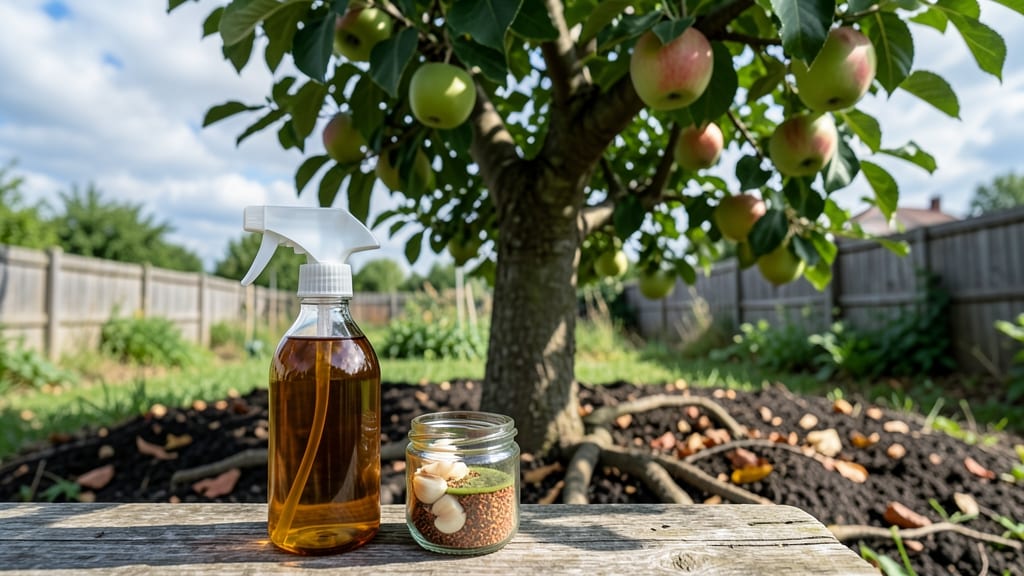
A homemade fruit tree spray saved my peach tree last summer when aphids turned the leaves sticky and curled. 🌱 The key was combining neem oil, garlic, and a touch of soap—ingredients I already had in my pantry.
This spray isn’t just effective; it’s a game-changer for organic gardeners who want to skip harsh chemicals without sacrificing results.
Most store-bought sprays contain synthetic ingredients that disrupt ecosystems, but this homemade version targets pests while keeping beneficial insects safe. You’ll need just five simple ingredients—neem oil, garlic, liquid soap, water, and a spray bottle—and about 15 minutes to mix it up.
The best part? It’s cost-effective, running about $5 for a gallon, compared to $20+ for commercial sprays.
What you’ll achieve is a strong, natural defense against aphids, mites, and fungal diseases like powdery mildew. After just one application, you’ll notice fewer pests and healthier foliage.
The spray works best when applied early morning or late evening to avoid harming bees, and it’s safe to use every 7-10 days during peak pest seasons.
This recipe adapts well to different fruit trees—apples, cherries, and citrus all respond well. The only adjustment you might need is the concentration for heavy infestations, but we’ll cover that in the full guide. Ready to protect your trees the natural way?
📚 In This Guide
- What you need
- Instructions
- Tips and common mistakes
- Wrapping up and next steps
What you need
- ● 1 gallon of water (distilled or filtered if possible)
- ● 1 tablespoon of liquid dish soap (unscented, like Castile soap—no degreasers!)
- ● 1 tablespoon of horticultural oil (neem oil or food-grade mineral oil)
- ○ 1 tablespoon of baking soda (optional but helps with fungal issues)
- ● 1 tablespoon of white vinegar (for extra pest-deterring power)
- ● 1 cup of chopped garlic or onion (or 1 tbsp garlic/onion powder for convenience)
- ● 1-2 cayenne pepper pods (crushed, for spicy pest repellent)
- ● 1 tbsp of vegetable oil or coconut oil (helps ingredients stick to leaves)
- ● A large mixing bowl or bucket (non-reactive, like stainless steel or glass)
- ● A wooden spoon or whisk (avoid metal to prevent chemical reactions)
- ● A fine-mesh strainer or cheesecloth (to filter out solids)
- ● A spray bottle or pump sprayer (1-2 gallons capacity, preferably with a fine mist nozzle)
- ● Protective gear: gloves, long sleeves, and safety goggles (especially when handling cayenne or vinegar)
- ● Sunny day (apply spray in the early morning or late afternoon to avoid leaf burn)
- ● 1 tsp of cinnamon (natural antifungal boost)
- ● 1 tbsp of molasses (attracts beneficial insects)
- ● Essential oils (like peppermint or rosemary—use sparingly!)
Step-by-Step guide to making homemade fruit tree spray
Here's the natural recipe I've used for years—simple, effective, and safer for your orchard.
🌿 Step 1: Gather and Mix the Base Solution
Start by combining 1 gallon of water with 1 tablespoon of vegetable oil in a large container. The oil helps break down pests' protective coatings. Stir gently to emulsify—you want a cloudy mixture, not a thick layer. I like to use a clean, dedicated spray bottle or bucket for this step to avoid cross-contamination.
Next, add 1 tablespoon of mild liquid soap (like Castile soap). This acts as a surfactant, allowing the spray to adhere to leaves and fruit. Avoid harsh detergents—they can damage plant tissues. Mix thoroughly until the soap fully dissolves and the solution looks uniformly cloudy.
💧 Step 2: Add Pest-Repelling Ingredients
Pour in 1 tablespoon of neem oil—this is the powerhouse ingredient that disrupts pests' life cycles and deters future infestations. Neem oil also has mild fungicidal properties, making it a two-in-one solution. Stir well to distribute it evenly throughout the mixture.
For extra protection, add 1 tablespoon of garlic juice (strained from 2-3 cloves) or 1 teaspoon of cayenne pepper. Both ingredients add natural repellent properties. Garlic contains sulfur compounds that pests dislike, while cayenne pepper irritates their sensory systems. If using cayenne, mix it first with a little water to create a slurry before adding it to the main solution.
✂️ Step 3: Strain and Transfer to Spray Bottle
Strain the mixture through a fine-mesh sieve or cheesecloth to remove any undissolved particles. This prevents clogging your sprayer and ensures a smooth application. Pour the filtered solution into a 1-quart spray bottle with a fine mist nozzle—this gives you precise control over coverage.
Fill the bottle only halfway, leaving room for shaking. Shake vigorously before each use to re-emulsify the oil and soap. Store the remaining solution in an airtight container in the refrigerator for up to 1 week, though I recommend using it fresh for maximum effectiveness.
☀️ Step 4: Apply at the Right Time and Frequency
Apply the spray early in the morning or late afternoon when temperatures are cooler. This reduces the risk of leaf burn from the soap and oil mixture. Focus on the undersides of leaves, where many pests hide, and the stems. Avoid spraying when fruit is ripe or when bees are active—wait until evening when pollinators are less active.
Reapply every 7-10 days or after rainfall, as the solution washes off over time. For severe infestations, you may need to apply it more frequently, but always monitor your trees for signs of stress. If you notice yellowing leaves or wilting, reduce the soap concentration next time or dilute the spray further.
Tips & tricks for perfect homemade fruit tree spray
Between us, these simple adjustments will make your homemade fruit tree spray work even better—and last longer—than store-bought options.
Emulsification is everything: The cloudy appearance in Step 1 isn't just visual—it's functional. When combining the 1 gallon of water with 1 tablespoon of vegetable oil, use a whisk or immersion blender for 10-15 seconds to create microscopic oil droplets. This increases surface area, making the spray more effective at breaking down pests' protective barriers. I learned this the hard way after my first batch separated mid-spray.
Soap concentration matters: While 1 tablespoon of mild liquid soap works well for most trees, reduce to ½ tablespoon if you notice any yellowing leaves after application. The soap acts as a surfactant, but too much can damage plant tissues. For sensitive trees like citrus, I often halve the soap amount entirely while keeping the other ingredients the same.
Neem oil potency tip: The 1 tablespoon of neem oil is your workhorse ingredient, but not all neem oils are created equal. Look for cold-pressed, organic neem oil with at least 30% neem oil content (check the label). Cheaper versions may contain fillers that reduce effectiveness. Store your neem oil in a cool, dark place to preserve its potency—exposure to light degrades its active compounds.
Application technique upgrade: When spraying in Step 4, focus on achieving "coverage without runoff." Light, even misting on both leaf surfaces works better than heavy saturation. For large trees, consider using a pump sprayer for better reach. Always test your spray on a small leaf area first to check for adverse reactions—especially if you're using cayenne pepper, which can be more irritating to some plants.
Pro Tips for Homemade Fruit Tree Spray
- Between us, these simple adjustments will make your homemade fruit tree spray work even better—and last longer—than store-bought options.
- Emulsification is everything: The cloudy appearance in Step 1 isn't just visual—it's functional.
- Soap concentration matters: While 1 tablespoon of mild liquid soap works well for most trees, reduce to ½ tablespoon if you notice any yellowing leaves after application.
Frequently asked questions
Got questions about making and using your homemade fruit tree spray?
You’re not alone! Here are answers to the most common concerns—so you can confidently protect your trees without the hassle (or chemicals).
Can I use this spray on all types of fruit trees?
Mostly! This recipe works well for apple, peach, cherry, and citrus trees, but avoid using it on walnut or pecan trees—they’re sensitive to certain ingredients. Always spot-test a small area first to check for reactions.
How often should I spray my fruit trees?
For best results, spray every 7–14 days during peak pest season (spring through early summer). If you’re dealing with a severe infestation, increase to weekly applications. Pro tip: Early morning or late evening spray times reduce evaporation and harm to beneficial insects.
What if my spray doesn’t seem to work?
If pests persist, check for these issues:
- Coverage: Spray both sides of leaves and stems thoroughly.
- Timing: Apply before pests appear (preventative > reactive).
- Strength: Double the garlic/pepper ratio for tougher pests like aphids.
- Weather: Rain can wash it off—reapply after storms.
Is it safe for bees and other pollinators?
Yes, but with caution! Avoid spraying when flowers are open (bees are active). Opt for evening applications or use a bee-friendly barrier spray (like a band of petroleum jelly around the trunk) to keep bees away during treatment.
What’s a quick alternative if I don’t have all the ingredients?
No problem! Here are two easy swaps:
Missing Ingredient
Substitute
Garlic
1 tbsp cayenne pepper (adds heat and repels pests)
Castile soap
1 tsp dish soap (mild, like Dawn)
Neem oil
1 tbsp vegetable oil (less effective but still helps)
Wrapping up and next steps
Crafting your own homemade fruit tree spray is a rewarding way to protect your garden naturally while keeping chemicals out of your ecosystem. With just a few simple ingredients—like neem oil, dish soap, and garlic—you can create an effective, eco-friendly solution that nurtures your trees and the environment. 🌿
Ready to give it a try? Start small—test your spray on one tree first—and observe how your fruit trees thrive with this gentle, powerful defense. Happy gardening! 🌱