
Pruning
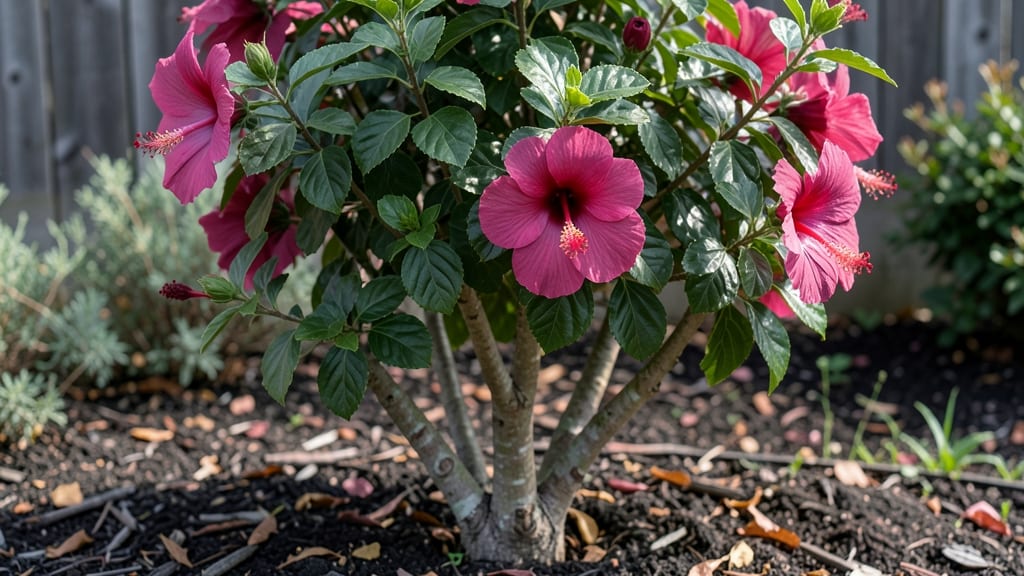
Pruning your hibiscus flowering tree isn’t just about shaping—it’s the secret to nonstop blooms all season. 🌺 I’ve watched my own hibiscus go from a sparse, leggy mess to a bursting display of flowers after mastering just three targeted cuts.
The key is timing: prune at the right moments, and you’ll trigger new growth that blooms like clockwork.
Most gardeners overcomplicate this, but it’s actually simple: cut back 1/3 of the oldest wood in early spring, trim spent blooms after they fade, and do a light shaping in late summer. Each cut serves a purpose—spring jumpstarts growth, summer keeps the plant tidy, and fall ensures next year’s flowers.
You’ll need sharp pruners, rubbing alcohol for sterilizing, and a clear day to avoid soggy cuts.
What you’ll end up with is a hibiscus that flowers heavily from spring through fall, with stems thick enough to support those showstopper blooms. The foliage stays lush and green, and you’ll notice fewer bare spots where pests or disease could take hold.
Even hardy varieties (like the Chinese hibiscus) respond dramatically to this approach.
Works for both tropical hibiscus (zone 9+) and hardy types (zone 5-8), though winter protection matters for the latter. The same principles apply whether you’re pruning a young tree or an established one—just scale the cuts. Ready to transform that underperforming hibiscus into a flowering powerhouse?
📚 In This Guide
- What you need
- Instructions
- Tips and common mistakes
- Wrapping up and next steps
What you need
- ● Ready to give your hibiscus flowering tree the TLC it deserves? Here’s everything you’ll need to prune like a pro and keep those vibrant blooms coming year-round!
- ● Pro tip: 💡 Sharpen your tools before starting—dull blades tear branches, inviting disease!
How to prune a hibiscus tree for continuous blooms
Three precise cuts will transform your flowering tree into a year-round showstopper.
✂️ Step 1: Late Winter Cleanup Cut
Start in late February when new growth is just beginning. This is your reset button—remove all dead, damaged, or crossing branches first. I grab my pruning shears and make clean cuts just above a leaf node or outward-facing bud. You'll see the difference immediately: the tree's structure opens up, letting light and air circulate where flowers will form.
Don't worry if it looks bare at first. Hibiscus responds best when you remove up to one-third of the plant's volume in this first cut. Focus on branches growing inward or rubbing against others—these compete for energy and produce fewer blooms. After removing these, step back and admire the open framework you've created. This is where new growth will emerge strongest.
☀️ Step 2: Post-Bloom Summer Pruning
Wait until after your hibiscus finishes blooming in summer (usually 2-3 weeks post-flower). This is when you shape the tree for next season's flowers. I look for branches that produced blooms this year and cut them back by one-third to one-half of their length. The reason? You're encouraging the plant to develop new lateral branches from those cut points, which will become next year's flowering sites.
Here's the thing—hibiscus blooms on new wood. By cutting back after flowering, you're essentially telling the plant, "Grow more branches here so we can have even more flowers next time." Don't be afraid to get aggressive with this cut. I've seen hibiscus trees go from sparse bloomers to flower-covered beauties after just one summer pruning session. Just avoid cutting into old, woody stems—focus on the newer growth from this year.
⏰ Step 3: Light Fall Maintenance Cut
In early fall, make your final cut of the year. This is a gentle shaping session where you remove any branches that grew too long or look leggy during the summer. I target branches that are growing straight up (they rarely produce flowers) and cut them back to an outward-facing bud. You'll notice these branches often have a more yellowish-green cast—they're the ones that stretched for light but didn't bloom.
This final cut also gives you a chance to clean up any suckers or water sprouts that appeared during the growing season. These are the fast-growing, weak branches that sap energy from your flowering wood. After this cut, your hibiscus will enter winter with a balanced structure, ready to burst into bloom as soon as spring arrives. The key is to finish by mid-October so the plant has time to heal before cold weather sets in.
Tips & tricks for perfect hibiscus flowering tree pruning
Here's what nobody tells you about transforming your hibiscus into a nonstop blooming machine.
Timing Secret: The late February window for your first cut is your golden opportunity to reset the tree's energy. I always check for those tiny green buds just peeking out—this is your cue that winter's grip is loosening. If you wait too long, you'll miss the chance to remove those energy-sucking crossing branches before new growth gets too established. Think of it like giving your hibiscus a fresh start before the growing season really kicks in.
Pruning Technique: When making cuts in Step 1, look for the outward-facing buds—they're the ones that will grow into strong, flowering branches. I learned this the hard way after pruning toward the center of the tree and ending up with a dense, shadowy interior that barely bloomed. Always cut just above that bud at a slight angle to prevent water from pooling and rotting the cut. This small detail makes all the difference in how your tree responds.
Summer Pruning Strategy: That 2-3 week waiting period after blooming in Step 2 is crucial—it gives the plant time to store energy in its branches before you prune. I've seen people cut too soon and end up with fewer flowers the next season. The key is patience: wait until the last bloom falls completely, then give it another week to be sure. This timing ensures you're cutting back branches that are full of stored energy for next year's growth.
Fall Maintenance: The mid-October deadline for your final cut isn't arbitrary—it's about giving your hibiscus time to heal before winter. I always check the weather forecast and aim to finish pruning at least 2 weeks before the first hard frost. This healing period helps the tree develop protective layers over the cuts, preventing winter damage. Plus, a well-pruned tree is far more resilient when winter finally arrives.
Pro Tips for Hibiscus Flowering Tree
- Here's what nobody tells you about transforming your hibiscus into a nonstop blooming machine.
- Timing Secret: The late February window for your first cut is your golden opportunity to reset the tree's energy.
- Pruning Technique: When making cuts in Step 1, look for the outward-facing buds—they're the ones that will grow into strong, flowering branches.
Frequently asked questions
Got questions about keeping your hibiscus flowering tree happy and blooming year-round? Here are some of the most common ones—and their answers!
When is the best time to prune a hibiscus flowering tree for maximum blooms?
The ideal time is late winter or early spring (just before new growth starts) for shaping and removing dead wood. For continuous blooms, do a light pruning after each major flush of flowers (every 6–8 weeks). Avoid heavy pruning in fall—it can stunt next year’s blooms!
How much can I trim back my hibiscus without harming it?
You can safely remove up to 1/3 of the plant’s height in one session, but never cut more than 25% of the foliage at once. Focus on dead, crossing, or overcrowded branches first. For tropical hibiscus, avoid aggressive pruning—they bloom on new growth, so too much cutting delays flowers.
Why aren’t my hibiscus flowers lasting long, even after pruning?
Short-lived blooms often mean overwatering, poor drainage, or nutrient deficiencies. Hibiscus thrive in well-draining soil and need balanced fertilizer (high in phosphorus for flowers). Also, check for pests like aphids or spider mites—they stress the plant. Aphids? Blast them off with water!
Can I grow a hibiscus flowering tree in a pot, and how does pruning differ?
Potted hibiscus need regular pruning (every 4–6 weeks) to control size and encourage bushiness. Use container-specific fertilizer and ensure pots have drainage holes. In winter, move them indoors (if hardy hibiscus) or prune lightly to reduce stress. Pro tip: Pinch back tips to promote branching!
What’s a good alternative if my hibiscus isn’t thriving despite pruning?
If your hibiscus struggles with pests, disease, or harsh climates, try hardy hibiscus (Hibiscus syriacus) or tropical hibiscus hybrids like ‘Dwarf Red’ or ‘Lime Green.’ For low-maintenance blooms, consider bougainvillea or plumeria—they’re drought-tolerant and love pruning too!
Wrapping up and next steps
Transforming your hibiscus flowering tree into a year-round blooming beauty is simpler than you think! With just three strategic cuts—spring shaping, summer blooming, and fall cleanup—you’ll unlock vibrant flowers and a healthier plant.
Remember, timing and technique are everything, so don’t hesitate to grab those pruners and get started.
Ready to give your hibiscus the care it deserves? 🌸 Start with one season’s pruning today—your tree (and your garden!) will thank you. Happy pruning! 🌿✂️