
Pruning
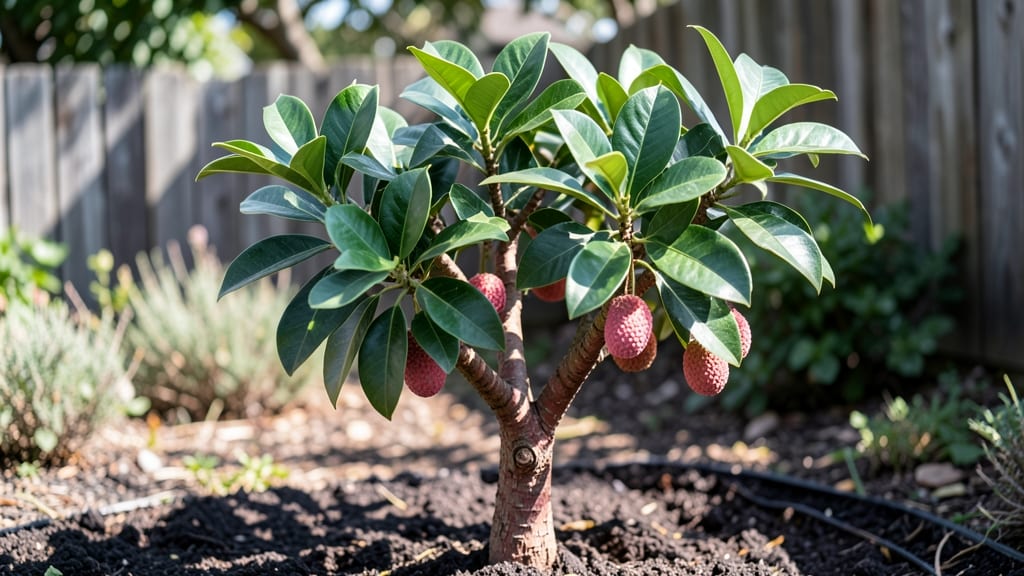
A grafted lychee tree can produce fruit year-round with just three strategic cuts. 🌱 I learned this after struggling with a single, sporadic harvest from my own tree—until I discovered how pruning unlocks its full potential.
The secret lies in shaping the tree to maximize sunlight exposure and air circulation, which directly impacts fruit set and ripening.
This method works best in warm climates like zones 10-12, where lychees thrive year-round. You'll need sharp pruning shears, a clean workspace, and a plan to remove dead wood, thin crowded branches, and encourage new growth.
The process takes about 30 minutes and transforms a struggling tree into a productive powerhouse.
By summer, you'll see a dramatic difference—more flowers, heavier fruit loads, and fewer pests. The tree becomes easier to manage, with fewer branches competing for resources. Plus, the fruit ripens more evenly, so you're not left with a mix of green and overripe lychees all at once.
Whether you're dealing with a young sapling or a mature tree, these cuts adapt to any stage. The key is timing: prune lightly in late winter, shape in early spring, and do a final trim after harvest.
It's the difference between a tree that barely produces and one that feeds your family for months.
📚 In This Guide
- What you need
- Instructions
- Tips and common mistakes
- Wrapping up and next steps
What you need
- ● Grafted lychee scion (rootstock + grafted variety): 1 healthy, disease-free Litchi chinensis scion (e.g., 'Brewster,' 'Mauritius,' or 'Hawaiian' varieties).
- ● Rootstock: Litchi chinensis or compatible Litchi species (e.g., L. awongii).
- ● Pruning tools: 1 sharp bypass pruner (for clean cuts on branches ≤ ½ inch thick).
- ● 1 pruning saw (for branches > ½ inch thick).
- ● 1 pair of sterilized gloves (to prevent disease transfer).
- ● Pruning paste or wound sealant: 1 small tube (Tanglefoot Pruning Seal or similar).
- ● Disinfectant: 70% isopropyl alcohol or bleach solution (1 part bleach to 9 parts water).
- ● Tree support: 1-2 tree ties or soft garden twine (for securing grafts).
- ● Labeling tags: Waterproof plant markers (to track grafted varieties).
- ● Fertilizer: Balanced citrus/lychee fertilizer (e.g., 6-6-6 NPK ratio).
- ● Weather protection: Lightweight shade cloth (for post-graft recovery).
How to prune a grafted lychee tree for maximum fruit production
Three well-timed cuts will transform your grafted lychee into a year-round fruiting machine.
✂️ Step 1: Perform the Winter Dormancy Cut (Late January)
Use sharp pruning shears to remove all dead, diseased, or crossing branches first. These are easy to spot—they're brown, brittle, or growing inward toward the center of the tree. Cut back to the nearest outward-facing bud or branch collar, making a clean 45-degree angle just above it.
Next, thin out 20% of the remaining branches, focusing on the oldest wood. You'll know you've done enough when light filters through the canopy easily. This opens the tree up to sunlight, which is critical for fruit development. Avoid cutting more than one-third of the tree's foliage in a single session—this stresses the plant and can reduce next year's harvest.
☀️ Step 2: Light Summer Pruning (Mid-June)
After the initial spring flush of growth, inspect your tree for suckers—those vigorous shoots growing from the rootstock below the graft union. Remove these immediately with your fingers or shears, as they divert energy away from the fruiting branches. You'll recognize them by their rapid growth compared to the slower, more controlled grafted wood.
Next, trim back any overly vigorous branches that are growing too fast or too thick. Look for stems that are thicker than your thumb—these are competing with the tree's ability to produce fruit. Cut these back by one-third of their length, shaping the tree into an open vase form. This shape ensures air circulation and sunlight penetration to every part of the tree.
✂️ Step 3: Post-Harvest Renewal Cut (September)
Once you've harvested the bulk of your fruit, it's time to encourage a second flush of growth. Remove any spent flower clusters that didn't set fruit, as these drain energy from the tree. Cut them back to the nearest leaf node or bud, making sure to leave a small stub—this encourages new growth from that point.
Now, focus on shaping the tree for next year's harvest. Select 3-4 strong, outward-growing branches and prune them back by half their length. These will become your primary fruiting branches. You'll see them respond with new shoots within 2-3 weeks—these are your future fruit producers. Avoid heavy pruning now; the goal is to stimulate controlled regrowth, not shock the tree before winter.
Tips & tricks for perfect grafted lychee tree pruning
Here's what nobody tells you—these little details make all the difference between a struggling lychee tree and a fruit-loaded powerhouse.
Tool Prep: Sterilize your pruning shears with rubbing alcohol before each cutting session. I learned this the hard way after my tree developed fungal infections from contaminated tools. Clean cuts heal faster, and you'll avoid introducing pathogens through open wounds in the branches. Always make cuts just outside the branch collar—the little swollen area where the branch meets the trunk—to ensure proper healing.
Seasonal Timing Secret: The exact dates in late January, mid-June, and September are just guidelines—your local climate dictates the perfect moment. Watch for your tree's natural cues: in Step 1, prune when new buds begin swelling but before leaves emerge; in Step 3, wait until you see new growth emerging from your pruned branches (usually those 2-3 weeks after cutting). This ensures you're working with the tree's natural growth cycle rather than against it.
Visual Pruning Guide: For Step 2's summer pruning, imagine your tree as an open umbrella. You want light to filter through the canopy like sunlight through sheer curtains. Hold your hand about 12 inches below the leaves—if you can't see your fingers clearly, you need to thin more branches. This open structure prevents fungal diseases by improving air circulation while maximizing sunlight exposure for fruit development.
Sucker Removal Strategy: When dealing with suckers in Step 2, don't just cut them off at the base. Grab them with your fingers and twist gently to remove the entire root collar. This prevents regrowth from the same spot. I've seen homeowners cut suckers only to have them grow back thicker and more aggressive—twisting ensures they stay gone while redirecting the tree's energy to your desired fruiting branches.
Pro Tips for Grafted Lychee Tree
- Here's what nobody tells you—these little details make all the difference between a struggling lychee tree and a fruit-loaded powerhouse.
- Tool Prep: Sterilize your pruning shears with rubbing alcohol before each cutting session.
- Seasonal Timing Secret: The exact dates in late January, mid-June, and September are just guidelines—your local climate dictates the perfect moment.
Frequently asked questions
Got questions about grafting lychee trees for year-round harvests? Here are some of the most common ones—and their answers—to help you get started with confidence!
What’s the best time of year to graft a lychee tree?
The ideal window is during the tree’s dormant season (late winter to early spring) or in early summer when new growth is active. Avoid grafting during extreme heat or cold, as stress can reduce success rates. For tropical climates, late spring is often the sweet spot!
How do I know if my graft took successfully?
Check for callus formation (a swollen, healed area) around the graft union in 4–6 weeks. New shoots emerging from the grafted scion (not the rootstock) are a green flag! If the graft fails, the scion may wilt or fall off—don’t panic, just try again with fresh material.
Can I graft different lychee varieties onto the same tree?
This is called multi-grafting, and it’s a great way to extend your harvest season. Just ensure each scion is compatible with the rootstock (e.g., Kwai Mai Pink or Bengal rootstocks work well). Space grafts 6–12 inches apart to avoid competition for nutrients.
What should I do if my grafted lychee tree isn’t fruiting?
Patience is key—grafted trees may take 1–3 years to bear fruit! Ensure the tree gets full sun (6+ hours/day), well-draining soil, and regular watering (but avoid soggy roots). If it’s healthy but still not fruiting, check for pests (like lychee borers) or nutrient deficiencies (add compost or citrus-specific fertilizer).
Are there alternatives to grafting for faster lychee harvests?
If grafting feels overwhelming, try air-layering (a rooting method) or buying a pre-grafted sapling from a nursery. For instant results, consider lychee rootstocks with known high yields (like Chakrapani), but grafting still offers the most variety control and long-term benefits.
Wrapping up and next steps
Grafting your lychee tree isn’t just about patience—it’s about strategic timing and precision. With the right cuts at the right moments, you can unlock year-round fruit loads and a thriving orchard. Whether you’re a seasoned gardener or just starting, these techniques make the process simpler and more rewarding.
Ready to transform your lychee tree? Start with one graft this season—observe, learn, and refine your approach. Before you know it, you’ll be harvesting sweet, juicy lychees all year long! 🌱✨