
Container Gardens
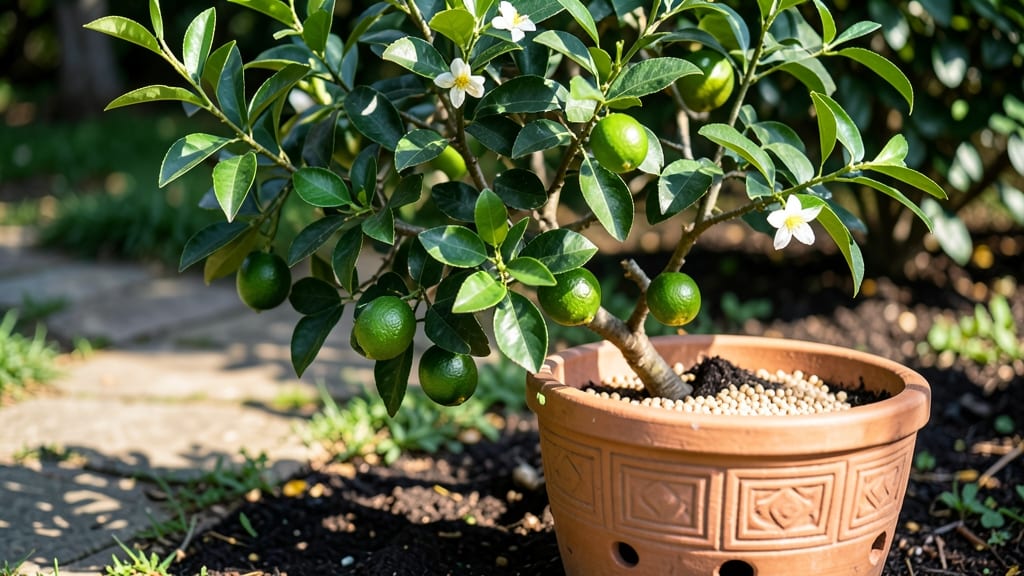
Growing lime trees in containers turns your balcony into a tropical oasis—no backyard required. 🌱 I’ve watched dwarf Meyer limes produce fruit in 5-gallon pots, proving you don’t need a yard to enjoy homegrown citrus.
The key is choosing the right variety, container size, and sunlight balance to keep plants happy and productive.
Start with a dwarf variety like ‘Meyer’ or ‘Improved Meyer,’ both compact enough for containers yet hardy enough to bear fruit. You’ll need a pot at least 15-20 gallons for mature trees, with drainage holes to prevent soggy roots.
Well-draining citrus soil mix and a sunny spot with 6+ hours of direct light daily set the foundation for success.
With consistent watering (keeping soil moist but not waterlogged) and occasional feeding with citrus fertilizer, you’ll see glossy new leaves and—within a few years—tiny, tart-sweet limes hanging from your patio. The fragrance alone makes it worth the effort.
Watch for root-bound conditions by repotting every 2-3 years, and prune lightly to encourage bushier growth. Even in small spaces, these trees deliver the real deal: homegrown limes for cocktails, desserts, or fresh juice. Ready to grow your own citrus paradise?
📚 In This Guide
- What you need
- Instructions
- Tips and common mistakes
- Wrapping up and next steps
What you need
- ● Container: A 5-gallon pot or larger (minimum 12–18 inches deep) with drainage holes. Opt for terracotta, ceramic, or high-quality plastic to prevent root rot. 💡 Pro tip: Ensure the container is at least 12 inches wide for dwarf varieties like 'Meyer' limes.
- ● Well-draining potting mix: A blend of 50% citrus-specific soil and 50% perlite or coarse sand to improve aeration. Avoid garden soil—it compacts and suffocates roots!
- ● Lime tree sapling: Choose a dwarf or semi-dwarf variety (e.g., 'Meyer' lime) from a nursery. Look for healthy, disease-free plants with 3–4 branches.
- ● Drainage tray or saucer: To catch excess water and prevent messes.
- ● Fertilizer: A balanced citrus fertilizer (e.g., 6-6-6 NPK ratio) or organic options like fish emulsion or citrus-specific granules.
- ● Mulch: 2–3 inches of organic mulch (e.g., bark chips or straw) to retain moisture and regulate soil temperature.
- ● Trowel or small shovel
- ● Pruning shears (sterilized with rubbing alcohol)
- ● Watering can with a narrow spout (to avoid disturbing soil)
- ○ pH testing kit (optional but helpful—lime trees prefer 6.0–7.0 pH)
- ● Spray bottle (for misting leaves if humidity is low)
- ● Self-watering system: A wicking bed or drip irrigation for consistent moisture.
- ● Grow lights: If your space lacks 6+ hours of direct sunlight daily.
- ● Support stake or trellis: For varieties that grow taller (e.g., 'Bearss' lime).
- ● Citrus food supplements: Epsom salt (for magnesium) or iron chelates (for yellowing leaves).
Step-by-step guide to growing lime trees in containers
Here's how to cultivate thriving citrus trees in limited space—no yard required.
🪴 Step 1: Choose the Right Container and Drainage
Lime trees need room to grow, so select a 5-gallon container at minimum for dwarf varieties, or 15-gallon pots for standard-sized trees. The pot must have multiple drainage holes—citrus roots rot quickly in soggy soil. I use unglazed terra cotta because it breathes better, but plastic works too if you drill extra holes.
Add a 2-inch layer of coarse gravel or broken pottery at the bottom before soil. This prevents clogging while ensuring water drains freely. If you skip this, water pools at the bottom, suffocating roots within weeks. Test your setup by pouring water in—it should drain completely within 5 minutes.
🌱 Step 2: Prepare Well-Draining Citrus-Specific Soil
Lime trees despise dense, clay-heavy soil. Mix equal parts potting mix, perlite, and coarse sand (or 50% potting mix + 50% coconut coir) for perfect drainage. I avoid garden soil entirely—it compacts and holds too much moisture. Fill the pot ¾ full, leaving room for the root ball.
Add a slow-release citrus fertilizer (like Osmocote) mixed into the top 2 inches of soil. This kickstarts growth without burning tender roots. Press the mix down lightly—just enough to remove air pockets, but don’t pack it tightly. The soil should crumble easily when squeezed.
☀️ Step 3: Plant and Position for Maximum Sunlight
Remove the lime tree from its nursery pot and loosen the roots gently if they’re circling. Place it in the container so the top of the root ball sits 1 inch below the rim—this prevents water from spilling over during irrigation. Fill gaps with your prepared soil mix, pressing lightly to eliminate air pockets.
Lime trees crave full sun (6-8 hours daily). A south-facing window works for dwarf varieties, but most will need grow lights 12-14 hours/day in winter. If leaves yellow or stems stretch toward light, your tree isn’t getting enough. Move it closer to the window or adjust your grow light setup.
💧 Step 4: Water Deeply and Maintain Consistent Moisture
Water deeply until it drains from the bottom, then wait until the top 2 inches of soil feel dry before watering again. Overwatering is the #1 killer of container lime trees—roots suffocate in soggy conditions. I use a moisture meter to check, but sticking your finger in works too.
In summer, you’ll water every 3-5 days; in winter, every 7-10 days. Yellowing leaves often signal overwatering, while crispy edges mean underwatering. Adjust based on your tree’s response—lime trees are forgiving if you correct early.
✂️ Step 5: Prune and Fertilize for Healthy Growth
Prune in late winter or early spring before new growth starts. Cut back overly long branches to encourage bushier growth, and remove any dead or crossing limbs with sterilized pruners. Never prune more than ⅓ of the tree at once—this stresses the plant.
Fertilize every 6 weeks during growing season (spring-fall) with a balanced citrus fertilizer. Reduce to every 8 weeks in winter. I’ve seen trees drop leaves when over-fertilized—always follow package rates. Mulch the soil surface with 1 inch of bark chips to retain moisture and regulate temperature.
Tips & tricks for perfect container-grown lime trees
Common pitfalls—and how to sidestep every one when growing citrus indoors.
Container Size Matters: That 5-gallon minimum for dwarf varieties isn't just a suggestion—it's non-negotiable for root health. I've seen roots circle and strangle themselves in undersized pots within months. For standard trees, upgrade to 15 gallons immediately. If you're tempted to save space, remember: roots need room to breathe, not just the topsoil.
Soil Mix Secrets: The equal parts potting mix, perlite, and sand ratio is your best defense against soggy soil. I've ruined two trees by using garden soil—it compacts like concrete when wet. Pro tip: Add a handful of worm castings to that top 2 inches of soil when planting. It boosts microbial activity and gives young trees a nutrient boost without burning roots.
Sunlight Strategy: That 6-8 hour daily requirement is critical, but don't assume your south-facing window delivers equal intensity. I learned this the hard way when my tree stretched toward the glass like a sunflower. For indoor setups, rotate the pot weekly so all sides get even light exposure. In winter, supplement with grow lights—12-14 hours mimics natural daylight cycles and prevents that leggy growth.
Watering Wisdom: The 5-minute drainage test is your best friend. If water pools longer than that, your gravel layer isn't doing its job. I've seen trees drown in pots that looked perfectly dry on top—always check the bottom. For the 2-inch soil dryness test, use your finger: if the top 2 inches feel like a damp sponge, it's time to water. In winter, reduce to every 7-10 days unless you have supplemental heat sources drying out the air.
Pro Tips for Growing Lime Trees In Containers
- Common pitfalls—and how to sidestep every one when growing citrus indoors.
- Container Size Matters: That 5-gallon minimum for dwarf varieties isn't just a suggestion—it's non-negotiable for root health.
- Soil Mix Secrets: The equal parts potting mix, perlite, and sand ratio is your best defense against soggy soil.
Frequently asked questions
Got questions about container-grown lime trees? You’re not alone! Here are some of the most common concerns—and their solutions—to help you grow limes like a pro, even in small spaces.
What’s the best container size for a lime tree?
A minimum 15-gallon pot is ideal for dwarf varieties, but larger containers (20+ gallons) give roots more room to thrive. Use containers with drainage holes to prevent root rot. If you’re growing a standard lime tree, opt for a 30-gallon+ container—they’ll need extra space as they mature.
How long does it take for a container lime tree to bear fruit?
Patience is key! Dwarf varieties may produce fruit in 3–5 years, while standard lime trees can take 5–7 years or longer. Factors like sunlight, soil quality, and proper care speed up the process. Pro tip: Fertilize regularly with citrus-specific nutrients to encourage flowering and fruiting.
Can I grow a lime tree indoors?
Yes, but with caveats. Lime trees need 6+ hours of direct sunlight daily, so place them near a south-facing window or use grow lights. Indoor containers dry out faster—check soil moisture weekly. If you notice drooping leaves or sparse fruit, it’s time to move them outdoors (or invest in strong grow lights).
Why aren’t my lime tree’s leaves turning yellow?
Yellowing leaves usually signal overwatering, underwatering, or nutrient deficiencies. Check the soil—it should be damp but not soggy. Lime trees also need acidic soil (pH 6.0–7.0) and regular feeding with citrus fertilizer. If yellowing persists, test for pests like aphids or mites and treat accordingly.
What’s a good alternative if I can’t grow limes?
If lime trees prove tricky, try these low-maintenance citrus alternatives for containers:
- Meyer lemon – Sweeter, hardier, and faster to fruit.
- Calamondin orange – Compact, fragrant, and produces tiny edible oranges.
- Dwarf orange – Cold-tolerant and great for small spaces.
- Kumquat – Tiny, cold-resistant, and you can eat peel + fruit!
All thrive in similar conditions but may be easier for beginners.
Wrapping up and next steps
Growing lime trees in containers isn’t just possible—it’s rewarding! With the right pot, soil, and care, you’ll enjoy fresh, zesty limes year after year, even in small spaces.
Whether you’re a beginner or a seasoned gardener, container lime trees bring tropical vibes and homegrown flavor to your balcony or patio.
Ready to take the next step? Start with one plant, experiment with varieties, and watch your citrus adventure grow—literally! 🌱🍋