
Pruning
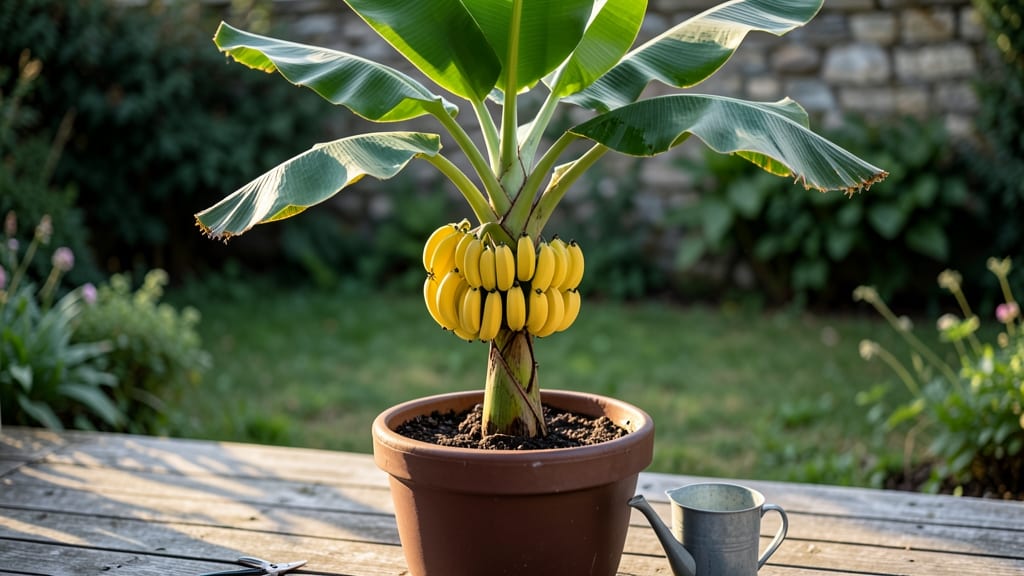
The Grand Nain banana tree thrives when you prune it right—cutting back at the right times keeps it producing fruit year after year. 🌿 I remember my first attempt: I hacked away too aggressively in winter and nearly killed it.
The key is understanding when to trim for growth, not just aesthetics.
You’ll need sharp pruners, a clean workspace, and a basic knowledge of where the banana plant sends its energy. Most pruning happens after harvest or during mild seasons, never when temperatures drop below 50°F. The goal is to encourage new shoots while protecting the plant’s core.
What you’ll end up with is a taller, bushier plant that keeps producing bananas instead of putting all its energy into one giant stalk. The first few cuts might look drastic, but trust the process—your plant will bounce back stronger than ever.
Works in frost-free zones (USDA 10-11) or as a container plant you can bring indoors when cold weather hits. Here’s how to do it without sacrificing next season’s harvest.
📚 In This Guide
- What you need
- Instructions
- Tips and common mistakes
- Wrapping up and next steps
What you need
- ● Pruning shears or loppers: Sharp, bypass-style shears (4–6 inch blades) for clean cuts. Loppers (for thicker stalks, 8–10 inch reach).
- ● Disinfectant: 70% isopropyl alcohol or a 10% bleach solution (1 part bleach to 9 parts water) to sterilize tools between cuts.
- ● Gloves: Heavy-duty, cut-resistant gloves (e.g., gardening or mechanic’s gloves) to protect hands from sap and sharp edges.
- ○ Pruning saw (optional but helpful): For thick pseudostems (e.g., 10–12 inch curved blade).
- ● Rope or twine (1/4 inch width): 10–15 feet to support new suckers or weigh down heavy fronds.
- ● Compost or mulch: 2–3 inches of well-aged compost or straw mulch to replenish soil nutrients post-pruning.
- ● Watering can or hose: With a gentle spray nozzle for post-pruning hydration.
- ● Horticultural sealant: (e.g., Tree Wound Pruning Seal) to coat large cuts and prevent disease entry.
- ● Plant food: Balanced 10-10-10 NPK fertilizer or banana-specific feed to boost recovery.
- ● Stake and ties: For young or top-heavy banana trees (e.g., 4–6 foot bamboo stakes).
- ● Safety goggles: If working near eyes or in dusty conditions.
- ● Notebook & pen: To track pruning dates, weather, and plant responses.
How to prune a Grand Nain banana tree for healthy year-round growth
Here's my simple, science-backed approach to keeping your banana tree productive.
✂️ Step 1: Identify and Remove Dead or Damaged Leaves
Start by inspecting your banana tree from the ground up. Look for leaves that are completely black, brown, or have large holes from pests. These won't recover and just drain energy from your plant. I grab each leaf at the base where it meets the pseudostem and give it a gentle tug—healthy leaves resist slightly, while dead ones pull away easily.
Use clean, sharp pruners to make a clean cut about ½ inch above the pseudostem. Never tear leaves—the jagged edges invite rot and disease. You'll notice the pseudostem will look cleaner and more compact after removing just a few dead leaves. This is your first signal that the tree can focus energy on new growth.
🌱 Step 2: Prune Suckers to Encourage Stronger Fruit Production
Grand Nain banana trees produce suckers—those smaller shoots growing from the base. Here's the key: you only want to keep one or two strong suckers for fruiting, depending on your tree's size. I look for suckers that are at least 12 inches tall with firm, green leaves—they're the ones with the best chance to produce fruit.
Use your pruners to cut the unwanted suckers at the base, making the cut at a 45-degree angle to prevent water from pooling. The angled cut also helps the remaining suckers develop stronger root systems. Real talk: I've made the mistake of keeping too many suckers, and it led to small, underdeveloped fruit. Trust me—less is more with these guys.
☀️ Step 3: Trim Flower Stems After Fruit Harvest
Once your banana tree has produced fruit and you've harvested it, don't be afraid to cut back the flower stem. This might seem counterintuitive, but removing the old flower stalk redirects the tree's energy toward growing new leaves and preparing for the next fruiting cycle. I use my pruners to make a clean cut about 6 inches above the pseudostem.
Watch for new shoots to emerge from the center of the tree after pruning. These are your signals that the tree is recovering and preparing for its next growth phase. This step is especially important if your tree looks tired after fruiting—it's like giving it a fresh start. Just don't cut too close to the pseudostem, or you risk damaging the growing point.
⏰ Step 4: Perform Seasonal Maintenance Pruning
Every 3-4 months, give your banana tree a quick check-up. This is when you'll spot any leaves that have yellowed but aren't quite dead yet. These can still be pruned—they're just not as productive as they once were. I like to do this in early spring, late summer, and early fall to keep the tree looking its best year-round.
During these maintenance rounds, also check for any signs of pests or disease. If you see anything suspicious, like black spots or webbing, prune those areas immediately and dispose of the clippings far from your tree. This is your chance to keep your banana tree healthy and thriving between major pruning sessions. You'll see a noticeable difference in how vibrant your tree looks after just a few months of regular maintenance.
Tips & tricks for pruning your Grand Nain banana tree
Pruning your banana tree isn't just about cutting—it's about strategic growth. These simple tricks will help you keep your tree thriving year-round while avoiding common pitfalls.
Tool Prep Matters: Before you start pruning, sterilize your pruners with rubbing alcohol to prevent spreading disease between cuts. I've seen fungal infections spread through unsterilized tools, and it's a nightmare to fix once it starts. Also, keep your blades sharp—dull tools crush stems instead of making clean cuts, which invites infection. A quick wipe-down between cuts keeps everything sanitary.
Seasonal Timing Secret: The 3-4 month maintenance schedule in Step 4 works best when timed with your tree's natural cycles. Early spring is ideal for removing old leaves—your tree will use that energy to push new growth as days lengthen. In late summer, focus on removing any leaves showing early signs of yellowing before pests or disease set in. Fall maintenance helps prepare the tree for winter dormancy.
Sucker Selection Strategy: When choosing which suckers to keep in Step 2, look beyond just height. The strongest suckers will have a slightly thicker stem at the base and leaves that stand upright rather than drooping. I've learned this the hard way—keeping a sucker that looked promising but had weak stems led to poor fruit development. Aim for suckers with a diameter of at least ½ inch at the base for best results.
Post-Pruning Care: After any major pruning (especially flower stem removal in Step 3), give your tree a balanced fertilizer with equal parts nitrogen, phosphorus, and potassium. This helps compensate for the energy you've redirected. Water deeply right after pruning to reduce stress on the tree. I've noticed trees recover much faster when they get this extra care immediately after cutting.
Pro Tips for Grand Nain Banana Tree
- Pruning your banana tree isn't just about cutting—it's about strategic growth.
- Tool Prep Matters: Before you start pruning, sterilize your pruners with rubbing alcohol to prevent spreading disease between cuts.
- Seasonal Timing Secret: The 3-4 month maintenance schedule in Step 4 works best when timed with your tree's natural cycles.
Frequently asked questions
Got questions about keeping your Grand Nain banana tree thriving with the right pruning? Here are some of the most common ones—and their answers!
When is the best time to prune a Grand Nain banana tree?
The ideal time to prune is after harvest or during the dormant season (late fall/winter in most climates). Avoid pruning during active growth or flowering—this can stress the plant. Light trimming of dead leaves can happen year-round, but major cuts should wait for the right season!
How do I know which leaves to cut?
Look for dry, brown, or yellow leaves (they’re dead and drain energy). Keep the healthiest, youngest leaves—they’re the plant’s powerhouses! Cut about 6 inches from the base to avoid damaging the pseudostem. Never remove more than 1/3 of the foliage at once!
What should I do if my Grand Nain banana tree looks weak after pruning?
Weakness can mean over-pruning or stress. If leaves wilt or growth slows, reduce watering temporarily and fertilize with a balanced, potassium-rich feed (like 10-10-10). Mulch the base to retain moisture and protect roots. Most trees recover in 4–6 weeks!
Can I propagate my Grand Nain banana tree from cuttings?
Yes! After pruning, suckers (baby shoots at the base) can be replanted. Wait until they’re at least 3–4 feet tall and have 3–4 leaves. Dig carefully, replant in well-draining soil, and keep moist. Pro tip: Use rooting hormone to boost success rates!
How cold can a Grand Nain banana tree tolerate after pruning?
Grand Nains are tender perennials—they cannot tolerate frost (below 30°F/–1°C). If cold snaps are forecast, mulch heavily and wrap the trunk with burlap. In freezing zones, grow them in containers for winter indoor care (bright, cool spots only!).
Wrapping up and next steps
Pruning your Grand Nain banana tree isn’t just about aesthetics—it’s the secret to unlocking year-round growth, healthier fruit, and stronger harvests. By mastering strategic cuts, you’re not just trimming; you’re investing in the long-term vitality of your plant.
Whether you’re a seasoned gardener or just starting, every snip brings you closer to a thriving, productive tree. 🌱
Ready to take the next step? Start with one pruning session this season—observe how your tree responds, and let that guide your future cuts. Before you know it, you’ll be enjoying bigger, sweeter bananas and a lush, vibrant plant that’s the envy of the neighborhood!