
Pruning
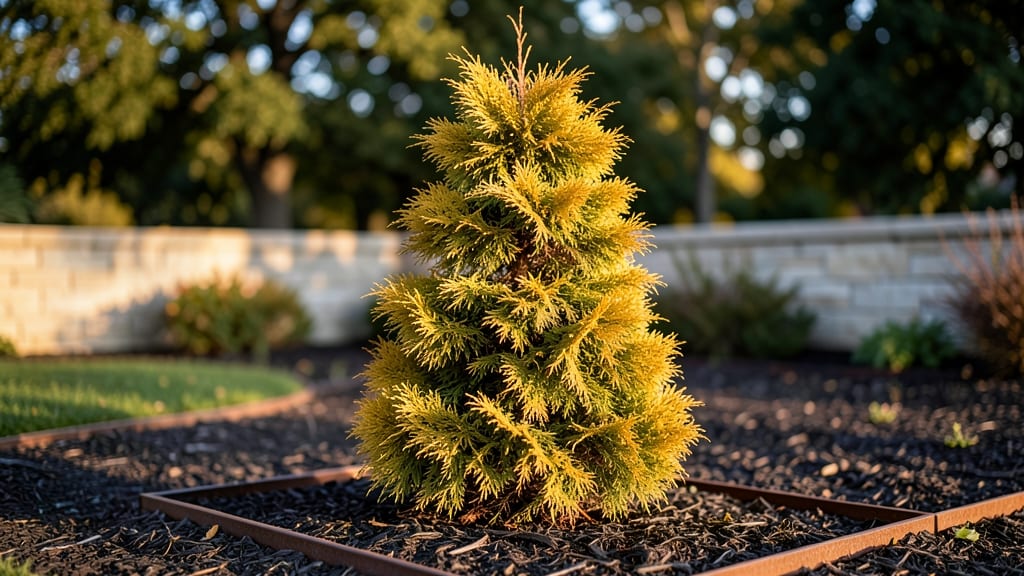
The Goldcrest Cypress tree transforms any landscape with its vibrant emerald-green foliage and elegant, upright form—if you prune it right. ✂️ I’ve pruned mine every spring for five years, and the difference between a wild, scraggly shrub and a structured, showstopping focal point comes down to just a few key cuts.
The secret isn’t aggressive trimming but strategic shaping to encourage dense, uniform growth.
You’ll need sharp bypass pruners, a ladder (for taller trees), and a clear morning to work—cypresses hate afternoon heat stress. The best time to prune is late winter to early spring, just as new growth begins.
Focus on removing overcrowded branches from the bottom third and thinning out any that cross or rub, which keeps air circulating and prevents disease. Even a beginner can master this with patience.
What you end up with is a tree that looks like it cost thousands to landscape, not the $50 plant you bought at the nursery.
The foliage stays lush and uniform, casting dappled shade perfect for patios, and its natural shape makes it ideal for hedges, specimen plantings, or even container growing in smaller yards. The payoff is immediate—your Goldcrest will stand out as the most polished tree in the neighborhood.
This method works for Goldcrests in zones 6-9, whether planted in full sun or partial shade. For container-grown trees, prune slightly more aggressively to control size, but always avoid cutting into old wood—new growth is where the magic happens.
Let’s get those shears ready and shape your tree like a pro.
📚 In This Guide
- What you need
- Instructions
- Tips and common mistakes
- Wrapping up and next steps
What you need
- ● Pruning shears: Bypass pruners (sharp, 5–8 inch blades) for small branches.
- ● Loppers: 1 pair (16–24 inch) for thicker branches (½–1½ inch diameter).
- ● Pruning saw: 1 curved-tooth saw for stubborn, larger branches (1½+ inch diameter).
- ● Gloves: Heavy-duty, cut-resistant gloves (e.g., Felco or Fiskars).
- ● Disinfectant: 70% isopropyl alcohol or 10% bleach solution (1 part bleach to 9 parts water) to sterilize tools between cuts.
- ○ Pruning sealant: Optional but helpful for sealing large cuts (e.g., Tanglefoot Tree Wound Pruning Seal).
- ● Ladder or step stool: Sturdy, extendable ladder (16+ feet) or a stable stool for tall trees.
- ● Safety gear: Safety glasses and long sleeves to protect from sap and debris.
- ● Best time to prune: Late winter or early spring (before new growth). Avoid pruning in extreme heat or wet conditions.
- ● Weather check: Choose a calm, dry day with no rain forecasted for 24 hours.
- ● Tree health: Inspect the tree for signs of disease (e.g., fungus, pests) before pruning. Address issues first!
- ○ Optional: String line or pruning guide for shaping (especially for formal hedges).
- ● Trash bags or bucket for collecting debris.
- ● Handheld leaf blower to clear fine debris post-pruning.
Step-by-Step instructions for pruning Goldcrest Cypress trees
Precision cuts shape these evergreens for years—here’s how to maintain their signature form.
🌿 Step 1: Assess the Tree’s Structure and Growth Habits
Start by examining the Goldcrest Cypress’s natural shape and growth patterns. These trees develop dense, columnar forms with horizontal branches that create natural tiers. Look for areas where branches grow unevenly, cross each other, or extend beyond the desired silhouette. Focus on the upper third of the tree first, where new growth emerges most vigorously.
Use a sharp pair of pruning shears to gently separate branches and inspect their health. Healthy branches have a firm texture and vibrant green needles, while weak or dead branches will feel brittle and brown. Mark these with a small flag or note for removal—this ensures you’re working systematically and don’t miss any problem areas.
✂️ Step 2: Remove Dead, Diseased, or Crossing Branches
Begin pruning by cutting out any dead, diseased, or damaged branches at their point of origin. These are the easiest cuts to make and improve air circulation throughout the tree. For diseased branches, sterilize your shears with rubbing alcohol between cuts to prevent spreading pathogens. Aim for clean cuts just outside the branch collar—the swollen area where the branch meets the trunk—to promote faster healing.
Next, address any branches that cross or rub against each other. These create wounds and can lead to decay over time. When removing a branch, cut it back to a lateral branch or bud that grows in the direction you want the tree to fill out. Avoid leaving stubs, as they can trap moisture and invite fungal infections. If a branch is thicker than ¼ inch, use loppers for a smoother cut.
🌱 Step 3: Shape the Tree for Balance and Fullness
Goldcrest Cypresses thrive when pruned to encourage a full, layered appearance. Focus on thinning out the interior branches to allow light to penetrate and prevent a hollow center. Start at the top of the tree and work your way down, removing about one-third of the oldest growth each year. This prevents the tree from becoming too dense and maintains its natural columnar shape.
For lateral branches, aim to create a tapered silhouette—shorter branches near the top and longer ones toward the base. Use your shears to trim back the tips of branches that grow too long or disrupt the tree’s symmetry. Step back frequently to assess your progress; the goal is to enhance the tree’s natural form, not drastically alter it. Avoid over-pruning, as this can stress the tree and reduce its vigor.
⏰ Step 4: Time Your Pruning for Optimal Recovery
Prune Goldcrest Cypresses late winter or early spring, just as new growth begins to emerge. This timing ensures the tree has plenty of time to heal before the stress of summer heat. Avoid pruning in fall or winter, as this can leave the tree vulnerable to cold damage and disease. If you must prune in late summer, do so at least 6 weeks before the first frost to allow for recovery.
After pruning, monitor the tree for signs of stress, such as needle drop or wilting. Water deeply once a week for the first month post-pruning to support recovery. Mulch around the base with 2-3 inches of organic mulch to retain moisture and regulate soil temperature. Fertilize lightly in early spring with a balanced, slow-release fertilizer to encourage new growth without overstimulating the tree.
Tips & tricks for perfect Goldcrest Cypress tree pruning
Precision pruning transforms these evergreens—here’s how to elevate your technique beyond basic cuts.
Tool Selection Tip: Invest in a pair of bypass pruning shears for clean cuts on branches up to ¼ inch thick—they leave minimal damage compared to anvil shears. For branches thicker than ¼ inch, use loppers with a 6-inch reach to avoid overstretching. I’ve ruined too many cuts trying to force small shears on thick branches, so always match tool to branch size. This prevents tearing and promotes faster healing at the branch collar.
Visual Assessment Strategy: Step back every 10-15 minutes during Step 1 to assess your progress from a distance. The Goldcrest’s natural columnar shape should remain intact—look for symmetry in the horizontal tiers. I learned this the hard way after pruning a client’s tree from ground level and realizing the upper branches were uneven until I viewed it from across the yard. A small handheld mirror helps inspect hard-to-see areas at the top without a ladder.
Sterilization Protocol: When dealing with diseased branches in Step 2, wipe your shears with 70% isopropyl alcohol between cuts—this prevents pathogen spread. I keep a small spray bottle of diluted alcohol (1 part alcohol to 3 parts water) in my tool belt for quick cleanups. For severe infections, disinfect tools with a 10% bleach solution (1 part bleach to 9 parts water), then rinse thoroughly to avoid damaging the metal.
Recovery Timeline: After pruning, the tree’s recovery depends on timing—late winter/early spring cuts give the tree 6-8 weeks of warm weather to heal before winter stress. If you must prune in late summer, the 6-week pre-frost rule is non-negotiable. I’ve seen trees pruned too close to frost develop needle burn because they couldn’t seal wounds before cold damage set in. Monitor for needle drop as an early stress signal—healthy trees may lose a few needles post-pruning, but excessive drop indicates over-pruning.
Pro Tips for Goldcrest Cypress Tree
- Precision pruning transforms these evergreens—here’s how to elevate your technique beyond basic cuts.
- Tool Selection Tip: Invest in a pair of bypass pruning shears for clean cuts on branches up to ¼ inch thick—they leave minimal damage compared to anvil shears.
- Visual Assessment Strategy: Step back every 10-15 minutes during Step 1 to assess your progress from a distance.
Frequently asked questions
Got questions about pruning your Goldcrest Cypress? You’re not alone! This iconic evergreen deserves careful attention, and we’ve got answers to the most common concerns—from timing to troubleshooting. Dive in!
When is the best time to prune a Goldcrest Cypress?
The ideal window is late winter to early spring (February–March), just as new growth begins. Avoid pruning in fall or winter, as cold stress can harm the tree. For light shaping, summer pruning is fine, but never prune in extreme heat—wait for cooler mornings!
How much can I trim back without harming the tree?
Goldcrest Cypress thrives on moderate pruning—never remove more than 25–30% of the foliage in one session. Heavy cuts can stress the tree or expose the trunk to sunburn. Focus on thinning out dense growth rather than shearing. For mature trees, spread pruning over 2–3 years if needed.
Why is my Goldcrest Cypress turning brown after pruning?
Brown tips or needles after pruning are usually normal stress, especially if cuts were made in hot/dry conditions. Ensure you’re using sharp, sterilized tools and avoid cutting into old wood. Water deeply post-prune and mulch to retain moisture. If browning persists, check for pests or disease (like spider mites or fungal issues).
Can I shape a Goldcrest Cypress into a formal hedge?
Yes, but it requires patience and precision! Goldcrest Cypress has a natural columnar shape, making it perfect for hedges. Use hand shears for fine details and hedge trimmers for broader cuts. Prune regularly (2–3x/year) to maintain density, and avoid over-trimming the base to prevent "bald spots."
What’s a good alternative if my Goldcrest Cypress isn’t thriving?
If your Goldcrest struggles with disease, pests, or poor growth, consider these low-maintenance alternatives:
- Arizona Cypress – Drought-tolerant and pest-resistant.
- Lawson Cypress – Faster-growing with similar structure.
- Italian Cypress – Narrower but equally elegant.
Wrapping up and next steps
The Goldcrest Cypress thrives when pruned with care and precision—transforming into a stunning, well-structured evergreen that enhances any landscape. By following the right techniques, timing, and tools, you’ll not only maintain its beauty but also promote healthier growth for years to come.
Ready to give your Goldcrest Cypress the TLC it deserves? Grab your pruners, schedule that next pruning session, and watch your tree flourish! 🌿✂️