
Pruning
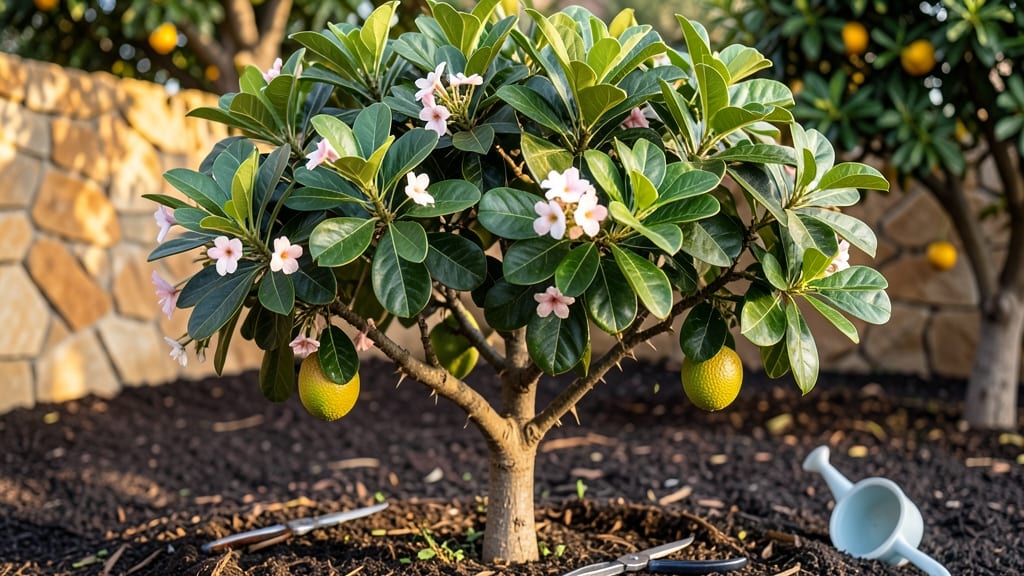
A full guava tree can become a fruit-bearing powerhouse—if you prune it right. 🌿 The key to heavy loads of sweet, fragrant guavas lies in strategic cuts that balance growth and fruit production, not just hacking away at branches.
My first attempt left me with a tangled mess and tiny fruit, but after learning the science behind it, I now harvest 50+ pounds of guavas each season.
Guava trees thrive in warm climates but need winter pruning to shape them and encourage fruit set. You’ll need sharp pruners, gloves, and a clear day to assess the tree’s structure.
The goal isn’t just to trim—it’s to open the canopy for sunlight and air, which means removing dead wood, crossing branches, and thinning out crowded growth.
After pruning, your tree will reward you with larger, sweeter fruit and fewer pests. The first harvest comes in late summer, and with proper care, you’ll enjoy guavas for years. Whether you’re dealing with a young sapling or an established tree, these cuts make all the difference.
This method works for both container-grown and in-ground guava trees, though larger varieties may need more aggressive pruning. Let’s get those branches in shape for a bounty of fruit!
📚 In This Guide
- What you need
- Instructions
- Tips and common mistakes
- Wrapping up and next steps
What you need
- ● Pruning shears (bypass or anvil) – Sharp, clean blades (4–6 inches) for small to medium branches.
- ● Loppers – 8–10 inches long, for thicker branches (up to 2 inches in diameter).
- ● Pruning saw – For branches thicker than 2 inches (avoid bow saws—they’re less precise).
- ● Disinfectant (70% isopropyl alcohol or bleach solution) – Sterilize tools between cuts to prevent disease.
- ● Heavy-duty gloves – Cut-resistant (e.g., mechanized gardening gloves) to protect from thorns.
- ● Ladder or step stool – Tall enough to reach the tree’s canopy safely (6+ feet for mature trees).
- ● 5-gallon bucket or tarp – To collect pruned branches and debris.
- ● Permanent marker & tape measure – For marking cuts and measuring branch diameters.
- ● Hand pruners with a bypass blade – For precision cuts on delicate shoots.
- ● Rubbing alcohol wipes – Quick tool sanitization between trees.
- ○ Tree wound dressing (optional) – Only use pruning sealant if your tree is disease-prone (most guavas heal better without it!).
- ● Safety glasses & long sleeves – Protect against debris and thorns.
- ● Camera or sketchpad – Document the tree’s structure before pruning for reference.
- ● Choose the right time: Prune during the dry season (avoid rainy or windy days). Early morning is ideal.
- ● Check local regulations: Some areas restrict pruning near power lines—call utilities if needed.
- ● Assess tree health first: Look for signs of disease (e.g., oozing sap, black spots) before cutting.
- ● Have a plan: Sketch or visualize cuts to avoid over-pruning (never remove >25% of foliage at once!).
Step-by-Step guide to pruning a heavy-fruiting guava tree
Here’s how to shape your guava tree for better airflow and fruit production.
✂️ Step 1: Remove Dead or Diseased Branches First
Start by inspecting your tree for any branches that are brown, brittle, or showing signs of disease—these are your top priority. Use clean, sharp pruning shears to make a clean cut just outside the branch collar (the swollen area where the branch meets the trunk). This prevents unsightly stubs and helps the tree heal faster.
I always prune these first because dead wood can harbor pests and diseases that might spread to healthy branches. If a branch is thicker than your shears can handle, use a pruning saw instead. Work your way around the tree, removing everything that looks compromised before moving on to structural cuts.
✂️ Step 2: Thin Out Overcrowded Branches
Guava trees produce heavy fruit loads, which means branches can get overcrowded quickly. Look for branches that are rubbing against each other or growing inward—these are the ones to remove. Focus on the center of the tree first, where airflow is usually poorest. You’ll want to create an open, vase-like shape that lets sunlight reach the inner branches.
When thinning, cut back to a healthy outward-facing branch or bud. Never leave a stub—always make your cut just above a leaf node or branch collar. This encourages new growth in the right direction. If you’re unsure which branch to keep, pick the one with the best angle (usually 45 degrees outward) and the healthiest appearance.
✂️ Step 3: Prune for Airflow and Light Penetration
Now, focus on opening up the canopy so sunlight can reach the inner branches. Start at the bottom of the tree and work your way up, removing any branches that are blocking light from getting to the center. Guava trees need good airflow to prevent fungal diseases, so don’t be afraid to cut back some of the denser growth.
For larger branches, make your cuts just outside the branch collar, and avoid leaving large wounds. If you’re pruning a branch that’s more than ½ inch thick, consider using a three-cut method to prevent tearing. First, make an undercut, then an overcut, and finally snap the branch off cleanly. This keeps the tree healthier in the long run.
✂️ Step 4: Lightly Shape the Outer Canopy
Once you’ve removed the dead, diseased, and overcrowded branches, it’s time to give the tree a little shape. Focus on the outer edges, trimming back any branches that are growing too long or too close together. You don’t want to overdo it—just enough to encourage a balanced, open structure. Guava trees respond well to light pruning, so think of this as a gentle nudge rather than a drastic overhaul.
Pay attention to the tree’s natural shape. If it’s leaning one way, you might want to prune slightly more on the heavier side to encourage it to grow straighter. Avoid cutting back more than ¼ of the tree’s total foliage in one season—this can stress the tree and reduce fruit production. If you’re unsure, it’s better to err on the side of caution.
Tips & tricks for pruning a heavy-fruiting guava tree
These simple strategies will help you prune your guava tree like a pro—without stressing the plant or sacrificing next year's harvest.
Timing is Everything: The best time to prune your guava tree is during its dormant season, typically late winter or early spring before new growth begins. This timing aligns with the tree's natural cycle and gives it plenty of time to recover before the growing season kicks in. Avoid pruning during wet seasons, as open wounds can invite fungal infections.
Tool Selection Matters: Always use clean, sharp pruning shears or a pruning saw—never dull tools. Dull blades crush the bark instead of making clean cuts, which can damage the tree and make it more susceptible to disease. After each cut, wipe your tools with rubbing alcohol to prevent spreading any potential pathogens between branches.
Visual Cues for Healthy Cuts: When making your cuts in Step 1 and Step 3, look for the branch collar—the swollen area where the branch meets the trunk. This is your target spot for clean cuts. If you're unsure about which branches to remove in Step 2, imagine sunlight streaming through the center of the tree—anything blocking that light should go. You're aiming for a balanced, open structure that looks like a vase.
Recovery Strategy: After pruning, apply a thin layer of pruning sealant to larger cuts (over ½ inch thick) to help prevent disease entry and speed up healing. For smaller cuts, no sealant is needed—the tree's natural healing process will take care of it. Water the tree lightly after pruning to help it recover, but avoid overwatering as the roots need time to adjust to the changes.
Pro Tips for Full Guava Tree
- These simple strategies will help you prune your guava tree like a pro—without stressing the plant or sacrificing next year's harvest.
- Timing is Everything: The best time to prune your guava tree is during its dormant season, typically late winter or early spring before new growth begins.
- Tool Selection Matters: Always use clean, sharp pruning shears or a pruning saw—never dull tools.
Frequently asked questions
Got questions about managing a full guava tree bursting with fruit? You’re not alone—growers often wonder how to balance harvests, prune correctly, and avoid common pitfalls. Here are answers to the most pressing queries to keep your tree thriving!
How do I know when my guava tree is overloaded with fruit?
A full guava tree may show signs like smaller fruit, leaf yellowing, or dropping buds. If branches sag under weight or new growth slows, it’s time to thin. Aim for 10–15 inches between fruits on mature trees to ensure quality harvests.
What’s the best time to prune a guava tree with heavy fruit?
Prune after harvest (late winter/early spring) for optimal regrowth, but light thinning can happen year-round. Avoid pruning during flowering or fruiting—this stresses the tree. For tropical climates, prune during dry seasons to prevent disease.
Should I cut entire branches or just individual fruits?
Start by removing 20–30% of the heaviest branches to reduce load. For precision, snip small clusters (3–5 fruits per stem) to improve air circulation. Avoid top-heavy cuts—focus on outward-facing branches to maintain balance.
Why does my guava tree drop fruit even after pruning?
Fruit drop can stem from overwatering, nutrient deficiencies (like potassium), or temperature swings. Check for pests (e.g., fruit flies) or diseases (anthracnose). If soil is soggy, reduce watering and mulch to stabilize moisture.
Can I grow guavas in containers if my yard tree is too large?
Yes! Dwarf varieties like ‘Mexican Cream’ thrive in 15–20 gallon pots. Use well-draining soil and prune aggressively to control size. Move containers to sunny spots (6+ hours/day) and fertilize monthly during growing seasons.
Still stumped? Drop your full guava tree challenges below—we’ve got you covered!
Wrapping up and next steps
A full guava tree thrives when you combine patience, precision, and a little green thumb love! By mastering strategic pruning—balancing fruit load, airflow, and structural health—you’ll unlock years of bountiful harvests.
Remember, every cut is an investment in your tree’s future, so stay consistent and observe how it responds.
Ready to transform your guava tree into a fruit-bearing powerhouse? Grab your pruners, review your notes, and start pruning today! 🌱✂️ With each trim, you’re not just shaping branches—you’re shaping a future full of sweet rewards.