
Pruning
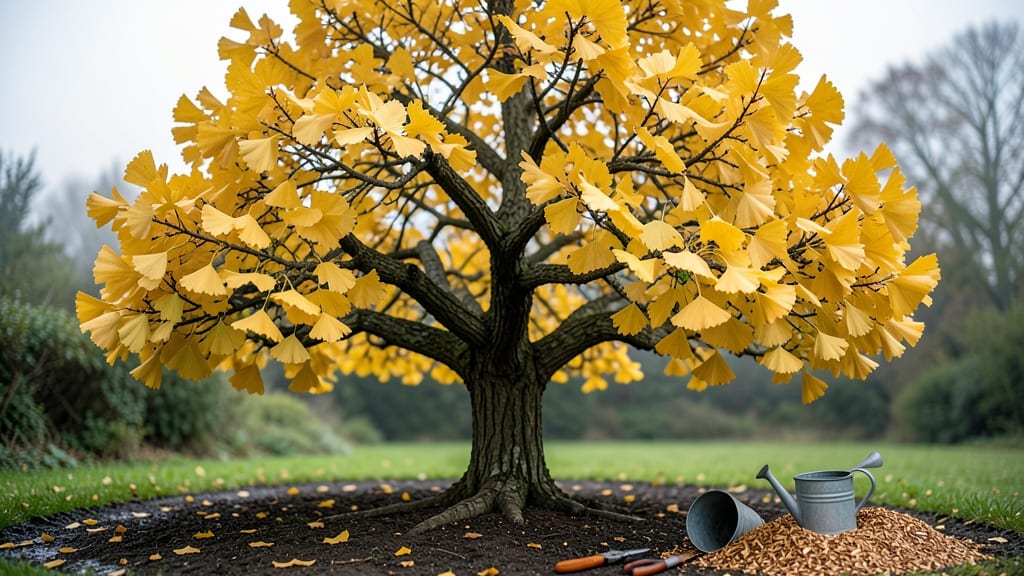
The ginkgo tree in the fall transforms into a golden masterpiece that outshines any other deciduous tree. 🌿 I still remember the first time I saw one ablaze with color—it felt like nature’s own fireworks display, right in my backyard.
This isn’t just about admiring the view; it’s about setting the stage for next year’s even more spectacular show through strategic late-season pruning.
Most people stop pruning by fall, but ginkgos thrive when you give them a little attention before winter. The key is removing dead or crossing branches now—it won’t just clean up the tree, it’ll encourage stronger growth and brighter foliage next autumn.
Think of it as giving your tree a spa treatment before hibernation. You’ll need basic pruning tools, a clear day (no wind!), and about 30-45 minutes for a medium-sized specimen.
What you’ll end up with is a tree that bursts into richer gold earlier in the season, with leaves that stay vibrant longer. The pruning also makes seed collection easier if you’re after those distinctive smelly nuts—just time your cuts right.
This method works for both young trees and mature giants, though the scale of work changes dramatically. Ready to turn next fall’s display into the talk of the neighborhood?
Here’s the thing—ginkgos are forgiving, but timing matters. Prune too late and you risk winter damage; too early and you might encourage new growth that won’t harden off before cold.
We’ll cover the exact window and techniques that keep your tree healthy through winter and ready to shine again next year. Let’s get those branches looking sharp!
📚 In This Guide
- What you need
- Instructions
- Tips and common mistakes
- Wrapping up and next steps
What you need
- ● Pruning shears: Bypass pruners (for cuts up to ¾ inch thick) – one pair (look for sharp, stainless-steel blades for clean cuts).
- ● Loppers: For branches 1–2 inches thick – one pair (with a long handle for reach).
- ● Pruning saw: For thicker branches (2+ inches) – one (with a curved blade for ease).
- ● Ladder: Extendable or step ladder (height depends on tree size; 10–20 feet recommended for most ginkgos).
- ● Gloves: Heavy-duty gardening gloves (cut-resistant, one pair) to protect hands from thorns and rough bark.
- ● Disinfectant: 70% isopropyl alcohol or a 10% bleach solution (for sterilizing tools between cuts).
- ● Heavy-duty trash bags: 2–3 (for collecting pruned branches and debris).
- ● Safety gear: Safety glasses (to shield eyes from debris).
- ● Long sleeves/pants (to protect against scratches).
- ● Tree wound dressing: (e.g., Tanglefoot Tree Wound Pruning Sealer) – controversial but useful for large cuts to prevent disease.
- ● Marking spray: (e.g., white paint or chalk) – to mark branches for removal before cutting.
- ● Wheelbarrow: For hauling larger branches away from the tree.
- ● First-aid kit: Just in case (because safety first! 🚑).
Step-by-step instructions for late-season ginkgo tree pruning
Here’s how to shape your ginkgo for next fall’s stunning gold foliage—without stressing the tree.
✂️ Step 1: Time Your Cuts for Optimal Healing
Prune your ginkgo 4-6 weeks before your first hard frost—typically late October to early November in most climates. This timing lets wounds seal before winter while avoiding the tree’s late-summer growth flush. You’ll see fresh, green growth slow down around mid-September, signaling it’s safe to cut.
Work on dry, sunny days when temperatures stay above 45°F. Avoid pruning after rain—wet wood tears easily, creating jagged edges that invite disease. I like to schedule cuts for mid-morning when dew has dried but afternoon heat hasn’t arrived yet.
🌿 Step 2: Remove Dead, Weak, or Crossing Branches First
Start by scanning the canopy for dead wood (branches with no leaves, brittle texture, or hollow centers) and weak growth (thin stems with sparse foliage). Use clean, sharp pruners to make 45-degree cuts just outside the branch collar—the swollen area where the branch meets the trunk. This ensures proper healing.
Next, target crossing branches—where limbs rub against each other. These create wounds that weaken the tree over time. Remove the smaller of the two branches to maintain the tree’s natural shape. You’ll notice these conflicts by looking for scraped bark or bare spots where leaves once grew.
☀️ Step 3: Thin the Canopy for Better Airflow and Light
Ginkgos thrive with open, airy canopies—this prevents fungal issues and ensures next year’s leaves turn a vibrant golden yellow. Focus on selective thinning: remove 20-30% of the smallest branches from the outer third of the canopy. Aim for a sunlit interior where light reaches the trunk.
Use loppers or a pruning saw for branches thicker than 1.5 inches. Cut just outside the branch collar, and avoid leaving stubs—these trap moisture and rot. Step back often to visualize the tree’s shape. You’re not sculpting a topiary; you’re creating room for healthy growth.
⏰ Step 4: Clean Up and Protect the Tree
After pruning, sterilize your tools with rubbing alcohol to prevent spreading disease. Rake up and dispose of all debris—ginkgo leaves contain butyric acid, which can stain lawns and attract pests if left behind. Seal larger wounds (over 2 inches in diameter) with pruning sealant to reduce sap loss.
Water the base of the tree deeply after pruning to help it recover. Mulch with 2-3 inches of organic mulch (like shredded bark) in a 3-foot radius, keeping it 6 inches away from the trunk. This protects roots from freezing and retains moisture for next spring’s growth.
Tips & tricks for perfect late-season ginkgo pruning
A few strategic moves will make your ginkgo pruning effortless—and set up next year’s golden foliage display. Here’s what I’ve learned after years of shaping these iconic trees.
Timing is Everything: The 4-6 week window before your first hard frost is non-negotiable. I’ve seen trees stressed by winter pruning, so mark your calendar now. Check your local frost dates—most northern climates hit this window in late October. If you’re unsure, look for the slowdown in new growth around mid-September as your natural signal.
Tool Sharpness Matters: Dull pruners create torn wood that heals poorly and invites disease. Test your tools by making a clean cut through a small branch—if it crushes instead of slices, sharpen first. I keep a small file in my pruning kit and sharpen blades between cuts for large branches. For thicker branches over 1.5 inches, switch to your pruning saw and make smooth, controlled strokes.
Visualize the Canopy: Step back every 10 minutes during Step 3 to check your progress. Hold your pruners at arm’s length and squint—this helps you spot uneven thinning. You’re aiming for light filtering through the middle third of the canopy. I like to imagine sunlight streaming through like a stained glass window—this ensures vibrant fall color next year.
Wound Care is Critical: For wounds over 2 inches in diameter, apply pruning sealant immediately after cutting. The sealant creates a protective barrier that reduces sap loss and prevents fungal entry. I’ve seen trees with unsealed large cuts develop blackened areas where disease took hold—don’t skip this step for anything smaller than a baseball bat!
Pro Tips for Ginkgo Tree In The Fall
- A few strategic moves will make your ginkgo pruning effortless—and set up next year’s golden foliage display.
- Timing is Everything: The 4-6 week window before your first hard frost is non-negotiable.
- Tool Sharpness Matters: Dull pruners create torn wood that heals poorly and invites disease.
Frequently asked questions
Got questions about pruning your ginkgo tree in the fall? You’re not alone! Here are some of the most common concerns—plus practical answers to help you master late-season cuts for stunning golden foliage next year.
When is the exact best time to prune a ginkgo tree in fall?
The ideal window is late October to early November—after leaves turn golden but before the first hard frost. This timing balances leaf color retention with dormant-season healing. Avoid pruning after frost, as it stresses the tree and invites disease.
Can I still prune if my ginkgo leaves haven’t turned gold yet?
Yes, but prioritize structural cuts (dead/diseased branches) over cosmetic shaping. If leaves are still green, focus on removing 50% or less of the canopy to avoid shocking the tree. Wait for full color change for major pruning—patience pays off with brighter gold next fall!
What if I see sap oozing after pruning? Is that normal?
Sap bleeding is completely normal for ginkgo trees—it’s their way of sealing wounds. To minimize mess, prune on dry, cool days (not humid) and use sharp tools to avoid tearing bark. The sap will dry within a few weeks, but avoid pruning large branches in wet weather to prevent rot.
Are there any branches I should never cut on a ginkgo tree?
Skip pruning:
- Healthy, mature branches (ginkgos self-prune poorly—remove only dead/diseased wood).
- Branches with seed pods (maidenhair ginkgos produce smelly fruit; let them drop naturally).
- More than 25% of the canopy at once—this risks stress and weak growth.
What’s a good alternative if I miss fall pruning?
If you skip fall, early spring (March–April) is your next best shot—prune before buds swell. Avoid summer pruning (June–August), as it triggers vigorous (but weak) new growth that won’t harden off for winter. Pro tip: Mark your calendar now!
Do I need special tools for fall ginkgo pruning?
Not necessarily! Basic tools suffice:
- A sharp bypass pruner (for branches <1” thick).
- Loppers (1.5”–2” cuts).
- Pruning saw (for thicker branches).
- Sterilized rubbing alcohol (to clean tools between cuts and prevent disease).
Wrapping up and next steps
The ginkgo tree’s golden fall foliage is a sight to behold—and late-season pruning is your secret to even more stunning displays next year! By trimming wisely after the leaves drop, you’re shaping the tree’s future while keeping it healthy and vibrant. Now’s the time to act!
Grab your pruners, follow the steps you’ve learned, and give your ginkgo the care it deserves. Before winter sets in, take one last look at your tree—you’ll love seeing those golden leaves shine brighter than ever in the seasons to come. 🌿✨