
Pruning
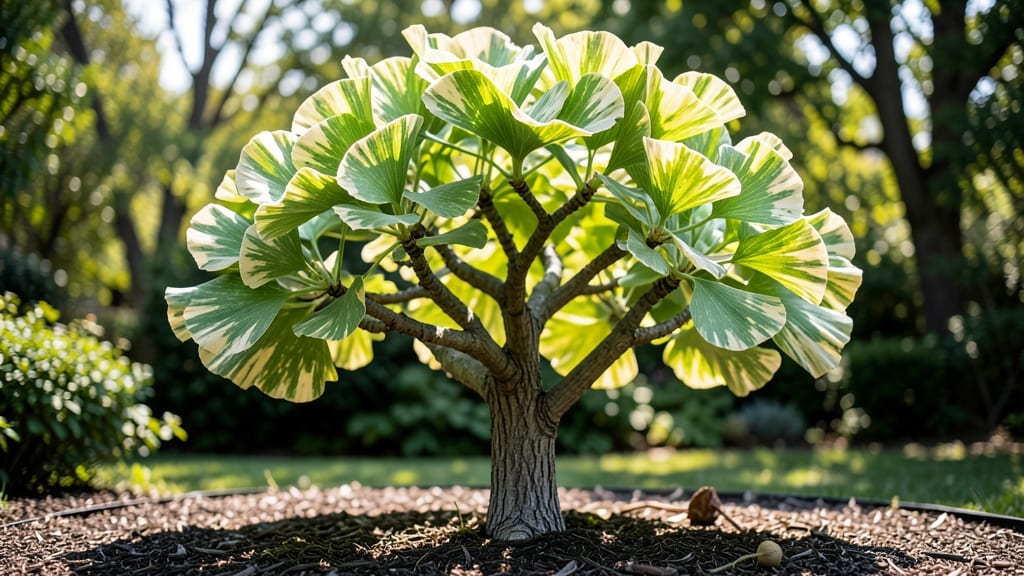
The variegated ginkgo tree (Ginkgo biloba 'Variegata') transforms your yard into a living art piece with its striking gold-and-green foliage that stays beautiful even in winter. 🌿 I planted mine five years ago, and its slow, deliberate growth has given me time to perfect the pruning that keeps those variegated leaves looking showstopping all year.
The key isn't just cutting branches—it's understanding how this tree's unique foliage responds to light and structure.
This tree thrives in zones 4-8, where it handles both summer heat and winter cold with ease. Unlike standard ginkgos, its variegated leaves need careful pruning to maintain that golden contrast—too much shade, and the yellow fades to plain green.
Start with basic tools: sharp pruners, gloves, and a ladder for higher branches. The best time to prune is late winter or early spring, when the tree's energy is about to surge but before new growth gets too tender.
You'll end up with a tree that looks like a golden sculpture in summer and a delicate lacework in winter. The pruning technique I've developed preserves those variegated sections while encouraging dense, upright growth.
Even the smallest cuts make a difference—within weeks, you'll see fresh new leaves emerging with that signature golden edge. The tree's natural resistance to pests means you'll spend less time fighting problems and more time admiring the results.
Works equally well as a specimen tree in a lawn or as a striking focal point along a driveway. The secret to keeping it looking its best?
Prune just enough to shape, never enough to stress. Here's how to get those clean cuts that maintain the variegation while encouraging healthy new growth.
📚 In This Guide
- What you need
- Instructions
- Tips and common mistakes
- Wrapping up and next steps
What you need
- ● Pruning shears: Bypass pruners (sharp, 6–8" blade) for clean cuts on small branches.
- ● Loppers: 1 pair (18–24" blade) for medium branches (½"–2" diameter).
- ● Pruning saw: 1 (8–10" blade) for thick branches (2"+ diameter).
- ● Disinfectant: 70% isopropyl alcohol or 10% bleach solution (1 part bleach to 9 parts water) to sterilize tools.
- ● Gloves: Heavy-duty work gloves (cut-resistant) to protect hands.
- ○ Tree wound dressing (optional but helpful): Pruning sealant or beeswax wrap for large cuts (3"+).
- ● Ladder or step stool: Sturdy, non-slip (height depends on tree size).
- ● Trash bags: 2–3 heavy-duty bags (13-gallon minimum) for debris.
- ● Notepad & pen: To mark cuts or note growth patterns.
- ● Pole pruner: Extendable for high branches (16–24' reach).
- ● Safety glasses: To shield eyes from debris.
- ● Hose with nozzle: For rinsing tools and tree after pruning.
- ● Tree growth regulator: (e.g., hydrogen dioxide spray) to encourage healthy regrowth.
- ● Camera: Snap before/after shots to track progress!
Step-by-step pruning guide for variegated ginkgo trees
Here's how to shape your variegated ginkgo into a showstopper—year after year.
✂️ Step 1: Prune in Late Winter Before New Growth
Timing is everything with these trees. The absolute best time to prune is late winter, just as buds begin to swell but before any new growth appears. This prevents stressing the tree when it's still dormant. I always check for plump, reddish buds along the branches—that's your cue to grab the shears.
Start by removing any dead, diseased, or crossing branches first. These are easy to spot—they're brown, brittle, or growing inward. Cut back to a healthy outward-facing bud or branch collar. The goal here is to open up the center of the tree so light can reach all those stunning variegated leaves.
✂️ Step 2: Shape the Tree with Strategic Cuts
Now for the fun part—shaping! Variegated ginkgos respond beautifully to training, so don't be afraid to get creative. I like to maintain a natural, balanced silhouette by focusing on three main areas: the crown, the branches, and the overall height.
For the crown, look for branches that are growing too close together. Remove the smaller one, cutting just above a bud that faces outward. For height control, trim the topmost leader shoot by about one-third if the tree is getting too tall. This encourages bushier growth lower down where the variegated foliage really shines.
✂️ Step 3: Thin Out for Better Airflow and Light
This is where the magic happens for that variegated foliage to really pop. Thin out about one-third of the branches in the inner canopy. You're not just cutting—they're removing entire branches back to their origin point. This might sound drastic, but it's what lets sunlight reach the center of the tree.
Watch for branches that are growing straight up or down—they create dense, shaded areas where leaves won't develop their signature variegation. After thinning, step back and admire your work. You should see light streaming through the center, illuminating those golden and green leaves you planted this tree for in the first place.
✂️ Step 4: Light Pruning in Summer to Maintain Shape
Don't think pruning is just a winter job! A quick light touch in late summer keeps your variegated ginkgo looking its best. This is when you remove any suckers (those little shoots growing at the base) and any branches that are growing in odd directions.
I also do a little tip pruning on any branches that are getting too leggy. Just snip off the last 2-3 inches of growth to encourage bushier development. This is also a great time to check for any diseased leaves—remove them immediately so they don't spread. A quick spray with fungicide after pruning won't hurt either.
⏰ Step 5: Clean Up and Monitor Through Fall
The final step is cleanup. After pruning, rake up all the debris and dispose of it properly—don't leave it on the ground where it can harbor pests. I always give the tree a good watering after pruning to help it recover, especially if we've had a dry spell.
Monitor your tree closely in the weeks after pruning. You'll see new growth emerging from those buds you left behind—this is a good sign! If you notice any yellowing leaves or wilting branches, it might mean you pruned too aggressively. But don't worry, ginkgos are tough trees. With proper care, your variegated beauty will reward you with stunning foliage all year long.
Tips & tricks for perfect variegated ginkgo pruning
Transforming your variegated ginkgo into a year-round masterpiece takes these pro techniques—trust me, your tree will thank you!
Timing is Your Secret Weapon: That late winter window is non-negotiable! I've learned the hard way—pruning too early when buds are still tight or too late when leaves emerge stresses the tree and dulls that gorgeous variegation. Look for those plump, reddish buds as your green light. Pro tip: If you miss winter, don't panic—early spring works too, but you'll sacrifice some of that vibrant color development.
The One-Third Rule for Branches: When thinning in Step 3, remember this golden ratio: remove about one-third of the inner branches. This might seem extreme, but it's what creates that dramatic light show through the center. I always visualize sunlight streaming through—if you can't see light filtering through, you haven't thinned enough. For young trees, you can be more aggressive; mature specimens need gentler thinning to maintain structure.
Summer Pruning Hacks: That light summer touch makes all the difference! Here's what I do: first remove those pesky suckers at the base with clean cuts (no tearing!), then do your tip pruning—those last 2-3 inches should leave a slight outward-facing bud. For diseased leaves, I grab my pruners and a small spray bottle of diluted fungicide (1 tsp per quart of water) right there in the garden. This two-step approach keeps your tree healthy without missing a beat.
Post-Pruning Recovery Boost: After your big pruning day, don't just walk away! Rake up every last bit of debris—those fallen leaves and branches can harbor pests that'll ruin your tree's hard work. Then give it a deep watering, especially if we've had dry spells. I always check the soil moisture first—if it's dry 2 inches down, it's time to water. This simple aftercare routine helps your ginkgo bounce back stronger than ever.
Pro Tips for Variegated Ginkgo Tree
- Transforming your variegated ginkgo into a year-round masterpiece takes these pro techniques—trust me, your tree will thank you!
- Timing is Your Secret Weapon: That late winter window is non-negotiable!
- The One-Third Rule for Branches: When thinning in Step 3, remember this golden ratio: remove about one-third of the inner branches.
Frequently asked questions
Got questions about keeping your variegated ginkgo tree looking its best? Here are some of the most common concerns—and their answers—to help you prune with confidence!
When is the best time to prune a variegated ginkgo tree?
Late winter or early spring (just before new growth begins) is ideal for structural pruning. Light shaping can also happen in summer after foliage has fully emerged. Avoid heavy pruning in fall—it can stimulate tender new growth that may not survive winter. Pro tip: If you must prune in summer, do it gradually to avoid stressing the tree.
How much can I trim without harming my ginkgo?
Ginkgos are resilient, but avoid removing more than 20-25% of the canopy in one season. Over-pruning can weaken the tree or reduce its iconic variegated foliage. Focus on removing dead, diseased, or crossing branches first, then shape lightly. Pro tip: If your tree looks sparse, consider thinning (selective branch removal) instead of shearing.
Why isn’t my variegated ginkgo’s foliage as colorful as expected?
Color intensity fades with age or shade exposure. Ensure your tree gets at least 6 hours of sunlight daily—variegated ginkgos thrive in full sun. If branches lack variegation, they may be reverting to solid green (common in older trees). Prune these selectively to encourage new, colorful growth. Pro tip: Fertilize lightly in spring with a balanced formula to support vibrant foliage.
Can I prune a variegated ginkgo the same way as a regular ginkgo?
Yes! The pruning principles are identical—focus on structure, airflow, and removing weak wood. However, variegated ginkgos may have more delicate variegated branches, so handle them gently. Avoid heavy cuts near variegated sections, as they’re more sensitive to stress. Pro tip: Use sharp, sterilized tools to prevent damage and disease.
What should I do if my ginkgo’s pruned branches bleed sap?
Sap bleeding (especially in early spring) is normal for ginkgos but can attract pests. To minimize it, prune on drier days and avoid cutting into large branches. Seal cuts with pruning sealant (optional) or let them heal naturally. Pro tip: If bleeding is excessive, prune during late winter when the tree is still dormant.
Are there alternatives to variegated ginkgo for smaller spaces?
If space is limited, consider ‘Fairmount’ or ‘Mariken’ ginkgo cultivars—both stay compact (15–25 ft tall) and feature stunning variegation. Dwarf varieties like ‘Saratoga’ (under 10 ft) are also great for containers. Pro tip: Check local climate zones—some variegated ginkgos tolerate colder winters better than others.
Wrapping up and next steps
Your variegated ginkgo tree is now primed for year-round beauty! 🌿 By mastering the art of pruning—whether for shaping, rejuvenation, or seasonal care—you’ve unlocked its full potential. Remember, patience and precision are key, and each cut brings you closer to that stunning, golden-green canopy.
Ready to take the next step? Monitor your tree’s growth in the coming months and adjust pruning as needed. Share your progress with fellow gardening enthusiasts or consider exploring advanced techniques like coppicing for even more dramatic results. Happy pruning! ✂️🌟