
Pruning
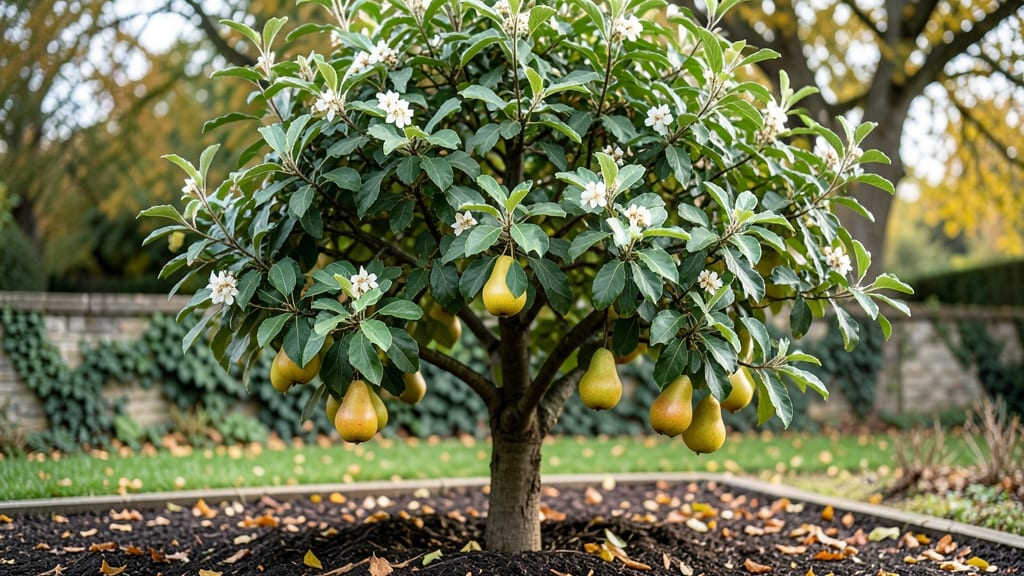
A full grown Asian pear tree can produce 100+ pounds of fruit annually—but only if you prune it right. I’ve spent five seasons wrestling with my own tree, learning which cuts keep branches strong and which ones invite disease.
The difference between a tree sagging under fruit and one that bears heavy loads year after year comes down to timing, technique, and a few key cuts you might be missing.
Most gardeners over-prune in spring, but Asian pears need a three-season approach: light shaping in late winter, summer thinning to improve airflow, and a final cleanup in early fall.
You’ll also need sharp bypass pruners, a ladder (for those high branches), and a bucket of rubbing alcohol to sterilize cuts—trust me, this step saves your tree from bacterial infections. The payoff?
A tree that supports its own fruit without breaking, with fewer pests and better sunlight penetration for sweeter pears.
By summer’s end, you’ll spot the difference: branches that don’t snap under weight, fruit that ripens evenly, and a canopy so open that sunlight reaches every pear. Even the most stubborn branches respond when you prune for structure first, fruit second.
And the best part? These same techniques work whether you’re dealing with a 15-foot tree in your backyard or a dwarf variety in a large container.
Here’s the game-changer: Asian pears ripen in stages, so you’ll harvest from late August through October if you prune correctly. The first year might feel like guesswork, but by year three, your tree will be a self-sustaining fruit machine. Let’s get those branches in shape before next season’s bloom.
📚 In This Guide
- What you need
- Instructions
- Tips and common mistakes
- Wrapping up and next steps
What you need
- ● Pruning shears: Bypass shears (4–6” blade) for small branches (test sharpness on a twig first!).
- ● Loppers: 8–10” bypass loppers for medium branches (1–2” diameter).
- ● Pruning saw: Curved-tooth saw (8–10” blade) for thick branches (2”+ diameter).
- ● Extension pole: 6–8’ telescoping pole with saw attachment for high branches.
- ● Disposable gloves: Heavy-duty, cut-resistant (nitrile or leather) to protect hands.
- ● Cleaning supplies: 70% isopropyl alcohol or rubbing alcohol (for sterilizing tools).
- ● Rag or paper towels.
- ○ Pruning sealant (optional): Tree wound sealant (like Tanglefoot) for cuts > ½”.
- ● Heavy-duty trash bags: 30–50 gallon size for debris cleanup.
- ● Weather check: Prune on a dry, calm day (avoid wind or rain within 24 hours).
- ● Safety gear: Safety glasses (to shield from debris).
- ● Long sleeves/pants (protection from thorns or sap).
- ● Sturdy boots or shoes (for uneven terrain).
- ● Tree health assessment: Inspect the tree for pests/diseases (e.g., fire blight, borers) before pruning.
- ● Ladder (if needed): 12–16’ aluminum ladder with non-slip feet for higher branches.
- ● 🔥 Sterilize tools: Wipe blades with alcohol between cuts to prevent spreading disease.
- ● 🌡️ Timing matters: Prune Asian pears in late winter/early spring (dormant season) for best results.
- ● ✨ Mark your cuts: Use chalk or tape to outline branches to remove before making cuts.
How to prune a mature Asian pear tree for maximum fruit production
Here's the pruning system I've used for years to keep my Asian pear trees thriving and loaded with fruit.
Plan Your Pruning Season and Tools
Asian pears fruit best when pruned during late winter or early spring, just before buds swell but before new growth begins. This timing ensures the tree focuses energy on fruit production rather than leaf growth. Gather your tools: sharp bypass pruners for clean cuts, loppers for thicker branches, and a pruning saw for any branches over ½ inch in diameter.
I always sanitize my tools with rubbing alcohol before starting to prevent spreading disease between cuts. A clean workspace means healthier growth and fewer problems later. Mark your calendar for February or March—this is the ideal window for pruning Asian pears in most climates.
Remove Dead, Diseased, or Crossing Branches First
Start by identifying and removing any dead, broken, or diseased branches—these are easy to spot because they're brown, brittle, or lack leaves. Cut these back to the main trunk or a healthy lateral branch, making your cut just outside the branch collar (the swollen area where the branch meets the trunk). This prevents damage to the tree's healing tissues.
Next, look for branches that cross or rub against each other. These will eventually create wounds that invite disease or pests. Remove the weaker of the two branches, cutting back to a healthy lateral branch or bud. This step keeps the tree's structure open, allowing sunlight and air to reach the center.
Thin Out Overcrowded Branches for Better Airflow
Asian pears produce heavy fruit loads, so airflow is critical to prevent fungal diseases like brown rot or fire blight. Focus on thinning branches that are too close together, especially in the lower third of the tree where sunlight struggles to reach. Remove one-third of the oldest, thickest branches to open up the canopy.
When thinning, always cut back to a lateral branch or outward-facing bud to encourage growth in the right direction. Avoid leaving stubs—this invites decay. You'll know you've done enough when you can see light filtering through the branches and sunlight reaching the center of the tree.
Shape the Tree for Even Fruit Distribution
Asian pears benefit from a balanced, open-center shape that allows sunlight to reach all branches. Start by selecting 3-5 strong, well-spaced scaffold branches (the main branches that form the tree's structure). These should be evenly spaced around the trunk and angled outward.
Prune back any suckers (shoots growing from the base or trunk) and water sprouts (fast-growing vertical shoots). Cut these back to a bud or lateral branch to redirect energy into fruit production. This step ensures the tree's energy goes where it matters—into larger, healthier fruit rather than unnecessary growth.
Lighten the Canopy for Fruit Development
Heavy fruit loads require balanced growth, so thin out some of the smaller branches inside the canopy to reduce competition for nutrients. Focus on removing thin, weak branches that aren’t contributing to the tree’s structure. Aim to leave strong, outward-facing branches that can support fruit without overburdening the tree.
After pruning, step back and assess the tree’s shape. You should see a well-lit, open structure with room for new growth. This is the key to year-round fruit production—your Asian pear tree will reward you with sweet, juicy pears if you keep it healthy and balanced.
Tips & tricks for pruning a mature Asian pear tree
Pruning this tree isn't just about cutting branches—it's about creating the perfect framework for fruit production. Here's what I've learned after years of working with these trees.
Timing is Everything: The late winter to early spring window (February or March) is critical because it lets the tree focus all its energy on fruit development rather than new leaf growth. If you prune too early, you risk exposing the tree to late frosts. If you wait too long, you'll encourage excessive vegetative growth that competes with fruit production. I've seen trees that were pruned in summer produce significantly fewer pears the following season.
Clean Cuts Prevent Future Problems: Always make your cuts just outside the branch collar—the swollen area where the branch meets the trunk. This prevents damage to the tree's healing tissues and reduces the risk of disease entry points. I've made the mistake of leaving stubs in the past, and those areas became perfect entry points for fungal infections. A clean cut also promotes faster healing and stronger regrowth.
Airflow is Non-Negotiable: Asian pears are particularly susceptible to fungal diseases like brown rot and fire blight when the canopy is too dense. When you're thinning branches in Step 3, aim to remove one-third of the oldest, thickest branches to create that crucial airflow. You'll know you've done enough when you can see light filtering through the branches and sunlight reaching the center of the tree. This isn't just about aesthetics—it's about disease prevention and fruit quality.
Shape Matters More Than You Think: The balanced, open-center shape described in Step 4 isn't just a recommendation—it's essential for even fruit distribution. I've seen trees with poor structure produce pears that were all clustered on one side, making harvesting difficult and creating shade issues for other branches. When selecting your 3-5 scaffold branches, make sure they're evenly spaced and angled outward. This creates the perfect framework for heavy fruit loads without overburdening any single branch.
Pro Tips for Full Grown Asian Pear Tree
- Pruning this tree isn't just about cutting branches—it's about creating the perfect framework for fruit production.
- Timing is Everything: The late winter to early spring window (February or March) is critical because it lets the tree focus all its energy on fruit development rather than new leaf growth.
- Clean Cuts Prevent Future Problems: Always make your cuts just outside the branch collar—the swollen area where the branch meets the trunk.
Frequently asked questions
Got questions about keeping your full-grown Asian pear tree thriving with a bountiful harvest? Here are answers to common concerns to help you prune like a pro!
How often should I prune my Asian pear tree for maximum fruit production?
Aim for two pruning sessions per year: a light shaping in late winter or early spring (before buds swell) and a heavier harvest-focused trim in summer after fruiting. This balances airflow, sunlight, and fruit load. Avoid heavy pruning in fall—it stresses the tree before dormancy.
When is the best time to prune if my Asian pear tree is already loaded with fruit?
If your tree is heavily laden, prioritize summer pruning (June–July) to reduce weight stress and improve next year’s yield. Remove water sprouts, crossing branches, and overcrowded fruit clusters first. Thin fruit clusters to 6–8 inches apart to prevent limb breakage. Never prune more than 25% of the canopy at once!
Can I grow a full-sized Asian pear tree in a container, or does it need to be planted in the ground?
While dwarf or semi-dwarf varieties (like ‘Hosui’ or ‘Seiki’) thrive in large containers (20+ gallons), standard Asian pear trees require in-ground planting for long-term health. Containers limit root growth, reducing fruit quality and tree lifespan. If container-grown, use well-draining soil and repot every 2–3 years.
My Asian pear tree’s branches are sagging under fruit weight—what should I do?
Sagging branches signal structural stress. Act fast:
- Thin fruit clusters to reduce weight (aim for 3–5 fruits per spur).
- Use tree supports (e.g., stakes or slings) for heavy limbs.
- Prune weak or forked branches to redistribute weight.
- Avoid over-fertilizing—it encourages more fruit than the tree can bear.
Are there any pruning mistakes that can kill my Asian pear tree?
Yes! Avoid these fatal pruning errors:
- Pruning in fall/winter—promotes disease and weakens buds.
- Topping the tree (cutting main branches back drastically)—creates stubs and invites pests.
- Over-pruning (>30% of foliage)—starves the tree of energy.
- Ignoring dead/diseased wood—spreads fungal/bacterial infections.
Wrapping up and next steps
Growing a full-grown Asian pear tree with a bountiful harvest year-round is absolutely within reach—thanks to the right pruning techniques! By mastering open-center shaping, thinning cuts, and seasonal adjustments, you’ll ensure strong branches, better airflow, and fruit that’s plentiful and delicious. 🍐✨
Ready to take the next step? Start by sketching a simple pruning plan for your tree—note which branches need thinning, where to cut for sunlight, and how to shape for easy harvesting. Grab your tools, and give your Asian pear tree the care it deserves!