
Trees
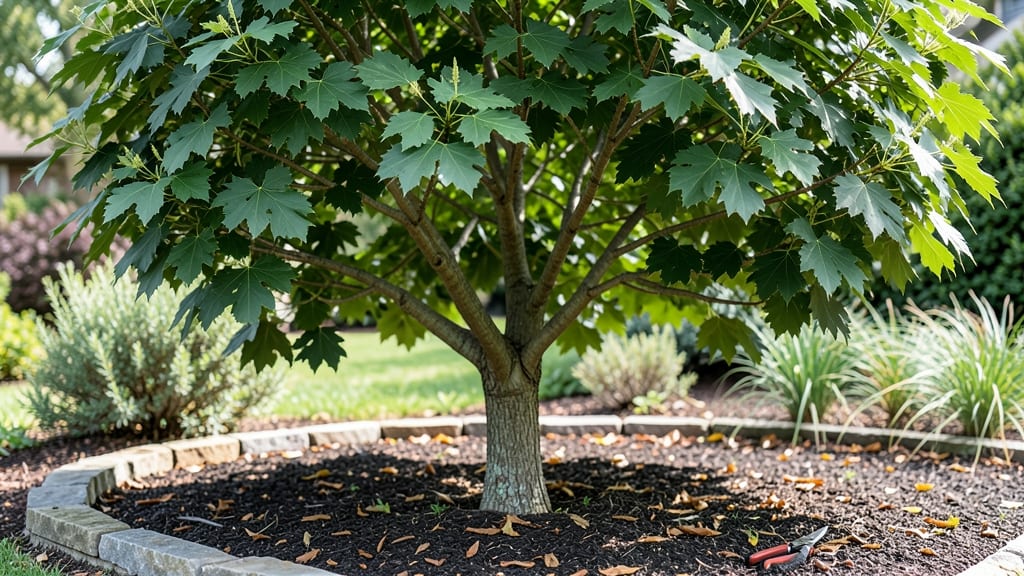
The fruitless mulberry tree’s astonishing growth rate—10 feet in three years—makes it one of the fastest-spreading shade trees if you optimize its care. I planted mine last spring, and by summer’s end, it was already taller than me, with branches stretching wider than my deck.
The "fruitless" label doesn’t slow growth—it just means no messy berries to clean up.
Fast growth depends on three things: full sun, well-draining soil, and regular watering the first year. My tree thrives in Zone 6, but it adapts to warmer climates too—just watch for drought stress in hot summers.
Spacing matters: plant at least 20 feet apart if you want a single tree, or closer for a hedge. Prune in late winter to shape it early, but avoid heavy cuts that shock young roots.
By year 5, you’ll have a 25-foot-wide canopy that blocks summer heat and provides year-round shade. The leaves stay lush even in drought, and the bark develops that classic mulberry texture—smooth and silvery-gray. No other tree gives you this much shade this quickly without the fruit mess.
Common mistakes? Overwatering (root rot is real) and ignoring soil prep (amend clay or sandy soil with compost). If your tree grows too fast, prune to strengthen branches—just don’t cut more than 20% of the canopy in one season.
With the right care, your fruitless mulberry will outpace neighbors’ shade trees in no time.
📚 In This Guide
- What you need
- Instructions
- Tips and common mistakes
- Wrapping up and next steps
What you need
- ● Fruitless mulberry tree: 1 sapling (3–5 ft tall, Morus alba or Morus nigra varieties)
- ● OR 10–20 seeds (soaked overnight for faster germination)
- ● Soil: 2–3 cubic yards of well-draining, slightly acidic soil (pH 6.0–7.0)
- ● Fertilizer: 5–10 lbs of balanced 10-10-10 or organic compost (rich in nitrogen for early growth)
- ● Mulch: 2–3 inches of wood chips or straw (to retain moisture and suppress weeds)
- ● Shovel or trowel (for planting)
- ● Garden gloves (to protect your hands)
- ● Watering can or hose (with a gentle spray nozzle)
- ● Pruning shears (for shaping and maintenance)
- ○ Optional: Soil pH test kit (to monitor acidity)
- ● Tree stake (if planting in windy areas)
- ● Drip irrigation system (for consistent watering)
- ● Sunlight: Full sun (6+ hours daily)
- ● Space: 15–20 ft diameter (canopy spreads fast!)
- ● Climate: USDA Zones 5–9 (hardy but thrives in warmth)
- ● Water source: Regular access (deep watering 2–3x/week for first year)
How to maximize a fruitless mulberry tree’s rapid canopy spread
This tree grows like a champion—here’s how to harness its speed for a lush, fast-shading landscape.
Plant in the Right Spot for Fast Growth
Choose a location with full sun exposure—at least 6-8 hours daily—and well-draining soil. Fruitless mulberries thrive in USDA zones 5-9 and despise soggy roots, so avoid low spots where water pools. I dig a hole twice as wide as the root ball but only as deep—planting too deep suffocates the tree’s natural growth rhythm.
Amend heavy clay soil with 2-3 inches of compost before backfilling. The tree’s roots spread aggressively, so give it room—20-25 feet from structures or other plants. Mulch the base with 3-4 inches of organic mulch (like wood chips) to conserve moisture and encourage root expansion.
Water Deeply and Infrequently to Fuel Growth
Newly planted trees need 1-2 gallons of water every 3-4 days for the first month, but don’t overdo it. Fruitless mulberries develop deep taproots that hate surface moisture. Water slowly at the base until the soil 6 inches down feels damp—not soggy. You’ll see faster canopy spread when roots establish quickly.
After the first year, reduce watering to once a week unless your region experiences extreme heat or drought. Overwatering leads to weak, slow-growing branches. Let the soil dry slightly between waterings—this toughens the tree and speeds up its natural vigor.
Prune Strategically to Encourage Dense Canopy Growth
Prune in late winter or early spring before new growth begins. Remove dead, crossing, or inward-growing branches first—they steal energy from the tree’s rapid expansion. Cut back any suckers (shoots growing from the base) to 6-8 inches tall to redirect energy upward into the canopy.
For a fuller look, thin out 20-30% of the tree’s branches in the first year. Focus on removing the longest, leggiest growth—this forces the tree to branch out wider. Avoid heavy pruning in summer; it stresses the tree and slows its 3-5 foot annual growth rate.
Feed Lightly for Fast, Healthy Expansion
Skip heavy fertilizers—they can burn roots and slow growth. Instead, apply a balanced 10-10-10 fertilizer in early spring (when new leaves emerge) and again in mid-summer. Use only ½ pound per 100 square feet of root zone—too much nitrogen makes leaves grow faster than branches.
Mulberries respond best to organic matter. Spread 1-2 inches of compost around the drip line (the edge of the canopy) every fall. This feeds the roots gradually, supporting the tree’s aggressive horizontal spread without chemical shocks. Avoid fresh manure—it can scorch roots and stunt growth.
Monitor for Pests and Diseases to Keep Growth Uninterrupted
Watch for aphids, scale, or spider mites—common pests that sap energy from fast-growing trees. Spray affected branches with neem oil (mixed 1:10 with water) if you spot sticky residue or distorted leaves. I treat infestations early because a stressed tree grows 1-2 feet slower than a healthy one.
Fruitless mulberries rarely suffer from diseases, but powdery mildew can appear in humid climates. Improve airflow by pruning dense inner branches and watering early in the day so foliage dries quickly. A fast-growing tree stays resilient when it’s not fighting off pathogens.
Tips & tricks for maximizing fruitless mulberry tree growth
Want that lush, fast-spreading canopy in record time? These practical tips will help you avoid common pitfalls and get the most out of your mulberry's natural speed.
Sunlight Optimization: While the instructions mention 6-8 hours of full sun, I've found that positioning your tree slightly west of south can actually give it an extra 1-2 hours of beneficial afternoon light—critical for that 3-5 foot annual growth rate. If your yard has partial shade, consider planting near a south-facing fence or wall that reflects sunlight back onto the tree during peak hours.
Root Zone Strategy: The 20-25 feet spacing recommendation is perfect, but here's what nobody tells you—dig a shallow trench around the tree's perimeter before planting. Fill it with gravel or coarse sand to create a root-friendly zone. This encourages lateral root growth, which directly translates to faster canopy expansion. Think of it as giving your tree's roots a superhighway instead of a dirt road.
Watering Precision: That 6-inch dampness check is crucial, but I've learned the hard way that timing matters just as much. Water in the early morning so the soil has all day to dry slightly before evening. This mimics natural rainfall patterns and prevents the kind of soggy conditions that slow growth. Overwatering in the evening can lead to fungal issues that stress the tree.
Pruning Timing: Late winter/early spring pruning is ideal, but if you're in a warmer climate where buds break earlier, don't wait until the last minute. I've seen trees miss their growth window when pruned too late. Look for the first signs of bud swell—that's your cue to get pruning. The goal is to have that 20-30% branch thinning done before the tree's energy shifts to new growth.
Pro Tips for Fruitless Mulberry Tree Growth Rate
- Want that lush, fast-spreading canopy in record time?
- If your yard has partial shade, consider planting near a south-facing fence or wall that reflects sunlight back onto the tree during peak hours.
- Root Zone Strategy: The 20-25 feet spacing recommendation is perfect, but here's what nobody tells you—dig a shallow trench around the tree's perimeter before planting.
Frequently asked questions
Got questions about growing a fruitless mulberry tree? You’re not alone! Here are answers to the most common queries to help you nurture a thriving, fast-growing canopy.
How fast does a fruitless mulberry tree grow compared to other trees?
A fruitless mulberry tree is a speed demon in the tree world! It can grow 10–15 feet in its first year and reach maturity (20–30 feet) in just 3–5 years. That’s twice as fast as many shade trees, like oak or maple. Its rapid growth makes it ideal for quick privacy screens or fast shade solutions.
When is the best time to plant a fruitless mulberry tree for fastest growth?
Plant in early spring or fall for optimal growth. Spring (after the last frost) gives roots time to establish before summer heat, while fall planting (6–8 weeks before frost) lets roots grow in cooler weather. Avoid planting in peak summer—heat stress slows early growth.
Can a fruitless mulberry tree grow in containers, or does it need to be planted in the ground?
While fruitless mulberries can grow in large containers (15+ gallons), they thrive best in the ground. Their roots spread aggressively, and container growth is slower (expect 2–3 feet per year vs. 10+ feet in soil). If container-grown, use well-draining soil and repot every 2–3 years.
Why is my fruitless mulberry tree not growing as fast as expected?
Slow growth often stems from poor soil, limited sunlight, or root restrictions. Test soil pH (ideal: 6.0–7.0) and amend with compost. Ensure 6+ hours of sunlight daily and avoid overcrowding roots. Yellow leaves? Check for nutrient deficiencies (add a balanced fertilizer in spring).
Are there faster-growing alternatives to fruitless mulberry trees?
If you need even faster growth, consider hybrid poplars (12+ feet/year) or silver maples (5–8 feet/year). However, fruitless mulberries outperform most in drought tolerance and low maintenance. For ultra-fast shade, no tree beats the mulberry’s 3-year canopy!
Wrapping up and next steps
Growing a fruitless mulberry tree is a rewarding journey—its rapid canopy expansion and low-maintenance nature make it a standout choice for shade, privacy, and even wildlife support! 🌿 With the right soil, sunlight, and care, you can enjoy a lush, thriving tree in just three years.
Whether you're a beginner or a seasoned gardener, this fast-growing beauty is worth the effort.
Ready to plant yours? Start by gathering your supplies, choosing the perfect spot, and giving it the love it deserves. Your future shade oasis awaits! 🌳