
Pruning
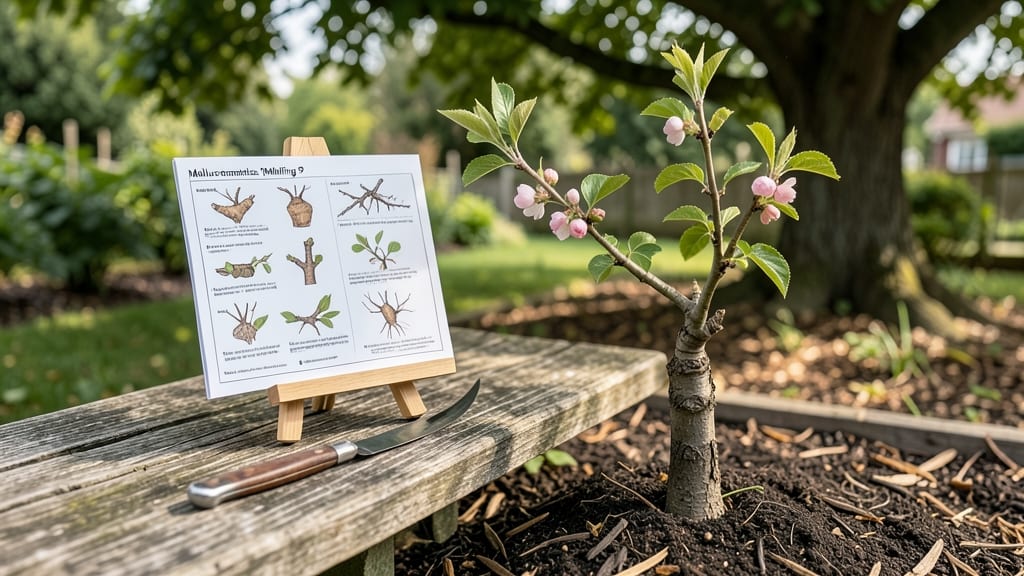
Fruit tree rootstocks are the secret weapon behind every thriving orchard—especially in cold climates where winter survival matters most. 🌳 I’ve seen weak, stunted trees transformed into hardy, productive powerhouses just by swapping out the root system, and it’s easier than you’d think.
The right rootstock determines everything from tree size to cold tolerance, so choosing wisely means fewer winter losses and bigger harvests.
Cold-hardy rootstocks like Antonovka for apples or Montmorency for cherries thrive where standard varieties fail. These tough varieties handle freezing temperatures, drought, and poor soil better than their grafted counterparts. You’ll get faster establishment, stronger growth, and fruit that’s actually worth picking—no more tiny, bland berries or bitter apples.
The best part? Many cold-hardy rootstocks are dwarfing, so you can grow full-sized fruit trees in small spaces.
Once you pick the right rootstock, planting is straightforward: dig a hole twice as wide as the root ball, amend the soil with compost, and water deeply before backfilling. For grafted trees, the rootstock’s job is already done—just focus on proper pruning and care.
Within a few years, you’ll have a tree that outlasts the neighborhood’s flimsy store-bought options. Cold winters won’t stand a chance.
Works for apples, pears, cherries, and even some stone fruits, depending on the variety. Whether you’re reviving an old orchard or starting from scratch, rootstocks are the foundation of a resilient, productive fruit tree. Let’s get growing!
📚 In This Guide
- What you need
- Instructions
- Tips and common mistakes
- Wrapping up and next steps
What you need
- ● Rootstock Varieties: Cold-hardy options like Malling-Merton (M.9, M.26), Antonovka, or Siberian Crabapple (1–5 plants, depending on orchard size).
- ● Scion Wood: Compatible grafted varieties (e.g., Honeycrisp apples, Northern Spy) for topworking.
- ● Grafting Tools: Sharp grafting knife (budding or whip-and-tongue).
- ● Grafting tape or rubber bands (for securing grafts).
- ● Pruning shears (for cleanup cuts).
- ● Soil Prep: Compost or well-aged manure (1–2 bags per planting hole).
- ● Slow-release fertilizer (10-10-10 or organic alternative).
- ● Planting Supplies: 5-gallon grow pots (for bare-root rootstocks).
- ● Mulch (straw or wood chips, 2–3 inches).
- ● Rootstock certification (to ensure disease-free stock).
- ● Drip irrigation kit (for consistent moisture).
- ● Tree guards (to protect young grafts from critters).
- ● Soil test kit (to check pH and nutrient levels).
Step-by-step guide to selecting and planting cold-hardy fruit tree rootstocks
Here's how to choose resilient rootstocks and establish them for long-term fruit production.
🌱 Step 1: Choose Rootstocks Matching Your Climate Zone and Tree Type
Cold-hardy rootstocks like Malling-Merton (M.9) for apples or Elberta for peaches thrive in USDA zones 3-7 and produce dwarf to semi-dwarf trees ideal for small spaces. I always cross-reference the rootstock's cold tolerance rating with my winter lows—M.26 handles -20°F, while B.9 tops out at -15°F. For stone fruits, Lovell peach rootstocks excel in colder regions, while Siberian crabapple rootstocks like Malus 'Centennial' tolerate -30°F without flinching.
Consider your tree's intended size: M.9 produces a 12-15 foot tree, while B.9 stays under 10 feet. If space is tight, M.27 (6-8 feet) or Colt (5-6 feet) are game-changers. I avoid semi-dwarf rootstocks in windy areas—their larger canopies catch gusts harder. For container growing, M.26 or Budagovsky 9 (Russian dwarfing rootstock) are my go-tos.
🪴 Step 2: Prepare the Planting Site for Optimal Root Development
Dig a hole twice as wide as the root ball but only as deep—planting too deep suffocates roots and causes girdling. Amend the native soil with 2-3 inches of compost mixed into the bottom 12 inches of the hole, but avoid fresh manure near roots. I test soil pH first; most fruit trees prefer 6.0-7.0. If your soil is heavy clay, add 10% perlite to improve drainage.
For windbreaks, plant rootstocks 15-20 feet from structures or fences. Stake only if necessary—over-staking restricts trunk growth. I bury the stake 1/3 of its length and tie the tree loosely with soft tree tape, leaving room for trunk expansion. Water the hole deeply 24 hours before planting to prevent root desiccation during transplant.
☀️ Step 3: Plant and Water for Immediate Root Establishment
Position the rootstock so the graft union sits 2-3 inches above soil level—this prevents future soil splash damage. Spread roots gently outward (never force them) and backfill with native soil, tamping lightly every 2 inches to eliminate air pockets. A 1-inch layer of mulch (wood chips or straw) retains moisture but keep it 6 inches away from the trunk to avoid rot.
Water immediately after planting 10 gallons for each 1-inch caliper tree, or 5 gallons for smaller rootstocks. I use a soaker hose to deliver moisture 6 inches deep—surface watering encourages shallow roots. Monitor soil moisture weekly; roots need 1-2 inches of water per week during the first growing season. Avoid fertilizing for 8-12 weeks—new roots are sensitive to salts.
✂️ Step 4: Prune and Protect for First-Winter Survival
Prune newly planted rootstocks to remove all suckers and shape the scaffold branches into a central leader or open vase. I cut back 1/3 of the top growth to reduce transpiration stress. For cold-hardy varieties, apply tree wrap (not plastic) in late fall to prevent sunscald on bark. I also mound 4-6 inches of soil around the base in winter for extra insulation—just remember to remove it in spring.
Watch for girdling roots in the first year—if roots circle the trunk, gently loosen them with a knife. Cold-hardy rootstocks like Antonovka or Northern Spy may show winter damage as blackened bark, but healthy buds below the damage will regrow. Never prune damaged areas until late spring—wait until new growth confirms the tree's survival.
Tips & tricks for perfectly establishing cold-hardy fruit tree rootstocks
These insider strategies will help you maximize survival rates and long-term productivity for your cold-hardy fruit trees.
Cold Tolerance Cross-Referencing: When selecting rootstocks like M.26 (-20°F tolerance) or Malus 'Centennial' (-30°F tolerance), check your local winter lows from the National Weather Service. I've found that B.9 rootstocks (which top out at -15°F) often struggle in Zone 4 winters where temperatures can dip to -25°F. For peach rootstocks, Lovell handles colder climates better than Elberta, which is more suited for milder winters.
Root Ball Preparation: Before planting, soak the root ball in water for 24 hours—this prevents transplant shock and ensures immediate hydration. I always remove any wrapping materials that could restrict root growth, then trim any circling or damaged roots with clean pruners. For container-grown rootstocks like M.26 or Budagovsky 9, gently loosen the root ball to encourage outward growth rather than root circling.
Soil Amendment Strategy: The 2-3 inches of compost mixed into the bottom 12 inches of your planting hole should be well-aged—fresh compost can burn tender roots. I recommend using a blend of compost and native soil (70/30 ratio) to prevent nutrient overload. For heavy clay soils, blend in 10% perlite with the compost to improve aeration without disrupting the soil structure. Test your soil pH before amending; most fruit trees prefer 6.0-7.0—adjust with lime if needed.
Winter Protection Layering: When mounding soil around the base for winter insulation (the 4-6 inches recommendation), use a mix of native soil and compost. I've found that pure native soil compacts too much, while pure compost can encourage rot. Apply the mound after the first hard frost when soil temperatures drop below 30°F, and remove it in early spring before new growth begins. This technique has saved my Antonovka rootstocks from multiple sub-zero winters.
Pro Tips for Fruit Tree Rootstocks
- These insider strategies will help you maximize survival rates and long-term productivity for your cold-hardy fruit trees.
- Cold Tolerance Cross-Referencing: When selecting rootstocks like M.26 (-20°F tolerance) or Malus 'Centennial' (-30°F tolerance), check your local winter lows from the National Weather Service.
- Root Ball Preparation: Before planting, soak the root ball in water for 24 hours—this prevents transplant shock and ensures immediate hydration.
Frequently asked questions
Got questions about fruit tree rootstocks?
You’re not alone! Whether you're a first-time grower or a seasoned gardener, these common queries can help you navigate the world of cold-hardy rootstocks with confidence. Let’s dive in!
What’s the best rootstock for cold climates like mine (Zone 4-6)?
For Zone 4-6, prioritize rootstocks like Malling-Merton (M.9) (dwarfing, good cold tolerance), BitterSweet (B.9) (vigorous, hardy), or Antonovka (apple rootstock, extremely cold-resistant). Always check your specific fruit type—apple, peach, or cherry rootstocks vary in hardiness!
How long does it take for a grafted tree to bear fruit compared to a seedling?
Grafted trees (with rootstock) typically bear fruit 1-3 years faster than seedlings, which can take 5-10 years. Rootstocks like M.26 (ultra-dwarf) or Semidwarf varieties accelerate fruiting, while seedling rootstocks (like Black Sapote) may delay it but improve hardiness.
Are there budget-friendly alternatives to expensive rootstocks?
Yes! Seedling rootstocks (e.g., Northern Spy for apples or Elberta for peaches) are cheaper but slower-growing. For cold climates, crabapple seedlings (used for apples) or local wild plum rootstocks (for peaches) can be cost-effective. Just expect larger, less uniform trees!
My grafted tree’s trunk is swelling at the graft union—is it dying?
Not necessarily! A slight swelling at the graft union is normal as the tree heals. However, if the swelling is cracking, oozing sap, or rotting, it may signal graft incompatibility or disease (like Agrobacterium). Prune away dead tissue, sterilize tools, and monitor for pests. Cold-hardy rootstocks like B.9 rarely fail, but poor grafting can.
Can I plant rootstocks in late fall or early spring for cold climates?
For Zone 4-6, late fall (October-November) is ideal—bare-root trees establish roots before winter. If planting in early spring (March-April), water deeply and mulch to protect roots. Avoid extreme heat or frost; dwarf rootstocks (M.9) are more frost-sensitive than standard rootstocks (seedling).
What if my rootstock isn’t compatible with my fruit variety?
Compatibility is key! For example, peach rootstocks won’t work for apple trees. Always match:
Check local extension office guides or nurseries for verified pairings!
Wrapping up and next steps
Choosing the right fruit tree rootstocks is your secret weapon for thriving orchards—even in chilly climates! 🌳❄️ These cold-hardy varieties ensure stronger roots, better disease resistance, and year-round success. Whether you're a seasoned gardener or just starting, the key is matching the rootstock to your zone and goals.
Ready to take the next step? Start small—plant one or two trees with the perfect rootstock—and watch your garden flourish! Happy growing!