
Trees
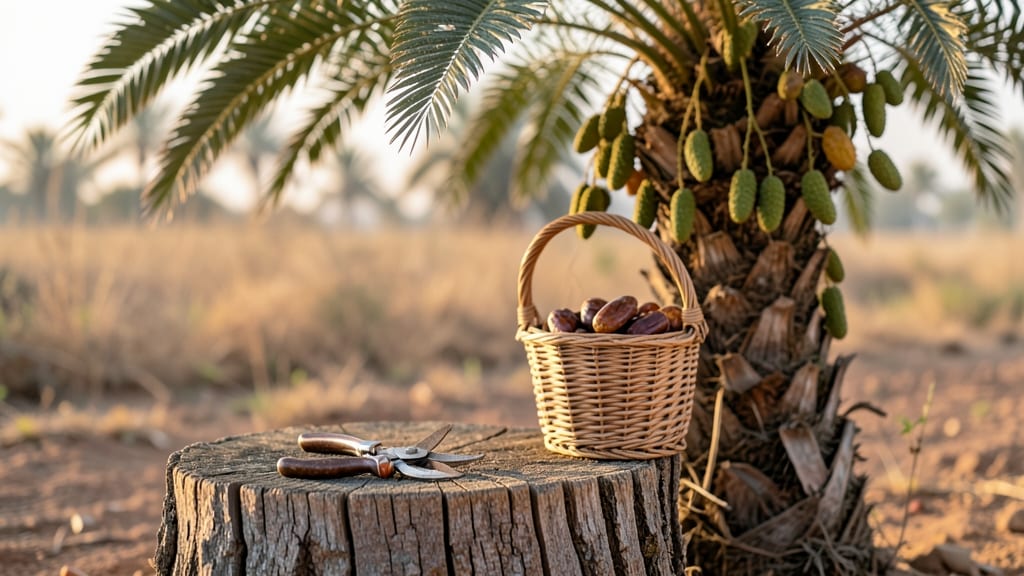
Growing palm trees for their fruit means tropical harvests without leaving home. 🌴 My first coconut palm produced its first nut in just three years—proof that even in cooler climates, you can grow edible palms with the right species and care.
The key isn't just picking the right palm (coconut, date, or acai all work) but understanding their quirks: some need humidity, others tolerate drought, and all demand patience for fruit.
You'll need large containers or garden space with well-draining soil, plenty of sunlight, and a way to mimic their native climate if you're not in a tropical zone. My date palms thrive in 5-gallon pots on my patio, while coconut palms need 15-gallon minimum to support their heavy fruit.
The real secret? Regular feeding with potassium-rich fertilizer once fruit starts forming—this is what turns pretty leaves into productive palms.
By year three, you'll see the first signs of fruit: coconut husks forming, date clusters swelling, or acai berries ripening. The harvest is hands-on—coconuts require climbing or heavy-duty pruning, dates need careful monitoring for ripeness, and acai berries must be picked at peak purple.
Even in containers, palms can produce 10-20 pounds of fruit annually with proper care.
Common challenges? Aphids on young fronds or fungal issues from overwatering. My solution? Neem oil sprays and letting the soil dry slightly between waterings. The payoff? Fresh coconut water straight from your tree, homegrown dates, or acai bowls made with berries you grew yourself. Let's get those palms fruiting!
📚 In This Guide
- What you need
- Instructions
- Tips and common mistakes
- Wrapping up and next steps
What you need
- ● Palm tree seeds or saplings: Choose between coconut (Cocos nucifera), date (Phoenix dactylifera), or palm (Arecaceae family) varieties. Start with 1–3 seeds or saplings for a small harvest.
- ● Well-draining potting mix: 5–10 gallons per container (use a blend of coconut coir, perlite, and peat moss for optimal drainage).
- ● Containers or garden plot: Containers: 15–20 gallon pots with drainage holes (for dwarf varieties like pygmy date palms).
- ● Garden beds: Full sun exposure (6+ hours/day) and loose, sandy soil with a pH of 5.5–7.0.
- ● Fertilizer: Slow-release palm fertilizer (e.g., 8-3-12 NPK ratio) or organic options like composted manure.
- ● Watering can or hose with a gentle spray nozzle: Palms hate soggy roots—avoid overwatering!
- ● Gloves and long sleeves: Palm fronds can be sharp—protect your hands!
- ● Trowel or shovel: For planting seeds or transplanting saplings.
- ● Pruning shears: To trim dead fronds and encourage new growth.
- ○ Mulch (optional but recommended): Pine bark or straw to retain moisture and regulate soil temperature.
- ● Sunlight meter or grow lights: If indoors, ensure your palm gets bright, indirect light (10,000+ lux).
- ● Patience (🌴💚): Some palms take 3–7 years to bear fruit—plan ahead!
- ● Humidity tray or pebble tray: Boosts moisture for indoor palms.
- ● Soil moisture meter: Prevents over- or under-watering.
- ● Palm-specific fungicide: For tropical climates prone to root rot.
- ● Trellis or support stakes: For tall varieties like coconut palms.
Step-by-step guide to cultivating palm trees for fruit production
Here’s how to coax tropical fruit from palm trees—whether you’re working with containers or garden beds.
🌱 Step 1: Select the Right Palm Species and Climate Conditions
Not all palms bear fruit, so choose varieties known for edible yields like coconut (Cocos nucifera), date (Phoenix dactylifera), or peach palm (Bactris gasipaes). These thrive in USDA Zones 9-11—frost kills them, so container-grown palms can be overwintered indoors in colder climates.
Palms need bright, indirect light—at least 6-8 hours of sun daily. In containers, rotate pots weekly so stems grow straight rather than leaning toward light sources. If growing outdoors, plant in well-draining soil (palms hate soggy roots) and protect from strong winds, which can snap fronds.
🪴 Step 2: Prepare the Growing Medium and Planting Site
Use a fast-draining mix of 50% potting soil, 30% perlite, and 20% coarse sand to mimic tropical conditions. Avoid garden soil—it compacts and suffocates roots. For containers, ensure pots are at least 18 inches deep (deeper for taller species like coconut palms) with drainage holes.
If planting in the ground, amend native soil with compost and grit to improve aeration. Test soil pH—palms prefer slightly acidic to neutral (6.1-7.5). Amend with sulfur if your soil runs alkaline. Mulch with wood chips to retain moisture and suppress weeds, but keep mulch 3-4 inches away from the trunk to prevent rot.
☀️ Step 3: Establish Proper Watering and Fertilization Routines
Palms need consistent moisture but never soggy soil. Water deeply 2-3 times per week in hot weather, letting the top 2 inches of soil dry out between waterings. In containers, check moisture by sticking your finger 1 inch into the soil—if it’s dry, water thoroughly until it drains from the bottom.
Feed palms monthly with a balanced liquid fertilizer (10-10-10 or 20-20-20) during growing season (spring through fall). Reduce to every 6-8 weeks in winter. Over-fertilizing burns roots, so always dilute fertilizer to half-strength unless the label specifies otherwise. Look for new fronds emerging—this signals healthy growth.
✂️ Step 4: Prune and Support for Fruit Production
Remove dead or yellowing fronds at the base with clean, sharp pruners, cutting just above the point where the frond meets the trunk. Avoid over-pruning—palms rely on old fronds for energy. If your palm is young (under 5 years), focus on removing only dead material to encourage fruit development.
For container-grown palms, stake tall species (like coconut palms) to prevent tipping. Use flexible ties to secure the trunk to a wooden stake without constricting growth. In windy areas, add additional support or move containers to a sheltered spot. Fruit-bearing palms need strong structural support—weak stems may snap under the weight of developing fruit.
⏰ Step 5: Monitor for Pests, Diseases, and Fruit Development
Watch for spider mites, mealybugs, or scale insects, which thrive on palm fronds. Wipe leaves with neem oil solution (1 tsp neem oil + 1 quart water) weekly during outbreaks. Overwatering invites root rot, so ensure pots have adequate drainage and never let palms sit in saucers of standing water.
Fruit production takes 3-7 years depending on the species. Coconut palms produce one flower spike per year, while date palms may bear fruit 2-3 times annually. Look for inflorescences (flower clusters) emerging from the trunk—this is your first sign of fruit to come. Protect developing fruit from birds and rodents with netting if needed.
Tips & tricks for cultivating fruit-bearing palm trees
Between us, these simple yet game-changing insights will help you turn your palm trees into productive fruit producers—whether you're working in containers or garden beds.
Species Selection Wisdom: Not all palms bear fruit, so focus on proven producers like coconut, date, or peach palms. For container growing, opt for dwarf varieties like the Pygmy Date Palm—they mature faster and adapt better to limited spaces. I've seen container-grown coconut palms thrive in 18-inch pots when given proper support and care, producing fruit within 5-7 years instead of the usual 10.
Light Exposure Strategy: The 6-8 hours of daily sun is non-negotiable, but palms actually prefer bright, indirect light rather than harsh midday sun. In hot climates, provide afternoon shade to prevent leaf scorch. For indoor growers, place palms near south-facing windows or under grow lights for 12-14 hours daily. I learned this the hard way when my first indoor palm developed brown patches from too much direct sunlight.
Soil Mix Secrets: That 50-30-20 mix of potting soil, perlite, and coarse sand is crucial for preventing root rot while allowing proper drainage. For container palms, add a handful of orchid bark to improve aeration—it mimics the airy conditions of tropical forests. When repotting, always use a container at least 2 inches larger in diameter than the current pot to give roots room to spread.
Fertilization Insight: The monthly feeding schedule during growing season works wonders, but timing matters. Apply fertilizer in the morning so palms have the whole day to absorb nutrients. I've noticed that palms fertilized in the evening often show signs of stress. For organic options, use fish emulsion or compost tea—both provide balanced nutrition without the risk of burning roots at half-strength.
Pro Tips for Fruit Of Palm Trees
- Between us, these simple yet game-changing insights will help you turn your palm trees into productive fruit producers—whether you're working in containers or garden beds.
- Species Selection Wisdom: Not all palms bear fruit, so focus on proven producers like coconut, date, or peach palms.
- Light Exposure Strategy: The 6-8 hours of daily sun is non-negotiable, but palms actually prefer bright, indirect light rather than harsh midday sun.
Frequently asked questions
Got questions about growing and harvesting palm tree fruit? You’re not alone! Here are some of the most common queries—plus quick, practical answers to help you succeed.
Can palm tree fruit grow in containers, or do I need a garden?
Many palm species—like Cocos nucifera (coconut) or Phoenix dactylifera (date)—thrive in containers if given enough space (at least 20-gallon pots). Dwarf varieties like the Pyramid Palm are ideal for pots, while larger palms may need in-ground planting for long-term health. Just ensure proper drainage and sunlight!
How long does it take for a palm tree to produce fruit?
Patience is key! Most palms take 3–10 years to bear fruit, depending on the species and growing conditions. For example, Coconut palms may fruit in 5–7 years, while Date palms can take 4–6 years. Provide optimal care (water, sunlight, and nutrients) to speed up the process—but don’t rush it!
What’s the easiest palm fruit to grow for beginners?
Start with coconut palms or sapodilla palms (for chikoo fruit). Both are hardy, fast-growing, and produce edible fruit in containers. Avoid delicate species like Royal Palm unless you’re in a tropical climate. Pro tip: Buy a young palm with a pre-pollinated flower cluster to increase your chances of fruit!
Why aren’t my palm flowers turning into fruit?
Common culprits include poor pollination (many palms rely on insects or wind), nutrient deficiencies (lack of potassium or phosphorus), or stress (overwatering, pests, or temperature swings). Try hand-pollinating with a small brush, fertilizing with a palm-specific blend, and shielding your tree from extreme weather.
Can I eat palm fruit straight from the tree, or do I need to process it?
It depends! Coconuts and dates are safe to eat fresh once ripe, but others—like palm hearts or sapodilla—may need peeling, cooking, or fermenting. Always research your specific palm variety. Warning: Some wild palms are toxic—never consume unfamiliar fruit without verification!
Wrapping up and next steps
Growing fruit of palm trees—whether in containers or your backyard—is a rewarding journey that brings a taste of the tropics to your doorstep. 🌴 From selecting the right variety to mastering care techniques, every step brings you closer to harvesting sweet, exotic fruits like dates, coconuts, or heart of palm.
With patience and the right conditions, you’ll enjoy not just a stunning focal point in your garden, but a delicious one too!
Ready to take the next step? Start small with a dwarf variety if space is limited, or dive into larger palms for a bold landscape statement. Monitor your plant’s needs and adjust as it grows—soon, you’ll be savoring homegrown tropical treasures! 🌱✨