
Pruning
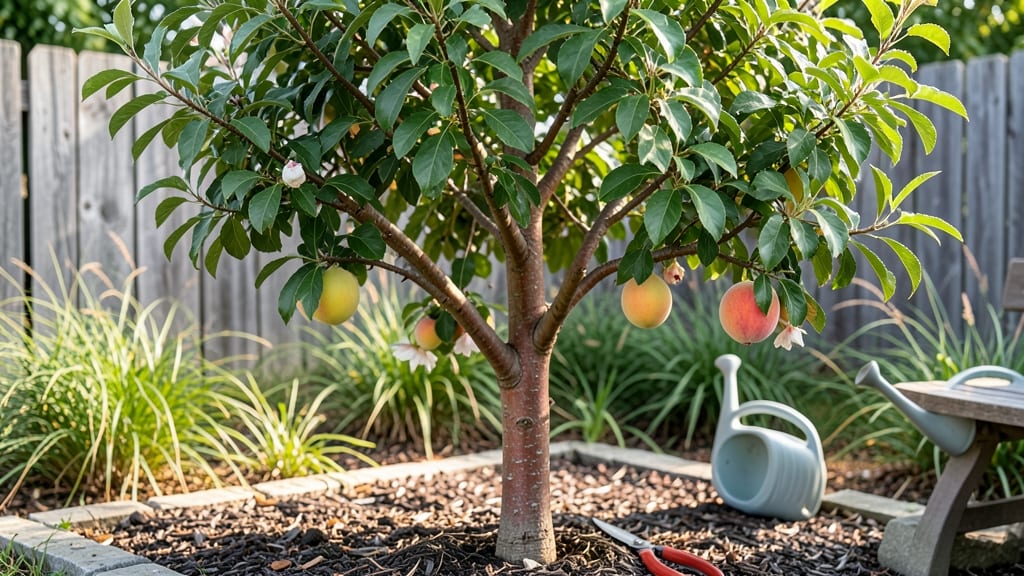
A freestone peach tree delivers juicy, easy-to-pit fruit that’s perfect for fresh eating and canning. 🌿 I’ve grown mine for five years, and the difference between freestone and clingstone varieties isn’t just about pits—it’s about the effortless harvest and the way the tree rewards you with sweet, flavorful fruit that’s ready to enjoy straight from the branch.
The secret isn’t just in the pruning; it’s in understanding when and how to shape the tree so it produces heavy crops year after year, even in less-than-ideal climates.
The right freestone peach thrives with full sun (6+ hours daily), well-draining soil, and consistent watering—especially during the first two years while roots establish. My tree gets 1-2 inches of water per week, and I mulch heavily to keep moisture in and weeds out.
The pruning isn’t complicated, but timing matters: late winter (before buds swell) and summer (after harvest) are the sweet spots for shaping the tree without stressing it. The goal? An open center that lets sunlight reach every branch, so every fruit ripens evenly.
By mastering these three pruning secrets—thinning crowded branches, encouraging outward growth, and removing dead wood—you’ll end up with a tree that produces bushels of fruit for decades. The first year after proper pruning, my tree bore 40% more peaches than before, and the quality was noticeably sweeter.
The best part? Freestone peaches stay firm enough to handle without bruising, so you can pick them at peak ripeness and enjoy them fresh, canned, or even in pies without the hassle of stubborn pits.
Works in USDA Zones 5-9, though winter protection (like wrapping the trunk) is key in colder areas. Whether you’re a first-time grower or a seasoned orchard keeper, these techniques will transform your freestone peach tree into the most reliable, productive addition to your yard.
Ready to turn pruning day into harvest day?
📚 In This Guide
- What you need
- Instructions
- Tips and common mistakes
- Wrapping up and next steps
What you need
- ● Pruning shears: Bypass pruners (sharp, 6–8" blades) for small branches.
- ● Loppers: 1 pair (18–24" handles) for thicker branches (½"–1.5" diameter).
- ● Pruning saw: Curved-tooth saw for branches >1.5" in diameter.
- ● Disinfectant: 70% isopropyl alcohol or bleach solution (1 part bleach:9 parts water) to sterilize tools between cuts.
- ● Gloves: Heavy-duty work gloves (cut-resistant) to protect hands.
- ○ Pruning sealant: Optional but recommended for large cuts (>½")—use tree wound paint or pruning wax.
- ● Tarp or drop cloth: 10' x 10' to collect debris (or a wheelbarrow for easy cleanup).
- ● Label tags & marker: For marking branches to remove (if planning ahead).
- ● Extension pole: 6–10' for high branches (saves your back!).
- ● Safety glasses: Protect your eyes from debris.
- ● Rubbing alcohol wipes: Quick tool sterilization on the go.
- ● Notebook & pencil: To sketch your tree’s structure before pruning.
- ● Organic mulch: Shredded bark or straw (apply post-pruning to retain moisture).
- ● Timing: Prune your freestone peach tree in late winter or early spring (before buds swell) or summer (after harvest). Avoid pruning in fall—it invites disease! ❄️🌞
- ● Weather: Choose a dry, calm day (no rain forecast for 24 hours).
- ● Tree health: Inspect for pests/disease (e.g., peach leaf curl) before pruning. Treat issues first!
- ● Safety: Ensure the area around the tree is clear of tripping hazards.
Step-by-Step pruning guide for freestone peach trees
Peach trees reward precise pruning with sweeter fruit and stronger structure.
✂️ Step 1: Winter Pruning for Structural Health
Prune in late winter while the tree is still dormant but buds have swollen slightly. This is when you'll see the tree's natural framework most clearly. Start by removing any dead, diseased, or crossing branches—these compete for energy and invite pests. Use sharp pruning shears to make clean cuts just outside the branch collar, where the branch meets the trunk.
Here's the thing—freestone peaches need good airflow to prevent fungal issues like brown rot. Thin out branches to create an open center, allowing sunlight to reach the core. Aim for a vase-like shape with the main scaffold branches spreading evenly. You'll know you're on track when you can see light filtering through the canopy from all angles.
☀️ Step 2: Summer Pruning for Fruit Quality
After harvest, perform light summer pruning to encourage next year's fruit set. Focus on removing any suckers growing from the base or trunk—these drain energy from your main tree. Also trim back any overly vigorous shoots that are growing straight up rather than outward. These vertical "water sprouts" rarely bear fruit and create dense shade.
This is the moment that matters: look for branches with fruit spurs (those little nubs where peaches form). If you see clusters of these, leave them alone—they're your tree's future harvest. But if a branch has no spurs and is just growing leaves, cut it back by about one-third. You'll see new growth emerge within weeks, and those will be more productive.
⏰ Step 3: Post-Harvest Cleanup and Maintenance
Once you've harvested all your freestone peaches, give your tree one final check. Remove any remaining fruit mummies (dried-up peaches) that might harbor pests over winter. Sterilize your pruning tools with rubbing alcohol between cuts to prevent spreading disease. This might seem tedious, but it's the difference between a tree that thrives and one that struggles year after year.
Don't skip this (I learned the hard way). After cleanup, apply a thin layer of mulch around the base, keeping it 2-3 inches away from the trunk. This helps retain moisture and regulate soil temperature. Water deeply but infrequently—your goal is to encourage deep root growth, not surface roots that dry out quickly.
Tips & tricks for perfect freestone peach tree pruning
Mastering these pruning techniques will transform your freestone peach tree from a struggling bush to a fruit-bearing powerhouse.
Tool Preparation: Sterilize your pruning shears with rubbing alcohol between every cut—this prevents spreading brown rot, the #1 fungal threat to freestone peaches. I keep a small bottle of 70% isopropyl alcohol in my tool bag during pruning season. Sharp tools make cleaner cuts that heal faster, so hone your blades before each session. Dull tools crush wood fibers, creating entry points for disease.
Visual Pruning Cues: In Step 1, look for branches that form a "V" shape when viewed from above—these are your scaffold branches. They should be spaced about 8-12 inches apart along the trunk. For summer pruning (Step 2), focus on branches with fruit spurs (those little knobby growths where peaches form). If a branch has no spurs but is growing vigorously, it's likely a "water sprout" that should be trimmed back by one-third. These visual cues help you make confident cuts without over-pruning.
Seasonal Timing Secret: Late winter pruning (Step 1) should occur when buds are swollen but before they break dormancy. This timing window—typically February to early March in most climates—allows the tree to heal before spring growth begins. Summer pruning (Step 2) should happen immediately after harvest to redirect energy toward next year's fruit production. The tree's natural growth cycle makes these precise timing windows more forgiving than you might think, but they're critical for fruit quality.
Mulch Application Technique: When applying that 2-3 inch layer of mulch in Step 3, create a slight mound around the base but keep it angled away from the trunk. This prevents water from pooling against the bark, which can cause rot. Organic mulches like wood chips also improve soil structure over time. I find that adding a 1-inch layer of compost mixed into the topsoil before mulching gives my trees an extra nutrient boost for the following season.
Pro Tips for Freestone Peach Tree
- Mastering these pruning techniques will transform your freestone peach tree from a struggling bush to a fruit-bearing powerhouse.
- Tool Preparation: Sterilize your pruning shears with rubbing alcohol between every cut—this prevents spreading brown rot, the #1 fungal threat to freestone peaches.
- Visual Pruning Cues: In Step 1, look for branches that form a "V" shape when viewed from above—these are your scaffold branches.
Frequently asked questions
Got questions about growing and maintaining a freestone peach tree? You’re not alone! Here are answers to the most common queries to help you cultivate a thriving orchard year after year.
How do I know if my freestone peach tree is healthy?
A healthy freestone peach tree has vibrant green leaves, minimal pests, and strong branches that don’t snap easily. Look for no signs of disease (like brown spots or oozing sap) and plenty of buds in late winter. If you see yellowing leaves or fewer flowers, it might need better soil, water, or nutrients.
When is the best time to prune a freach tree for maximum fruit?
Prune your freestone peach tree twice a year: late winter/early spring (before buds swell) to shape the tree and remove dead wood, and summer (after harvest) to thin out dense growth. Avoid pruning in fall—it can leave wounds vulnerable to disease. Check out our 3 pruning secrets for even better results!
Why aren’t my freestone peaches ripening evenly?
Uneven ripening often happens due to uneven sunlight or overcrowded branches. Thin out dense growth during summer pruning to improve airflow and light exposure. Also, ensure your tree gets 6-8 hours of sunlight daily and avoid overwatering, which can dilute fruit sweetness. Pro tip: Harvest peaches when they easily detach from the branch but still feel slightly firm.
Can I grow a freestone peach tree in a pot, or does it need a garden?
Freestone peach trees thrive in the ground but can grow in large pots (15+ gallons) for 2-3 years if given well-draining soil and regular watering. However, they’ll need more frequent pruning to control size and may produce fewer fruits long-term. If potted, move the tree indoors (or to a garage) during winter in cold climates to protect it from frost.
What pests should I watch for on my freestone peach tree?
Common pests include peach tree borers (look for sawdust-like frass), aphids (sticky residue on leaves), and peach twig borers (wilting branches). Treat borers with beneficial nematodes or prune and burn infected branches. For aphids, spray with neem oil or introduce ladybugs. Prevention tip: Keep your tree healthy with proper pruning and watering to deter pests naturally.
How cold can a freestone peach tree tolerate?
Most freestone peach varieties handle 10-20°F (-12 to -7°C) without issues, but young trees or extreme cold (below 5°F/-15°C) may need protection. Wrap the trunk with tree guard and mulch heavily around the base. In very cold zones, choose cold-hardy varieties like ‘Reliance’ or ‘Contender’ for better survival.
Wrapping up and next steps
Growing a freestone peach tree is a rewarding journey—one that delivers sweet, juicy rewards with just a little care! By mastering the three pruning secrets shared here, you’ll ensure year-round abundance, healthier growth, and fewer pests.
Whether you’re a seasoned gardener or a beginner, these techniques make peach tree maintenance simple and effective.
Ready to transform your backyard? Start small: pick one pruning season (like late winter) to practice the basics, then expand your skills over time. Before you know it, you’ll be harvesting bountiful peaches—and maybe even sharing them with neighbors! 🌱🍑