
Trees
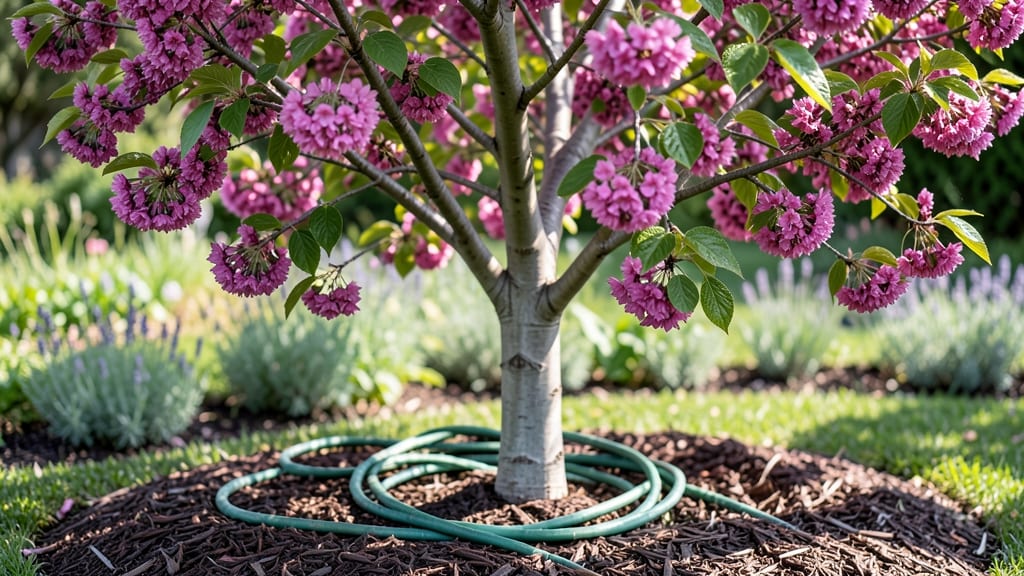
Flowering trees in Zone 5 can transform your spring into a riot of color—if you pick the right varieties. I’ve planted my share of finicky trees that struggled through our cold winters, but these hardy beauties thrive in Zone 5’s unpredictable climate.
The secret isn’t just choosing cold-resistant species; it’s matching bloom times to your last frost date and preparing the soil for winter’s harsh conditions.
My top picks for reliable blooms include serviceberry (with its edible berries and white spring flowers), crabapple (compact and disease-resistant), and Kousa dogwood (which handles heat and humidity better than its cousins). These trees don’t just survive Zone 5—they flourish, with some varieties even reblooming later in the season.
Plant them in full sun to partial shade, and amend heavy clay soil with compost to improve drainage, which is critical after our wet springs.
You’ll love waking up to fragrant blossoms in May, knowing your trees have weathered the winter just fine. Proper pruning in late winter (before buds swell) keeps them healthy, and a thick layer of mulch protects roots from freeze-thaw cycles.
Even in tough years, these trees bounce back with vibrant blooms year after year, making them the backbone of any Zone 5 landscape.
Whether you’re replacing a failed specimen or adding curb appeal, these trees deliver low-maintenance beauty that stands up to Zone 5’s challenges. Let’s dive into the specifics—so you can enjoy spring blooms without the guesswork.
📚 In This Guide
- What you need
- Instructions
- Tips and common mistakes
- Wrapping up and next steps
What you need
- ● Flowering tree saplings: Choose from hardy Zone 5 varieties like Magnolia stellata, Crabapple (Malus spp.), or Serviceberry (Amelanchier). Buy 1–3 trees, depending on your space.
- ● Shovel or digging spade: A 16–18-inch garden spade for medium-sized holes.
- ● Garden fork or tiller: For loosening compacted soil before planting.
- ● Compost or well-aged manure: 5–10 gallons to enrich planting soil.
- ● Mulch (wood chips or shredded bark): 2–3 inches to retain moisture and suppress weeds.
- ● Watering can or hose with nozzle: For gentle, deep watering.
- ● Pruning shears: Bypass-style for clean cuts (sterilize with rubbing alcohol).
- ○ Tree stakes (optional but helpful): 2–3 stakes per tree to support young saplings.
- ● Staking straps or soft ties: To secure stakes without damaging bark.
- ● Soil test kit: Check pH (ideal: 6.0–7.0) and nutrient levels.
- ● Slow-release fertilizer: Balanced 10-10-10 for young trees.
- ● Tree guard or wire cage: Protects from rodents or pets.
- ● Drip irrigation system: For consistent moisture in dry spells.
Instructions for planting hardy flowering trees in Zone 5
Here’s how to give your spring-blooming trees the best start for years of vibrant color.
Choose the Right Tree for Your Site and Soil
Zone 5’s fluctuating temperatures mean you’ll want trees that tolerate both winter cold and spring heat waves. Look for varieties like serviceberry (Amelanchier), redbud (Cercis canadensis), or magnolia (Magnolia stellata)—all proven performers in your climate. Check your soil type: clay-heavy areas need amending with compost, while sandy soil benefits from organic matter mixed into the planting hole.
I always dig a hole twice as wide as the root ball but no deeper—this encourages roots to spread horizontally rather than settling into compacted soil. Loosen the sides of the hole with a shovel or garden fork to help roots penetrate easily. If your yard has poor drainage, add a 4-inch layer of gravel at the bottom before backfilling.
Plant at the Correct Depth and Stake Only When Needed
Position the tree so the top of the root ball sits just above ground level—burying too deep suffocates roots, while planting too high leaves them vulnerable to drying out. Use a level to check, and adjust by removing or adding soil as needed. Gently spread roots outward if they’re circling the root ball, then backfill with the native soil you removed, mixing in a handful of slow-release fertilizer at the edges.
Staking is often unnecessary for young trees in Zone 5, but if your site has strong winds, use two stakes placed diagonally and a soft tree tie to secure the trunk without restricting growth. Water deeply after planting to settle the soil and eliminate air pockets around the roots. You’ll know it’s done right when water drains evenly without pooling.
Water Deeply and Mulch to Retain Moisture
Give newly planted trees a gallon of water per inch of trunk diameter—so a 3-inch trunk needs about 3 gallons. Water slowly at the base, avoiding the foliage, and repeat every 5-7 days until roots establish, which typically takes 6-8 weeks. Overwatering now can drown tender roots, so check soil moisture by sticking your finger 2 inches deep—it should feel damp but not soggy.
Apply 3-4 inches of mulch (like shredded bark or wood chips) in a 3-foot-wide ring around the tree, keeping it 6 inches away from the trunk. This protects roots from temperature swings and reduces weed competition. Refresh mulch annually in early spring, but never pile it against the trunk—this traps moisture and invites rot.
Prune for Structure and Winter Hardiness
Light pruning right after planting removes any broken branches and shapes the tree’s natural form. Focus on open-center growth for flowering trees—this improves airflow and reduces disease risk. Cut just above a bud or branch collar, and avoid heavy pruning in late summer or fall, as new growth won’t harden off before winter.
In Zone 5, winter care is key. Wrap young trunks with tree guard if rabbits or deer are a threat, and apply a 2-inch layer of mulch in late fall to insulate roots. Prune again in late winter (February), just before buds swell, to remove dead wood and encourage strong spring blooms. You’ll see the difference in thicker canopies and more abundant flowers by next season.
Tips & tricks for planting hardy flowering trees in Zone 5
Here's what nobody tells you about getting your spring-blooming trees off to the right start—these details make all the difference.
Soil Prep Matters: Before planting, test your soil's drainage by digging a small hole and filling it with water. If it doesn't drain within an hour, your site needs that 4-inch gravel layer mentioned in Step 1. I've seen too many trees fail because their roots suffocated in soggy soil. For clay-heavy areas, mix in compost until the soil feels light and crumbly—this improves aeration and water absorption. The goal is to mimic the loose, well-draining conditions these trees naturally thrive in.
Root Ball Handling: When you remove the tree from its container, gently loosen any circling roots with your fingers—this prevents girdling as the roots mature. If the root ball feels tightly bound, score the edges with a knife to encourage outward growth. In Step 2, when you're spreading roots, don't force them—let them naturally fluff out. I learned this the hard way after watching a redbud's roots circle back on themselves, stunting its growth for years.
Watering Wisdom: The gallon-per-inch rule in Step 3 is perfect, but timing matters just as much. Water in the early morning so the soil has all day to absorb moisture before evening evaporation. Use a rain gauge or tuna can to measure water—you'd be surprised how much "a good soak" can vary from person to person. And here's a pro move: water the mulch ring too, not just the base—this encourages roots to spread outward where we want them to grow.
Winter Protection: That February pruning in Step 4 isn't just about shaping—it's about stimulating new growth that will harden off before next winter. But don't stop there: in particularly harsh winters, wrap the trunk with bubble wrap or tree guard for added insulation. I've seen magnolias survive -20°F winters with this extra protection, while unwrapped trees suffered bark damage. The key is to keep the trunk insulated but still allow some airflow to prevent moisture buildup.
Pro Tips for Flowering Trees Zone 5
- Here's what nobody tells you about getting your spring-blooming trees off to the right start—these details make all the difference.
- Soil Prep Matters: Before planting, test your soil's drainage by digging a small hole and filling it with water.
- Root Ball Handling: When you remove the tree from its container, gently loosen any circling roots with your fingers—this prevents girdling as the roots mature.
Frequently asked questions
Which flowering trees are the most reliable in Zone 5?
Zone 5’s hardiest flowering trees include Korean Spice Viburnum (fragrant blooms), Serviceberry (edible fruit + flowers), and Crabapple (bold spring color). Look for cultivars labeled “Zone 5 hardy”—they’ve been tested for cold tolerance!
When is the best time to plant flowering trees in Zone 5?
Fall (September–October) is ideal—soil is warm, roots establish before winter, and spring rains help growth. Never plant in extreme heat or frost. For bare-root trees, plant in early spring (March–April) while dormant.
How do I prepare the soil for a flowering tree in Zone 5?
Zone 5 soil can be heavy clay or sandy. Amend with 2–3 inches of compost and a 50/50 mix of native soil and organic matter. Test pH (most flowering trees prefer 6.0–7.0), and loosen soil to 12–18 inches deep for roots.
Why did my flowering tree not bloom this spring in Zone 5?
Common culprits: young age (trees need 3–5 years to bloom), late frost (damages buds), or poor nutrition. Feed with balanced fertilizer (10-10-10) in early spring and protect buds with frost cloth if frost is forecasted.
Are there low-maintenance flowering trees for Zone 5?
Yes! Try Eastern Redbud (fast-growing, minimal pruning) or Washington Hawthorn (drought-tolerant once established). Mulch annually and water deeply 1–2 times/week the first year. Skip fertilizers—most Zone 5 natives thrive in average soil!
Wrapping up and next steps
Choosing the right flowering trees for Zone 5 ensures stunning spring blooms year after year—without the fuss! From the hardy Magnolia to the vibrant Crabapple, these varieties thrive in your climate, offering beauty and resilience.
Whether you’re a seasoned gardener or just starting, planting with confidence is totally within reach.
Ready to transform your landscape? Start small—pick one tree, research its specific needs, and enjoy the process! And don’t forget: share your blooms with neighbors or snap photos for inspiration. Happy planting! 🌸🌿