
Pruning
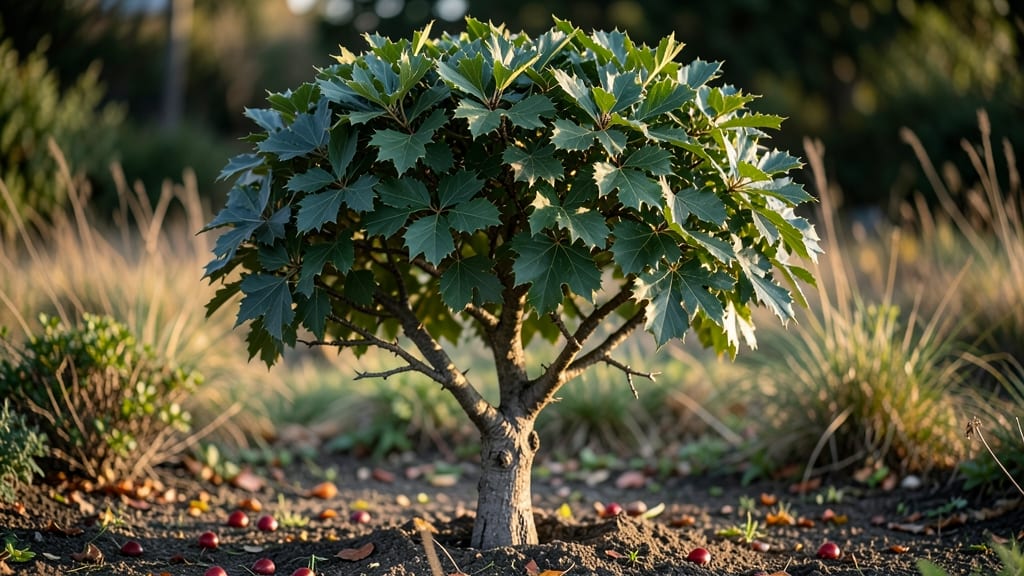
That five-pointed leaf tree in your neighbor’s yard isn’t just pretty—it’s a year-round workhorse that thrives in heat, handles cold snaps, and puts on a show in every season. 🌿 I’ve grown boxelder, hackberry, and even ginkgo (yes, that’s a five-pointer) for years, and the secret to their longevity isn’t just planting—it’s seasonal pruning that keeps them healthy, shaped, and full of life.
You don’t need fancy tools or a green thumb to make this work. A sharp pair of pruners, a ladder for taller branches, and a clear day are all you’ll need.
These trees adapt to most soils—even rocky or clay-heavy ground—but they do crave full sun to partial shade and regular watering until established. Once they’re settled, they’re basically drought-proof.
With the right cuts at the right time—spring for shape, summer for growth control, fall for cleanup, and winter for safety—you’ll end up with a tree that stays compact, vibrant, and pest-resistant for decades.
The leaves turn golden in autumn, the bark develops character with age, and the structure becomes a natural focal point in your landscape.
Whether you’re dealing with a young sapling or an established specimen, the same four pruning principles apply. Let’s get your tree looking its best—no matter the season.
📚 In This Guide
- What you need
- Instructions
- Tips and common mistakes
- Wrapping up and next steps
What you need
- ● Young tree sapling: 1–3 ft tall (choose a healthy, disease-free specimen from a nursery). Pro tip: 🌱 Opt for bare-root or potted trees in early spring for best results.
- ● Well-draining soil: Mix of 60% topsoil, 30% compost, and 10% perlite/sand (for sandy or clay-heavy soils).
- ● Organic mulch: 2–3 inches of wood chips or shredded bark (keep it 3–6 inches away from the trunk to prevent rot).
- ● Slow-release fertilizer: 10-10-10 or balanced organic option (apply once in early spring).
- ● Watering can or hose: With a gentle spray nozzle (avoid high pressure that can damage roots).
- ● Bypass pruners: Sharp, 7–10 inch pair for small branches (clean blades prevent disease).
- ● Loppers: 16–24 inch for medium branches (bypass or anvil type, but bypass is gentler).
- ● Pruning saw: 8–10 inch curved blade for thick branches (>1 inch diameter).
- ● Gloves: Heavy-duty, cut-resistant (e.g., mechanix or wolfskin brands).
- ● Safety glasses: ANSI-rated for debris protection.
- ● Disinfectant: 70% isopropyl alcohol or 10% bleach solution (to sterilize tools between cuts).
- ● Tree support: Stake (if planting in windy areas) + soft tree tie (avoid wire!).
- ● Drip irrigation kit: For consistent moisture (especially in hot climates).
- ● Soil tester kit: To check pH (ideal range: 6.0–7.5 for most five-pointed leaf trees).
- ● Seasonal pruning log: Notebook or app (e.g., iNaturalist) to track growth and cuts.
How to cultivate a five-pointed leaf tree for seasonal elegance
Here’s how to nurture a five-pointed leaf tree—where pruning becomes an art and each season reveals new beauty.
🌱 Step 1: Select the Right Location and Soil
Five-pointed leaf trees thrive in well-draining soil with a slightly acidic to neutral pH (6.1–7.5). I always dig a hole twice as wide as the root ball but only as deep—planting too deep suffocates the roots. Amend heavy clay soil with 3 inches of compost to improve aeration.
Choose a spot with full sun to partial shade (6+ hours of light daily). Young trees tolerate morning sun and afternoon shade, but mature specimens need direct sunlight for vibrant foliage. If your yard has afternoon shade, position the tree where it gets at least 4 hours of morning sun—this prevents leaf scorch later.
☀️ Step 2: Spring Pruning for Structure and Airflow
This is the moment that matters: late winter or early spring, before new growth begins. Remove dead, crossing, or diseased branches first—cut back to the collateral bud (the side bud facing outward) to encourage healthy growth. Use clean, sharp pruners to avoid tearing bark.
Thin the canopy by 20–30% to improve airflow, which prevents fungal diseases like powdery mildew. Look for branches growing inward—these create weak spots and block light from lower leaves. I always step back after pruning to check if sunlight reaches the center of the tree.
🌿 Step 3: Summer Maintenance for Health and Shape
During the growing season, lightly trim to maintain shape—never remove more than 10% of the foliage at once. Pinch back new growth by ¼ inch to encourage bushier growth. If you notice yellowing leaves, it’s often a sign of overwatering or poor drainage—adjust your watering schedule to deep soak once a week unless rainfall is heavy.
Watch for suckers (shoots growing from the base) and remove them immediately—they drain energy from the main tree. I also deadhead spent flowers in summer to redirect the tree’s energy into stronger branches and roots for fall.
✂️ Step 4: Fall Cleanup for Winter Resilience
As temperatures drop below 50°F, reduce watering but keep the soil slightly moist—drought stress weakens trees before winter. Prune again to remove weak or diseased branches, but avoid heavy cuts that stimulate late-season growth. This is also the time to mulch with 2–3 inches of organic matter (like shredded bark) to insulate roots.
Real talk: don’t prune in fall if your climate has hard freezes—new cuts won’t heal before winter. Instead, focus on cleaning up fallen leaves (they harbor pests) and protecting the trunk with a wrap if rabbits or deer are a threat.
⏰ Step 5: Winter Inspection and Early Prep
Even dormant trees need attention. In late winter, inspect for winter burn (brown leaf edges) or pest damage like borers. Prune out any dead wood, but hold off on major shaping until spring. If your tree is young, stake it lightly if wind is a concern—use soft ties to avoid girdling the trunk.
Here’s the thing—five-pointed leaf trees reward patience. By following these seasonal keys, you’ll see stronger branches, denser foliage, and year-round interest. Start with spring, and the rest falls into place.
Tips & tricks for perfect five-pointed leaf tree cultivation
Mastering the seasonal rhythm of a five-pointed leaf tree transforms it from a simple plant into a year-round masterpiece.
Soil Preparation Secret: Before planting, test your soil's pH using a simple kit—five-pointed leaf trees are particularly sensitive to alkaline soil (above 7.5). If needed, mix in sulfur or peat moss to adjust the pH gradually over time. I've seen trees struggle in heavy clay because of poor drainage, so if your soil feels compacted, create raised beds or mound soil around the root ball to improve aeration. The goal is to mimic the tree's natural forest floor environment where roots can breathe.
Pruning Precision: When thinning the canopy in Step 2, focus on removing branches that are growing at sharp angles (greater than 45 degrees) to the trunk—these are more likely to break during storms. Always cut just outside the branch collar (the swollen area where the branch meets the trunk) rather than leaving stubs. This technique prevents decay and encourages faster healing. I mark my cuts with a piece of chalk before making them to ensure clean, precise angles that won't tear the bark.
Seasonal Watering Strategy: The deep soak once-a-week guideline in summer works best when you water slowly over 20-30 minutes to allow moisture to penetrate 6-8 inches deep. In fall, when temperatures drop below 50°F, I switch to watering only when the top 2 inches of soil feel dry to the touch—this prevents winter root rot. A moisture meter is worth the investment for these trees, as overwatering is their #1 killer.
Winter Protection Hack: For young trees in areas with hard freezes, wrap the trunk with tree wrap or even old bubble wrap to prevent sunscald (a common issue when winter sun hits frozen bark). I also mound extra mulch (3-4 inches) around the base after the ground freezes to create an insulating barrier. This simple step has saved several of my trees from winter damage that would have otherwise been fatal.
Pro Tips for Five Pointed Leaf Tree
- Mastering the seasonal rhythm of a five-pointed leaf tree transforms it from a simple plant into a year-round masterpiece.
- Soil Preparation Secret: Before planting, test your soil's pH using a simple kit—five-pointed leaf trees are particularly sensitive to alkaline soil (above 7.5).
- Pruning Precision: When thinning the canopy in Step 2, focus on removing branches that are growing at sharp angles (greater than 45 degrees) to the trunk—these are more likely to break during storms.
Frequently asked questions
Got questions about growing and maintaining a stunning five-pointed leaf tree? You’re not alone! Here are some of the most common queries—plus quick, practical answers to keep your tree thriving year-round.
What’s the best time of year to prune a five-pointed leaf tree?
Prune your tree during its dormant season (late winter or early spring) for best results. This minimizes stress and encourages healthy growth. Avoid heavy pruning in fall, as new growth may not harden off before winter. Pro tip: Light shaping can be done in summer, but stick to dormant season for major cuts!
Why are the leaves on my five-pointed leaf tree turning yellow or brown?
Yellowing leaves often signal overwatering or nutrient deficiencies, while brown edges can mean underwatering or sunburn. Check soil moisture (it should be slightly dry at the top inch) and adjust watering. Yellow leaves? Test soil pH and fertilize lightly with a balanced formula. Brown edges? Move the tree to partial shade if it’s in harsh sunlight.
Can I prune a five-pointed leaf tree in winter?
Yes, but with caution! Prune only during mild winter days (above freezing) to avoid shocking the tree. Avoid heavy cuts—focus on removing dead or damaged branches. If you must prune in freezing temps, wait until late winter when the tree is still dormant but the risk of frost damage is lower.
What’s the fastest way to encourage a bushier five-pointed leaf tree?
Prune just above a leaf node (where leaves grow) to stimulate new branches. Avoid cutting back to bare wood—this can lead to sparse regrowth. Bonus tip: Feed with a slow-release fertilizer in early spring to support vigorous growth. Patience is key; bushiness takes 1–2 years of consistent pruning!
Are there alternatives to five-pointed leaf trees with similar pruning needs?
If you love the look but want variety, consider Japanese maples (for delicate foliage) or ornamental cherries (for spring blooms). Both respond well to seasonal pruning and offer year-round interest. For a hardier option, serviceberry trees have similar care needs but thrive in tougher climates.
Wrapping up and next steps
Growing a stunning five-pointed leaf tree is all about patience, precision, and seasonal care—especially when it comes to pruning! By mastering the four key seasonal techniques (spring shaping, summer thinning, fall cleanup, and winter maintenance), you’ll ensure year-round beauty and a healthier tree.
Whether you’re a gardening newbie or a seasoned pro, these steps make the process simple and rewarding.
Ready to transform your yard? Grab your tools, pick a sunny day, and start pruning with confidence! 🌿✂️ Next up: Check out our pruning timeline for month-by-month reminders to keep your tree thriving all year.