
Pruning
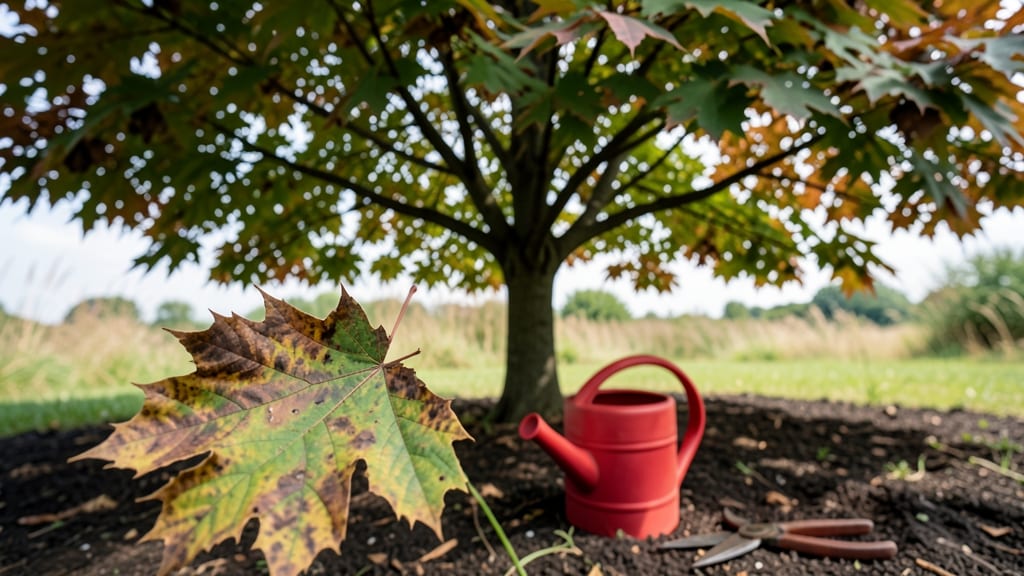
Seeing the leaf scorch on your maple tree’s edges isn’t just a summer nuisance—it’s a cry for help, and the good news is you can often reverse it before the damage spreads. 🌿 I’ve seen this happen after sudden temperature swings, and... canopy suffers permanent damage.
The key lies in understanding whether the scorch comes from environmental stress, fungal issues, or poor watering habits.
Most cases start with watering gone wrong—either too little during heatwaves or too much after cold snaps. Pruning back the worst-affected leaves (about 25% of the canopy) improves airflow, while adjusting your watering to deep, infrequent soaks can make a dramatic difference within weeks.
For fungal concerns, a copper-based spray applied in early morning prevents the spread.
By the time you finish these three steps—pruning, watering adjustments, and targeted treatments—you’ll see fresh green growth pushing through by midsummer. The tree’s roots will thank you, and next year’s foliage will arrive stronger, with fewer crispy reminders of last season’s stress.
Prevention is where the real magic happens: mulch properly, avoid overhead watering, and check the tree’s health every two weeks during extreme weather. These small habits turn a rescue mission into long-term protection for your maple’s stunning fall colors.
📚 In This Guide
- What you need
- Instructions
- Tips and common mistakes
- Wrapping up and next steps
What you need
- ● Pruning shears: Bypass pruners (sharp, clean, and sterilized with rubbing alcohol to prevent disease spread). Specs: 6-8" blades, ergonomic grip.
- ● Loppers: For thicker branches (½"–2" diameter). Specs: Bypass blades, 18-24" reach.
- ● Hand saw: For branches 2"–4" thick. Specs: Curved or folding pruning saw with fine teeth.
- ● Ladder: Extendable aluminum ladder (rated for 300+ lbs) or sturdy step stool for smaller trees.
- ● Gloves: Heavy-duty leather or nitrile-coated gloves (protects from thorns and sap).
- ● Disinfectant: 70% isopropyl alcohol or bleach solution (1 part bleach to 9 parts water) for tool sterilization.
- ● Trash bags: Heavy-duty contractor bags (10–15 gallon size) for debris removal.
- ● Watering can or hose: With a gentle spray nozzle for post-pruning hydration.
- ○ Pruning sealant: Optional but helpful for large cuts (>½" diameter). Specs: Latex-based or tree wound pruning paste.
- ● Tree wound dressing: For aesthetic appeal (not scientifically necessary but reduces sap bleed).
- ● Safety goggles: Protects eyes from debris and sap splatter.
- ● Work gloves with grip: For better control on slippery branches.
- ● Extension pole saw: For high branches (if ladder access is limited).
- ● Camera or phone: To document the tree’s condition before/after pruning.
How to revive maple trees suffering from leaf scorch
Here's the straightforward approach I've used to nurse cold-damaged maples back to health—no guesswork, just actionable care.
💧 Step 1: Deep Water the Root Zone at the Right Time
Maple trees stressed by cold often need a hydration boost before they can recover. Water the tree deeply—not just a surface sprinkle—using 2-3 gallons of water per inch of trunk diameter. For a mature maple with a 12-inch trunk, that’s 24-36 gallons total. I like to water in the early morning to reduce evaporation and fungal risks.
Check soil moisture 12 inches deep with a trowel or moisture meter. If the soil feels dry, keep watering until it’s damp but not soggy. Overwatering now can suffocate roots already struggling from cold stress. You’ll know it’s right when water runs out the drainage holes (if your tree is in a container) or when the soil remains evenly moist for 24 hours after watering.
☀️ Step 2: Provide Strategic Shade and Wind Protection
Leaf scorch from cold often means your tree is battling too much direct sun or harsh winds while recovering. Set up shade cloth (30-50% coverage) over the canopy for 2-4 weeks, depending on how severe the damage looks. I use hoops and lightweight fabric to create a temporary shelter without smothering the tree.
Position the shade cloth to block the hottest afternoon sun (1 PM to 4 PM). If your tree is in an exposed area, add burlap windbreaks on the north and west sides—these directions often get the coldest, driest winds. You’ll see improvement within a week as new leaves emerge with less browning at the edges.
✂️ Step 3: Prune Damaged Foliage and Stimulate New Growth
Don’t prune too early—wait until new growth appears (usually late spring to early summer). Then, remove only the most severely scorched leaves with clean, sharp pruners. Cut back to the nearest healthy bud or branch. I avoid heavy pruning because maples bleed sap when cut, which can stress them further.
After pruning, apply a balanced fertilizer (10-10-10) around the drip line (the edge of the tree’s canopy) to encourage recovery. Water it in immediately. You’ll notice fresh green leaves within 4-6 weeks if the tree’s root system is still healthy. If the tree fails to produce new growth, it may need deeper soil or root zone evaluation.
Tips & tricks for reviving maple trees with leaf scorch
Real talk: Cold-damaged maples can bounce back with the right care—here's how to give them the best shot at recovery.
Hydration Timing: The 24-hour moisture check after watering is your best friend. Use a moisture meter to verify—if soil stays damp that long, you've hit the sweet spot. For container-grown maples, let water drain completely before rewatering to prevent root suffocation. I've seen trees recover faster when we nail this step, especially in clay-heavy soils where drainage is poor.
Shade Cloth Placement: When setting up that 30-50% coverage shade cloth, focus on the south and west sides of the canopy first—these areas get the most intense afternoon sun that can worsen scorch. Use lightweight fabric that allows some airflow; heavy materials can trap heat and create more stress. You'll notice new leaves emerging with vibrant green edges within that first week.
Pruning Precision: Wait for those first fresh green leaves to appear before pruning—usually late spring to early summer. When you do prune, cut at a 45-degree angle just above a healthy bud to encourage proper regrowth. I've made the mistake of pruning too early, and it just stressed the tree further when it was already struggling.
Fertilizer Application: That 10-10-10 fertilizer should be spread in a 3-inch wide band around the drip line, not piled against the trunk. Water it in immediately to help nutrients reach the roots. For severely damaged trees, consider a slow-release fertilizer to avoid overloading the system during recovery.
Pro Tips for Maple Tree Leaf Scorch
- Real talk: Cold-damaged maples can bounce back with the right care—here's how to give them the best shot at recovery.
- Hydration Timing: The 24-hour moisture check after watering is your best friend.
- Shade Cloth Placement: When setting up that 30-50% coverage shade cloth, focus on the south and west sides of the canopy first—these areas get the most intense afternoon sun that can worsen scorch.
Frequently asked questions
Got questions about maple tree leaf scorch? You’re not alone!
Here are answers to the most common concerns—from quick fixes to long-term prevention—so you can revive your tree’s health without stress.
What causes leaf scorch on maple trees in the first place?
Leaf scorch in maples is usually triggered by environmental stress, especially rapid temperature swings (hot days followed by cold nights), drought, or poor soil moisture retention. Fungal infections or pests can also mimic scorch symptoms, but cold stress is the #1 culprit in temperate climates. Think of it like your tree getting sunburned—too much heat without enough water!
Can I save my maple tree if the leaves are already scorched?
Yes! While scorched leaves won’t recover, your tree can bounce back with proactive care. Focus on deep watering (1–2 inches per week), mulching (2–4 inches of organic mulch), and avoiding pruning stressed branches until spring. If the damage is severe, consult an arborist to rule out disease or pests. Patience is key—healthy roots and buds will sprout new growth!
How often should I water a maple tree to prevent scorch?
Maples need consistent moisture, especially during dry spells. Water deeply 1–2 times per week (adjust for rain), aiming for 6–8 inches of soil moisture per week. Use a soaker hose or drip irrigation to avoid wetting leaves (which can spread disease). Early morning watering is best—it gives roots time to absorb moisture before evaporation kicks in.
Are there any natural remedies to help my scorched maple tree recover?
While no "miracle cure" exists, these low-cost, eco-friendly fixes can help:
- Mulch: Spread wood chips or straw around the base (keep it 6 inches from the trunk) to retain moisture and regulate soil temp.
- Fungicide spray: If fungal leaf spot is suspected, use a copper-based fungicide (like Bonide Copper Fungicide) every 2–3 weeks.
- Compost tea: Brew a balanced compost tea to boost soil microbes and nutrient uptake.
Should I prune scorched branches now, or wait until spring?
Wait until late winter or early spring
to prune! Pruning stressed branches now can increase water loss and invite pests. If you must remove dead/diseased limbs, do so after leaf drop (fall) or before buds swell (spring). Use sterilized tools and seal cuts with pruning sealant to prevent infection. Pro tip: Never top maples—it weakens the tree and invites scorch!
Wrapping up and next steps
Leaf scorch on your maple tree doesn’t have to be a permanent problem—with the right care, you can revive its canopy and restore its health. 🌿 By following the steps outlined above, you’ll address cold stress, improve hydration, and protect your tree from future damage.
Start with a thorough inspection, then take action with targeted pruning and proper watering techniques.
Now that you’re armed with knowledge, roll up your sleeves and give your maple tree the TLC it deserves. Keep an eye on its progress, and don’t hesitate to reach out to a local arborist if symptoms persist.
Your tree will thank you with vibrant, scorch-free leaves for seasons to come!