
Pruning
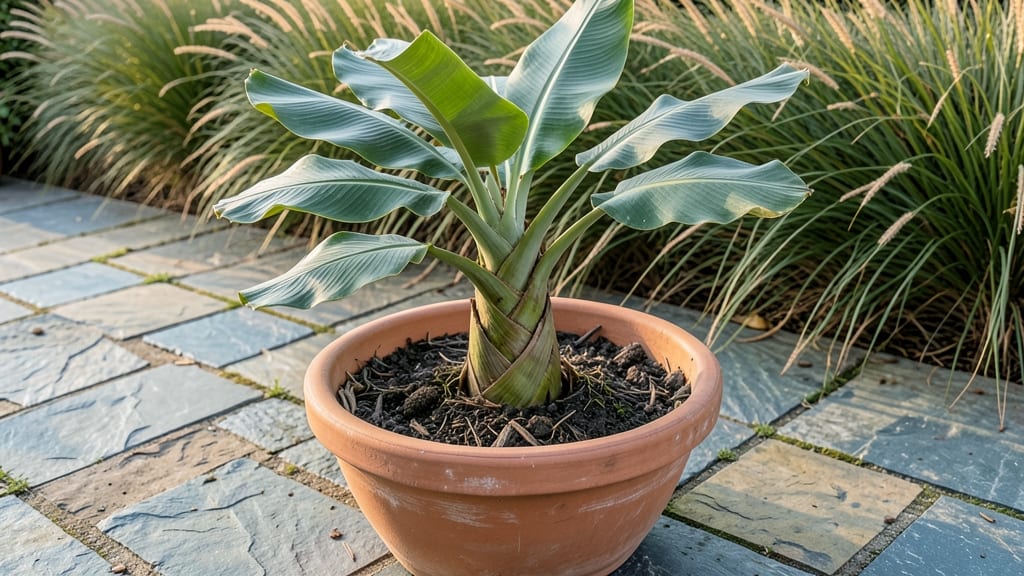
Pruning your false banana tree (Musa basjoo) isn’t just about shaping—it’s the secret to year-round fruit loads and a bushier plant. I learned this the hard way after my first winter prune left my tree looking like a sad, skinny stalk.
The key is timing and technique, and once you master the three essential cuts, you’ll see dramatic results within months. This isn’t some complicated horticultural puzzle—just three strategic snips that encourage new growth, more flowers, and thicker foliage.
The beauty of false banana trees is their forgiving nature—even if you’ve neglected pruning before, they bounce back fast. You’ll need sharp pruners (or loppers for thicker stems), a clean workspace, and about 20 minutes to work through the cuts.
Start by removing any dead or damaged leaves—these are easy to spot, often brown or crispy at the edges. Then focus on the three key cuts: trimming back old flower stalks, shaping the canopy, and encouraging new shoots from the base.
The goal is to redirect energy into fresh growth, not wasted maintenance.
What you’ll end up with is a thriving, fruit-producing powerhouse that looks lush year-round. The new growth will be vibrant green, the stems will thicken, and you’ll see those iconic orange flower spikes appearing more frequently—sometimes even in winter if you’re in a mild climate.
False banana trees are tough, but they respond beautifully to care, and these cuts are the difference between a struggling plant and one that’s the star of your garden. Ready to transform yours?
This method works for both container-grown trees and those planted in the ground, making it versatile for patios, tropical landscapes, or even large indoor spaces with bright light.
Just remember: false banana trees are cold-hardy down to USDA Zone 7, so if you’re in a colder area, overwintering indoors with a little extra care keeps them happy. Let’s get those pruners out and turn your tree into a fruit factory!
📚 In This Guide
- What you need
- Instructions
- Tips and common mistakes
- Wrapping up and next steps
What you need
- ● Pruning shears: Bypass pruners (sharp, 6–8 inches) for clean cuts on smaller stems.
- ● Loppers: Heavy-duty (18–24 inches) for thicker branches (1–2 inches in diameter).
- ● Pruning saw: Curved-tooth saw for branches thicker than 2 inches.
- ● Disinfectant: 70% isopropyl alcohol or 10% bleach solution (1 part bleach to 9 parts water) to sterilize tools between cuts.
- ● Gloves: Heavy-duty gardening gloves (cut-resistant for safety).
- ● Rubbing alcohol or hydrogen peroxide: (3%) to clean wounds on the tree post-pruning.
- ○ Compost or mulch: For disposing of pruned material (optional but eco-friendly!).
- ● Pruning sealant: (e.g., tree wound dressing) for large cuts—use sparingly (studies show it’s often unnecessary).
- ● Measuring tape: To track branch thickness or height for precision cuts.
- ● Ladder or step stool: For tall trees (ensure stability!).
- ● Notebook & pen: To sketch your tree’s structure before pruning.
- ● Safety goggles: If dealing with thorny or large branches.
How to prune a false banana tree for continuous fruit production
Here's the straightforward approach I've used to keep my false banana thriving year-round.
Identify and Remove Suckers in Early Spring
False banana trees (Musa basjoo) produce shoots called suckers at the base. These compete with your main plant for nutrients and energy. In late February or early March, look for the largest, healthiest sucker—this will become your new main stem. Use clean, sharp pruning shears to cut the remaining suckers at the base, leaving a smooth cut about ½ inch above the soil line.
Here's the thing—don't remove all suckers at once if you want multiple stems. I usually keep 2-3 strong suckers to create a bushier plant. Just trim the weaker ones first. You'll notice new growth emerging from the remaining suckers within 2-3 weeks—that's your sign everything's working.
Prune Old and Damaged Leaves During Summer
As summer progresses, older leaves yellow and die back. These don't just look unsightly—they drain energy from your plant. Wait until a leaf is completely brown and crispy before removing it. Cut the stem 1-2 inches above the next healthy leaf node using sterilized shears. This prevents disease from entering through open wounds.
I also check for any leaves with black spots or holes—these are signs of pest damage or fungal issues. Remove those immediately and dispose of them in the trash, not your compost. Your plant will reward you with new, vibrant leaves within 3-4 weeks of this cleanup.
Cut Back Flower Stems After Fruiting in Fall
False banana trees produce dramatic, showy flower spikes that eventually turn into edible (though bland) fruit. Once the fruit is fully ripe and you've harvested what you want, cut the entire flower stem back at its base. Use sharp pruners to make a clean cut—no jagged edges. This redirects the plant's energy toward next year's growth instead of seed production.
Don't skip this step. I've seen plants that keep their old flower stalks all winter—it weakens them significantly. After pruning, give your tree a light fertilizer application to replenish nutrients. You'll see fresh shoots emerging from the center in late winter, signaling it's ready for another growing season.
Bonus: Year-Round Maintenance Tips
False banana trees are forgiving, but consistency matters. Every 4-6 weeks, do a quick inspection for yellowing leaves, pests, or new suckers. Remove anything that looks off immediately. In winter, if your plant goes dormant, reduce watering but keep the soil slightly moist—never let it dry out completely.
Real talk: Overwatering is the #1 killer of false banana trees. Stick your finger 2 inches into the soil before watering. If it feels dry, water deeply. If it's still damp, wait another day. Your plant will thank you with stronger stems and bigger leaves next season.
Tips & tricks for perfect false banana tree pruning
These simple strategies will help you maintain a thriving false banana tree with minimal effort.
Timing is Everything: False banana trees respond best to pruning when they're actively growing. In Step 1, I always aim for late February or early March when new suckers begin to emerge—this aligns perfectly with the tree's natural growth cycle. If you miss this window, don't worry; you can still prune in early spring, but you might sacrifice some of the vigorous new growth you'd see with perfect timing.
Tool Selection Matters: Using clean, sharp pruning shears is non-negotiable for Step 1 and Step 2. Dull tools crush stems and create larger wounds that take longer to heal. I sterilize my shears with rubbing alcohol between cuts to prevent spreading disease, especially when dealing with damaged leaves in Step 2. This simple precaution can save your tree from fungal infections that could take months to recover from.
Visual Cues for Healthy Growth: When pruning suckers in Step 1, look for the healthiest one—the one with the most vibrant green color and firm texture. The remaining suckers you keep should also show signs of strong growth, like slightly thicker stems and upright posture. After pruning, you'll notice new growth emerging within 2-3 weeks, but if nothing appears after 4 weeks, your tree might need more sunlight or nutrients.
Pro Tips for False Banana Tree
- These simple strategies will help you maintain a thriving false banana tree with minimal effort.
- Timing is Everything: False banana trees respond best to pruning when they're actively growing.
- Tool Selection Matters: Using clean, sharp pruning shears is non-negotiable for Step 1 and Step 2.
Frequently asked questions
about pruning your false banana tree (Musa basjoo) to boost fruit production year-round.When is the best time to prune my false banana tree?
Prune your false banana tree twice a year: once in early spring (before new growth) and again in late fall (after fruiting). Light trimming for maintenance can happen year-round, but avoid heavy cuts during winter dormancy. This keeps the plant healthy and encourages consistent fruit loads.
How do I know which branches to cut?
Focus on three key cuts:
- Dead or damaged branches – Remove any brown, mushy, or hollow stems immediately.
- Overcrowded stems – Keep 3-5 of the strongest, most upright canes to improve airflow and fruit quality.
- Suckers at the base – Thin out smaller shoots unless you want to propagate new plants.
Use clean, sharp pruners to avoid tearing the bark.
Will pruning reduce my false banana tree’s fruit production?
Not if done correctly! Proper pruning increases fruit yields by redirecting energy to healthier, more productive canes. Heavy pruning in one season may temporarily reduce fruit, but balanced cuts over time lead to longer harvest seasons and larger, tastier bananas.
What if my false banana tree isn’t fruiting after pruning?
Check these common issues:
- Lack of sunlight – False banana trees need 6+ hours of direct sun daily.
- Inconsistent watering – Keep soil evenly moist (but not soggy).
- Young plant age – Trees under 3 years old may not fruit yet.
- Nutrient deficiency – Feed with a balanced fertilizer (like 10-10-10) in spring and summer.
If problems persist, consider hand-pollinating flowers with a small brush.
Can I propagate my false banana tree from cuttings?
Yes! After pruning, you can root suckers (shoots at the base) or stem cuttings (from healthy canes). Dip the cut end in rooting hormone, plant in moist potting mix, and keep in bright, indirect light until roots form (4-8 weeks). This is a great way to expand your garden!
Wrapping up and next steps
The false banana tree may seem low-maintenance, but mastering its pruning secrets unlocks a year-round harvest of sweet, starchy fruit! 🍌 By focusing on those three key cuts—removing old fruit stalks, shaping the canopy, and encouraging new growth—you’ll transform your tree into a productive powerhouse. Don’t wait for summer—start small, stay consistent, and watch your tree thrive!
Ready to level up your pruning game? Grab your tools, pick a sunny day, and give your false banana tree the care it deserves. Your first harvest could be just a few snips away! 🌱✂️