
Pruning
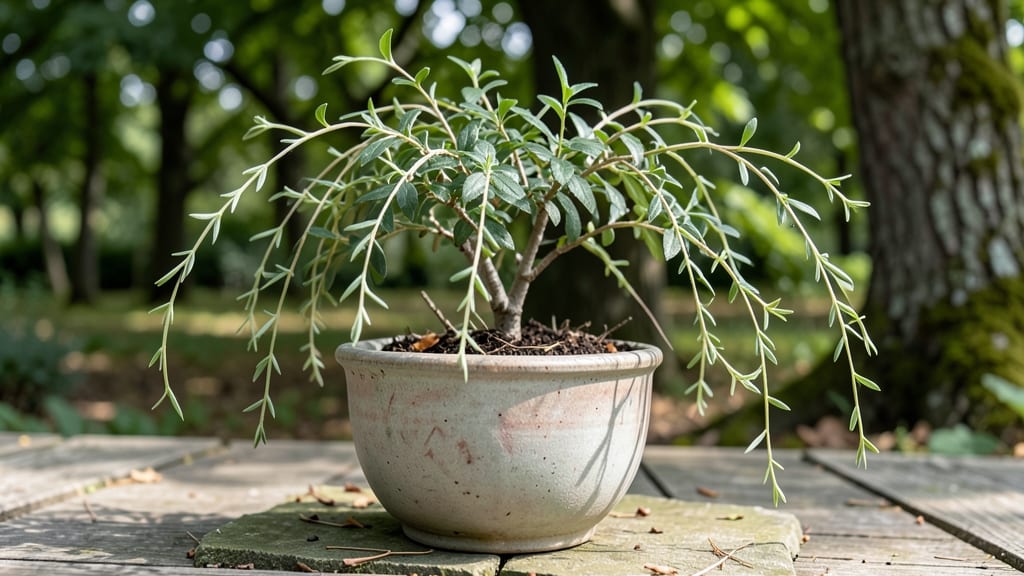
With their dwarf willow tree height of just 6 to 10 feet, these trees bring elegance to small yards without dominating the space. 🌿 I’ve used them to frame garden paths and soften sharp corners—nothing beats their graceful, arching branches without taking over the landscape.
The key to keeping them compact lies in three simple pruning cuts that encourage bushier growth while maintaining their elegant shape.
These trees thrive in containers too, so even balconies or patios can enjoy their delicate foliage. Spacing them 8 to 10 feet apart gives their branches room to sway without crowding, while pairing them with low-growing perennials or ornamental grasses creates a balanced, layered look.
Near ponds or water features, their drooping branches add movement and texture that static plants can’t match.
With the right cuts, you’ll end up with a tree that stays proportional to your space—no more awkwardly tall plants that block views or shade out smaller flowers.
The result? A graceful focal point that feels intentional, not accidental. Ready to shape yours? Here’s how to make those three pruning cuts work for you.
Bonus tip: If you love the look but want something even smaller, dwarf willows also work beautifully in bonsai-style arrangements. Just prune more aggressively and keep them in larger containers to mimic their natural proportions. The possibilities are endless once you understand their growth habits.
📚 In This Guide
- What you need
- Instructions
- Tips and common mistakes
- Wrapping up and next steps
What you need
- ● Pruning shears: Bypass pruners (for small branches, 3-5 inches in diameter)
- ● Loppers: 1 pair (for thicker branches, up to 1.5 inches in diameter)
- ● Hand saw: Pruning saw with a 7-10 inch blade (for stubborn, larger stems)
- ● Disinfectant: 70% isopropyl alcohol or 10% bleach solution (to sterilize tools between cuts)
- ● Garden gloves: Heavy-duty, cut-resistant (to protect hands from thorns and sap)
- ● Measuring tape: 10-20 foot (to track height and mark cut lines)
- ● Sharpie or masking tape: For marking branches before pruning
- ○ Tree wound dressing: (Optional—only use if the tree has deep cuts; skip for dwarf willows, which heal quickly)
- ● Ladder or step stool: 4-6 feet tall (for hard-to-reach branches)
- ● Notebook & pen: To log pruning dates and growth observations
- ● Water spray bottle: Small one to mist tools and cuts (reduces sap splatter)
How to prune a dwarf willow for controlled, graceful growth
Willows grow fast but stay small with the right cuts—here’s how to shape yours.
✂️ Step 1: Time Your First Cut for Spring Awakening
Prune your dwarf willow in early spring, just as new buds swell but before leaves emerge. This is when the tree is most responsive to shaping. Avoid cutting in fall or winter—the wounds won’t heal properly before cold sets in.
Use clean, sharp pruners to make cuts at a 45-degree angle, about ¼ inch above a leaf node (the bump where leaves attach). This encourages new growth from the right spot. If you see dead or crossing branches, remove those first—they’ll only compete for energy.
Here’s the thing—willows bleed sap when cut in late winter or early spring. To minimize mess, prune on a dry, cool morning when the tree’s sap is less active. Wrap larger cuts with pruning sealant if your tree is young or stressed.
✂️ Step 2: Thin Out Crowded Branches for Airflow
Look for branches growing straight up or rubbing against others—these are your targets. Remove thin, weak growth first, as these won’t contribute much to the tree’s structure. Aim to keep the canopy open and airy, which prevents fungal diseases like powdery mildew.
For every branch you remove, step back and visualize the tree’s shape. Dwarf willows naturally grow in a weeping or rounded form, so prune to enhance that. If a branch is too long, cut it back to a side bud facing outward—this directs growth where you want it.
Real talk: Over-thinning can stress the tree. Never remove more than 25% of the foliage in one season. If you’re unsure, err on the side of caution and leave a branch—you can always prune more next year.
✂️ Step 3: Shape the Canopy for Year-Round Grace
After thinning, focus on refining the silhouette. For a weeping willow look, encourage long, graceful branches by cutting back any that grow too upright. For a rounded shape, trim the outer edges to create a soft, dome-like form.
Use your hand as a guide: If a branch is thicker than your wrist, it’s a main structural branch—leave it alone unless it’s diseased. For smaller branches, make cuts just above a leaf node to promote bushier growth. Avoid cutting into old wood (gray or bare stems)—new growth won’t form there.
This is the moment that matters: Step back every few cuts to check your progress. A well-pruned dwarf willow should look balanced and intentional, not hacked. If you’re happy with the shape, give the tree a deep watering to help it recover.
Tips & tricks for pruning your dwarf willow
Here's what nobody tells you about keeping your dwarf willow looking intentional—not hacked.
Timing Secret: If you miss early spring, don't panic! You can still prune in late spring or early summer, but avoid cutting after mid-summer. The tree needs at least 6-8 weeks of growing season left to recover from cuts. I've pruned in early summer and still gotten great results, but the tree responds best when it can put energy into new growth before winter.
Cutting Technique: That 45-degree angle isn't just for looks—it prevents water from pooling in the cut, which can cause rot. Make your cuts just above a leaf node (about ¼ inch up), and you'll see new growth sprout from exactly that spot. Confession: I skipped this detail for years and wondered why some branches never grew back properly. The node location matters!
Visualization Hack: Before making any cuts, stand back and look at your tree from all sides. Imagine the shape you want—weeping, rounded, or something in between. Use a garden hose or string to outline your ideal shape before you start cutting. This prevents over-pruning and helps you see the big picture. I always do this, and it saves me from making irreversible mistakes.
Recovery Strategy: After pruning, give your tree a deep watering to help it recover. The roots need extra moisture to support new growth, especially if you've removed a significant portion of foliage. I've seen trees stressed by pruning bounce back beautifully with just this extra care. For young trees or after heavy pruning, consider a root stimulator fertilizer to give them a boost.
Pro Tips for Dwarf Willow Tree Height
- Here's what nobody tells you about keeping your dwarf willow looking intentional—not hacked.
- Timing Secret: If you miss early spring, don't panic!
- Cutting Technique: That 45-degree angle isn't just for looks—it prevents water from pooling in the cut, which can cause rot.
Frequently asked questions
Got questions about keeping your dwarf willow tree at the perfect height?
Here are some of the most common ones—plus straightforward answers to help you prune like a pro!
How tall does a dwarf willow tree typically grow?
A healthy dwarf willow (Salix integra 'Hakuro-Nishiki') usually reaches 6–10 feet tall and 8–12 feet wide with proper care. However, strategic pruning can keep it as short as 3–5 feet for a compact, ornamental look. Prune in late winter or early spring for best results!
When is the best time to prune a dwarf willow for height control?
The ideal time to prune is late winter or early spring, just before new growth begins. Avoid heavy pruning in fall—this can stimulate tender new growth that won’t survive winter. A light trim in summer (after flowering) can also encourage bushier growth.
How do I prune a dwarf willow to keep it short?
To maintain a compact height, cut back 1/3 of the oldest stems to the ground each year. For finer control, trim new shoots back by half in early spring. Use clean, sharp pruners to avoid damaging the tree. Pro tip: Wear gloves—willow sap can stain!
Can I grow a dwarf willow in a container? How does that affect its height?
Yes! Dwarf willows thrive in 15–20 gallon containers with well-draining soil. Root-bound trees grow slower and stay shorter (often 4–6 feet tall). Repot every 2–3 years and prune regularly to maintain size. Just ensure it gets full sun (6+ hours/day) for best results.
Why is my dwarf willow growing taller than expected?
Overgrowth usually happens from lack of pruning, over-fertilizing, or poor sunlight. If it’s too tall, prune back 1/3 of the height in stages over 2–3 years to avoid shock. Watch out: Willows can "bleed" sap if cut too late in the season—prune early to prevent this!
Are there dwarf willow alternatives with even smaller heights?
If you want under 3 feet tall, consider these compact options:
All love moist, well-drained soil and full sun!
Wrapping up and next steps
Ready to sculpt your dwarf willow tree into a stunning, compact masterpiece? 🌿 With the right pruning techniques—like timing cuts, shaping branches, and maintaining height—you’ll keep it lush and manageable while preserving its natural charm. Start small, stay consistent, and watch your tree thrive with grace and structure.
Your next step? Grab those shears and schedule your first pruning session—spring or early summer is ideal! Happy pruning! 🌱