
Trees
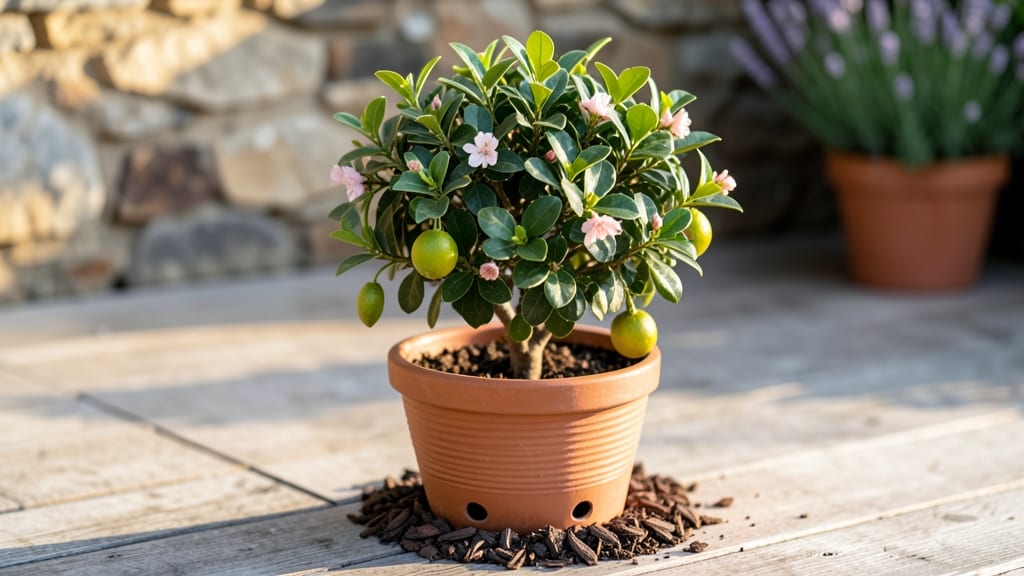
Dwarf patio fruit trees turn small spaces into productive orchards without sacrificing curb appeal. 🌳 After struggling with overgrown fruit trees in my backyard, I discovered these compact varieties—now my patio produces sweet cherries, crisp apples, and fragrant peaches in just a few square feet.
The key is selecting the right dwarf rootstock and matching it to your climate, so you get both beauty and harvest.
These trees thrive in 5-gallon containers or raised beds, making them perfect for balconies, courtyards, or even sunny windowsills. Varieties like 'Columnar Apple' or 'Patio Peach' grow only 6-8 feet tall, while 'Dwarf Meyer Lemon' stays under 4 feet—ideal for urban gardeners.
Proper spacing (3-4 feet between trees) ensures airflow and prevents overcrowding, so you avoid common issues like blight or stunted growth.
By late summer, you’ll enjoy vibrant blooms followed by homegrown fruit—imagine plucking a peach for breakfast or sharing apples with neighbors. The trees also add year-round interest with glossy foliage, winter bark texture, and seasonal color.
With minimal pruning and regular watering, they become the star of any patio design while delivering a foolproof harvest every year.
Whether you’re designing a cozy seating area or maximizing a tiny balcony, these trees integrate seamlessly. Pair them with herbs, flowers, or decorative pots to create a functional yet stylish outdoor space. The best part? You’ll save money and enjoy fresher, tastier fruit than anything from a grocery store.
📚 In This Guide
- What you need
- Instructions
- Tips and common mistakes
- Wrapping up and next steps
What you need
- ● Dwarf fruit tree varieties: Choose from citrus (like Meyer lemon), apple (e.g., ‘Columnar’ or ‘Patio’), peach, plum, or fig—all labeled as dwarf or container-friendly (1–2 trees per container for pollination if needed).
- ○ Large containers: At least 15–20 gallons (18–24" wide/deep) with drainage holes. Optional: Self-watering pots for convenience.
- ● High-quality potting mix: A blend of 60% well-draining soil (e.g., cactus/succulent mix), 30% compost, and 10% perlite/pumice for aeration.
- ○ Slow-release fertilizer: Balanced (10-10-10) or citrus-specific (for acid-loving trees like blueberries). Optional: Organic options like worm castings.
- ● Gloves & trowel: For planting and soil prep.
- ○ Mulch (optional): Wood chips or straw to retain moisture and regulate temperature.
- ● Support stakes (if needed): For windy areas or top-heavy trees (e.g., peaches).
- ● Drip irrigation or spray bottle: For consistent watering, especially in hot climates.
- ● Sunlight: 6–8+ hours of direct sun daily (adjust for shade-tolerant varieties like figs).
- ● Climate suitability: Check your USDA hardiness zone—most dwarf trees thrive in zones 5–10 (citrus needs warmth!).
- ● Pollination plan: If growing self-unfruitful varieties (e.g., certain apples), plant two compatible trees or hand-pollinate with a paintbrush!
How to grow thriving dwarf fruit trees in containers
Here’s how to turn your patio into a productive orchard—no yard required.
🪴 Step 1: Choose the Right Containers and Drainage
Dwarf fruit trees need 5-gallon minimum containers (bigger is better for stability and root growth). I use fabric grow bags for their breathability—roots stay aerated, and excess water drains freely. Ensure each pot has at least four drainage holes (more if using heavy clay). If your container lacks holes, drill them yourself—1/4-inch diameter works perfectly.
Line the bottom with 2 inches of gravel or broken pottery shards to prevent soil from clogging the drainage. This layer also keeps roots from circling tightly at the bottom, which stunts growth. Place pots on casters or wheels for easy seasonal adjustments—you’ll want to move them to follow the sun as it shifts through the year.
🌱 Step 2: Select and Prepare the Soil Mix
Dwarf fruit trees despise compacted or waterlogged soil. Mix equal parts of potting soil, perlite, and compost—this blend drains well while retaining enough moisture for shallow roots. I add a slow-release fertilizer (like 10-10-10) at planting time to give the tree a nutrient boost without burning tender roots.
Fill the container 3/4 full with your mix, leaving room for the root ball. Tap the pot gently to settle the soil, but don’t pack it down—roots need air pockets to expand. If you’re repotting an existing tree, loosen the root ball slightly before placing it in the new container to encourage outward growth.
☀️ Step 3: Plant and Position for Sunlight
Remove the tree from its nursery pot and loosen the roots if they’re circling. Position it so the graft union (the bump near the base) sits 1-2 inches above the soil line—this prevents it from being buried too deep, which can cause rot. Backfill with soil, pressing lightly to eliminate air pockets but not compacting.
Place your container in a spot that gets at least 6-8 hours of direct sunlight daily. South-facing patios or balconies are ideal, but east or west exposures work too—just avoid deep shade. If you’re in a hot climate, provide afternoon shade during peak summer months to prevent leaf scorch. Water deeply after planting to settle the soil around the roots.
💧 Step 4: Water and Maintain Moisture Without Overdoing It
Dwarf fruit trees are drought-tolerant once established, but their small root systems dry out quickly. Water deeply every 2-3 days until the top 2 inches of soil feel dry—stick your finger in to check. Avoid wetting the leaves, as this encourages fungal diseases like powdery mildew. Use a drip irrigation system or watering can with a narrow spout for precision.
Here’s the thing—overwatering is the #1 killer of container fruit trees. Yellowing leaves or mushrooms at the soil surface mean you’re watering too much. Let the soil dry slightly between waterings, especially in cooler months when growth slows. Mulch the surface with 1 inch of wood chips to retain moisture and regulate temperature.
✂️ Step 5: Prune and Train for Shape and Productivity
Prune in late winter or early spring before new growth begins. Remove any dead, crossing, or inward-growing branches first—this opens the canopy to sunlight and air circulation. Then, cut back overly long branches by 1/3 to encourage bushier growth. Use clean, sharp pruners and make cuts just above a leaf bud or outward-facing branch.
Train young trees by tying main branches to small stakes or a simple A-frame trellis to guide their shape. This prevents weak, floppy growth and makes harvesting easier. As the tree matures, thin out suckers (shoots growing below the graft union) immediately—they divert energy from fruit production. You’ll see new blossoms form within a year if you keep the tree healthy and pruned.
Tips & tricks for perfect dwarf patio fruit trees
Transforming your patio into a productive orchard takes more than just planting—it’s about creating the ideal environment for your dwarf trees to thrive. Here’s what I’ve learned after watching my own container-grown fruit trees flourish (and occasionally struggle) over the years.
Container Mobility Matters: The 6-8 hours of daily sunlight requirement is non-negotiable, but don’t forget that sun patterns change with the seasons. I place my pots on casters or wheels so I can easily rotate them to follow the sun’s arc throughout the day. In late afternoon, I move them to avoid the intense western sun that can scorch leaves—especially important during summer months when temperatures peak. This simple adjustment has prevented leaf burn on my lemon trees every time.
Soil Science Secret: That equal parts potting soil, perlite, and compost mix isn’t just arbitrary—it’s about creating the perfect balance. The perlite prevents compaction while the compost provides essential nutrients, but here’s the thing: I always sift my compost through a fine mesh screen first to remove any large chunks. These can create air pockets that dry out too quickly, leaving roots vulnerable. Think of it as giving your tree’s roots a cozy, well-drained blanket rather than a rocky bed.
Root Health Rescue: If you notice roots circling tightly at the bottom of your container (which happens more often than you’d think), it’s time for intervention. Gently tease out the worst offenders with your fingers or a chopstick during repotting. I’ve seen trees go from struggling to thriving after this simple step—it’s like giving their roots room to breathe for the first time. And remember, those 2 inches of gravel at the bottom aren’t just for drainage; they create space for roots to expand downward without hitting a hard barrier.
Watering Wisdom: The finger-in-the-soil test is your best friend, but let me share a pro trick: I water until liquid runs freely from the drainage holes at the bottom. This ensures the entire root ball gets hydrated, not just the top layer. For extra insurance, I let the tree sit in its saucer for 5 minutes after watering to give roots a chance to absorb moisture from below. This method has completely eliminated the yellowing leaves I used to see from inconsistent watering.
Pro Tips for Dwarf Patio Fruit Trees
- Transforming your patio into a productive orchard takes more than just planting—it’s about creating the ideal environ...
- Container Mobility Matters: The 6-8 hours of daily sunlight requirement is non-negotiable, but don’t forget that sun ...
- Soil Science Secret: That equal parts potting soil, perlite, and compost mix isn’t just arbitrary—it’s about creating...
Frequently asked questions
Got questions about growing dwarf patio fruit trees?
Here are answers to the most common queries to help you get started with confidence!
What’s the best time of year to plant dwarf fruit trees in containers?
Plant your dwarf trees in early spring after the last frost (when soil is workable) or in early fall (6-8 weeks before first frost). Avoid extreme heat—young roots need time to establish before summer stress. If buying potted trees, plant them anytime their roots are visible circling the container!
Can I grow multiple dwarf fruit trees in one large container?
Yes! Pair compatible varieties (e.g., apple + crabapple, peach + nectarine) in a 5-gallon+ container with proper spacing (3–4 ft between trees). Avoid heavy feeders like figs with light eaters like blueberries. Use dwarf rootstock and prune regularly to prevent overcrowding. Pro tip: Add a trellis for vining types like dwarf grapes!
Why are my dwarf patio fruit tree leaves turning yellow?
Yellow leaves often signal overwatering (check soil moisture—containers dry faster!) or nutrient deficiency (use balanced fertilizer every 4–6 weeks). Other culprits: pests (aphids, spider mites) or root-bound stress (repot if roots circle the container). Inspect undersides of leaves and adjust care accordingly.
Do dwarf patio fruit trees need full sun, or can they tolerate partial shade?
Most dwarf fruit trees thrive in 6+ hours of direct sun daily (e.g., apples, peaches, citrus). However, partial shade (3–4 hours) works for shade-tolerant varieties like dwarf figs, blueberries, or columnar apples. If growing in shade, expect smaller yields and prioritize container mobility to follow the sun!
Are there any low-maintenance dwarf fruit trees for beginners?
Start with dwarf citrus (like Meyer lemon), columnar apple trees, or patio pear varieties—they’re hardy, disease-resistant, and produce reliably with minimal pruning. Dwarf blueberries are also beginner-friendly if you amend soil with acidic compost. Pro tip: Self-pollinating varieties (like ‘Bonanza’ apple) simplify fruit set!
Wrapping up and next steps
Dwarf patio fruit trees are the perfect way to bring fresh, homegrown flavor to your space without sacrificing square footage! 🌱 Whether you’re a seasoned gardener or a beginner, these compact trees make harvesting fruit fun, rewarding, and totally doable—even on a balcony or tiny yard.
With the right variety, container, and care, you’ll be enjoying sun-ripened berries, peaches, or citrus in no time.
Ready to get growing? Pick your favorite fruit, grab a pot, and start planting today! Your future self (and taste buds) will thank you. 🍑🍓