
Trees
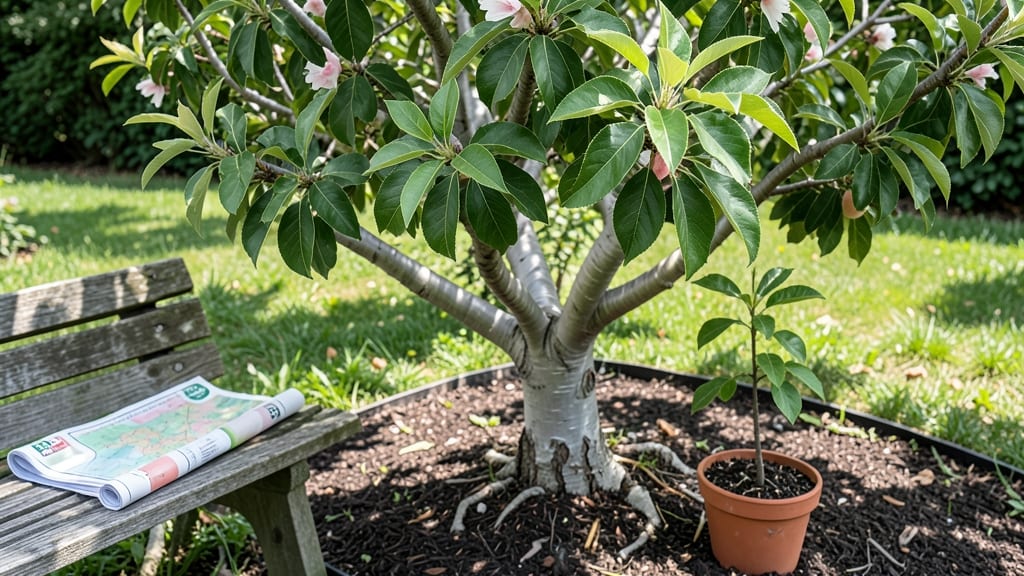
Peach trees thrive in USDA growing zones 5 through 9, but the right variety makes all the difference between a bountiful harvest and a sad, early freeze.
I’ve planted peaches in zone 7 and seen how a single degree can turn a promising tree into a winter casualty—until I learned the chill-hour tricks that extend their range.
The secret isn’t just about the zone number; it’s about matching your tree to your winter’s coldest stretch and summer’s heat spikes.
Most peaches need 200 to 1,000 hours of chill below 45°F to set fruit, which narrows options in warmer zones like 8 or 9. Low-chill varieties like ‘Redhaven’ (300–500 hours) work in the South, while high-chill ‘Elberta’ (800–1,000 hours) needs the deep winters of zone 5.
Microclimates—like a south-facing slope or urban heat islands—can push a tree one zone warmer or colder, so always scout your spot before buying.
You’ll end up with trees that burst into bloom each spring, their fragrant white flowers giving way to juicy fruit by midsummer. The key is planting the right cultivar for your last frost date and protecting young trees with burlap wraps or mulch rings during those first critical winters.
Even in marginal zones, a little extra care turns a gamble into a guaranteed harvest.
For gardeners in zones 4 or 10, container growing or row covers can stretch the range further. The goal isn’t just survival—it’s watching your tree produce fruit year after year without the heartbreak of winter loss. Here’s how to pick the perfect match for your yard.
📚 In This Guide
- What you need
- Instructions
- Tips and common mistakes
- Wrapping up and next steps
What you need
- ● Peach tree sapling: Choose a variety suited to your USDA growing zone (e.g., Elberta, Redhaven, or J.H. Hale for zones 5-9). Buy from a reputable nursery—look for disease-resistant, self-pollinating, or pollinator-compatible options.
- ● Shovel: A heavy-duty digging shovel (24-30 inches long) for planting and amending soil.
- ● Garden gloves: Durable, nitrile-coated gloves to protect your hands from thorns and soil.
- ● Well-draining soil: Test your soil’s pH (ideal: 6.0–7.0) and amend with: Compost (5–10 gallons) for organic matter.
- ● Sand or perlite (2–3 gallons) if soil is clay-heavy.
- ● Lime (if soil is acidic; follow package rates).
- ● Mulch: Wood chips or straw (3–4 inches thick, keep 6 inches away from trunk).
- ● Watering can or hose: With a gentle spray nozzle for post-planting hydration.
- ● Pruning shears: Bypass pruners (sharp, sterilized) for shaping and removing dead branches.
- ● Staking supplies (if needed): 3–4 T-posts or bamboo stakes (5–6 feet tall).
- ● Soft tree ties (3–4 pieces) to secure the tree without damaging the trunk.
- ● Fertilizer: Balanced 10-10-10 or citrus-specific fertilizer (apply in early spring and summer).
- ● Tree guard: Plastic or metal wrap to protect young trunks from pests (e.g., rabbits or voles).
- ● Drip irrigation system: For consistent moisture, especially in zones with hot/dry summers.
- ● Pest control: Neem oil (for aphids or mites).
- ● Row covers (to deter birds during fruiting season).
- ● Soil moisture meter: To monitor water levels (peach trees hate soggy roots!).
How to choose the best growing zones for peach trees
Peaches thrive where winters are cold enough to break dormancy but summers stay warm and dry.
Understand the USDA Hardiness Zone Map
The USDA Plant Hardiness Zone Map divides North America into 13 zones based on average minimum winter temperatures. Peach trees prefer zones 5 through 9, where they experience cold winters to trigger dormancy but avoid extreme cold that can damage bark or kill the tree. Zone 5 (average -20°F to -10°F) is the northern limit, while zone 9 (20°F to 30°F) is the southern limit.
Check your specific location using the USDA Interactive Map. Hover over your area to see the exact zone—this tells you whether your winters are cold enough for peaches. If you're in zone 4 or colder, look for cold-hardy varieties like 'Reliance' or 'Halehaven,' which can tolerate down to -30°F with proper care.
Assess Your Local Climate Beyond the Zone
Zone numbers alone don’t tell the whole story. Peaches need 100 to 300 hours of chill hours (temperatures between 32°F and 45°F) during winter to set fruit properly. If you're in a warmer zone like 8 or 9, check your local chill-hour accumulation—some areas may not provide enough for traditional peach varieties. Low-chill varieties like 'Redhaven' or 'Elberta' work well in zones 6-8.
Also consider your summer heat and humidity. Peaches grow best in areas with hot, dry summers—high humidity (like the Southeast) can lead to fungal diseases. If you're in a humid zone, choose disease-resistant varieties or plant in a location with good airflow to reduce moisture around the tree.
Choose the Right Variety for Your Zone
Not all peach varieties thrive in every zone. In zones 5-6, cold-hardy varieties like 'Halehaven' or 'Reliance' handle winter well and produce reliably. In zones 7-8, classic varieties like 'Elberta' or 'Redhaven' perform best, while zone 9 favors low-chill types like 'Sanguinello' or 'Flordaking.' Always check the variety’s recommended zone range before purchasing.
Dwarf or semi-dwarf trees (like 'Bonanza' or 'Contender') are great for smaller gardens in zones 6-9, as they adapt better to urban heat islands. If you're in a marginal zone (like zone 5a), plant your tree on the southeast side of a building or fence to protect it from harsh winter winds while still getting sunlight.
Prepare Your Site for Zone-Specific Success
Peaches need full sun (6-8 hours daily) and well-draining soil with a pH of 6.0 to 7.0. In cooler zones (5-6), plant on a south-facing slope to maximize warmth and sunlight. In warmer zones (8-9), provide afternoon shade during peak summer to prevent sunburn on fruit.
Amend heavy clay soil with 2-3 inches of compost before planting to improve drainage—peaches hate soggy roots. In zones with high summer rainfall, consider installing a drip irrigation system to keep foliage dry and reduce disease risk. Mulch with 3-4 inches of wood chips to retain moisture and regulate soil temperature.
Protect Young Trees in Marginal Zones
If you're in zone 5 or near the edge of zone 6, young peach trees need extra winter protection. Wrap the trunk with tree wrap or burlap in late fall to prevent sunscald. Apply a 2-3 inch layer of mulch around the base (but not touching the trunk) to insulate roots. In extreme cold snaps, drape a lightweight frost cloth over the tree to shield it from sudden temperature drops.
Prune in late winter (before buds swell) to remove dead or crossing branches. Avoid heavy pruning in fall—it stimulates new growth that won’t harden off before winter. In zones 8-9, prune in early spring to encourage fruit set before the heat of summer arrives.
Tips & tricks for perfect peach tree placement
Here's what I've learned after helping gardeners in all kinds of climates get their peach trees off to the right start.
Chill Hour Reality Check: Those 100 to 300 chill hours between 32°F and 45°F are non-negotiable for fruit production. I've seen gardeners in zone 8 plant traditional varieties and wonder why they never bear fruit—it's because their local chill hours might only be 200, while 'Elberta' needs 300. Always check your local agricultural extension service for precise chill hour data, not just the zone number.
Sunlight Strategy: The 6-8 hours of full sun mentioned is crucial, but placement matters just as much. In cooler zones (5-6), I recommend planting on a south-facing slope to capture extra warmth. In warmer zones (8-9), position your tree where it gets morning sun and afternoon shade—this prevents sunburn on the fruit while still giving the tree enough energy to grow strong roots.
Soil Prep Secret: When amending with 2-3 inches of compost as mentioned, don't just dump it in! Mix it thoroughly with the native soil to create a uniform growing medium. Peaches hate wet feet, so if your soil is naturally heavy clay, consider building a raised bed. I've seen trees planted in amended clay soil still struggle with poor drainage—it's worth the extra effort to get this right from the start.
Winter Protection Hack: For those marginal zones (5a or zone 6 edges), I've found that wrapping the trunk with tree wrap and adding that 2-3 inch mulch layer works wonders—but there's one more trick. Install a small fan on a timer near the tree to prevent frost buildup on the bark. The gentle airflow keeps temperatures consistent and prevents sunscald damage that can kill young trees.
Pro Tips for Growing Zones For Peach Trees
- Here's what I've learned after helping gardeners in all kinds of climates get their peach trees off to the right start.
- Chill Hour Reality Check: Those 100 to 300 chill hours between 32°F and 45°F are non-negotiable for fruit production....
- Sunlight Strategy: The 6-8 hours of full sun mentioned is crucial, but placement matters just as much. In cooler zone...
Frequently asked questions
Got questions about planting peach trees in the right zones? You’re not alone! Here are answers to the most common queries to help you grow juicy, thriving peaches with confidence.
What USDA growing zones are best for peach trees?
Peach trees thrive in USDA Hardiness Zones 5 through 9, with the sweetest success in Zones 6-8. They’re sensitive to frost, so avoid zones with harsh winters (below Zone 5) or extreme heat (above Zone 9). For partial hardiness, some cold-hardy varieties like ‘Reliance’ or ‘Contender’ can survive in Zone 4 with winter protection.
Can I plant a peach tree in early spring or fall?
Both work, but late fall (6-8 weeks before frost) or early spring (after last frost) are ideal. Fall planting gives roots time to establish before winter, while spring planting avoids drought stress. Avoid planting in extreme heat (like summer) or freezing temperatures—roots need stable soil temps (around 60°F) to grow.
What if I live outside the ideal zones? Are there alternatives?
Yes! Try container growing for patios (move pots indoors in winter) or choose dwarf varieties like ‘Bonanza’ or ‘Redhaven.’ For colder climates, opt for cold-hardy hybrids (e.g., ‘Honey Babe’ for Zone 4). In hot zones, plant in partial shade and mulch heavily to retain moisture.
Why aren’t my peach tree leaves turning green, even in the right zone?
Yellow or pale leaves often signal nutrient deficiency (like nitrogen or zinc) or pests (e.g., aphids). Test your soil and amend with compost. Check for peach leaf curl (a fungal disease)—prune infected branches and apply copper fungicide in late fall or early spring. Overwatering or poor drainage can also stunt growth.
How long does it take for a peach tree to bear fruit?
Patience is key! Most peach trees take 3–5 years to bear fruit, depending on variety and care. Dwarf trees may fruit sooner (2–3 years), while standard trees can take up to 6 years. Ensure proper pollination (plant two compatible varieties) and protect young trees from late frosts, which can damage blossoms.
Wrapping up and next steps
Choosing the right growing zones for peach trees sets the stage for a bountiful harvest of sweet, juicy fruit! 🌱 Whether you're in USDA Zones 5-9, remember that proper site selection, soil prep, and variety choice are key to success.
With the right care, your peach tree can thrive and reward you with delicious treats for years.
Ready to plant? Take the next step! Research the best peach varieties for your zone, gather your supplies, and start digging—your future peach harvest awaits! 🍑