
Pruning
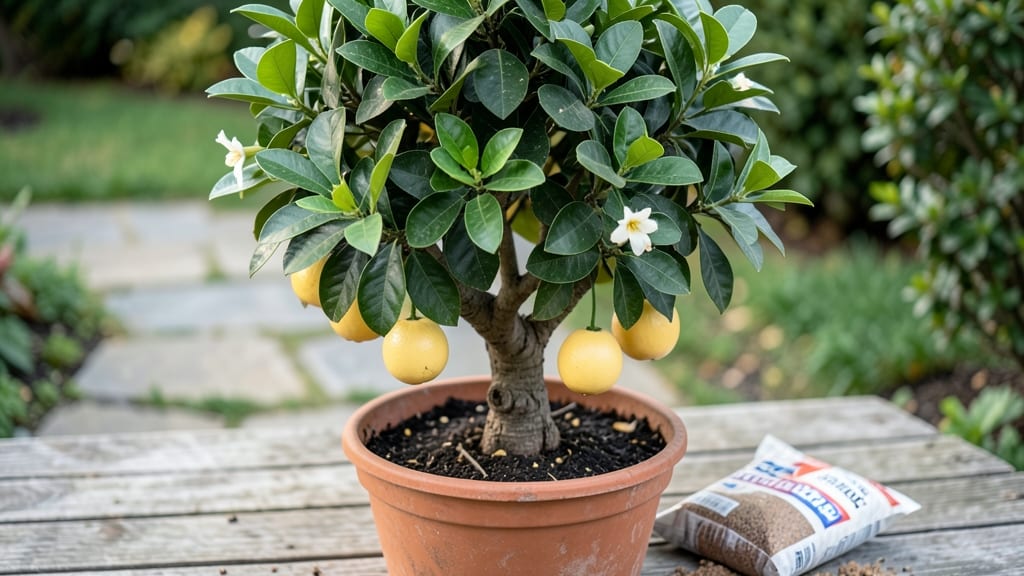
My dwarf grapefruit tree started as a stubborn sapling that refused to grow beyond my kitchen windowsill—until I learned the pruning tricks that turned it into a fruit-bearing powerhouse. 🌱 The key isn’t just cutting back branches; it’s shaping the tree to stay small while maximizing its energy for sweet, juicy fruit.
I’ve pruned mine every February for three years now, and the difference in harvest size is shocking—last season, I had enough grapefruits to share with neighbors.
Most people overlook how dwarf varieties need different pruning than full-size trees. You’re not just trimming for shape—you’re encouraging the tree to focus its growth on fruit production rather than vertical expansion.
Start by removing any dead or crossing branches first, then cut back last year’s growth by about a third to keep the tree compact. The goal is to maintain an open center so sunlight reaches all sides, which is critical for fruit development.
My tree now fits perfectly on my patio, and the fruit is larger than I expected from such a small plant.
By mid-summer, you’ll see the payoff: glossy new leaves and tiny grapefruit buds forming. The pruning also makes harvesting easier—no more climbing ladders or wrestling with heavy branches. Just be patient; dwarf grapefruit trees take 3-5 years to reach full fruiting potential, but once they do, they produce consistently.
The secret is consistent pruning, and I’ll walk you through exactly how to do it without stressing the tree.
This method works for both container-grown and in-ground dwarf grapefruit trees, though container trees need slightly more frequent pruning to control root growth. If you’ve ever struggled with a grapefruit tree that either grew too large or produced sparse fruit, these pruning secrets will change everything.
Let’s get those branches in shape for a bountiful harvest!
📚 In This Guide
- What you need
- Instructions
- Tips and common mistakes
- Wrapping up and next steps
What you need
- ● Pruning shears: Sharp, bypass-style shears (2–3 pairs, 6–8" blade length) for clean cuts.
- ● Loppers: For thicker branches (1 pair, 10–12" blade length).
- ● Disinfectant: 70% isopropyl alcohol or diluted bleach (1 part bleach to 9 parts water) to sterilize tools.
- ● Gloves: Heavy-duty, cut-resistant gloves (1 pair) to protect hands from thorns.
- ○ Pruning sealant: Optional but helpful for large cuts (e.g., Tanglefoot Tree Wound Pruning Seal).
- ● Bucket or bag: For collecting clippings (5-gallon size).
- ● Ladder (if needed): Sturdy step ladder (4–6 ft) for taller trees.
- ● Hose with nozzle: For rinsing tools and cleaning sap off cuts.
- ● Sharpener: Small file or sharpening stone for maintaining shears.
- ● Notebook & pen: To track pruning dates and notes on tree health.
- ● Compost bin: For repurposing healthy clippings.
- ● Choose a dry, sunny day (avoid pruning when the tree is wet or frost is forecasted).
- ● Ensure your tree is at least 1–2 years old (younger trees need minimal pruning).
- ● Have a clear goal—whether it’s shaping, improving airflow, or encouraging fruit production.
Step-by-step guide to pruning your dwarf grapefruit tree
Here's the method I've used for years to keep my dwarf grapefruit tree lush, compact, and bursting with fruit.
✂️ Step 1: Time Your Pruning for Maximum Growth
Prune your dwarf grapefruit tree in late winter or early spring, just as new growth begins. This is when the tree is still dormant but about to wake up—perfect timing for shaping without stressing the plant. Avoid pruning in summer heat or during flowering/fruiting phases, as you'll sacrifice next year's harvest.
Look for dormant branches that are brown and leafless—they're the first to go. Use clean, sharp pruning shears to make cuts at a 45-degree angle, about ¼ inch above a leaf node where new growth can emerge. This angle helps water run off instead of pooling and rotting the cut.
✂️ Step 2: Remove Dead, Diseased, or Crossing Branches
Start by eliminating any dead, broken, or diseased branches—these are easy to spot because they're brown, brittle, or oozing sap. Cut these back to the main trunk or a healthy lateral branch. Next, remove branches that cross or rub against each other; this prevents wounds that invite pests and disease.
I also thin out overcrowded branches inside the canopy to improve airflow. Aim for an open, vase-like shape that lets sunlight reach the center. You'll see the tree's natural structure emerge as you work—trust your eye for balance. If a branch is too thick to cut by hand, use a pruning saw for clean cuts.
✂️ Step 3: Shape for Compact Growth and Fruit Production
To keep your dwarf grapefruit tree compact, focus on selective pruning rather than heavy cutting. Remove suckers (shoots growing from the base or trunk) immediately—they drain energy from fruit production. Also, trim back overly long branches by about one-third to encourage bushier growth.
Leave 3-5 main scaffold branches evenly spaced around the trunk. These will form the tree's framework. For fruit production, avoid cutting back branches that already bear fruit—unless they're diseased or crossing. Instead, prune just enough to open the canopy and improve air circulation, which reduces fungal issues like citrus blight.
💧 Step 4: Post-Pruning Care for Recovery
After pruning, give your tree a deep watering to help it recover. The roots will need extra moisture as the tree focuses energy on new growth. Apply a balanced citrus fertilizer (like 6-6-6) around the drip line to support regrowth. Avoid heavy nitrogen fertilizers—they promote leafy growth at the expense of fruit.
Monitor the tree closely for the next 2-3 weeks. You'll notice new shoots emerging from the pruned areas—these are your signal that the tree is healing. If you see yellowing leaves or wilting, it could mean over-pruning or stress. In that case, hold off on further cuts and focus on watering and sunlight.
Tips & tricks for pruning your dwarf grapefruit tree
Here's what I've learned after years of shaping my own dwarf grapefruit tree—these little details make all the difference between a scraggly bush and a thriving fruit machine.
Timing is Everything: Late winter or early spring is your sweet spot because the tree is just waking up from dormancy. This timing gives your tree the whole growing season to recover and reward you with fruit. I've ruined my harvest twice by pruning too late—once in summer when the tree was already fruiting, and another time in fall when the new growth was too tender. Trust me, the 2-3 week recovery period after pruning is worth protecting.
Clean Cuts Prevent Big Problems: Always use sterilized pruning shears and make your cuts at a 45-degree angle about ¼ inch above a leaf node. This isn't just about looks—proper cuts heal faster and prevent water from pooling, which leads to rot. I learned this the hard way when a poorly made cut on my main scaffold branch took months to heal, leaving it vulnerable to disease. Also, never leave stubs—clean cuts reduce stress on the tree and look much more professional.
Shape with Purpose: When you're shaping your tree in Step 3, think about creating that open vase shape with 3-5 main scaffold branches. This isn't arbitrary—it's about maximizing sunlight exposure to the center where fruit develops. I used to cut back too aggressively, thinking more pruning meant better fruit, but that just stressed the tree. Now I focus on selective pruning: removing only the suckers and overcrowded branches while preserving the framework. The key is balance—you want enough foliage for photosynthesis but enough airflow to prevent fungal issues.
Post-Pruning Care is Non-Negotiable: That deep watering and balanced fertilizer application in Step 4 aren't just nice extras—they're critical for recovery. I once skipped the fertilizer after pruning and ended up with half the expected fruit yield. The tree needs energy to produce new growth, and that 6-6-6 balanced fertilizer gives it exactly what it needs without favoring leaves over fruit. And yes, those 2-3 weeks of monitoring are important—you'll see the new shoots emerge as the tree heals, which is your sign everything's working.
Pro Tips for Dwarf Grapefruit Tree
- Here's what I've learned after years of shaping my own dwarf grapefruit tree—these little details make all the difference between a scraggly bush and a thriving fruit machine.
- Timing is Everything: Late winter or early spring is your sweet spot because the tree is just waking up from dormancy.
- Clean Cuts Prevent Big Problems: Always use sterilized pruning shears and make your cuts at a 45-degree angle about ¼ inch above a leaf node.
Frequently asked questions
Got questions about your dwarf grapefruit tree?
Here are answers to the most common ones to help you keep your compact citrus tree thriving and productive!
How cold can a dwarf grapefruit tree tolerate?
A dwarf grapefruit tree (Citrus × paradisi) is frost-sensitive—most varieties can’t handle temperatures below 25°F (-4°C). If you live in a colder climate, grow it in a container and move it indoors during winter or use frost cloth for protection. Young trees are even more vulnerable, so shield them early!
When is the best time to prune a dwarf grapefruit tree?
Prune your dwarf grapefruit tree in late winter or early spring (just before new growth starts). Avoid heavy pruning in fall or summer, as it stresses the tree. Focus on shaping in spring and light maintenance after harvest to encourage airflow and fruit production. Never prune during frost or heatwaves!
Why isn’t my dwarf grapefruit tree producing fruit?
Dwarf grapefruit trees often take 3–5 years to bear fruit. If yours is older and still fruitless, check for:
- Lack of sunlight (needs 6+ hours of direct sun daily)
- Over-pruning (remove no more than 25% of growth per year)
- Poor pollination (hand-pollinate with a small brush if bees are scarce)
- Nutrient deficiencies (test soil and fertilize with citrus-specific food in spring)
Can I prune a dwarf grapefruit tree too much?
Yes! Over-pruning weakens the tree, reduces fruit production, and stresses it. Stick to selective pruning—remove only:
- Dead, diseased, or crossing branches
- Suckers (shoots growing from the base)
- Overcrowded growth
What’s a good alternative if I can’t grow a grapefruit tree?
If your climate is too harsh or space is limited, consider these low-maintenance citrus alternatives:
- Dwarf Meyer lemon – Cold-hardy (down to 20°F/-7°C) and sweet!
- Calamondin orange – Compact, fragrant, and tolerates cooler temps.
- Kumquat – Tiny, edible skin, and thrives in containers.
- Dwarf lime (e.g., ‘Tahiti’) – Fast-growing and drought-tolerant.
Wrapping up and next steps
Growing a dwarf grapefruit tree is a rewarding journey—packed with juicy rewards and lush, compact beauty! With the right pruning techniques, you’ll encourage heavy fruit production while keeping your tree manageable and healthy.
Remember, consistency is key: trim regularly, prioritize airflow, and remove dead branches to set your tree up for success.
Ready to take the next step? Grab your pruners and schedule your first pruning session—your future harvest is waiting! 🌱🍊