
Pruning
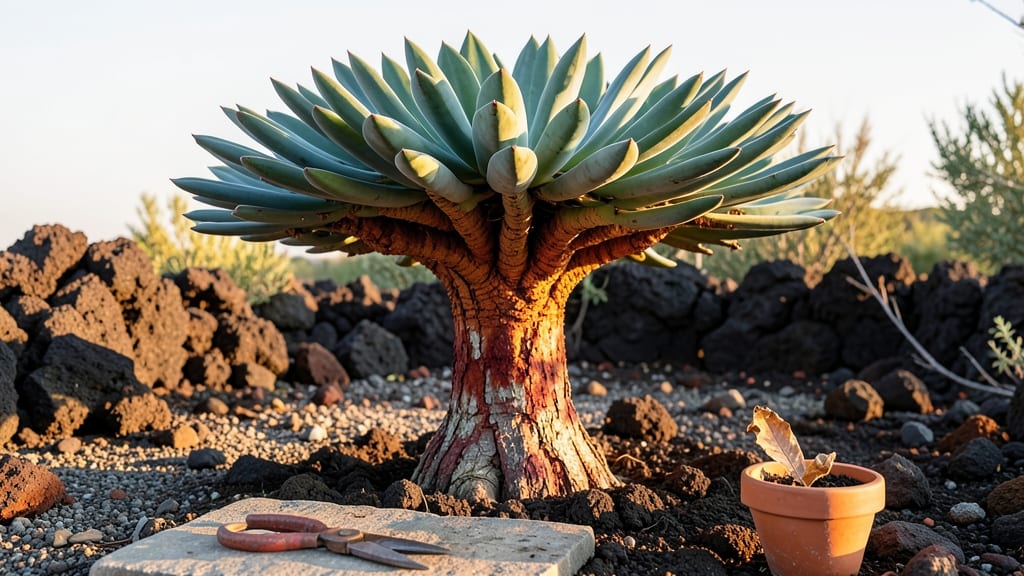
The dragon's blood tree's striking silhouette makes it a standout in any landscape—if you prune it right during dormancy.
I’ve learned the hard way that cutting at the wrong time turns its iconic shape into a tangled mess, but mastering this technique will give you a dramatic, long-lived canopy that thrives for decades.
The key isn’t just when you prune, but how you shape the branches to mimic its natural, layered growth. My first attempt left me with a lopsided tree, but now I’ve perfected the method for consistent results.
Dormant season pruning happens in late winter or early spring, before new growth begins. You’ll need sharp pruning shears, rubbing alcohol for sterilization, and a clear vision of the tree’s natural form—think of it like sculpting a living work of art.
The goal is to remove dead or crossing branches while maintaining the tree’s umbrella-like shape, which is what makes it so visually striking. This isn’t just about aesthetics, though; proper pruning also encourages stronger regrowth and prevents disease by improving airflow.
What you’ll end up with is a tree that looks like it belongs in a Mediterranean courtyard, even in your own yard. The deep red sap (where the name comes from) adds a bold contrast to its silvery-blue leaves, and the structure becomes more refined each year.
With the right technique, your dragon’s blood tree will reward you with decades of drama—and the satisfaction of shaping it yourself. Ready to transform it from a wild specimen into a showstopper?
This method works for both container-grown trees and those planted in the ground, making it versatile for any space. If you’re in a colder climate, wait until after the last frost to prune, and always avoid cutting into the thick, resinous trunk—it’s slow to heal.
The payoff? A tree that feels ancient yet stays healthy, with a shape that turns heads every season.
📚 In This Guide
- What you need
- Instructions
- Tips and common mistakes
- Wrapping up and next steps
What you need
- ● Pruning shears: Bypass pruners (sharp, clean, sterilized with rubbing alcohol) for clean cuts on smaller branches.
- ● Loppers: Heavy-duty (18–24" reach) for thicker branches (½"–1" diameter).
- ● Hand saw: Pruning saw (8–10" blade) for stubborn, woody stems (1"+ diameter).
- ● Rubbing alcohol (70%+) or bleach solution: 1 part bleach to 9 parts water (for sterilizing tools between cuts).
- ● Gloves: Heavy-duty gardening gloves (cut-resistant for safety).
- ○ Disposable pruning bags: 2–3 (for collecting debris; optional but handy!).
- ● Sealing wax or pruning paste: 1 small tub (to protect large cuts from disease).
- ○ Notebook & pen: To sketch your tree’s shape before pruning (optional but highly recommended!).
- ● Hose or spray bottle: For rinsing tools and cleaning sap off leaves.
- ● Tree tie or zip ties: (1–2) To support branches if you’re doing major structural pruning.
- ● Slow-release fertilizer: Balanced 10-10-10 or cactus/succulent blend (for post-pruning recovery).
- ● Camera or phone: Capture before/after shots—your future self will thank you! 📸
- ● Wait until dormant season (late fall/winter, when new growth slows).
- ● Check weather: Prune on a dry, overcast day (or early morning) to avoid stressing the tree.
- ● Assess your tree: Identify dead, crossing, or overcrowded branches first.
How to prune a dragon's blood tree for health and shape
Here's my method for transforming a mature dragon's blood tree into a stunning, long-lived centerpiece.
Choose the Right Time and Tools
Prune during late winter or early spring—just before new growth begins. The tree will be dormant, making it easier to see the structure and reduce stress. I use sharp, sterilized pruning shears (cleaned with rubbing alcohol) to prevent disease spread. A small hand saw helps with thicker branches over ½ inch in diameter.
Wear gloves—the sap can stain and irritate skin. I also keep a bucket of soapy water nearby to clean tools between cuts. The goal is to remove dead, crossing, or weak branches first, then shape the canopy. Never prune when the tree is under stress from drought or extreme heat.
Assess and Remove Problem Branches
Start by removing dead, diseased, or damaged branches—these are obvious and should go first. Look for branches with no green tissue, hollow centers, or fungal growth. Cut back to the main trunk or a healthy lateral branch using a clean, angled cut just outside the branch collar.
Next, remove crossing or rubbing branches—these create wounds and weaken the tree. If two branches grow toward each other, choose the one with the healthier structure and cut the other at its base. Thin out overcrowded areas to improve airflow, which reduces fungal risks. You'll see the canopy open up as you work.
Shape the Canopy for Balance and Drama
Step back and visualize the tree’s natural shape—dragon's blood trees thrive with a tiered, umbrella-like canopy. Focus on preserving the lower branches to maintain the iconic layered look. Use your shears to shorten overlong branches by ⅓ to ⅕ of their length, cutting just above a bud or lateral branch facing outward.
Avoid cutting into the central leader (the main upward-growing branch) unless it’s absolutely necessary. Instead, prune side branches to encourage outward growth. If a branch is too thick to cut by hand, use the saw and make the cut on the underside of the branch to prevent tearing. Step back often to check balance—you want a symmetrical, open shape that lets sunlight reach the lower layers.
Clean Up and Monitor Recovery
After pruning, sterilize your tools again and dispose of debris properly. Seal larger cuts (over 1 inch) with pruning sealant to prevent disease, but skip it on small cuts—it’s not always necessary and can trap moisture. Water the tree deeply after pruning to help it recover, but avoid overwatering, which can stress the roots.
Watch for new growth in 4-6 weeks. Healthy branches will sprout fresh, green leaves, while dead branches will remain bare. If you see yellowing leaves or oozing sap, you may have cut too deeply—this is a sign to adjust your technique next time. Pruning in dormant season ensures the tree puts energy into strong new growth come spring.
Tips & tricks for pruning dragon's blood trees
Transforming your dragon's blood tree into a showstopper takes more than just cutting branches—it’s about understanding the tree’s natural rhythm. Here’s how to elevate your pruning game.
Timing is Everything: Late winter or early spring is non-negotiable for pruning dragon's blood trees. This dormant period lets you see the tree’s structure clearly without stressing it. If you miss this window, wait until after new growth appears—but never prune during drought or extreme heat. The tree’s energy should focus on recovery, not survival.
Tool Prep Prevents Problems: Sterilizing your pruning shears with rubbing alcohol between cuts isn’t just a suggestion—it’s essential. The sap from dragon’s blood trees can harbor bacteria, and cross-contamination spreads disease. Keep a bucket of soapy water nearby to wipe tools between branches over ½ inch thick. This small step saves hours of cleanup and keeps your tree healthy.
Cut with Purpose: When shaping the canopy in Step 3, aim to shorten branches by ⅓ to ⅕ of their length. Cut just above a bud or lateral branch facing outward to encourage new growth in the right direction. Avoid cutting into the central leader unless absolutely necessary—this disrupts the tree’s natural form. Think of it like sculpting: every cut should serve a purpose, whether it’s opening up the canopy or removing dead wood.
Recovery Checklist: After pruning, monitor for new growth in 4-6 weeks. Yellowing leaves or oozing sap signal over-pruning—next time, cut back slightly earlier. Water deeply but avoid overwatering, which stresses roots. If you sealed larger cuts with pruning sealant, skip it on small cuts (it can trap moisture). The goal is to help the tree heal naturally while maintaining its dramatic, tiered shape.
Pro Tips for Dragon'S Blood Tree
- Transforming your dragon's blood tree into a showstopper takes more than just cutting branches—it’s about understanding the tree’s natural rhythm.
- Timing is Everything: Late winter or early spring is non-negotiable for pruning dragon's blood trees.
- Tool Prep Prevents Problems: Sterilizing your pruning shears with rubbing alcohol between cuts isn’t just a suggestion—it’s essential.
Frequently asked questions
Got questions about pruning your Dracaena draco (Dragon’s Blood Tree)?
Here are answers to the most common ones—whether you’re a first-time pruner or troubleshooting a tricky branch.
When is the best time to prune a Dragon’s Blood Tree?
Prune during its dormant season—typically late fall to early winter (November–February in most climates). This minimizes stress on the tree and encourages healthy regrowth in spring. Avoid pruning during active growth (spring/summer) unless removing dead or diseased branches immediately.
How much can I trim without harming the tree?
You can safely remove up to 25–30% of the canopy in one session, but avoid over-pruning. Focus on shaping the umbrella-like crown by trimming outer branches first. For mature trees, prune selectively to maintain structural integrity—never cut more than 1/3 of the foliage annually.
What if my cuts bleed red resin? Is that normal?
Yes! Dragon’s Blood Trees ooze a bright red sap (resin) when pruned—this is completely normal and harmless. The resin seals the wound naturally. To minimize mess, prune on a drop cloth or wear gloves. The sap is non-toxic but can stain surfaces, so clean tools with rubbing alcohol afterward.
Can I propagate the cuttings from pruning?
Dragon’s Blood Tree cuttings root easily. After pruning, let cuttings dry for 1–2 days to callus over, then plant in well-draining soil. Keep them in bright, indirect light and maintain humidity (use a plastic bag or propagator). Roots typically form in 4–8 weeks—just be patient!
What should I do if my tree looks stressed after pruning?
If your tree appears wilted or droopy post-pruning, it’s likely adjusting to the change. Water deeply but avoid overwatering. Provide partial shade for a few weeks and monitor for pests. If yellowing leaves persist beyond spring, it may need fertilizer (low-nitrogen, high-phosphorus) or a soil check for drainage issues.
Wrapping up and next steps
The Dragon’s Blood Tree is a stunning, slow-growing marvel that rewards patience with its striking, umbrella-like silhouette.
By mastering dormant-season pruning, you’ll not only preserve its health but also sculpt its iconic shape for years to come—think of it as an art project for your garden! 🌿✨ Whether you’re trimming for longevity or dramatic flair, remember: precision and timing are your best tools.
Ready to give your tree the TLC it deserves? Grab your tools, mark your calendar, and start planning your next pruning session—your Dragon’s Blood Tree will thank you with vibrant growth and breathtaking form!