
Trees
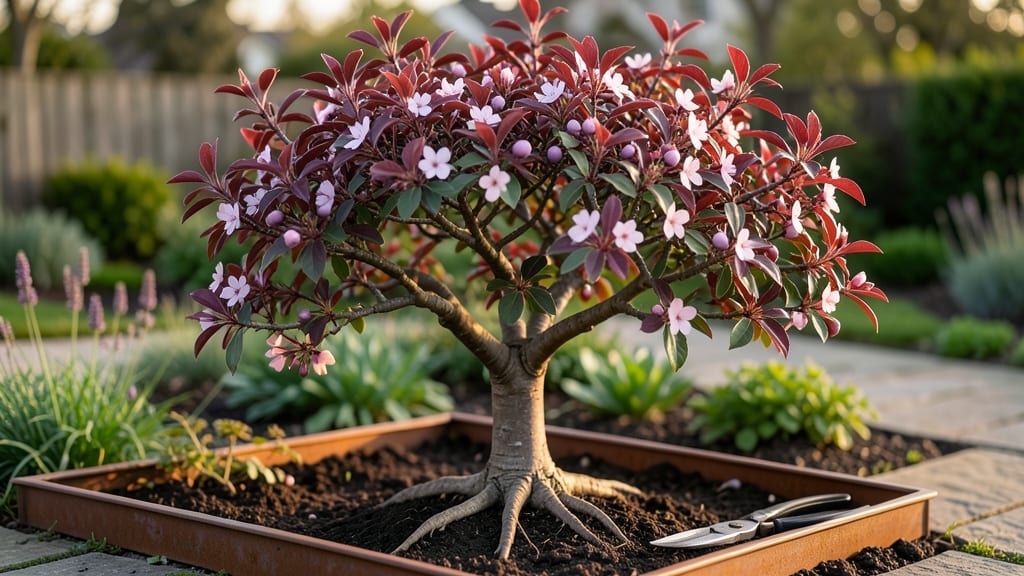
Decorative plum trees aren’t just pretty—they’re the showstoppers of any garden, stealing the scene with spring blooms, summer foliage, and even winter intrigue. I’ve used them as dramatic focal points in my own yard, and neighbors now stop to ask which variety is which.
The secret lies in their layered interest: fragrant blossoms in pink or white, glossy leaves that turn golden in fall, and striking bark that adds texture when everything else is bare.
These trees thrive in full sun and well-drained soil, making them surprisingly low-maintenance for their high-impact presence. They work as standalone specimens, mixed into cottage gardens, or even as informal hedges.
Pair them with spring bulbs like daffodils for early color, or let their branches spill over trellises for a romantic touch. The best part? They handle pruning well, so you can shape them to fit any design vision—whether you want a classic ornamental tree or a sculptural statement piece.
Imagine your garden in early spring, when the first blossoms appear like clouds of pink against bare branches. Or picture summer evenings when the foliage glows in the golden light, and the scent of flowers drifts through your yard.
These trees deliver year-round drama without demanding constant attention. With the right placement, they’ll become the heart of your outdoor space, drawing eyes and sparking conversations every season.
Whether you’re working with a formal landscape or a wild, naturalistic garden, decorative plums adapt effortlessly. They’re equally at home in urban courtyards or sprawling rural estates. Start with one as a test—you’ll likely end up planting more.
The transformation from bare branches to blooming beauty is nothing short of magical, and once you experience it, you’ll understand why these trees are garden design staples.
📚 In This Guide
- What you need
- Instructions
- Tips and common mistakes
- Wrapping up and next steps
What you need
- ● Decorative Plum Tree: 1–3 Prunus cerasifera (or hybrid varieties like P. cerasifera 'Thundercloud' or 'Newport')
- ● Size: 5–6 ft tall (bare-root or container-grown)
- ● Hardiness Zones: 5–9 (check your local climate match!)
- ● Soil Amendments: 5–10 lbs compost (for planting holes)
- ● 2–3 lbs slow-release fertilizer (10-10-10 or organic options)
- ● 1 lb lime (if soil is acidic, test first!)
- ● Mulch: 2–3 bags wood chips or shredded bark (2–3 inches deep)
- ● Digging Tools: 1 shovel (round-point for planting holes)
- ● 1 garden trowel (for delicate root adjustments)
- ● Pruning Supplies: 1 pair bypass pruners (sharp, sterilized)
- ● 1 pruning saw (for thicker branches)
- ● 1 rubbing alcohol (to disinfect tools)
- ● Safety Gear: 1 pair gloves (cut-resistant for pruning)
- ○ 1 safety goggles (optional but recommended)
- ● 1 tree stake (for young trees in windy areas)
- ● 1 tree tie (soft fabric to secure stakes)
- ● 1 drip irrigation kit (for consistent watering)
- ● 1 soil pH test kit (to fine-tune growing conditions)
- ● 1 decorative mulch (dyed or colored for aesthetic flair)
How to plant and maintain stunning decorative plum trees
Here's the proven approach to selecting, planting, and nurturing these showstopping trees for vibrant seasonal displays.
Choose the Right Variety for Your Climate
Decorative plum trees thrive best when matched to your hardiness zone. For cold climates, varieties like 'Methley' or 'Wangenheim' handle winters down to -20°F with ease. In milder regions, 'Santa Rosa' or 'Stanley' deliver reliable blooms and fruit. Always verify your zone before purchasing—this ensures your tree won't struggle with temperature extremes.
Look for grafted trees (marked with a tag at the base) to guarantee consistent blooms and fruit production. Ungrafted trees may revert to wild-type growth, losing their ornamental qualities. I always check the graft union height—4-6 feet above ground is ideal for easy maintenance while preserving the tree's natural shape.
Select the Perfect Planting Location
Decorative plums need full sun—at least 6-8 hours daily—for optimal flowering and fruit set. A south- or west-facing site maximizes sunlight exposure. Avoid low spots where cold air pools, as these trees are susceptible to frost damage during early spring blooms. The ground should slope slightly away from the trunk to prevent waterlogging.
Test your soil's drainage by digging a 12-inch deep hole. If water pools after 30 minutes, amend the site with 2-3 inches of compost mixed into the native soil. Plums hate soggy roots, so prioritize well-drained locations over aesthetic appeal. I once planted one in a decorative hollow and lost it within two years—don't make that mistake.
Plant at the Right Time and Depth
Fall is the best time to plant—6-8 weeks before your first frost—giving roots time to establish before winter. Dig a hole twice as wide as the root ball but no deeper. The top of the root ball should sit 1-2 inches above ground level to prevent soil settling from burying the trunk too deeply over time.
Loosen the roots gently if they're circling the root ball, then backfill with native soil mixed with 1 part compost. Water deeply to settle the soil, then create a 4-inch high berm around the outer edge to direct water toward the roots. Mulch with 3 inches of wood chips, keeping it 6 inches away from the trunk to prevent rot.
Water and Fertilize for Strong Establishment
Water newly planted trees twice weekly for the first month, then taper to once weekly once established. Check soil moisture by sticking your finger 2 inches deep—if it's dry, water slowly until it drains through. Overwatering causes root rot, which is fatal for plums. I use a soaker hose to deliver moisture directly to the root zone without wetting the foliage.
Apply a balanced 10-10-10 fertilizer in early spring and again after fruit set, following package rates. Avoid high-nitrogen fertilizers—they promote leafy growth at the expense of blooms. For established trees, a slow-release granular fertilizer in early spring keeps roots fed without risk of overfeeding.
Prune for Shape and Health Year-Round
Prune in late winter or early spring before buds swell to remove dead, diseased, or crossing branches. Use clean, sharp pruners to make cuts at a 45-degree angle just outside the branch collar. This encourages rapid healing and prevents disease entry points. I always sterilize my tools with 70% isopropyl alcohol between cuts to avoid spreading pathogens.
Thin out interior branches to improve airflow, which reduces fungal diseases like brown rot. Aim for an open vase shape that showcases the tree's natural beauty. Summer pruning is limited to removing only water sprouts—never prune for shape during the growing season, as it stimulates excessive new growth that won't harden off before winter.
Tips & tricks for perfect decorative plum trees
Transforming your landscape into a showstopper starts with these essential strategies for thriving decorative plum trees.
Climate Matching: When selecting varieties, cross-reference your hardiness zone with the tree's cold tolerance. For example, 'Methley' and 'Wangenheim' varieties can withstand down to -20°F, making them ideal for northern climates. I always verify my zone using the USDA Plant Hardiness Zone Map—this ensures your investment thrives year-round. The graft union height of 4-6 feet above ground is non-negotiable for maintaining the tree's ornamental characteristics.
Sunlight Optimization: The 6-8 hours of daily sunlight requirement is critical for optimal flowering and fruit production. If your site receives less than 6 hours, consider installing a reflective surface like light-colored walls or mulch to redirect sunlight. I've seen dramatic improvements in bloom quality by positioning trees against south-facing walls, which effectively extends their sunlight exposure during shorter winter days.
Soil Preparation: The 12-inch deep drainage test is your first line of defense against root rot. If water pools after 30 minutes, amend the soil with 2-3 inches of compost mixed thoroughly into the native soil. For heavy clay soils, consider creating raised beds to improve drainage. I've had success with a 50/50 mix of native soil and compost in containers for urban planting scenarios.
Year-Round Pruning: Late winter or early spring pruning before buds swell is essential for maintaining the tree's health and shape. When making cuts at a 45-degree angle just outside the branch collar, you're not just shaping the tree—you're promoting faster healing and preventing disease entry points. Always sterilize your pruners with 70% isopropyl alcohol between cuts to maintain a pathogen-free workspace.
Pro Tips for Decorative Plum Trees
- Transforming your landscape into a showstopper starts with these essential strategies for thriving decorative plum trees.
- Climate Matching: When selecting varieties, cross-reference your hardiness zone with the tree's cold tolerance.
- Sunlight Optimization: The 6-8 hours of daily sunlight requirement is critical for optimal flowering and fruit production.
Frequently asked questions
Got questions about adding decorative plum trees to your landscape? Here are some of the most common inquiries—and their answers—to help you get started with confidence:
How do I choose the right decorative plum tree for my climate?
Decorative plum trees thrive in USDA Zones 5–9, but varieties like Prunus cerasifera 'Nigra' (Purple Leaf Plum) handle cooler climates, while Prunus cerasifera 'Thundercloud' prefers milder zones. Check your hardiness zone and sunlight exposure (6+ hours daily) to pick the best fit. Pro tip: Avoid frost-prone areas for early bloomers like Prunus mume.
When is the best time to plant a decorative plum tree?
Plant in early spring or fall (4–6 weeks before frost) for optimal root establishment. Avoid summer heat or winter cold, which stress young trees. If planting in containers, water thoroughly before transplanting and mulch heavily to retain moisture. Bonus: Fall-planted trees benefit from winter rains!
Do decorative plum trees produce edible fruit, or are they purely ornamental?
Most decorative plum trees (e.g., Prunus cerasifera) are non-edible due to bitter, small fruit. However, some hybrids like Prunus salicina 'Santa Rosa' offer both beauty and tasty plums. If fruit isn’t your goal, focus on cultivars prized for foliage, bark, or flowers (e.g., 'Krauter Vase' for weeping branches).
What pests or diseases should I watch for in decorative plum trees?
Common issues include:
- Plum curculio (weevil): Punctures fruit/leaves; use neem oil or row covers.
- Powdery mildew: White fungal coating on leaves; improve airflow and spray with baking soda solution.
- Fire blight: Blackened, oozing branches; prune infected areas 6 inches below damage and sterilize tools.
Prevention tip: Plant in full sun, water at the base (not overhead), and avoid overhead irrigation.
Can I grow decorative plum trees in containers, or do they need ground planting?
Yes! Dwarf varieties like 'Flame' or 'Taylor's Gold' thrive in 15–25 gallon pots with well-draining soil. Use a fast-draining mix (e.g., 60% soil, 30% perlite, 10% compost) and repot every 2–3 years. Containers dry faster—water 2–3x weekly in summer. Warning: Avoid root-bound trees; prune roots if circling the pot.
How can I prune my decorative plum tree for shape and health?
Prune in late winter/early spring (before buds swell) to:
- Remove dead, crossing, or weak branches first.
- Thin out 1/3 of old wood to encourage new growth.
- Shape with light cuts—avoid heavy pruning, which reduces flowering.
Tool tip: Use bypass pruners for clean cuts and sanitize with rubbing alcohol between cuts.
Wrapping up and next steps
Decorative plum trees are the ultimate year-round stars of any landscape, blending beauty, resilience, and low-maintenance charm. Whether you’re drawn to their spring blooms, summer shade, or autumn foliage, these trees prove that curb appeal doesn’t require constant upkeep.
Ready to transform your outdoor space? Start small—research your climate, pick a variety, and plant with confidence!
🌱 Next step: Visit a local nursery or explore online growers to find your perfect plum tree match!