
Pruning
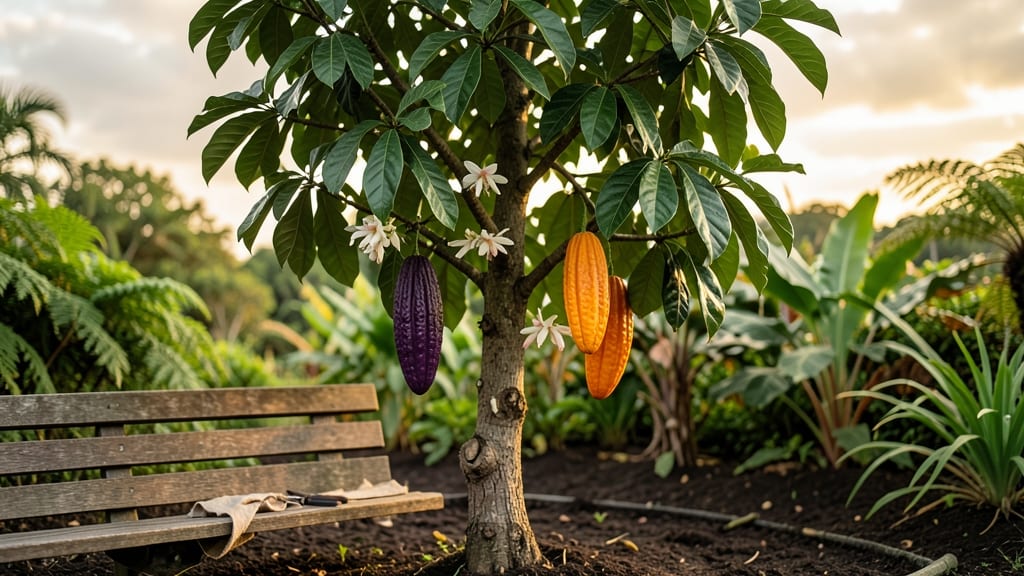
Growing a criollo cacao tree isn’t just about chocolate—it’s about cultivating a piece of history in your backyard. This rare, delicate variety produces beans with complex, wine-like flavors that rival fine wine, and it thrives year-round in the right conditions.
My first tree took three years to bear fruit, but once it did, the harvest changed how I think about homegrown flavor.
The secret to success starts with patience and precision. Criollo cacao demands warm, humid climates (zones 10-12) with well-draining, slightly acidic soil—think rich, loamy earth mixed with compost. Unlike its hardier Forastero cousin, it hates wind and cold drafts, so shelter it like a tropical princess.
Pruning isn’t just for shape; it’s about airflow and sunlight control, which keeps those delicate pods healthy and productive.
What you’ll end up with is a tree that rewards you with smooth, aromatic beans perfect for making single-origin chocolate. The first harvest might be small, but each year, the yield grows—especially if you hand-pollinate the flowers (mid-morning is prime time).
The real magic? That first taste of homegrown Criollo chocolate, where the flavors sing with notes of berry, citrus, and even a hint of spice.
This isn’t a quick project—it’s a long-term passion. But for gardeners who love a challenge, Criollo cacao offers something no other tree can: a direct connection to the world’s finest chocolate, grown right in your own yard. Ready to start your journey?
📚 In This Guide
- What you need
- Instructions
- Tips and common mistakes
- Wrapping up and next steps
What you need
- ● Criollo cacao seedlings: 3–5 healthy, disease-resistant saplings (age 6–12 months). Pro tip: 🌱 Source from certified nurseries or reputable growers to ensure purity.
- ● Well-draining soil mix: 60% loamy soil (rich in organic matter)
- ● 20% compost (well-aged, no synthetic fertilizers)
- ● 10% perlite or coarse sand (for aeration)
- ○ 10% cocoa husk mulch (optional but ideal for pH balance)
- ● Pruning tools: 1 bypass pruners (sharp, 6–8 inch blades)
- ● 1 felco pruner (for thicker branches, 7–8 inch)
- ● 1 pruning saw (for stubborn limbs, 10–12 inch)
- ● 1 disinfectant spray (70% isopropyl alcohol or copper-based)
- ● Support structures: 3–4 bamboo stakes (6–8 ft tall, 1–2 inch diameter) per tree
- ● 10–15 ft of jute twine or biodegradable tape (for trellising)
- ● Irrigation system: 1 drip irrigation kit (with emitters for 0.5–1 GPH flow)
- ○ 1 rainwater collection barrel (50–100 gallons, optional but eco-friendly)
- ● Fertilizers: 1 lb organic nitrogen fertilizer (e.g., blood meal or fish emulsion)
- ● 1 lb potassium-rich fertilizer (e.g., greensand or wood ash)
- ● 1 lb phosphorus booster (e.g., bone meal, for root growth)
- ● Shade cloth or shade trees: 30–50% shade fabric (10x10 ft per tree) or pre-existing fruit trees (e.g., avocado or citrus).
- ● 1 soil pH tester (ideal pH: 5.0–6.5 for Criollo cacao)
- ● 1 humidity dome or plastic tunnel (for seedlings in dry climates)
- ● 1 pest control spray (neem oil or botanical insecticide)
- ● 1 growth regulator (e.g., paclobutrazol, for compact growth)
- ● 1 notebook or app (e.g., GrowVeg or FarmLogs for tracking pruning cycles)
Step-by-step guide to cultivating a thriving criollo cacao tree
Here’s how I’ve nurtured Criollo cacao trees to produce rich harvests year-round—with patience and precision.
Select the Ideal Location and Soil Conditions
The Criollo cacao tree thrives in 70-85°F temperatures and high humidity (70%+). Choose a spot with dappled shade—morning sun and afternoon shade mimic its native forest understory. Avoid full sun, which scorches delicate leaves, or deep shade, which stunts growth.
Use well-draining, slightly acidic soil (pH 5.0-6.5) rich in organic matter. Amend heavy clay with 3-4 inches of compost mixed into the top 12 inches of soil. Criollo cacao roots are shallow but sensitive to waterlogging, so raise beds or use containers with drainage holes if your soil drains poorly.
Plant with Care and Establish Proper Support
Dig a hole twice as wide as the root ball but no deeper. Gently remove the tree from its container and loosen any circling roots. Position it so the top of the root ball sits level with the soil surface—burying too deep suffocates the stem. Backfill with native soil mixed with 1 cup of worm castings to boost microbial activity.
Criollo cacao trees grow 10-20 feet tall but need support early. Install a 3-foot bamboo stake at planting and tie the main stem loosely with soft twine. This prevents wind damage and encourages upright growth. Mulch the base with 2-3 inches of shredded bark, keeping it 6 inches away from the trunk to prevent rot.
Water Deeply and Maintain Consistent Moisture
Water deeply twice weekly during the first year, soaking the top 12 inches of soil until water drains from the bottom. Criollo cacao trees hate drought stress—wilting leaves signal irreversible damage. Test moisture by sticking your finger 2 inches deep; if dry, water immediately.
After establishment, reduce frequency to once weekly in humid climates or every 10 days in drier areas. Use a drip irrigation system to deliver water slowly at the base. Avoid overhead watering, which spreads fungal diseases like black pod rot, a common threat to cacao.
Prune for Airflow and Fruit Production
Prune lightly in late winter to remove dead or crossing branches. Criollo cacao flowers and pods form on older wood, so avoid heavy pruning. Cut back overly vigorous shoots to encourage bushier growth. Use sterilized pruners to prevent bacterial infections.
Focus on opening the canopy to improve airflow and sunlight penetration. Thin branches that rub together—this reduces disease risk and helps pods mature evenly. Harvest pods when they turn bright yellow or orange, typically 5-6 months after flowering.
Fertilize Strategically for Year-Round Growth
Apply a balanced organic fertilizer (5-5-5) in early spring and mid-summer, using ½ cup per tree. Criollo cacao responds well to compost tea—brew 1 cup of compost in 5 gallons of water for 24 hours, then dilute to 1:10 and water the soil monthly. This boosts microbial activity without burning roots.
Monitor leaves for nutrient deficiencies: yellowing between veins indicates iron deficiency, while purple stems signal phosphorus needs. Adjust fertilizer ratios accordingly. Avoid synthetic nitrogen spikes, which can reduce cacao’s signature aromatic complexity.
Tips & tricks for perfect criollo cacao tree cultivation
Criollo cacao thrives when you mimic its tropical forest habitat—here’s how to get it right from the start.
Microclimate Mastery: Criollo cacao’s ideal 70-85°F range means positioning matters. In hotter climates, plant near deciduous trees that naturally provide afternoon shade—this mimics its native understory conditions. For cooler regions, consider a greenhouse or cold frame during winter months. The key is avoiding temperature swings, which stress the delicate leaves and reduce pod production.
Soil Science: That pH 5.0-6.5 range isn’t optional—it’s non-negotiable for nutrient uptake. Test your soil before planting and amend with sulfur if needed. I’ve seen Criollo trees in heavy clay gardens thrive when planted in raised beds with 3-4 inches of compost mixed into the top 12 inches—this prevents waterlogging while maintaining the perfect acidity. For containers, use a mix of 60% coco coir, 30% peat moss, and 10% perlite to replicate the airy, moisture-retentive forest soil.
Watering Wisdom: The twice-weekly deep watering during the first year isn’t just about moisture—it’s about establishing strong root systems. Use a moisture meter to verify the top 12 inches are consistently damp (not soggy). I’ve found that drip irrigation systems with emitters placed 6 inches from the trunk deliver water most efficiently, reducing fungal risks while keeping roots hydrated. The 2-inch finger test is your best friend for monitoring—if it feels dry at that depth, water immediately.
Pruning Precision: That late-winter pruning window is critical because Criollo flowers form on older wood. When thinning branches, aim for a 30% open canopy—this improves airflow and sunlight penetration without sacrificing the tree’s structural integrity. I’ve seen growers make the mistake of pruning too aggressively in spring, which removes potential flowering sites. Always use sterilized tools and make cuts just above a leaf node to encourage new growth.
Pro Tips for Criollo Cacao Tree
- Criollo cacao thrives when you mimic its tropical forest habitat—here’s how to get it right from the start.
- Microclimate Mastery: Criollo cacao’s ideal 70-85°F range means positioning matters.
- Soil Science: That pH 5.0-6.5 range isn’t optional—it’s non-negotiable for nutrient uptake.
Frequently asked questions
How often should I prune my criollo cacao tree for optimal growth?
Prune your criollo cacao tree lightly every 3–4 months to encourage airflow and fruit production. Avoid heavy pruning during peak flowering (spring) or fruiting seasons. Focus on removing dead branches, crossing limbs, and shaping the canopy. Pro tip: Use sharp, sterilized tools to prevent disease!
Can I harvest criollo cacao pods year-round, or is there a best season?
While criollo cacao can produce pods year-round in tropical climates, the best harvest window is typically spring to early fall when temperatures are warm (70–85°F) and humidity is high. In cooler regions, pods may ripen slower—patience is key! Monitor color changes (from green to yellow/red) for readiness.
What’s the easiest way to troubleshoot yellowing leaves on my criollo cacao tree?
Yellowing leaves (chlorosis) often signal nutrient deficiencies (like magnesium or nitrogen) or overwatering. Start by checking soil drainage—criollo cacao hates soggy roots! Test soil pH (ideal: 5.5–6.5) and amend with compost or a balanced fertilizer. If pests like spider mites are present, treat with neem oil.
Are there criollo cacao tree alternatives if I live outside tropical zones?
If your climate isn’t tropical, consider dwarf varieties (like Theobroma cacao ‘Scavina’) or grow your tree in containers and move it indoors during winter. Alternatively, try hybrid cacao trees (e.g., Trinitario) that tolerate slightly cooler temps. Just ensure they get bright, indirect light year-round!
How do I know when criollo cacao pods are fully ripe and ready to pick?
Ripe criollo cacao pods change color dramatically—from green to yellow, orange, or deep red, depending on the variety. Gently tap the pod: a hollow sound means it’s ready! Avoid picking unripe pods, as they won’t develop the rich, complex flavors criollo cacao is famous for.
Still stumped? Drop your question in the comments—we’re happy to help your criollo cacao tree reach its full potential!
Wrapping up and next steps
The criollo cacao tree isn’t just a plant—it’s a treasure trove of year-round harvest potential when nurtured with care. By mastering pruning techniques, optimizing sunlight, and staying vigilant against pests, you unlock its full flavor and productivity.
Whether you're a backyard grower or a small-scale farmer, these secrets can transform your cacao journey into a rewarding, sustainable venture.
Ready to take the next step? Start small—experiment with a single tree, document your progress, and share your wins (or lessons!) with fellow cacao enthusiasts. Your first harvest could be just a season away! 🌱✨